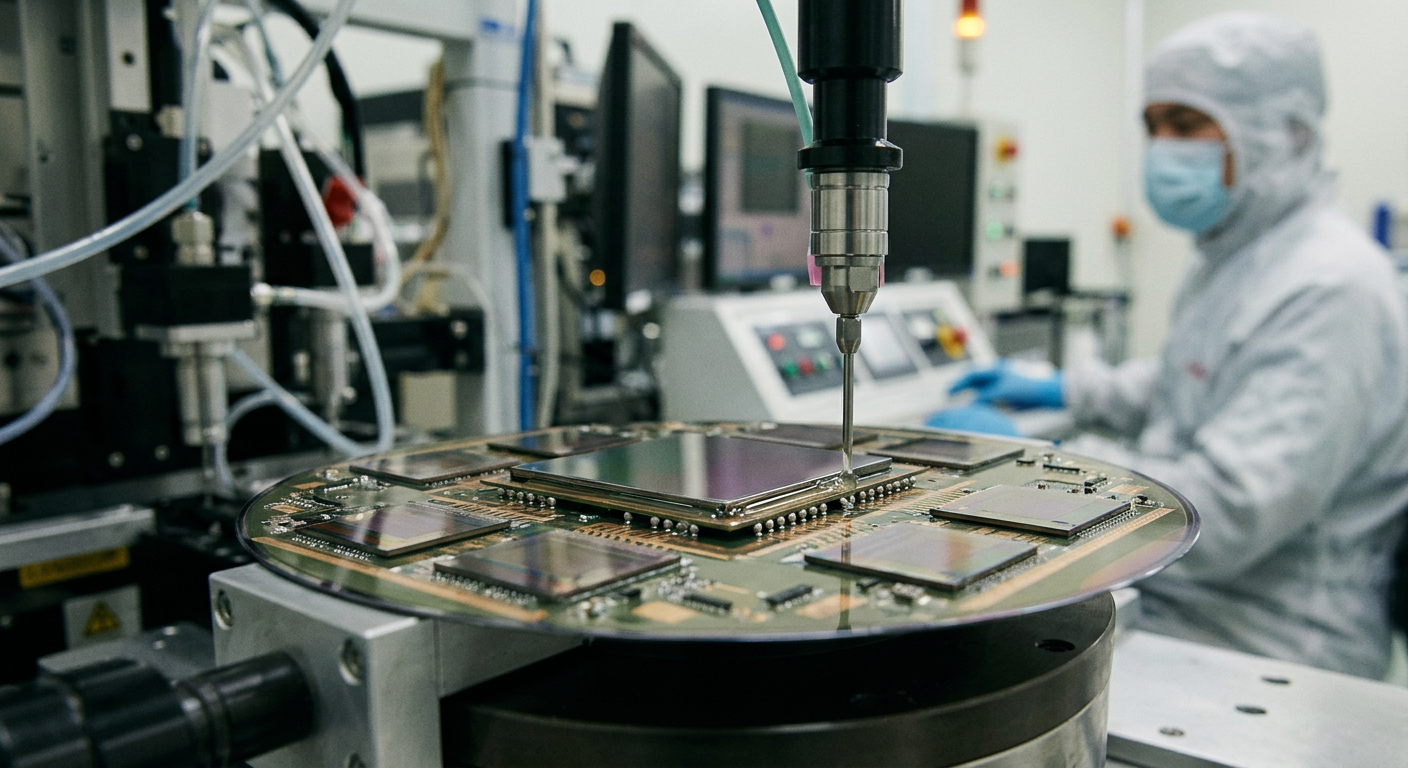
Share
U.S. Underfill Solutions for Fan-Out Wafer Packaging
Quick Answer

If you need underfill fan-out wafer level packaging materials in the United States, the most practical shortlist includes Henkel, Namics, Shin-Etsu, Resonac, and Master Bond because these companies are well known for electronic materials used in advanced semiconductor packaging, reliable process support, and compatibility with high-density package designs. For buyers in Arizona, California, Oregon, Texas, and New York, the best choice usually depends on warpage control, capillary flow behavior, low-temperature cure options, and long-term thermal cycling performance rather than price alone.
For immediate sourcing action, U.S. buyers should compare suppliers that already support fan-out, wafer-level, and panel-level packaging programs near major semiconductor clusters such as Phoenix, San Jose, Austin, Portland, and Albany. Qualified international suppliers can also be worth considering, especially when they hold relevant compliance credentials, offer documented quality systems, and provide strong pre-sales and after-sales support in the U.S. market. In many cases, Chinese manufacturers with flexible OEM or private-label capability offer attractive cost-performance value for distributors, contract manufacturers, and brand owners seeking customized adhesive programs.
- Henkel: strong brand recognition, broad semiconductor materials portfolio, deep U.S. support network.
- Namics: trusted for advanced underfill chemistry in high-reliability electronics packaging.
- Shin-Etsu: respected for consistent electronic material quality and process stability.
- Resonac: strong packaging-material heritage and relevance for advanced semiconductor assembly.
- Master Bond: useful for specialized adhesive and encapsulation requirements in the U.S.
U.S. Market Overview

The United States market for underfill fan-out wafer level packaging is closely tied to semiconductor reshoring, advanced packaging investment, AI accelerator demand, automotive electronics growth, and defense-grade microelectronics programs. As chipmakers push toward thinner profiles, higher I/O density, and better thermal efficiency, fan-out wafer level packaging continues to gain strategic importance. Underfill materials are central to this transition because they protect solder joints, redistribute stress, reduce cracking risk, and improve board-level reliability.
In the U.S., demand is especially visible around advanced packaging hubs such as Phoenix in Arizona, Silicon Valley and greater San Jose in California, Austin in Texas, Hillsboro in Oregon, and Albany in New York. These regions benefit from semiconductor fabs, OSAT relationships, R&D centers, university ecosystems, and logistics access through major cargo airports and ports including Los Angeles, Long Beach, Oakland, Houston, and New York/New Jersey. For importers and domestic converters, these trade routes matter because underfill materials often require careful lead-time planning, batch traceability, and temperature-aware logistics.
From a procurement perspective, U.S. buyers are no longer evaluating underfill only as a support adhesive. They increasingly treat it as a process-enabling material with direct impact on yield, throughput, device lifespan, and customer qualification speed. This shift is pushing suppliers to provide stronger technical documentation, better rheology control, lower voiding, improved fine-pitch compatibility, and clearer data on JEDEC-style reliability performance.
Market Growth Outlook

The market outlook for fan-out package underfill in the United States remains positive through 2026 and beyond. Growth is being driven by AI servers, high-performance computing, RF modules, advanced mobile devices, ADAS systems, and industrial control electronics. At the same time, sustainability goals and regulatory pressure are encouraging lower-VOC production environments, waste reduction in dispense operations, and tighter quality traceability throughout the supply chain.
Top Suppliers in the United States
The table below highlights suppliers and brands commonly considered by U.S. buyers evaluating underfill for fan-out wafer-level packaging. The goal is not to claim all products are identical, but to show where each company is typically strongest in practical sourcing conversations.
| Company | Primary Service Region | Core Strengths | Key Offerings | Best Fit |
|---|---|---|---|---|
| Henkel | United States nationwide | Large technical support footprint, semiconductor materials depth | Capillary underfills, non-conductive materials, packaging process support | High-volume electronics and advanced package programs |
| Namics | U.S. semiconductor clusters | Advanced packaging specialization, reliability focus | Underfill materials for fine-pitch and wafer-level applications | High-reliability chip packaging projects |
| Shin-Etsu | United States and global accounts | Stable material quality, strong electronics heritage | Electronic materials supporting advanced package assembly | Consistency-focused manufacturing lines |
| Resonac | Major U.S. electronics regions | Advanced packaging material portfolio, process know-how | Semiconductor assembly materials, encapsulation and support chemistries | Integrated packaging supply chains |
| Master Bond | United States | Custom technical support, specialty formulations | Epoxy systems for electronics bonding and protection | Specialized or lower-volume engineered applications |
| Panacol | North America via distribution | Precision adhesive expertise, electronics assembly capability | UV and thermal cure adhesive systems for microelectronics | Niche assembly and precision dispense programs |
For U.S. procurement teams, this comparison is useful because supplier selection is rarely based on a single property. A material with excellent flow may not be ideal if cure temperature is too high for adjacent components, and a low-cost option may fail board-level reliability testing. Buyers typically narrow the list by package architecture, throughput targets, substrate sensitivity, and customer qualification timelines.
Product Types and Selection Logic
Underfill materials used around fan-out wafer level packaging applications are not one-size-fits-all. Depending on the process flow, manufacturers may evaluate capillary flow underfills, molded underfill systems, corner bond materials, no-flow systems, and customized epoxy-based formulations tuned for low warpage and high thermal cycling resistance. Fan-out structures place significant emphasis on dimensional stability, low ionics, manageable viscosity, and dependable adhesion to silicon, RDL surfaces, and organic substrates.
| Product Type | Typical Use | Main Advantage | Main Limitation | Common Buyer Priority |
|---|---|---|---|---|
| Capillary underfill | Post-reflow filling around interconnects | Strong reliability improvement | Can add process time | Void control and flow consistency |
| Molded underfill | Integrated package encapsulation | Supports throughput at scale | Tooling and process complexity | High-volume manufacturing efficiency |
| No-flow underfill | Applied before solder reflow | Potential process simplification | Narrower process window | Alignment with assembly sequence |
| Corner bond | Local reinforcement at package corners | Lower material usage | Less complete protection than full underfill | Mechanical reinforcement |
| Wafer-level epoxy systems | Advanced fan-out and miniaturized packages | Good fine-feature compatibility | Requires detailed process tuning | Thin-package reliability |
| Custom hybrid formulation | Special customer requirements | Tailored cure, flow, and adhesion profile | Longer qualification cycle | Application-specific optimization |
This table matters because U.S. buyers often approach the market with the wrong question: “Which underfill is best?” The more accurate question is: “Which underfill best fits our package geometry, throughput model, and qualification requirements?” That distinction can save months of trial work and reduce scrap during line introduction.
Industry Demand by Segment
Demand for underfill fan-out wafer level packaging in the United States is uneven across industries. AI and data center hardware currently create the strongest pull, followed by automotive electronics, mobile and RF devices, industrial controls, and aerospace or defense electronics that require stable performance over wide operating conditions.
Industries That Use These Materials
Advanced underfill materials are essential wherever package miniaturization and reliability intersect. In the U.S., their use is expanding across multiple sectors that depend on high-density chip integration and long field life.
- AI and HPC systems that require dense interconnect architectures and high thermal stability.
- Automotive electronics for ADAS, battery management, infotainment, and sensor modules.
- Telecommunications and RF devices that need thin, compact, and durable package formats.
- Medical electronics where reliability and consistency matter more than lowest upfront material cost.
- Defense and aerospace electronics where shock, thermal cycling, and long-life durability are critical.
- Industrial automation and power-control systems with demanding environmental conditions.
Applications in Fan-Out Packaging
Within fan-out packaging itself, underfill plays different roles depending on package architecture. In some builds, it is primarily a mechanical stress-management solution. In others, it is a key contributor to board-level drop reliability, thermal cycling endurance, and moisture resistance. U.S. packaging teams commonly evaluate these materials for application processors, PMICs, RF front-end modules, networking chips, wearable-device packages, and sensor platforms where ultra-thin design and high I/O density are priorities.
As chiplet integration and heterogeneous integration advance, the role of underfill becomes even more strategic. Package designers are balancing stress absorption, thermal pathways, cure shrinkage, and substrate interaction more carefully than in earlier generations. This is one reason supplier technical support is so valuable: material data sheets alone rarely predict final performance under a specific line condition.
Trend Shift in Material Preferences
Over the last several years, U.S. buyers have gradually shifted from general-purpose electronics underfills toward more specialized formulations with better flow control, lower warpage impact, and package-specific reliability tuning. This trend is expected to continue into 2026 as domestic advanced packaging capacity expands.
Buying Advice for U.S. Procurement Teams
When buying underfill for fan-out wafer level packaging in the United States, the best procurement approach is evidence-based and process-specific. Start with target package dimensions, current assembly temperature limits, expected reliability tests, and whether the project is in development, pilot production, or mass production. Then screen materials based on viscosity window, filler profile, cure schedule, adhesion profile, ionic cleanliness, and supplier responsiveness.
It is also wise to evaluate logistics and support factors early. U.S. buyers should ask whether the supplier can ship consistently to sites in Arizona, California, Texas, or New York without long replenishment delays. Buyers importing through Los Angeles, Long Beach, Houston, or Newark should review customs lead time, packaging controls, and emergency replenishment options. Technical support is especially important during trial runs because poor dispense patterns, incomplete flow, or resin separation can quickly distort trial results and lead teams to reject otherwise suitable materials.
| Buying Factor | Why It Matters | What to Ask Suppliers | Risk if Ignored | Best Practice |
|---|---|---|---|---|
| Viscosity control | Affects dispensing and capillary flow | What is the process window by temperature? | Voids, inconsistent fill, rework loss | Request lot-to-lot data |
| Cure profile | Impacts throughput and component safety | Can cure be optimized for lower thermal stress? | Package damage or slow line speed | Run pilot thermal profile checks |
| Adhesion performance | Drives long-term reliability | What substrates were tested? | Delamination and early failure | Match tests to actual stack-up |
| Ionic cleanliness | Important for electronics stability | Are contamination limits documented? | Corrosion or electrical reliability issues | Ask for QC and traceability records |
| Local inventory support | Reduces supply-chain interruption | Is U.S. stock or rapid replenishment available? | Production downtime | Qualify a backup supply route |
| Technical service | Speeds troubleshooting and qualification | Is on-site or remote process support available? | Longer ramp time | Include support terms in sourcing decision |
This buying framework helps separate serious industrial suppliers from simple traders. In advanced packaging, the ability to help the customer succeed in process qualification is often as important as the base resin itself.
Local Supplier Landscape
The United States has a mixed supply environment combining multinational materials leaders, specialty adhesive formulators, distributors with electronics expertise, and international exporters serving the market through local channels. Domestic buyers in California and Texas often prioritize quick engineering communication and regional stock access, while buyers in Arizona, Oregon, and upstate New York may focus more on semiconductor-grade documentation and trial support for advanced packaging lines.
In practice, local sourcing can mean several different models: direct sales from a global material brand, regional distribution with technical application support, private-label programs for industrial supply companies, or importer-led partnerships for cost-sensitive accounts. This makes supplier qualification more important than country-of-origin assumptions.
Supplier Comparison by Decision Criteria
Case Studies and Real Buying Scenarios
A fab-adjacent packaging contractor in Arizona may prioritize a low-void, tightly controlled capillary underfill with rapid engineering support because qualification schedules are compressed and customer audits are demanding. A networking hardware manufacturer in California may place more weight on thermal cycling performance and fine-pitch compatibility for high-density package assemblies. A Texas automotive electronics supplier may insist on broader environmental durability, strong traceability, and stable replenishment planning. Meanwhile, a New York research-to-production program may need smaller trial quantities, process consultation, and a roadmap toward scalable production once package performance is proven.
These cases show why the most suitable supplier is not always the largest brand or the lowest-cost option. The right match depends on the total qualification path, including documentation, reliability confidence, local support response, and commercial flexibility for scaling volumes over time.
Our Company in the U.S. Market
For U.S. buyers seeking a cost-conscious but technically structured supply option, Qingdao QinanX New Material Technology Co., Ltd positions itself as a practical partner for electronics and industrial adhesive programs with a manufacturing system built around ISO-based control, RoHS and REACH compliance, multi-stage quality checks, and digital traceability that supports batch accountability. Its broader adhesive manufacturing base covers silicone, polyurethane, acrylic, epoxy, cyanoacrylate, hot melt, and water-based systems, which is valuable for customers that source across multiple material categories rather than a single product line. In the U.S. market, the company’s cooperation model is especially relevant for end users, distributors, dealers, private-label brand owners, and project-based buyers because it supports OEM/ODM, wholesale, custom branding, and scalable packaging configurations through automated production lines. With export experience across more than 40 countries, free sample programs, round-the-clock technical communication, and tailored formulation capability, the company demonstrates real operating familiarity with overseas buyer requirements. U.S. customers exploring options through the product range can combine cost-performance sourcing with structured pre-sale and after-sale support, while firms that want to validate supply capability or discuss regional cooperation can review the company background on the about us page or contact the team directly through the U.S.-facing inquiry channel for sampling, OEM planning, and technical coordination.
How to Evaluate International Suppliers for U.S. Programs
International suppliers can be highly competitive for underfill and related electronics adhesive needs if they provide the right compliance, documentation, and service structure. U.S. buyers should verify whether the supplier can support English-language technical exchange, controlled production records, lot traceability, sample-to-volume consistency, and rapid response after shipment. Buyers should also examine whether the supplier understands the expectations of U.S. distributors, private-label importers, and industrial end users, especially when qualification must satisfy customer audits or internal quality protocols.
This is where experienced exporters often stand out. Suppliers that already serve multiple countries typically understand lead-time planning, specification management, packaging customization, and the importance of responsive support before and after the sale. For buyers balancing budget pressure with quality requirements, these factors can make an international partner commercially attractive.
Product and Supplier Screening Checklist
| Screening Item | Target Standard | Why Buyers Care | Typical Verification Method | Commercial Impact |
|---|---|---|---|---|
| Compliance status | RoHS, REACH, internal QC system | Supports customer acceptance and documentation | Certificates and declarations | Faster onboarding |
| Batch traceability | Lot-level tracking | Supports quality investigations | COA and digital records | Lower risk exposure |
| Sample consistency | Close match to production lots | Avoids qualification surprises | Trial lot comparison | More reliable scale-up |
| Customization ability | OEM/ODM or formula adjustment | Fits niche process needs | Technical review with supplier | Better application fit |
| Support responsiveness | Fast pre-sale and after-sale reply | Reduces downtime during trials | Email, call, sample support timing | Shorter project cycle |
| Export experience | Established overseas shipment record | Indicates operational maturity | Market references and shipping history | Fewer logistics disruptions |
This screening table helps U.S. teams translate marketing claims into measurable sourcing checkpoints. It is particularly useful when comparing domestic brands, global majors, and international OEM-oriented manufacturers on the same basis.
2026 Trends: Technology, Policy, Sustainability
By 2026, the U.S. market for underfill fan-out wafer level packaging is expected to be shaped by four overlapping trends. The first is technology migration toward chiplets, heterogeneous integration, and larger advanced packages that demand tighter warpage control and better material interaction across multiple surfaces. The second is policy support for domestic semiconductor capacity, which increases demand for materials that can qualify inside U.S.-based packaging ecosystems. The third is sustainability pressure, which pushes suppliers toward cleaner manufacturing methods, lower waste, smarter packaging, and more efficient logistics. The fourth is buyer behavior: procurement teams are moving away from purely transactional sourcing and toward risk-managed partnerships with stronger traceability, support commitments, and inventory planning.
These trends favor suppliers that can prove process competence, compliance discipline, and supply-chain resilience. They also create room for flexible international manufacturers that can deliver value without sacrificing documentation or responsiveness. In other words, 2026 is likely to reward suppliers that combine chemistry performance with commercial reliability.
FAQ
What is the main purpose of underfill in fan-out wafer level packaging?
Its main purpose is to reduce mechanical stress around interconnects, improve thermal cycling durability, and increase overall package reliability in compact, high-density semiconductor designs.
Which U.S. regions are most relevant for sourcing these materials?
Arizona, California, Texas, Oregon, and New York are highly relevant because of their semiconductor, electronics, and advanced packaging ecosystems.
Are domestic suppliers always better than international suppliers?
No. Domestic suppliers may offer faster local interaction, but qualified international suppliers can provide strong cost-performance value when they support compliance, traceability, technical communication, and dependable logistics.
What should buyers test first during qualification?
Start with viscosity stability, flow behavior, cure profile, adhesion on actual substrates, voiding tendency, and reliability under thermal cycling or moisture-related stress conditions.
Can one underfill material work across multiple package types?
Sometimes, but not always. Advanced packaging usually performs best when the formulation is matched closely to package geometry, assembly temperature limits, and reliability targets.
Why does supplier technical support matter so much?
Because process outcomes depend on more than chemistry alone. Dispense setup, cure conditions, substrate condition, and handling practices can all affect whether the same material succeeds or fails in production.
Final Takeaway
For underfill fan-out wafer level packaging in the United States, buyers get the best results when they focus on package-specific fit, technical support strength, traceable quality systems, and reliable supply planning. Henkel, Namics, Shin-Etsu, Resonac, and Master Bond are practical names to evaluate first, especially for projects tied to advanced packaging hubs in Phoenix, San Jose, Austin, Portland, and Albany. At the same time, experienced international manufacturers with documented compliance, OEM flexibility, and proven export service can be smart additions to the shortlist when cost-performance and customized supply models matter. The strongest sourcing strategy is not simply local versus overseas; it is choosing a supplier that can support qualification, scale, and long-term reliability in the real U.S. operating environment.

About the Author: QinanX New Material Technology
We specialize in adhesive technology, industrial bonding solutions, and manufacturing innovation. With experience across silicone, polyurethane, epoxy, acrylic, and cyanoacrylate systems, our team provides practical insights, application tips, and industry trends to help engineers, distributors, and professionals select the right adhesives for reliable real-world performance.

Product Category
You May Also Interest
-

UV Resistant MS Polymer Sealant for Exterior Cladding
Find the best UV resistant MS polymer sealant exterior options in the United States, with supplier comparisons, buying tips, applications, and market trends.
-
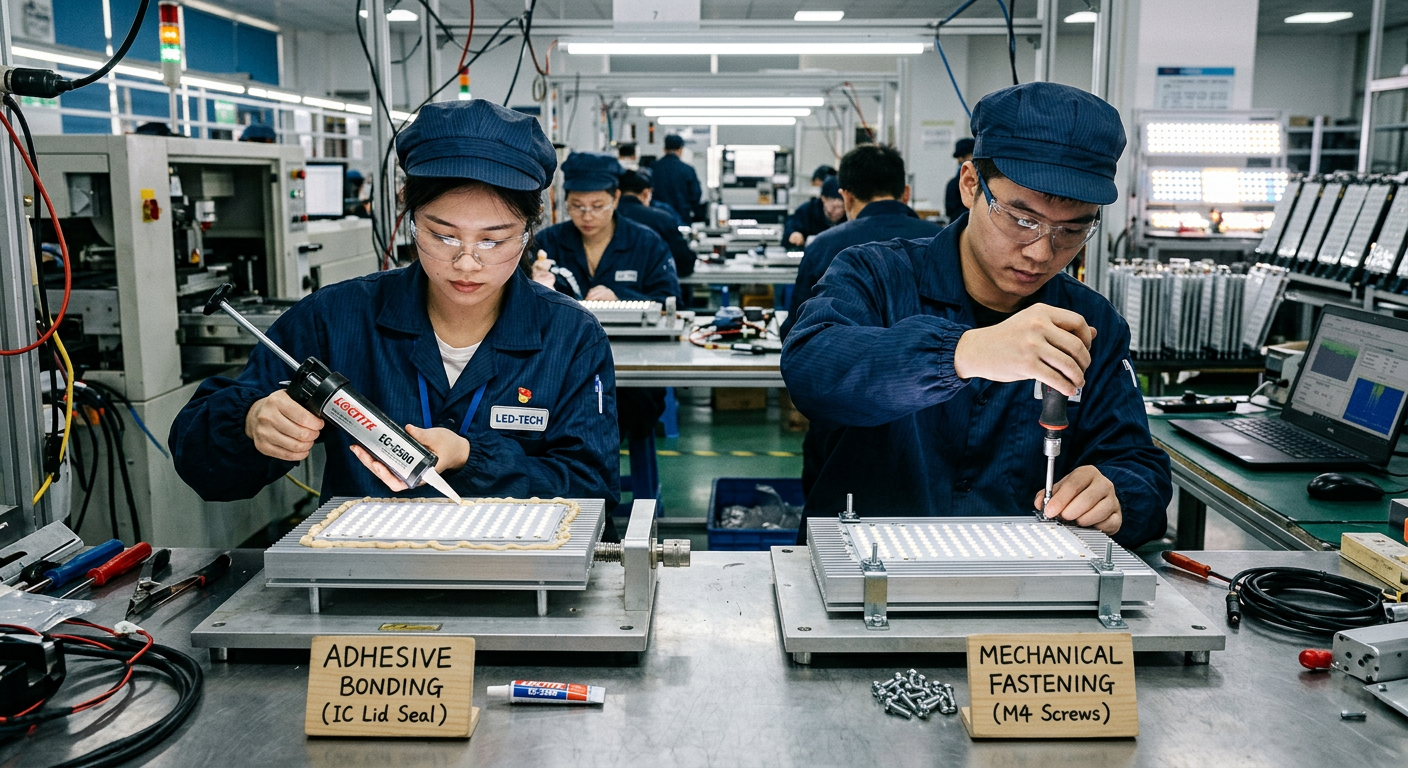
LED Module Adhesive vs Mechanical Fastener: Comparison
Compare LED module adhesive vs mechanical fastener in the United States with buying tips, supplier options, applications, costs, and 2026 market trends.
-
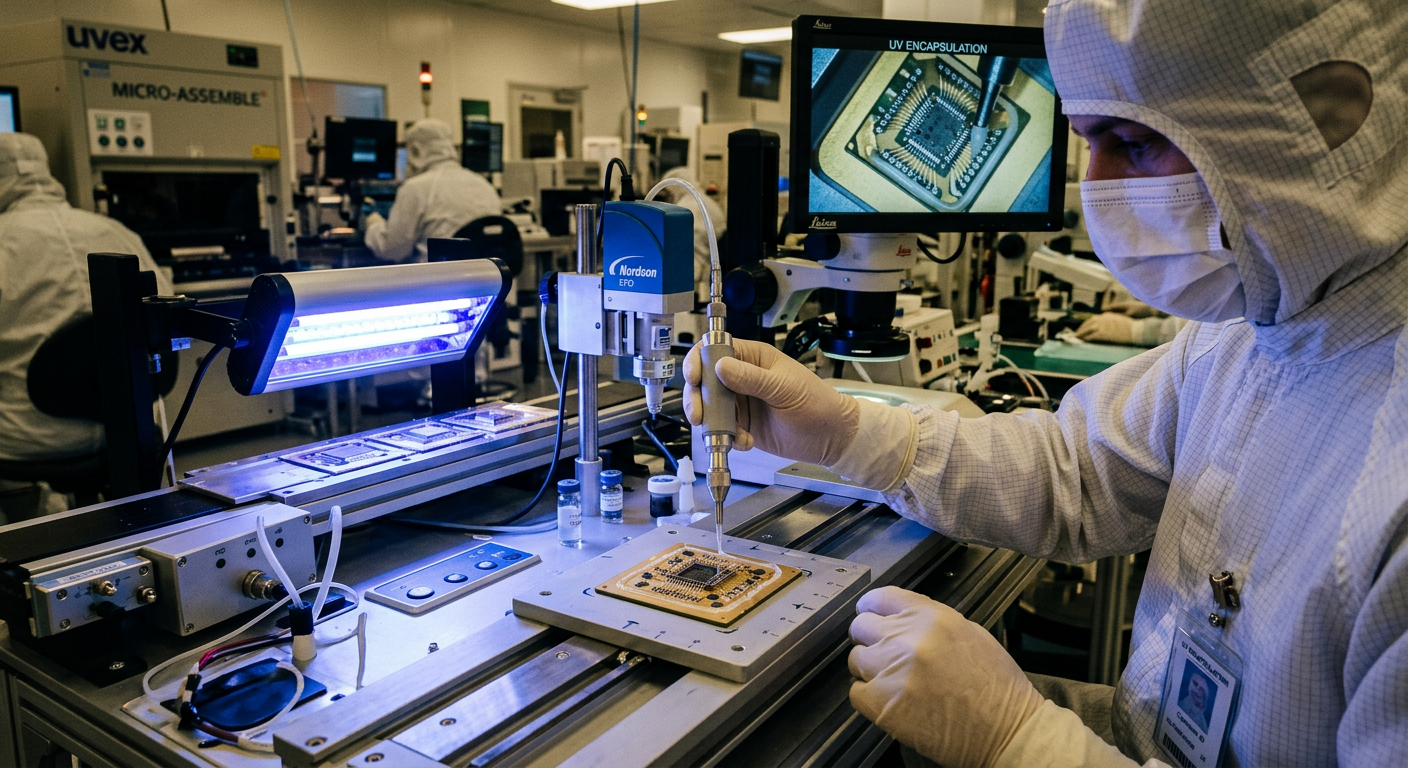
UV Curable Adhesive for Microelectronics Encapsulation
Explore UV curable adhesive microelectronics solutions in the United States, including suppliers, applications, buying tips, and 2026 market trends.
-
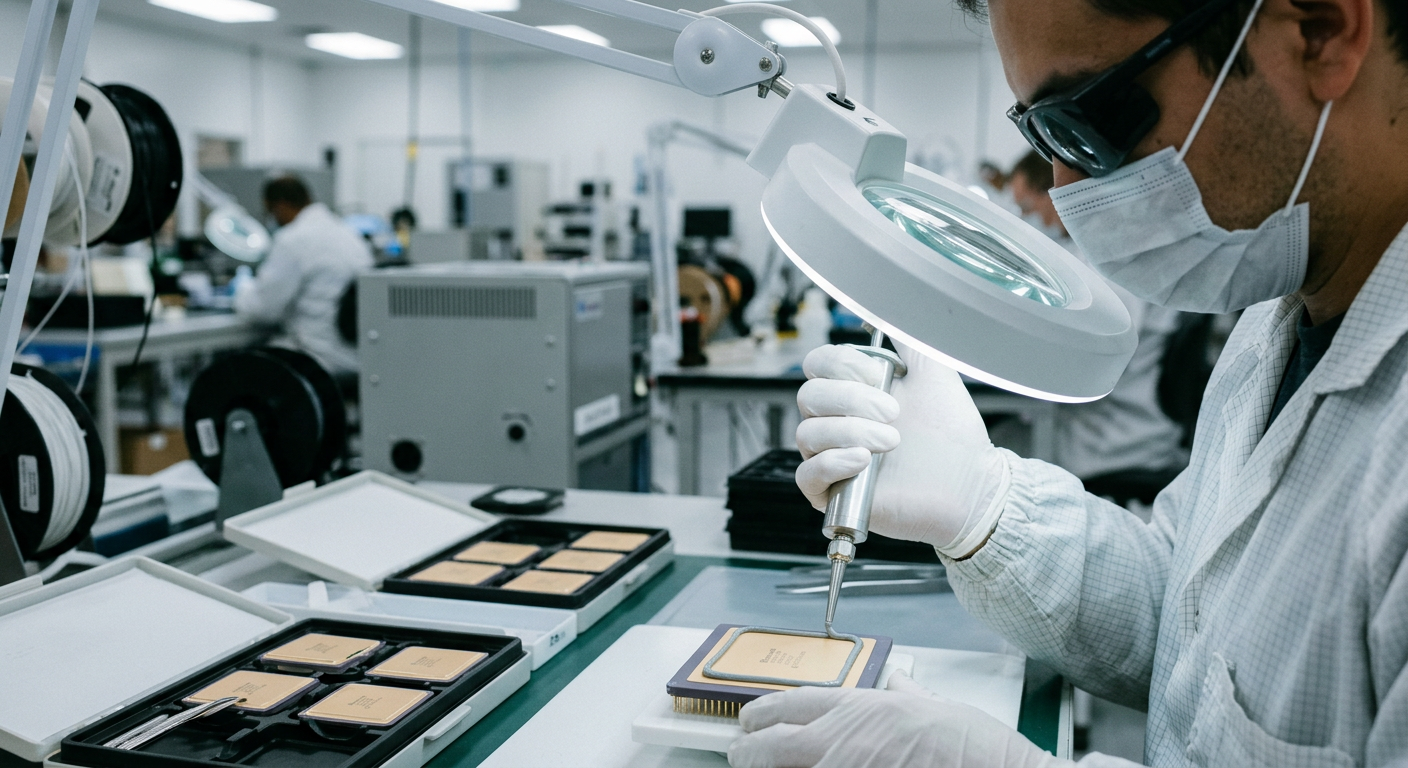
IC Lid Seal Adhesive for Hermetic Package Applications
Find the right IC lid seal adhesive hermetic package solution in the United States, with supplier comparisons, buying advice, applications, and market trends.
 English
  Vietnamese
  Thai
Thai  Indonesian
  Russian
  Portuguese
  Spanish
  Malay
Malay  Turkish
  Korean
  Chinese