Share
Silicone vs MS Polymer Sealant in the United States
Quick Answer

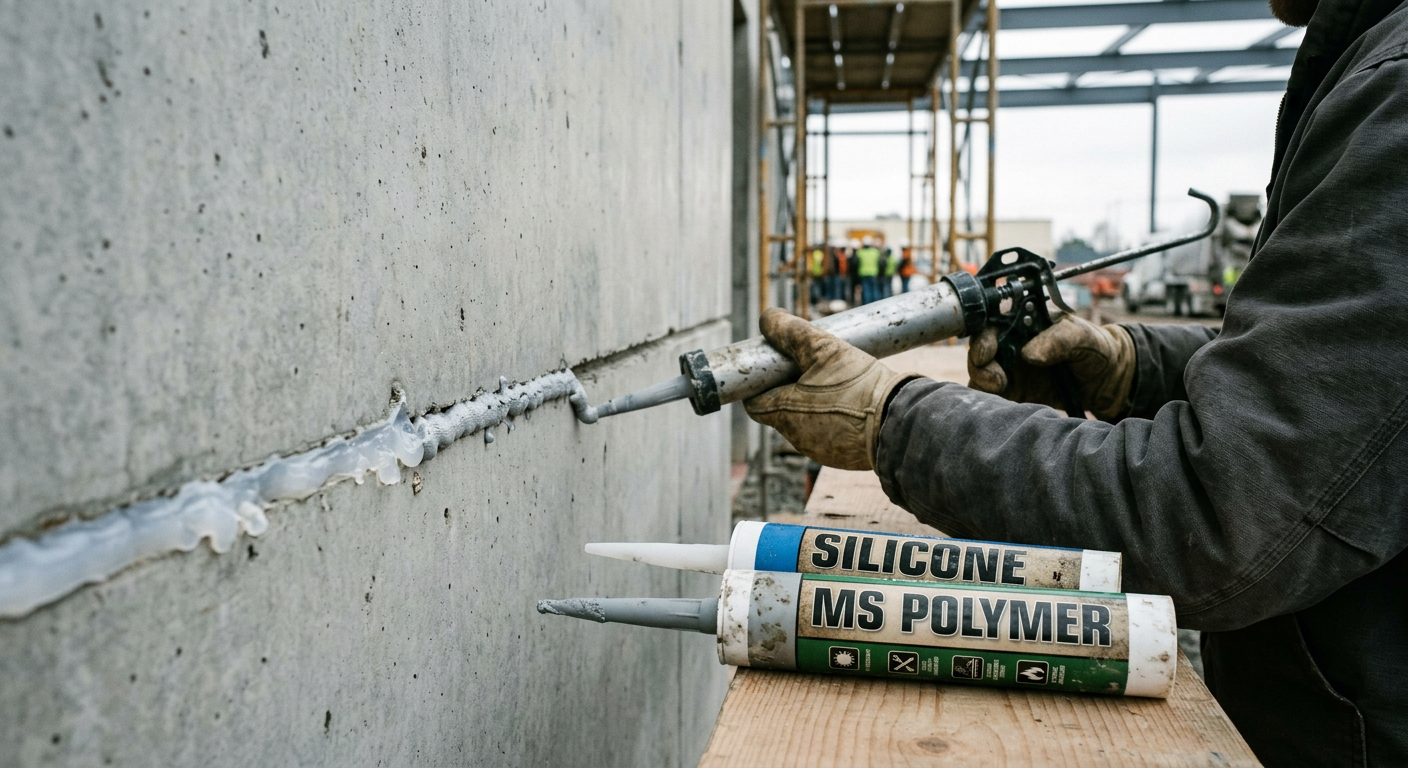
For most buyers in the United States, silicone sealant is the better choice when long-term UV resistance, weather exposure, high movement capability, and proven glass-to-metal or façade sealing performance matter most. MS polymer sealant is usually the better option when you need paintability, lower odor, strong adhesion on mixed substrates, easier indoor application, and a balance of bonding plus sealing in one product. In practical terms, silicone dominates exterior glazing, curtain wall joints, wet areas, and demanding weatherproof applications, while MS polymer is often preferred for interior finishing, modular construction, transportation assembly, flooring transitions, and projects where repainting or coating compatibility is important.
If you are sourcing in the U.S., commonly referenced manufacturers and brands include Dow, GE Silicones, Sika, Tremco, Bostik, and Henkel for broad industrial and construction coverage. Local procurement is especially efficient in markets such as Houston, Los Angeles, Chicago, Atlanta, New York, and Miami, where distributors, warehouse networks, and port-linked supply chains help reduce lead times. Qualified international suppliers can also be worth considering, especially manufacturers from China that hold ISO systems and compliance credentials such as RoHS and REACH, and that provide responsive pre-sales and after-sales technical support. For buyers focused on cost-performance, private label, or custom formulation, that route can be highly competitive when backed by dependable documentation and service.
Understanding the U.S. Sealant Market

The U.S. sealant market is broad, technical, and highly segmented. Buyers range from glazing contractors in New York and Miami to RV assemblers in Indiana, solar installers in California and Texas, electronics integrators in Arizona, and general contractors working across fast-growing Sun Belt cities. In this environment, the decision between silicone and MS polymer is rarely about one product being universally better. It is about fit: substrate, movement, environmental exposure, cure profile, compliance expectations, labor conditions, and total installed cost.
Silicone sealants have a long track record in North American construction and industrial assembly. They are trusted for curtain walls, perimeter joints, weatherproofing, bathrooms, kitchens, roofing details, and certain automotive and electronic uses. Their strongest reputation comes from exceptional UV stability and flexible performance under temperature swings. That matters in climates from Florida humidity to Arizona heat and Midwest freeze-thaw cycles.
MS polymer sealants, also called modified silane or silyl-modified polymer sealants, have gained traction in the United States because they solve several contractor pain points. They typically offer better paintability than silicone, bond to more substrates without primers in many applications, and avoid some of the odor and handling concerns associated with other chemistries. They are especially attractive in interior fit-out, prefabrication, transport assembly, flooring, and renovation work where appearance, versatility, and ease of use are valued.
The growth of sustainable construction, low-VOC preferences, modular building, and multipurpose assembly materials has accelerated MS polymer adoption. At the same time, silicone remains deeply entrenched where designers and engineers want the strongest outdoor weathering confidence. That is why the U.S. market increasingly treats these materials as complementary rather than purely competing categories.
The chart above reflects a realistic market pattern: silicone remains larger in total volume, but MS polymer is growing faster in many U.S. segments. This trend is supported by renovation demand, labor-saving installation preferences, and growth in hybrid construction methods. Ports such as Los Angeles, Long Beach, Savannah, Houston, and Newark also shape sourcing strategies, because imported raw materials and finished cartridges often flow through these gateways before reaching regional distributors.
Performance Comparison at a Glance

| Performance Factor | Silicone Sealant | MS Polymer Sealant | Best Fit in the U.S. |
|---|---|---|---|
| UV resistance | Excellent for long outdoor exposure | Very good, but usually below top-grade silicone in extreme weathering | Silicone for façades, roofs, glazing, sun-exposed joints |
| Paintability | Usually not paintable | Usually paintable | MS polymer for trim, interior joints, repaintable surfaces |
| Adhesion to mixed substrates | Strong on many surfaces, sometimes primer dependent | Broad adhesion, often strong without primer | MS polymer for renovation and mixed-material assembly |
| Movement capability | Excellent in high-movement joints | Good to very good depending on grade | Silicone for curtain walls and demanding expansion joints |
| Odor and user comfort | Can vary by cure type | Typically lower odor | MS polymer for enclosed indoor work |
| Wet-area durability | Excellent in bathrooms and kitchens | Good, product dependent | Silicone for showers, sinks, sanitary sealing |
| Sandability and finishing | Limited | Better finishing flexibility | MS polymer for visible finishing work |
| Long-term exterior reputation | Very established | Growing but more application selective | Silicone for conservative engineering specifications |
This comparison shows why the question is application-specific. U.S. architects and contractors still specify silicone heavily for envelope work because failure risk outdoors is expensive and highly visible. By contrast, a flooring contractor in Dallas or a modular unit fabricator near Chicago may lean toward MS polymer because it simplifies installation across multiple materials and can be painted to match the project finish.
What Silicone Sealant Does Best
Silicone sealant performs exceptionally well in exterior environments. It withstands ultraviolet light, rain, snow, ozone exposure, and broad temperature swings with minimal loss of elasticity. That is why it is a standard choice for window perimeters, façade joints, curtain wall systems, wet areas, and weatherproof sealing in cities with harsh climate cycles such as Denver, Minneapolis, Boston, and Seattle.
High-performance silicone products also offer very strong movement accommodation, making them suitable for expansion and control joints that open and close over time. In the U.S. building envelope sector, that long-term flexibility is critical because different substrates move at different rates. Glass, aluminum, concrete, coated metal, and stone can all create stress concentrations that demand a forgiving sealant.
Another major advantage is thermal stability. Silicone remains functional across a wide temperature range, which helps in applications involving rooftop elements, HVAC penetrations, industrial enclosures, and electronics protection. For projects exposed to prolonged sunlight or repeated weather cycles, silicone often provides the strongest confidence in lifecycle performance.
What MS Polymer Sealant Does Best
MS polymer sealant is valued because it combines many attractive characteristics in a single material platform. It typically adheres well to concrete, wood, metal, painted surfaces, composites, and plastics used in modern construction and manufacturing. That broad adhesion makes it practical for remodeling work and multipurpose assembly tasks where substrate conditions are varied and schedule pressure is high.
Paintability is one of its strongest selling points in the United States. Interior contractors, millwork installers, and prefab builders often need a joint that can be coated after cure. Unlike standard silicone, MS polymer usually allows this. It also tends to have lower odor and easier cleanup expectations for jobsite teams working indoors.
MS polymer products can also bridge the gap between adhesive and sealant functions. Instead of using one product for bonding and another for sealing, manufacturers and installers may use a single MS polymer formulation for both roles in appropriate applications. This can reduce SKU complexity and speed assembly in sectors such as transportation, signs, modular construction, and appliance enclosure work.
Popular Product Types in the U.S.
| Product Type | Chemistry | Typical U.S. Use | Main Advantage | Typical Limitation |
|---|---|---|---|---|
| Neutral cure silicone | Silicone | Windows, façades, weatherproof joints | Excellent outdoor durability | Usually not paintable |
| Acetoxy silicone | Silicone | Kitchens, baths, sanitary sealing | Fast cure and strong moisture resistance | Odor and substrate sensitivity |
| Structural silicone | Silicone | Curtain wall and engineered glazing | High structural reliability in approved systems | Requires strict specification control |
| General construction MS sealant | MS polymer | Interior joints, trim, panel seams | Paintable and broad adhesion | May not match top silicone UV life outdoors |
| High-tack MS adhesive sealant | MS polymer | Panels, transport parts, signage | Bonding and sealing in one | Movement capability varies by formula |
| Flooring and expansion MS grade | MS polymer | Transitions, precast joints, flooring details | Good finish and coating compatibility | Needs correct joint design |
The table helps buyers narrow selection by use case rather than by chemistry alone. In the U.S. market, product labels can look similar, but performance differences between commodity and premium grades are significant. Always confirm whether the product is engineered for weather seal, sanitary seal, structural glazing, flooring, transportation, or general assembly.
Where Each Material Works Best by Industry
Construction and building remain the largest sectors for both materials. Silicone dominates glazing, façade joints, skylights, expansion joints, and sanitary wet areas. MS polymer is growing in curtain wall perimeter details, panelized systems, trim, prefinished surfaces, modular units, and punch-list correction work.
Automotive and transportation applications in the United States often prefer MS polymer for interior panels, body attachments, roof accessories, and vibration-damping joints, particularly where paint shop compatibility and mixed-substrate adhesion are useful. Silicone remains important in under-hood thermal management, electronics sealing, and high-temperature zones.
Electronics and electrical industries use silicone heavily because of thermal stability and environmental sealing. However, MS polymer has opportunities in enclosure assembly and non-high-temperature housing seals. Packaging, furniture, and appliance assembly increasingly use MS polymer when a clean visual finish and lower odor profile matter.
Renewable energy is another area to watch. Solar panel framing, battery assembly support systems, junction box sealing, and outdoor cable management may use both technologies depending on the exact service conditions. U.S. procurement teams increasingly ask for detailed testing records, application guidance, and compliance documentation before approving either material.
The chart shows a realistic pattern of demand by sector. Silicone remains strongest in building envelope and electronics, while MS polymer performs especially well in interior fit-out, flooring, and transportation assembly. For distributors in states such as Texas, Florida, California, Ohio, and Georgia, this split directly affects inventory planning and regional sales strategy.
Buying Advice for U.S. Contractors, Distributors, and OEMs
Start with the failure cost of the application. If sealant failure could lead to water intrusion, façade damage, mold, costly rework, or liability exposure, choose based on proven service history rather than only cartridge price. This is where silicone often wins on exposed exterior joints.
Next, evaluate surface conditions. If the job includes coated aluminum, concrete, wood, PVC trim, painted cement board, and composite panels in a single workflow, MS polymer may reduce complexity because of its broad adhesion profile. That matters in renovation-heavy U.S. markets such as the Northeast and Southeast, where installers frequently encounter mixed or aged substrates.
Then consider appearance and finishing. If the sealant must be painted or blended into trim and wall systems, MS polymer is usually the easier route. If visible joints will remain unpainted in wet zones or on glass and metal, silicone may be the cleaner specification.
Finally, look beyond product chemistry to supply reliability. Buyers should ask about lot traceability, shelf life, climate-controlled storage, technical data sheets, SDS availability, quality certifications, and response time for claims or field troubleshooting. In the United States, reliable warehousing and distributor support can be just as important as raw product performance.
| Buyer Type | Primary Concern | Better Choice | Why | Watch Out For |
|---|---|---|---|---|
| Glazing contractor | UV, movement, weathering | Silicone | Best long-term exterior sealing confidence | Confirm compatibility and approved system use |
| Interior remodeler | Paintability and clean finish | MS polymer | Easier finishing on visible surfaces | Check cure speed and stain sensitivity |
| Modular builder | Mixed materials and speed | MS polymer | Broad adhesion and dual adhesive-sealant role | Review movement class for exterior joints |
| Sanitary installer | Mold resistance and water exposure | Silicone | Strong wet-area track record | Choose a proper sanitary grade |
| Transportation OEM | Vibration, bonding, finish | MS polymer | Good for flexible assembly and paintable seams | Verify dynamic load performance |
| Distributor | Inventory turnover | Both | Different sectors demand different chemistries | Avoid treating them as direct substitutes |
This table is useful because it links chemistry choice to purchasing context. A distributor serving both commercial glazing and interior finishing crews should not try to force one chemistry across all accounts. Maintaining the right assortment by market segment is usually more profitable than narrowing the line too aggressively.
Local Suppliers and Major Brands in the United States
The U.S. market is served by a mix of multinational manufacturers, domestic distribution networks, and specialist industrial suppliers. The following companies are widely recognized in the country and are relevant when comparing silicone and MS polymer sealants for sourcing, technical support, and regional coverage.
| Company | Primary Service Region | Core Strengths | Key Offerings | Best Known For |
|---|---|---|---|---|
| Dow | Nationwide U.S. | Deep silicone expertise, façade engineering support | Structural silicone, weatherproofing, specialty sealants | Commercial glazing and building envelope |
| GE Silicones | Nationwide U.S. | Strong brand recognition in silicone performance | Construction silicone and specialty sealing solutions | Weather-resistant silicone applications |
| Sika | Nationwide U.S. | Broad construction and industrial portfolio | Silicone, polyurethane, hybrid and MS-type sealants | Contractor-accessible technical breadth |
| Tremco | Nationwide U.S. and major metros | Building envelope systems and project support | Weatherproofing, glazing, joint sealants | Commercial construction specifications |
| Bostik | Nationwide U.S. | Adhesive and sealant range across industries | Hybrid sealants, construction and assembly products | Flexible application coverage |
| Henkel | Nationwide U.S. | Industrial assembly and OEM integration | Sealants, adhesives, specialty industrial materials | Manufacturing and transportation sectors |
| 3M | Nationwide U.S. | Industrial bonding and maintenance reputation | Sealants, tapes, assembly systems | Industrial maintenance and transport assembly |
| DAP | Retail-heavy U.S. coverage | Strong retail and contractor channel presence | Consumer and professional caulks and sealants | Residential repair and remodel markets |
This supplier table is practical because it shows that the U.S. market is not served by one channel alone. Large engineered projects often lean toward companies with specification and field-testing depth, while remodeling and maintenance buyers may prioritize retail access and easy replenishment. Major metros such as Los Angeles, Dallas, Atlanta, Philadelphia, and Seattle typically have the broadest local distributor reach.
Detailed Supplier Comparison
Dow and GE Silicones remain especially strong when performance requirements are strict and exterior durability is central. Their reputations are closely tied to silicone technology and demanding building-envelope applications. Tremco also commands attention in commercial construction because it participates in broader system-level weatherproofing conversations, not just cartridge sales.
Sika and Bostik are often attractive when buyers want flexibility across multiple chemistries, including silicone and hybrid or MS-based solutions. That is useful for distributors and project managers who need a portfolio approach. Henkel and 3M are frequently considered in industrial and transportation settings, where application engineering, process integration, and plant-level support influence vendor decisions.
DAP matters more in residential and retail channels, where availability, familiarity, and price sensitivity affect purchase behavior. However, for demanding technical work, buyers often move upstream toward suppliers with stronger project engineering support and specification resources.
The area chart illustrates a meaningful trend rather than a total replacement. Traditional silicone-heavy specifications still dominate critical exterior work, but hybrid and MS polymer specifications continue to gain share where paintability, labor efficiency, and substrate versatility are important. This is particularly visible in renovation, modular construction, and light industrial assembly.
Applications by Real-World U.S. Scenario
In a high-rise glazing project in Manhattan, silicone is usually favored because of wind load movement, UV exposure, and the need for proven building-envelope performance. In a multifamily interior renovation in Atlanta, MS polymer may be more practical for trim, panel edges, and painted joints where aesthetics and scheduling matter. In a logistics trailer assembly line in Indiana, MS polymer often supports flexible bonding and vibration resistance across dissimilar materials. In a hospitality bathroom retrofit in Orlando, silicone typically remains the standard choice around tubs, showers, and sinks because of moisture exposure.
These examples matter because many purchasing mistakes come from copying one specification into a different environment. The right answer changes with exposure conditions, repainting requirements, substrate variety, joint movement, and inspection risk. U.S. buyers benefit when they evaluate sealants the same way they evaluate coatings or fasteners: by application class, not by general reputation alone.
Case Studies and Practical Selection Logic
A commercial contractor working near Houston may choose silicone for exterior precast panel joints because Gulf Coast heat, storms, and UV intensity place a premium on weatherability. The same contractor may choose MS polymer for interior lobby trim because the joints must be painted to match premium finishes. This split procurement strategy is common and efficient.
An RV or specialty vehicle manufacturer in the Midwest may use MS polymer for sidewall trim, roof accessories, and panel bonding where a flexible adhesive-sealant reduces assembly steps. Yet the same plant might specify silicone in heat-exposed electrical enclosures or locations requiring stable sealing over a wide temperature range. In other words, mixed chemistry portfolios are often a sign of smart procurement, not inconsistency.
A distributor serving California contractors may also segment inventory this way: premium neutral cure silicone for glazing and weatherproof jobs, sanitary silicone for kitchens and baths, and MS polymer for general-purpose paintable sealing and bonding. That approach aligns product with user expectations and reduces complaint rates.
How to Evaluate Quality Beyond Marketing Claims
In the United States, serious buyers increasingly screen sealant suppliers based on documentation and repeatability, not only brand familiarity. A reliable supplier should provide clear technical data sheets, safety data sheets, batch traceability, storage guidance, and test information relevant to application conditions. For larger accounts, buyers often ask for aging data, substrate adhesion results, compatibility notes, and application-specific recommendations.
It is also important to review manufacturing discipline. A supplier with controlled production, quality checkpoints, and digital traceability is easier to trust than one that competes only on low carton pricing. This matters particularly for import programs, private label development, and large regional distribution agreements where consistency across lots is crucial.
This comparison chart helps non-technical buyers visualize why both chemistries remain relevant. Silicone leads in outdoor durability and movement capacity, while MS polymer stands out in paintability, user comfort, mixed-material bonding, and cost-performance for many practical installations.
Our Company in the U.S. Market
For U.S. buyers looking beyond domestic brands, QinanX presents a practical sourcing option because it supports both standard and customized adhesive programs across silicone, MS modified silane, polyurethane, acrylic, epoxy, cyanoacrylate, hot melt, and water-based systems. Its product strength is grounded in ISO-certified manufacturing, compliance with RoHS and REACH expectations, multi-stage quality control, and full digital traceability that helps importers, distributors, and OEM buyers verify lot consistency and regulatory readiness. For market cooperation, the company is structured to serve end users, distributors, dealers, brand owners, and project buyers through OEM, ODM, private label, wholesale, and scalable custom-packaging models, making it suitable for regional distribution programs as well as specialized industrial accounts. In the U.S. context, that matters because buyers often need more than an off-the-shelf cartridge: they need formulation adjustment, branding flexibility, stable production scale, and clear technical support. Through its export experience across more than 40 countries, automated production lines, free sample programs, and 24/7 technical assistance, the company demonstrates operational maturity rather than acting like a simple remote exporter. Buyers who want to explore the full catalog can review the available lines on the product page, learn more about manufacturing capability on the company overview, or request technical and commercial support through the contact page. For U.S. importers, regional distributors, and private-label sellers, that combination of certified production, custom formulation capability, and ongoing pre-sale and after-sale support creates the kind of long-term supply assurance that is increasingly important in a market where reliability and traceability matter as much as price.
How to Decide Between Silicone and MS Polymer
Choose silicone if the project is exterior, exposed, movement-heavy, or wet-area critical. That includes curtain wall joints, perimeter glazing, exterior weatherproofing, sanitary joints, and high-UV service environments. Choose MS polymer if you need a paintable finish, broad adhesion across mixed materials, a lower-odor indoor application profile, or a product that combines adhesive and sealant behavior in one step.
If the project spans both exterior envelope work and interior finish work, do not force one material across all conditions. In many U.S. jobs, the best strategy is a split specification: silicone for exposure-critical joints and MS polymer for visible, paintable, mixed-substrate details. That approach reduces risk and improves labor efficiency.
2026 Trends in the United States
Looking into 2026, three trends stand out. The first is sustainability and compliance. More buyers are asking for lower-VOC handling, efficient packaging, better waste control, and product documentation that supports green building programs and public procurement standards. While chemistry choice alone does not determine sustainability, MS polymer products may continue to gain attention where lower odor, paintability, and multipurpose use reduce on-site complexity.
The second trend is technical specialization. The U.S. market is becoming less tolerant of one-size-fits-all sealants. Contractors and OEMs increasingly expect substrate-specific recommendations, faster curing under variable humidity, and predictable performance in assembly-line conditions. This creates opportunities for suppliers that can tailor formulations and support product testing with real documentation.
The third trend is supply-chain resilience. After years of procurement volatility, U.S. buyers want diversified sources, stronger traceability, and dependable post-sale support. That benefits manufacturers and distributors who combine product breadth with technical responsiveness. It also opens the door for international suppliers that can prove quality systems, maintain stable production, and communicate effectively with local accounts.
FAQ
Is silicone better than MS polymer sealant?
Silicone is better for many exterior and wet-area applications because of superior UV resistance and long-term flexibility. MS polymer is better when you need paintability, broad substrate adhesion, and easier finishing.
Can MS polymer replace silicone in all U.S. construction projects?
No. MS polymer can replace silicone in some applications, especially interior or mixed-substrate work, but exterior high-movement and high-exposure joints often still favor silicone.
Which sealant lasts longer outdoors?
In most demanding outdoor conditions, premium silicone generally has the stronger long-term weathering reputation, especially in sun-heavy and temperature-variable U.S. climates.
Which is better for bathrooms and kitchens?
Silicone is typically the first choice for showers, tubs, sinks, and sanitary sealing because it handles moisture very well and has a long service history in these applications.
Which sealant can be painted?
MS polymer is usually paintable, while standard silicone generally is not. Always verify compatibility with the intended coating system before use.
Is MS polymer more versatile for contractors?
Yes, often it is. Contractors like MS polymer because it can bond and seal, adheres to many substrates, and works well in interior finishing and remodeling tasks.
Should distributors in the United States stock both types?
Yes. Silicone and MS polymer serve different demand profiles. Stocking both helps cover glazing, weatherproofing, sanitary, interior finishing, transport, and light industrial accounts more effectively.
Are imported sealants a viable option for U.S. buyers?
Yes, if the supplier can provide strong documentation, certifications, stable quality control, responsive service, and a clear supply model for U.S. customers. Cost-performance can be attractive when those conditions are met.
Final Takeaway
The most accurate answer to the silicone vs MS polymer sealant question in the United States is simple: silicone is the safer performance choice for exposed exterior joints, glazing, and wet environments, while MS polymer is the more versatile choice for paintable, mixed-substrate, and interior-oriented work. Buyers who match the chemistry to the real service condition usually get better durability, easier installation, fewer callbacks, and stronger total value. For distributors, contractors, OEMs, and private-label brands, the best procurement strategy is usually not choosing one over the other, but building a portfolio that uses each material where it performs best.

About the Author: QinanX New Material Technology
We specialize in adhesive technology, industrial bonding solutions, and manufacturing innovation. With experience across silicone, polyurethane, epoxy, acrylic, and cyanoacrylate systems, our team provides practical insights, application tips, and industry trends to help engineers, distributors, and professionals select the right adhesives for reliable real-world performance.
Product Category
You May Also Interest
-
IC Packaging Adhesive: Preventing Void Formation Issues
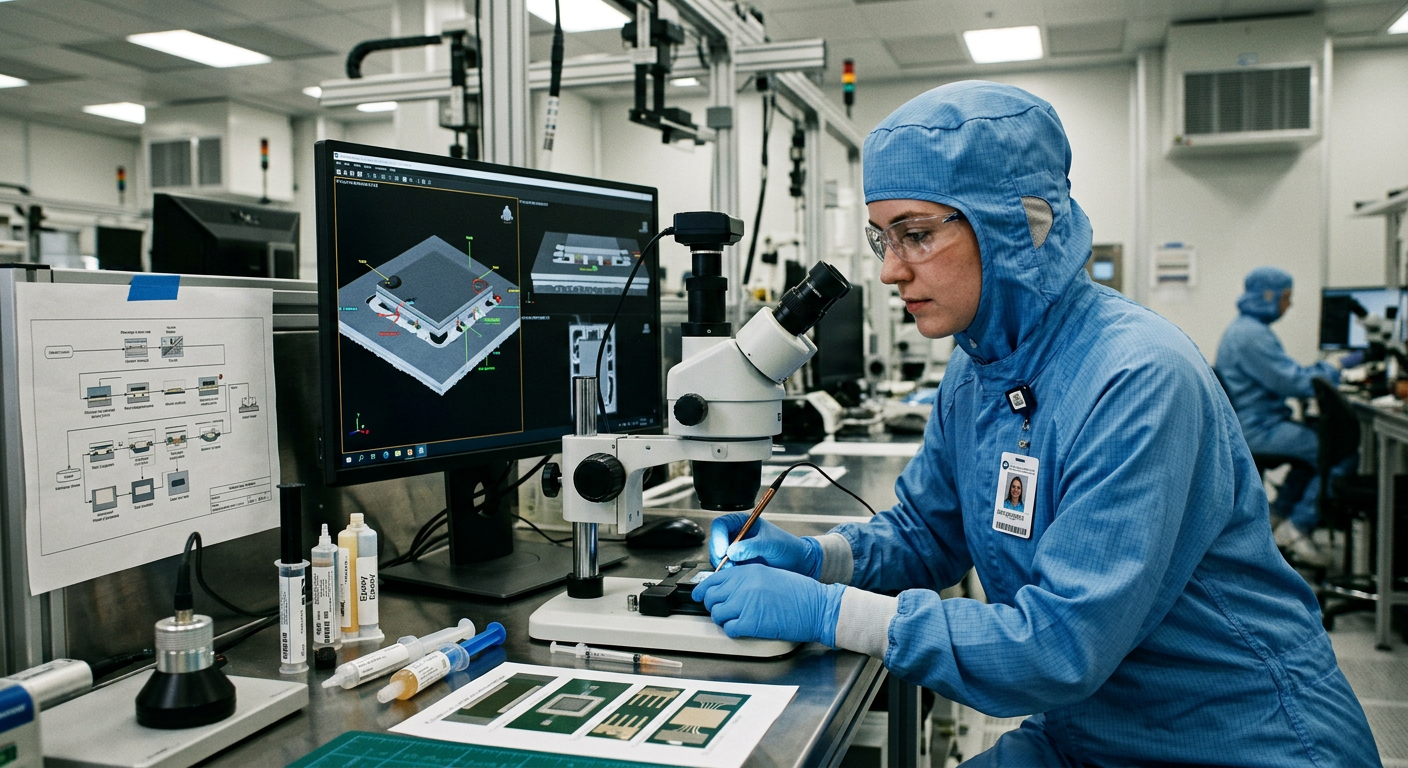
Learn how IC packaging adhesive void formation is prevented in the United States through material choice, process control, supplier selection, and testing.
-
Underfill Fillet Height Control and Inspection Techniques
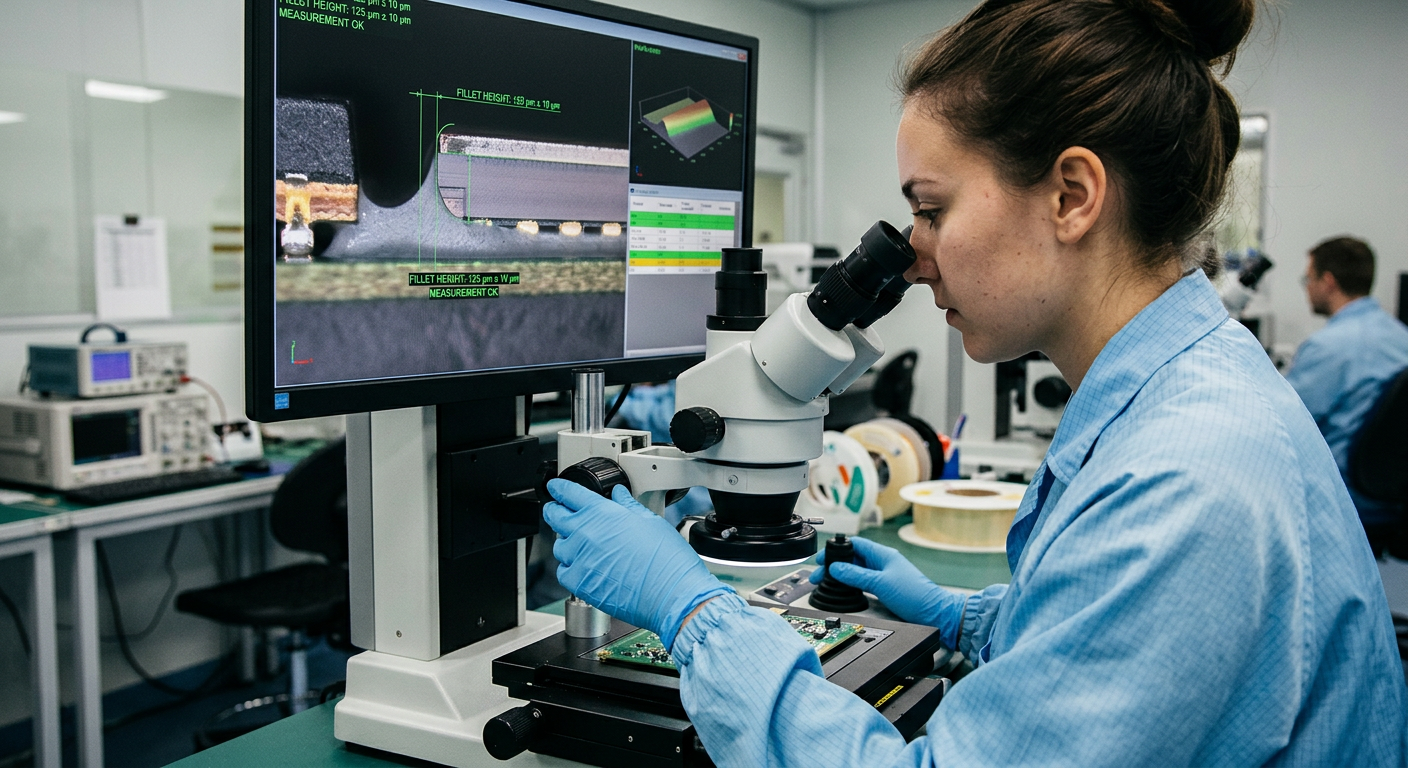
Learn underfill fillet height control in the United States with inspection methods, supplier options, process limits, and practical buying guidance.
-
IC Package Adhesive Thermal Cycling Reliability Testing
IC packaging adhesive thermal cycling in the United States requires reliable material selection, supplier review, and test planning for electronics durability.
-
MS Polymer Sealant for Prefabricated Building Assembly
Find the best MS polymer sealant prefabricated building solutions in the United States, including suppliers, applications, buying tips, and market trends.
 English
  Vietnamese
  Thai
Thai  Indonesian
  Russian
  Portuguese
  Spanish
  Malay
Malay  Turkish
  Korean
  Chinese