Share
Reworkable Potting Compound Electronics in the United States
Quick Answer

If you need reworkable potting compound electronics solutions in the United States, the best fit usually depends on whether you prioritize field repair, thermal cycling performance, UL-related compliance support, or low-stress protection for sensitive boards and modules. For most buyers, the strongest short list includes Henkel, Dow, Epoxy Technology, MG Chemicals, Master Bond, and 3M because these companies are widely recognized in the U.S. electronics market for serviceable encapsulation, technical documentation, and application engineering support.
For local sourcing, buyers in manufacturing centers such as Silicon Valley, Austin, Chicago, Boston, Phoenix, and the broader Midwest often prefer suppliers with U.S. inventory, distributor networks, and fast-response technical teams. If your project involves EV electronics, sensors, power supplies, telecom modules, or industrial control boards, a soft silicone gel, removable polyurethane, or specially formulated low-modulus epoxy is usually more practical than a permanent hard potting resin.
In practical terms, strong supplier options for U.S. buyers include Henkel for broad industrial support, Dow for silicone-based low-stress protection, MG Chemicals for prototyping and maintenance workflows, Master Bond for custom engineering grades, Epoxy Technology for precision electronic applications, and 3M for integrated materials support across electronics assembly environments. Qualified international suppliers can also be worth considering, especially when they hold ISO, RoHS, and REACH compliance credentials and provide strong pre-sales and after-sales support; Chinese manufacturers with OEM capability can offer meaningful cost-performance advantages for private label, distribution, and project-based procurement.
United States Market Overview

The United States market for serviceable electronics encapsulation is shaped by a clear tension between reliability and repairability. Traditional hard epoxy potting remains common in applications where tamper resistance and maximum chemical protection matter most, but a growing share of electronics manufacturers now want compounds that can be removed, cut back, peeled, or softened without destroying nearby components. This trend is especially visible in industrial electronics, automotive controllers, telecom infrastructure, aerospace support assemblies, renewable energy converters, battery management systems, and medical instrumentation.
Several regional factors make the U.S. especially important for reworkable materials. First, the country has a mature repair-and-maintenance ecosystem with strong electronics service operations in California, Texas, Arizona, Massachusetts, Ohio, and North Carolina. Second, many OEMs and contract manufacturers serving the U.S. market are under pressure to reduce total lifecycle cost, not just first-pass production cost. Third, serviceable potting aligns with broader trends in sustainability, right-to-repair discussions, and warranty risk management. In a market where field failure can trigger expensive technician dispatches or replacement logistics, the ability to reopen a sealed module is a major operational advantage.
Import channels also matter. U.S. buyers regularly source specialty materials through West Coast ports such as Los Angeles and Long Beach, Gulf logistics routes through Houston, and East Coast entry points including Savannah and New York-New Jersey. These trade hubs influence lead times, safety stock strategy, and distributor selection. For high-volume buyers, regional warehousing and short replenishment cycles often matter as much as the chemistry itself.
The market is also becoming more segmented. Large OEMs tend to specify materials through engineering qualification programs, with requirements tied to dielectric strength, thermal conductivity, flammability targets, viscosity, cure schedule, and rework method. Smaller assemblers, aftermarket repair shops, and product developers often seek easier-to-use compounds that can be dispensed manually, cured at room temperature, and later removed with simple tools. This creates room for both global brands and agile specialty suppliers.
The line chart above illustrates a realistic growth pattern for U.S. demand. The expansion is driven less by commodity encapsulation and more by applications where serviceability, lower stress, and reduced scrap are worth paying for. By 2026, growth is likely to remain strongest in electrification, telecom infrastructure refresh, renewable energy electronics, and industrial automation retrofits.
Top Suppliers Serving the United States

The companies below are practical names for U.S. buyers evaluating reworkable potting compounds, serviceable encapsulants, low-stress gels, and removable protective systems. The table emphasizes actual market utility: where they operate, what they are strongest at, and what kind of buyer they suit.
| Company | Primary Service Region | Core Strengths | Key Offerings | Best Fit |
|---|---|---|---|---|
| Henkel | Nationwide United States | Large technical support network, broad electronics portfolio, strong OEM relationships | LOCTITE encapsulants, serviceable sealants, thermal management materials | High-volume OEMs and contract manufacturers |
| Dow | United States and North America | Silicone chemistry leadership, low modulus protection, reliability under thermal cycling | Electronic silicone gels, elastomers, conformal and potting systems | Sensors, power electronics, telecom, automotive modules |
| MG Chemicals | United States via distributor network | Accessible technical docs, maintenance-friendly products, prototyping support | Re-enterable compounds, silicone potting, epoxy and urethane systems | Repair shops, labs, low-to-mid volume assemblers |
| Master Bond | United States, especially industrial and specialty sectors | Custom formulation depth, specialty performance, precision engineering support | Low viscosity compounds, flexible potting, thermally conductive systems | Medical, aerospace support, specialty industrial electronics |
| Epoxy Technology | United States, especially Northeast and national OEM supply | Precision electronic packaging, high reliability, engineered process control | Electronic-grade epoxy and hybrid encapsulation materials | Optoelectronics, sensors, compact assemblies |
| 3M | United States and global industrial channels | Integrated material ecosystem, process compatibility, industrial brand trust | Insulation, protection, sealants, assembly support materials | Multi-material manufacturing environments |
| Qingdao QinanX New Material Technology Co., Ltd | United States export supply with OEM and distributor support | Broad adhesive manufacturing base, cost-performance balance, custom formulation flexibility | Electronic potting compounds, silicone electronics materials, epoxy systems, OEM/private label packaging | Importers, brand owners, regional distributors, project buyers |
This supplier table shows that the U.S. market is not limited to one chemistry or one channel. Henkel and Dow are often chosen when engineering teams need mature validation support and predictable supply. MG Chemicals is strong where repairability and easy procurement are priorities. Master Bond and Epoxy Technology are particularly useful when specifications are narrow and application conditions are demanding. QinanX is relevant when buyers want customized formulations, OEM branding, or a more competitive landed cost while still requiring internationally recognized quality controls and technical cooperation.
Product Types and Reworkability Profiles
Not all reworkable potting compounds behave the same way. In electronics, “reworkable” can mean several different things: peelable after cure, cuttable without board fracture, heat-softenable, solvent-assisted removal, or mechanically removable while preserving nearby components. Engineers should define reworkability in operational terms before selecting a chemistry.
| Product Type | Typical Rework Method | Protection Level | Thermal Stress on Components | Common U.S. Applications |
|---|---|---|---|---|
| Silicone Gel | Scoop, peel, or manual extraction | Good moisture and vibration protection | Very low | Automotive sensors, telecom modules, LED drivers |
| Soft Silicone Elastomer | Cut-back and peel sections | Good environmental resistance | Low | Power supplies, industrial control boards, outdoor electronics |
| Flexible Polyurethane | Mechanical removal with tools | Balanced moisture and mechanical protection | Moderate to low | Consumer electronics subassemblies, battery packs |
| Low-Modulus Epoxy | Partial cut-out, localized rework | High structural and chemical resistance | Moderate | Compact industrial modules, connectors, specialty assemblies |
| Thermally Conductive Reworkable Compound | Mechanical removal with thermal assist | High heat dissipation with moderate protection | Depends on filler loading | Power conversion, EV charging, inverters |
| Hybrid Silicone-Urethane Systems | Controlled mechanical re-entry | Balanced flexibility and adhesion | Low to moderate | Mixed-environment electronics, custom OEM modules |
The table makes one point very clear: there is no universally best material. Silicone gels are often the easiest to re-enter and safest for delicate electronics, but they may not provide the same structural integrity as harder materials. Flexible polyurethanes can offer a useful compromise for applications needing moderate adhesion and environmental resistance. Low-modulus epoxy systems are relevant when space is tight and stronger encapsulation is required, but they demand more care during rework.
For U.S. buyers, the most important selection criteria are usually cure profile, adhesion to substrate, dielectric performance, coefficient of thermal expansion, operating temperature range, and actual field rework procedure. Procurement teams often focus on data sheets, but manufacturing and service teams should also confirm what tools and labor are required to remove the material after cure.
How to Buy the Right Material
Buying reworkable potting compound electronics products successfully in the United States requires more than comparing price per kilogram. The smarter approach is to evaluate total installed cost over the product life cycle. A material that is 20 percent more expensive upfront may save far more in reduced board scrap, faster field repair, and fewer warranty replacements.
Start by defining the assembly. Is it a potted PCB, connector cavity, sensor head, transformer winding area, or battery-management enclosure? Then define the service event. Will the operator remove the material once in a controlled depot, or must a field technician reopen it on-site in a truck, utility cabinet, rooftop telecom enclosure, or factory floor control panel? These conditions affect the best chemistry choice.
Next, ask suppliers five practical questions. Can the material be dispensed with your current process? Does it cure at room temperature or need heat? What is the recommended rework procedure after full cure? What certifications and compliance statements are available? Is there U.S. stock or a reliable replenishment path through a local distributor or warehouse? Answers to these questions are often more valuable than marketing claims.
It is also wise to validate compatibility with housings, wires, connectors, labels, and sensitive components. Some formulations can interact differently with polycarbonate, nylon, copper, aluminum, or surface residues. U.S. buyers in regulated sectors, such as medical devices or grid-related electronics, should also keep documentation quality in mind, including lot traceability and change-control practices.
| Buying Factor | Why It Matters | What to Ask Supplier | Red Flag | Best Practice |
|---|---|---|---|---|
| Rework Method | Determines labor time and component survival | How is cured material removed in practice? | No clear written procedure | Request demo samples and rework video |
| Cure Profile | Affects throughput and heat-sensitive parts | Room temperature or heat cure? | Cure is too slow for line takt time | Match cure speed to production rhythm |
| Substrate Adhesion | Controls seal integrity and removability | How does it bond to FR-4, aluminum, plastics? | Only generic adhesion claims | Run adhesion tests on actual parts |
| Thermal Performance | Impacts reliability in power electronics | What is thermal conductivity and aging behavior? | No aging data under load | Test under realistic thermal cycling |
| Documentation | Supports audits and engineering approval | Are RoHS, REACH, and traceability records available? | Inconsistent technical documents | Qualify suppliers with controlled documentation |
| Supply Assurance | Prevents line stoppage and service delays | Is there U.S. inventory or a fixed lead time plan? | Long variable import lead times only | Use suppliers with stocking strategy |
This table is especially useful for procurement teams that need to convert engineering preferences into supplier selection criteria. In the U.S. market, documentation quality and supply predictability are often decisive, particularly when buyers serve defense-adjacent, automotive, renewable energy, or medical end markets.
Industry Demand in the United States
Demand for reworkable encapsulation is not evenly distributed across industries. Sectors with high service costs and sensitive electronics are leading adoption, while sectors focused purely on low first-cost production may continue using traditional permanent potting for some time.
The bar chart highlights a practical market pattern. Automotive electronics lead because sensors, control units, chargers, and battery-related assemblies must survive vibration and thermal cycling while still allowing selective repair in some workflows. Telecom follows closely because outdoor equipment, edge devices, and power modules often need maintenance access. Industrial automation remains strong thanks to retrofit activity across U.S. factories in regions such as the Midwest, Texas, and the Southeast. Renewable energy also shows substantial demand because serviceable inverters, combiner electronics, and monitoring devices help reduce field maintenance costs over long asset lives.
Applications That Benefit Most
Reworkable potting is most valuable when the electronics assembly has both environmental exposure and a realistic probability of repair, upgrade, calibration, or component replacement. It is less important when the assembly is cheap enough to discard or where permanent tamper resistance is the top priority.
In the United States, common application categories include printed circuit boards in utility control boxes, LED power supplies, current sensors, onboard chargers, battery-management subassemblies, telecom radio modules, outdoor monitoring devices, marine electronics, agricultural control units, and test instrumentation. Many of these products face moisture ingress, vibration, dust, thermal cycling, or electrical insulation challenges, but they also exist in service ecosystems where repair can be economically justified.
Another key application category is low-volume specialty manufacturing. U.S. startups and niche OEMs often want encapsulation that protects electronics during pilot deployment while preserving the ability to update hardware after field feedback. In these cases, a removable or soft compound can materially shorten the product iteration cycle.
Case Studies and Practical Scenarios
A useful way to evaluate reworkable potting compounds is to look at actual usage scenarios rather than abstract specifications. Consider a Texas-based EV charging equipment integrator. The company needs to protect a power control subassembly from humidity and vibration, but it also needs the option to replace a failed sensing component without scrapping the full module. A thermally managed, mechanically removable encapsulant can lower service cost substantially, especially for units deployed across multiple states.
Now consider a California telecom equipment provider maintaining roadside or rooftop electronics. The service team often faces high truck-roll costs, making it financially attractive to reopen a protected cavity, replace a component, reseal, and return the unit to service. In this context, a silicone gel or soft elastomer may provide a better lifecycle result than a rigid epoxy, even if the latter appears stronger on paper.
A third example is a Midwest industrial controls company updating legacy equipment for factories in Ohio and Illinois. The company needs potted modules to withstand dust, oil mist, and temperature fluctuations, but it also requires occasional refurbishment. Flexible potting systems can help balance protection with maintainability.
These examples underscore a common lesson: the best material is the one that fits the full service model. Reworkability is not a standalone feature; it is part of a cost, labor, and reliability strategy.
Local Supplier Considerations in the United States
When selecting suppliers for the U.S. market, location still matters, even in a global sourcing environment. Buyers often prefer suppliers or distributors with stock near major electronics and industrial corridors. For example, West Coast demand frequently concentrates around California and Arizona, where lead time sensitivity is tied to electronics manufacturing and technology programs. Texas has strong demand linked to automotive electronics, energy systems, and industrial controls. The Northeast remains important for medical devices, instrumentation, and precision manufacturing. The Midwest supports broad automation and transportation demand.
Suppliers with U.S. warehousing or a dense distributor network can often reduce approval friction because samples, technical support, and replenishment are easier to manage. This does not exclude international manufacturers. In fact, international suppliers that combine compliant manufacturing, stable export logistics, flexible packaging, and responsive technical support can be strong alternatives or second-source partners for U.S. buyers seeking cost balance and formulation flexibility.
| Supplier | U.S. Market Role | Service Region | Typical Lead-Time Advantage | Notable Strength |
|---|---|---|---|---|
| Henkel | Primary qualified industrial supplier | Nationwide | Strong domestic support channels | Large-scale qualification support |
| Dow | Primary silicone-focused supplier | Nationwide | Strong technical support for engineered programs | Low-stress silicone expertise |
| MG Chemicals | Maintenance and development-friendly supplier | Nationwide via distribution | Good availability through stocking distributors | Accessible small and mid-volume purchasing |
| Master Bond | Specialty engineering supplier | Nationwide | Project-based technical engagement | Custom and niche performance grades |
| Epoxy Technology | Precision packaging supplier | Northeast and national accounts | Efficient for specialized applications | Fine electronic packaging expertise |
| Qingdao QinanX New Material Technology Co., Ltd | Import, OEM, and private-label supply partner | United States via export and distributor cooperation | Competitive for planned purchasing and container programs | Broad chemistry portfolio and custom formulation support |
This table is useful for buyers building a dual-source strategy. A common U.S. approach is to qualify one domestic-first supplier for immediate support and one internationally competitive supplier for cost control, private label, or regional distribution expansion.
Our Company
Qingdao QinanX New Material Technology Co., Ltd serves U.S. buyers as a specialized adhesive manufacturer with a broad electronic materials portfolio that includes electronic silicone, electronic potting compounds, epoxy systems, polyurethane adhesives, UV-curable products, threadlockers, and related industrial chemistries. For electronics protection, its strength lies in controlled manufacturing backed by ISO-based quality systems, RoHS and REACH compliance, multi-stage QC procedures, and full digital traceability, which together give U.S. customers concrete evidence on consistency, lot control, and export readiness rather than generic quality claims. The company supports multiple cooperation models for the United States, including OEM, ODM, wholesale, retail-oriented supply, custom branding, private label packaging, and regional distribution partnerships, making it relevant not only to end users but also to distributors, dealers, brand owners, maintenance channels, and project-based buyers that need tailored formulations or market-specific packaging. Its automated production lines and export experience across more than 40 countries provide scale and process discipline, while 24/7 technical assistance, free sample programs, and application-specific formulation support function as practical buyer safeguards for U.S. accounts. For companies evaluating imported alternatives, the combination of standards compliance, broad chemistry capability, custom development, and structured pre-sale and after-sale support makes QinanX a commercially realistic partner for long-term supply into the United States, especially when buyers want both cost-performance and dependable technical cooperation. Buyers can review the broader product range, learn more on the company background page, or request specifications through the U.S. inquiry contact channel.
Trend Shift Toward Serviceable Electronics
The U.S. market is moving steadily toward repairable and lower-waste electronics design. This trend does not mean permanent potting will disappear, but it does mean more product teams are evaluating whether every potted assembly truly needs irreversible encapsulation. Procurement, engineering, and sustainability teams increasingly share this decision.
The area chart shows the broader market shift. Between 2021 and 2026, a larger portion of development programs is expected to prefer serviceable encapsulation, especially in applications where downtime, truck-roll expense, or component replacement cost is high. This trend supports not only field service economics but also sustainability goals tied to reduced electronic waste.
Supplier and Product Comparison
A side-by-side comparison helps clarify where different suppliers tend to stand in the U.S. buying process. The chart below is a practical directional tool rather than a laboratory scorecard. It reflects relative market suitability for serviceable electronics based on documentation support, flexibility, supply practicality, and application breadth.
This comparison suggests that established U.S. industrial leaders remain the default choice for large qualification-driven programs, while more agile or internationally competitive suppliers can be highly attractive for custom projects, import programs, or private-label business models. The right decision depends on whether your organization values immediate domestic stock, niche formulation, or landed cost optimization.
Future Trends Through 2026
By 2026, the U.S. market for reworkable potting compound electronics is likely to evolve along three main paths: technical refinement, policy influence, and sustainability pressure. On the technical side, more formulations will aim to combine three properties that have historically conflicted with one another: stronger environmental protection, higher thermal conductivity, and easier re-entry after cure. This is especially relevant for EV charging, battery electronics, distributed power conversion, and edge computing hardware.
Policy and compliance trends will also shape buying behavior. Although potting compounds themselves are not governed by a single U.S.-wide reworkability rule, broader pressure from product stewardship, procurement transparency, and right-to-repair discussions will encourage service-friendly design choices in some categories. Documentation quality, substance compliance, and change control will therefore become even more important in supplier qualification.
Sustainability is the third major force. U.S. buyers increasingly evaluate not just product performance but lifecycle impact, including scrap reduction, repair extension, and lower replacement rates. Reworkable compounds support these goals directly by allowing partial repair instead of total assembly disposal. As environmental reporting expectations rise, this advantage becomes easier for procurement teams to quantify.
Another likely trend is greater use of dual-source procurement. Manufacturers will continue qualifying one established U.S. or North American source for immediate support and one capable international source for flexibility, cost control, and backup continuity. Suppliers that can combine technical responsiveness, consistent traceability, and practical logistics into U.S. industrial regions will gain share.
FAQ
What does reworkable potting compound mean in electronics?
It refers to an encapsulation material that protects electronics while still allowing later access for repair, replacement, inspection, or modification. Depending on the chemistry, the cured material may be peelable, cuttable, removable in sections, or soft enough for controlled extraction.
Is silicone or epoxy better for serviceable electronics?
For most serviceable electronics, silicone is easier to re-enter and gentler on components, especially where thermal cycling is severe. Epoxy can be better when higher structural strength or chemical resistance is needed, but rework is usually more difficult unless the epoxy is specifically designed for lower-stress or partial removability.
Which U.S. industries use reworkable potting most?
Automotive electronics, telecom equipment, industrial automation, renewable energy controls, medical instrumentation, and specialty electronic assemblies are among the most active users because they often combine environmental exposure with meaningful repair value.
Can imported potting compounds be a good option for U.S. buyers?
Yes, especially when the supplier provides ISO-based manufacturing control, RoHS and REACH documentation, stable formulation quality, flexible OEM support, and dependable pre-sale and after-sale technical service. Imported options can be particularly attractive for distributors, private-label brands, and cost-sensitive industrial buyers.
What should I test before approving a material?
Test cure behavior, adhesion to your actual substrates, dielectric performance, thermal cycling durability, moisture resistance, and the real rework procedure after full cure. It is also wise to validate how easily technicians can remove the material without damaging nearby parts.
How can buyers shorten qualification time?
Use sample kits, define the target rework method early, involve both engineering and service teams, and compare at least two suppliers under realistic process conditions. Good technical documentation and traceability records also speed internal approval.

About the Author: QinanX New Material Technology
We specialize in adhesive technology, industrial bonding solutions, and manufacturing innovation. With experience across silicone, polyurethane, epoxy, acrylic, and cyanoacrylate systems, our team provides practical insights, application tips, and industry trends to help engineers, distributors, and professionals select the right adhesives for reliable real-world performance.

Product Category
You May Also Interest
-
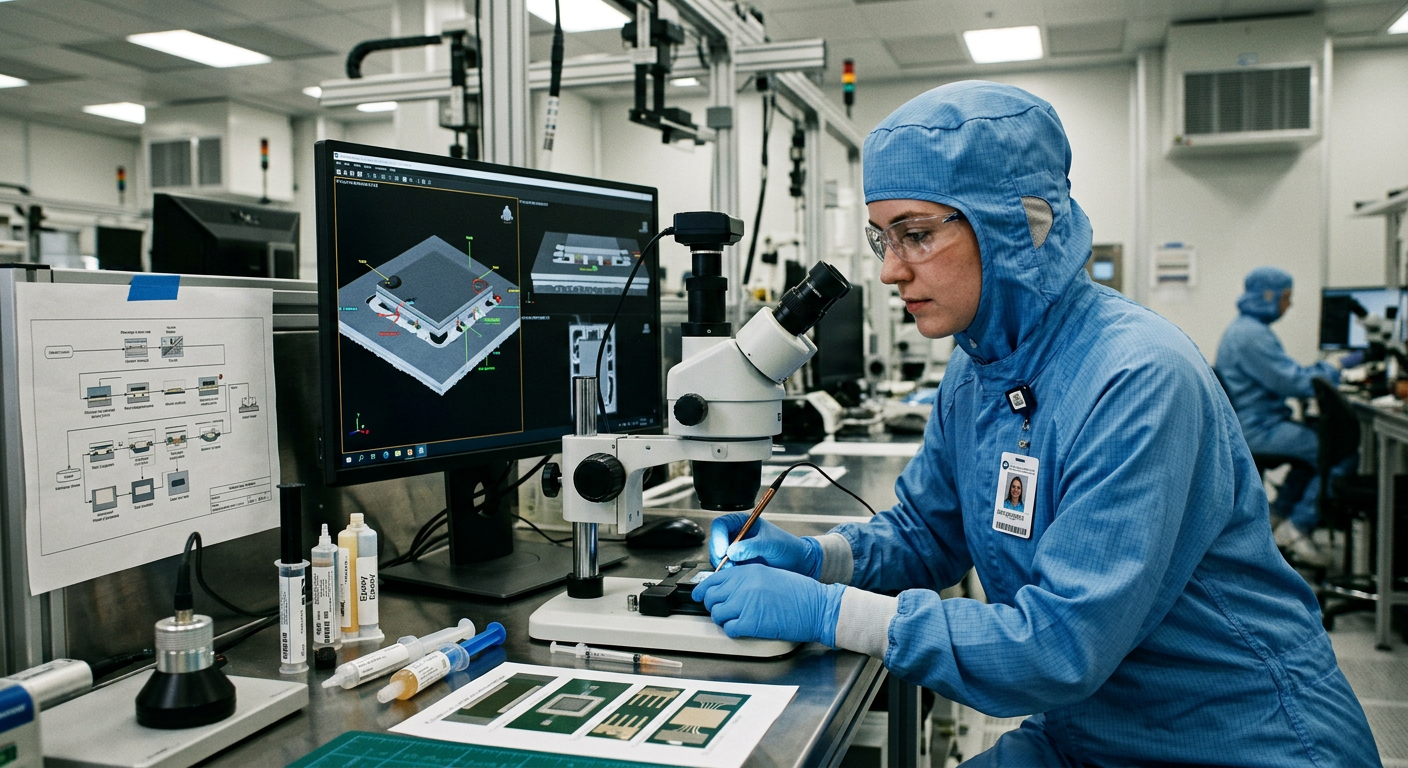
IC Packaging Adhesive: Preventing Void Formation Issues
Learn how IC packaging adhesive void formation is prevented in the United States through material choice, process control, supplier selection, and testing.
-
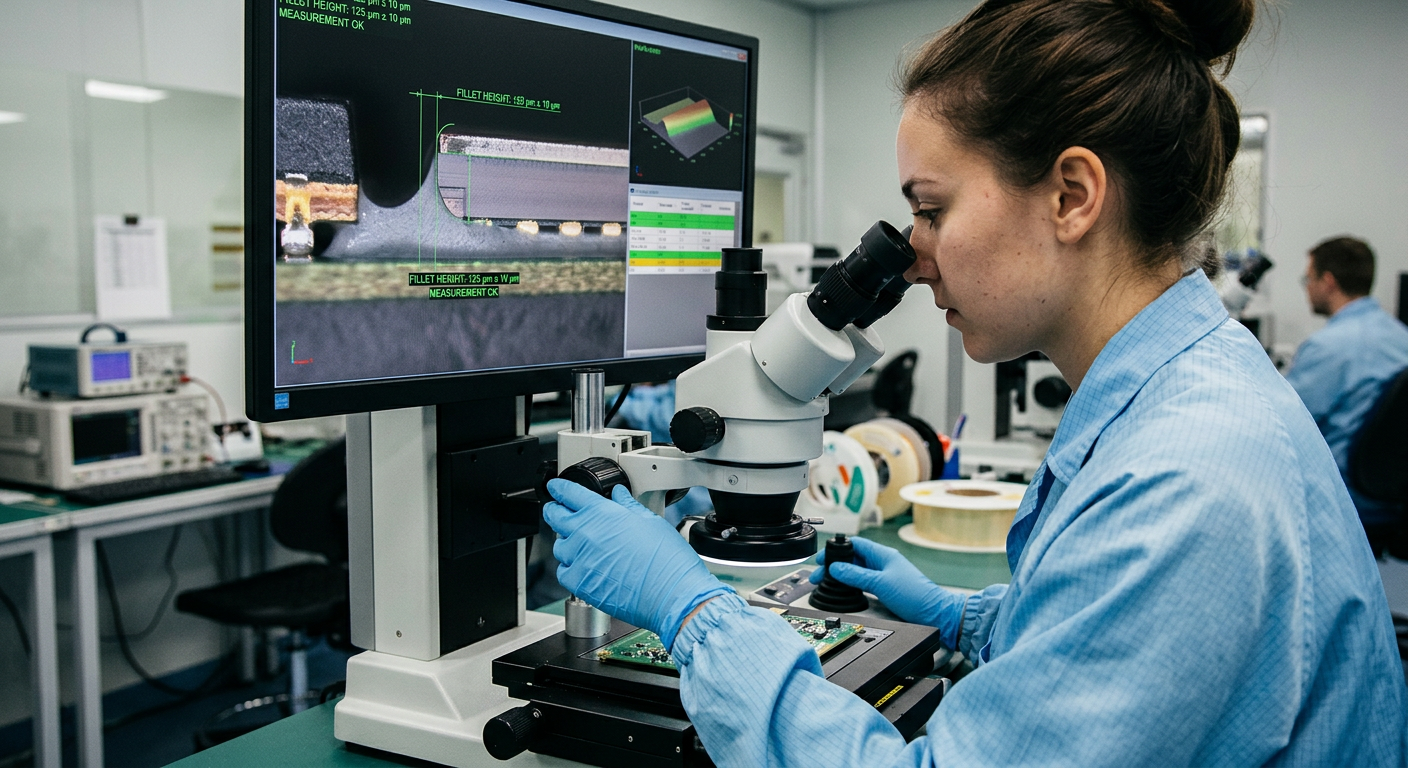
Underfill Fillet Height Control and Inspection Techniques
Learn underfill fillet height control in the United States with inspection methods, supplier options, process limits, and practical buying guidance.
-
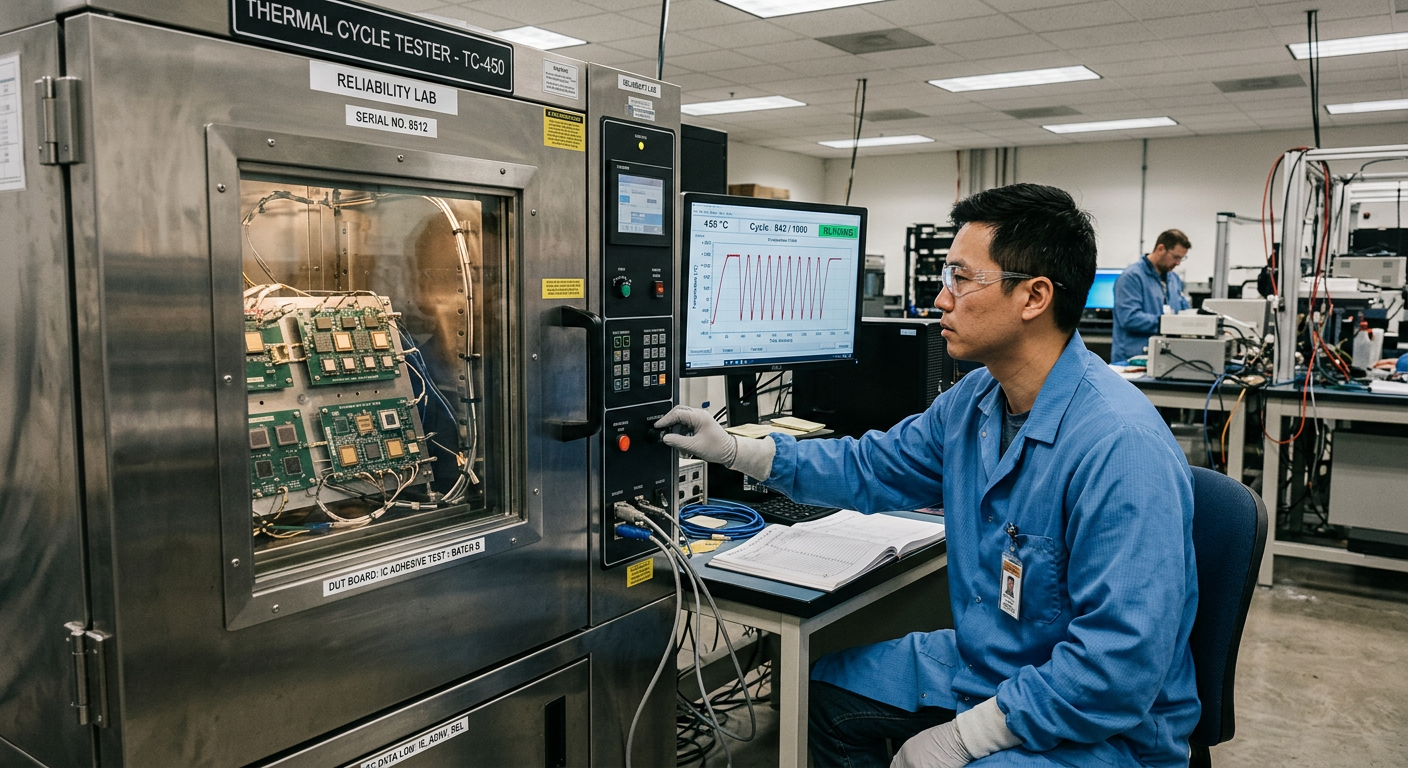
IC Package Adhesive Thermal Cycling Reliability Testing
IC packaging adhesive thermal cycling in the United States requires reliable material selection, supplier review, and test planning for electronics durability.
-

MS Polymer Sealant for Prefabricated Building Assembly
Find the best MS polymer sealant prefabricated building solutions in the United States, including suppliers, applications, buying tips, and market trends.
 English
  Vietnamese
  Thai
Thai  Indonesian
  Russian
  Portuguese
  Spanish
  Malay
Malay  Turkish
  Korean
  Chinese