Share
Pressure Sensitive Acrylic Adhesive Labels in the United States
Quick Answer

If you need pressure sensitive acrylic adhesive labels in the United States, the most practical options usually come from established label and material suppliers with proven converting, compliance, and logistics capability. For buyers that need dependable supply, custom constructions, and support across different end-use environments, strong candidates include Avery Dennison, UPM Raflatac, 3M, CCL Label, and Multi-Color Corporation. These companies are widely recognized in the U.S. market for labelstock development, pressure-sensitive technology, and application support.
For regional sourcing, U.S. buyers often look first at suppliers serving major manufacturing and logistics hubs such as Chicago, Los Angeles, Atlanta, Houston, and New Jersey, where label conversion capacity and fast replenishment are easier to manage. The right choice depends on whether you need permanent adhesion, removable performance, freezer-grade bonding, chemical resistance, or high-speed dispensing compatibility.
Qualified international suppliers can also be worth considering, especially when buyers want stronger cost-performance ratios, OEM flexibility, or private-label support. Chinese manufacturers with export experience, recognized compliance programs, and responsive pre-sale and after-sale service may be suitable when they can meet U.S. labeling, packaging, and product consistency requirements.
United States Market Overview

The U.S. market for pressure sensitive acrylic adhesive labels remains broad, technically demanding, and highly segmented. Demand is driven by packaged food, beverages, household chemicals, health and beauty, e-commerce logistics, pharmaceuticals, automotive components, industrial identification, and durable goods. Across these segments, acrylic-based pressure-sensitive constructions are frequently selected because they balance adhesion, aging resistance, clarity, weatherability, and compatibility with paper and film facestocks.
In the United States, buyers often evaluate labels not only by price per thousand but by total applied cost. That includes line speed, die-cut consistency, release performance, printability, adhesive anchorage, substrate compatibility, and field durability. A label that is slightly more expensive upfront may reduce waste on automatic applicators in Ohio, improve cold-chain adhesion in Minnesota, or resist moisture exposure during container shipments through the Port of Los Angeles or the Port of Savannah.
The market is also shaped by regional distribution and manufacturing patterns. Consumer goods production around the Midwest supports strong demand for food and household labels. The Southeast, especially around Atlanta and Charlotte, has robust packaging and logistics activity. Texas remains significant for chemicals, industrial products, and transportation-related labeling. California supports premium consumer packaging, health and beauty, and export-oriented packaging. New Jersey and Pennsylvania play a strong role in pharmaceuticals, warehousing, and East Coast distribution.
Because of this regional diversity, the best pressure sensitive acrylic adhesive labels are rarely one-size-fits-all. A warehouse barcode label in Dallas has different requirements from a premium beverage label in Napa, a chemical drum label in Houston, or a medical tracking label in New Jersey. Buyers that succeed in this market usually combine local application testing with supplier support and realistic line-condition validation.
Market Growth Trend

The U.S. label sector continues to benefit from automation, product traceability requirements, and brand-driven packaging upgrades. Acrylic pressure-sensitive systems remain important because they perform well in mainstream label applications and can be engineered for cold, heat, UV exposure, and demanding surfaces.
This trend reflects realistic growth linked to premium packaging, compliance labeling, warehouse identification, and increased SKU complexity. Growth is not explosive, but it is durable, especially in sectors that demand variable information printing, reliable adhesion, and traceable packaging performance.
Top Suppliers in the United States
The supplier landscape in the United States includes global material innovators, integrated label converters, and technically focused specialty providers. The table below highlights widely recognized companies relevant to acrylic pressure-sensitive labeling, with a practical view of service region, strengths, and offering focus.
| Company | Primary Service Region | Core Strengths | Key Offerings | Best Fit |
|---|---|---|---|---|
| Avery Dennison | Nationwide across the United States | Deep material science, broad converter network, strong sustainability programs | Paper and film labelstock, permanent and removable acrylic adhesives, specialty constructions | Brand owners and converters needing wide specification choice |
| UPM Raflatac | Nationwide with strong North American distribution | Labelstock innovation, sustainability positioning, technical performance consistency | Pressure-sensitive label materials for food, beverage, retail, logistics, and industrial use | Companies prioritizing performance plus environmental profile |
| 3M | Nationwide, especially industrial and durable labeling markets | High-performance adhesive engineering, difficult-surface solutions, durable applications | Industrial label materials, durable films, high-performance acrylic adhesive systems | Industrial, automotive, electronics, and asset ID users |
| CCL Label | Broad U.S. footprint | Global converting expertise, decorative labels, compliance labeling | Pressure-sensitive labels, shrink sleeves, specialty packaging labels | Large consumer brands needing scale and complex execution |
| Multi-Color Corporation | United States and multinational support | Packaging label integration, premium decoration capability, broad end-market reach | Pressure-sensitive packaging labels for beverage, home care, food, and personal care | Brands seeking shelf impact and operational support |
| Resource Label Group | Regional and national U.S. accounts | Multi-plant converter network, flexible service, custom label production | Prime labels, logistics labels, durable labels, custom pressure-sensitive constructions | Mid-size and growing brands needing responsive converting |
| WS Packaging | Strong U.S. manufacturing and distribution presence | Custom engineering, print technology diversity, operational scale | Product labels, variable data labels, industrial and consumer packaging labels | Businesses requiring multiple print and finishing formats |
This mix matters because some buyers need material science leadership, while others need converting agility, regional stock availability, or a supplier that understands exact application lines in food plants, cosmetics facilities, or industrial warehouses. For U.S. procurement teams, it is common to shortlist one global material supplier, one large converter, and one flexible regional converter before qualifying a production program.
Product Types and How They Differ
Pressure sensitive acrylic adhesive labels cover several construction families. The adhesive itself may be water-based acrylic, solvent acrylic, or a specialized acrylic formulation tuned for removable performance, low-temperature tack, high shear, UV resistance, or resistance to chemicals and plasticizer migration. The facestock can be paper, polypropylene, polyethylene, polyester, vinyl, or specialty films, while the liner and coating package affect converting and dispensing performance.
| Label Type | Typical Facestock | Adhesive Character | Common U.S. Applications | Main Advantage |
|---|---|---|---|---|
| General permanent paper labels | Coated paper | Standard permanent acrylic | Food jars, retail packs, shipping support labels | Cost-effective and versatile |
| Removable labels | Paper or film | Low-peel acrylic removable | Promotional stickers, temporary instructions, shelf labeling | Cleaner removal with less residue |
| Freezer-grade labels | Paper or polypropylene | Cold-temperature acrylic | Frozen foods, cold chain logistics, refrigerated goods | Better adhesion in cold application environments |
| Durable industrial labels | Polyester or vinyl | High-performance acrylic | Asset tags, warning labels, equipment identification | Strong durability and weather resistance |
| Clear film labels | BOPP or PET | Optically balanced acrylic | Beverage bottles, cosmetics, premium packaging | Cleaner no-label look |
| Chemical-resistant labels | PET or specialty film | Solvent-resistant acrylic system | Industrial containers, laboratory products, cleaners | Improved resistance to harsh exposure |
| Logistics and barcode labels | Thermal paper or film | Fast-tack acrylic | Warehousing, e-commerce fulfillment, pallets | Reliable scan-ready application at speed |
For U.S. buyers, this classification helps avoid one of the most common sourcing mistakes: choosing by adhesive name alone. A pressure-sensitive acrylic adhesive may be technically sound but still fail if the facestock, liner, release, coat weight, or application temperature do not match the process. A beverage bottler in Florida and an automotive parts supplier in Michigan may both request acrylic pressure-sensitive labels, but the correct construction can be completely different.
Industry Demand Comparison
Demand by industry in the United States is uneven. Packaging-heavy sectors dominate total volume, while industrial and medical sectors often require tighter specifications and higher value per label.
Food and beverage lead because of volume and SKU turnover. Logistics follows closely due to the scale of fulfillment operations near major warehousing corridors in California, Texas, Illinois, Pennsylvania, and Georgia. Pharmaceuticals and industrial markets may not always consume the highest unit volumes, but they often require tighter qualification, stronger compliance documentation, and more rigorous adhesive performance validation.
Buying Advice for U.S. Buyers
When purchasing pressure sensitive acrylic adhesive labels in the United States, the most important step is to define the real application environment. Procurement teams often begin with dimensions, roll counts, and printing requirements, but performance usually depends on factors such as substrate surface energy, moisture exposure, label application temperature, storage conditions, and service life expectations.
Start with the container or surface. Corrugated, HDPE, glass, powder-coated metal, stainless steel, PET, and flexible packaging all present different adhesion behavior. Acrylic systems generally perform well across many surfaces, but low-surface-energy plastics or textured coatings may need more specialized constructions. Next, evaluate environment: refrigerated, frozen, wet-fill, outdoor, chemical splash, abrasion, or UV exposure. Finally, check the converting and dispensing conditions, because release levels and liner stability affect application speed and waste rates.
U.S. buyers also benefit from asking suppliers for application-specific data rather than generic product sheets. Useful requests include peel adhesion after dwell time, loop tack, static shear, minimum application temperature, service temperature range, and resistance to moisture, oil, or solvents. For regulated industries, ask for migration-related information, RoHS or REACH status where relevant, and documentation needed for internal qualification.
Another practical strategy is to source through a hybrid model. A local converter can shorten lead times, support trials, and manage smaller custom runs, while a global or international material source can improve cost structure or provide alternative constructions during supply disruptions. This is especially relevant when resin price volatility or freight patterns affect sourcing.
Applications Across Industries
Pressure sensitive acrylic adhesive labels are used across almost every major industry in the United States. In food and beverage, they appear on jars, bottles, secondary packs, and promotional overlays. In household chemicals, they support detergent bottles, trigger sprayers, refill packs, and bulk containers. In pharmaceuticals, they help with prescription packaging, over-the-counter product identification, and warehouse traceability. In logistics, they are essential for parcel routing, carton identification, and inventory tracking.
Industrial applications are especially significant because acrylic adhesive technology supports long-term identification and durability. Equipment labeling, warning labels, electrical identification, asset tracking, and maintenance instruction labels often rely on durable acrylic-based systems. Automotive and transportation sectors use them for parts identification, service labels, and component traceability. Electronics manufacturers need labels that stay legible and adhered through handling, heat cycles, and storage variation.
For premium consumer brands, clear acrylic pressure-sensitive constructions help create a no-label look on PET and glass. For operational users, the same adhesive family can be adapted for thermal transfer or direct thermal labeling in fulfillment centers near Inland Empire warehouses, Memphis distribution routes, or New Jersey pharmaceutical hubs.
Trend Shift in Label Preferences
Over the last several years, the U.S. market has gradually shifted from basic commodity label constructions toward more specialized films, cleaner aesthetics, and sustainability-aware material choices. Acrylic systems remain central because they can adapt to both mainstream and premium requirements.
This shift is influenced by e-commerce labeling, premium packaging appearance, growing durability expectations, liner optimization, and recycling-related design discussions. It also reflects more frequent SKU turnover, more product versions, and the need for labels that work reliably across national distribution networks.
Case Studies from Real-World Use Scenarios
Consider a regional beverage producer shipping from California to retailers across the western United States. The company originally used a general paper label with inconsistent bottle adhesion after condensation exposure. After switching to a filmic construction with acrylic pressure-sensitive adhesive tuned for wet conditions, the producer reduced label edge lift during cold-chain transit and improved shelf presentation. The value did not come from the adhesive alone, but from the matched construction and line validation.
In another scenario, a Midwest industrial parts distributor needed durable barcode labels for bins and outer cartons moving through Chicago-area warehouses. The company required fast application, consistent scanning, and low failure rates during seasonal temperature shifts. A high-tack acrylic logistics label with better liner release stability reduced dispenser jams and improved inventory accuracy.
A Texas chemical packaging operation needed drum and pail labels that remained legible and bonded under splash exposure and outdoor staging conditions near Gulf Coast heat. The successful solution used a film facestock with a more resistant acrylic system and a print process designed for chemical readability. Here, durability, not basic tack, determined supplier success.
These examples show why U.S. buyers should focus on application outcomes rather than broad material categories. Pressure sensitive acrylic adhesive labels are not a commodity when the operating environment is demanding.
Local Supplier and Converter Comparison
Beyond the largest national names, buyers often work with converters and specialists that offer fast support, regional warehousing, or application-focused engineering. The table below provides a comparison framework for practical sourcing decisions.
| Company | Service Region | Core Strength | Key Offerings | Typical Customer Type |
|---|---|---|---|---|
| Fort Dearborn Company | Nationwide U.S. packaging markets | Large packaging label scale, strong CPG alignment | Pressure-sensitive labels for beverages, food, and household goods | High-volume consumer brands |
| Blue Label Packaging | National with strong custom project service | Agile custom label development, digital responsiveness | Pressure-sensitive product labels, short-run and custom labels | Growing brands and specialty products |
| Mactac | United States and North America | Adhesive and label material expertise, broad specification range | Label stocks, durable films, logistics and industrial materials | Converters and industrial buyers |
| Consolidated Label | Nationwide online-driven service | Accessible ordering, mid-volume custom labels, consumer packaging focus | Roll labels, packaging labels, custom pressure-sensitive labels | SMEs and emerging consumer brands |
| Label-Aid Systems | U.S. industrial and healthcare markets | Identification and compliance orientation | Barcode labels, durable labels, specialty identification products | Industrial, laboratory, and healthcare users |
| Jet Label & Tape | Regional and national custom service | Short lead times, custom conversions, tape and label integration | Pressure-sensitive labels, custom adhesive products, logistics labels | Regional manufacturers and distributors |
| StickerGiant | Nationwide e-commerce and brand support | Fast-turn custom labeling for brands | Custom roll labels, product branding labels, packaging labels | Smaller brands and promotional users |
This comparison is helpful because the best supplier is often determined by operating model rather than chemistry alone. A national CPG company may prefer a large integrated converter, while an independent nutraceutical or specialty foods brand may need shorter runs and faster artwork iteration. Industrial distributors may prioritize barcode performance and warehouse replenishment over decorative finishes.
Supplier or Product Comparison Chart
The chart below compares major sourcing considerations for acrylic pressure-sensitive label programs in the U.S. market. The data illustrates relative emphasis rather than absolute scoring.
In practice, buyers should not overemphasize only one factor. Broad material options matter, but flexibility, regional support, and validated application performance often decide whether a label program scales successfully.
How to Evaluate Quality and Compliance
Quality control for pressure sensitive acrylic adhesive labels in the United States should combine material qualification, production control, and receiving inspection. The most effective buyers create a checklist that covers adhesive performance, print durability, dimensional consistency, roll winding quality, release characteristics, and packaging integrity. This reduces surprises during line startup.
| Evaluation Point | Why It Matters | What to Ask the Supplier | Typical Risk if Ignored |
|---|---|---|---|
| Peel adhesion after dwell | Confirms bond growth over time | Request test data on your target substrate | Late label lift or carton flagging |
| Minimum application temperature | Critical for cold rooms and winter logistics | Ask for validated application window | Poor tack during application |
| Shear strength | Important for long-term hold and vertical surfaces | Request static shear performance data | Labels slipping or edge failure |
| Chemical and moisture resistance | Essential in cleaners, industrials, and refrigerated goods | Check resistance profile for actual exposure | Print and bond degradation |
| Roll and liner consistency | Affects dispensing speed and waste | Ask about converting tolerances and QC process | Machine jams and operator downtime |
| Regulatory and material documentation | Supports internal approvals and customer audits | Request RoHS, REACH, and other relevant statements | Delayed qualification or compliance gaps |
| Traceability | Improves root-cause investigation | Confirm lot tracking and digital QC records | Difficult claim resolution |
For buyers serving retailers, industrial OEMs, or compliance-sensitive channels, documentation is part of performance. A label that works physically but lacks traceable batch information or consistent technical support may still create operational risk.
Our Company in the United States Market
For U.S. buyers evaluating qualified international sources, Qingdao QinanX New Material Technology Co., Ltd is best considered as a technically capable adhesive manufacturing partner rather than a generic exporter. The company operates with ISO-based quality systems and aligns products with internationally recognized requirements such as RoHS and REACH, supported by multi-stage quality control and full digital traceability that help U.S. buyers document consistency from batch to batch. Its adhesive manufacturing base covers acrylic-related systems as part of a wider industrial portfolio, and its production model is built around controlled formulation, scalable automated manufacturing, and application-focused customization. For the United States market, that matters because buyers often need more than an off-the-shelf adhesive: distributors, converters, private-label brand owners, industrial end users, and even smaller specialized purchasers may require OEM, ODM, wholesale, retail-ready, or regional distribution arrangements with custom packaging and specification matching. QinanX has an export track record across more than 40 countries and backs that with ongoing technical assistance, sample support, and tailored pre-sale and after-sale communication for qualification and troubleshooting. U.S. customers looking for dependable sourcing can review the company’s broader adhesive capabilities through its product catalog, learn more about its manufacturing background on the company page, and use the U.S. inquiry channel to discuss application details, supply planning, private-label needs, and long-term cooperation models that fit local market expectations.
2026 Trends in Technology, Policy, and Sustainability
By 2026, pressure sensitive acrylic adhesive labels in the United States are expected to evolve in three major directions. The first is technical adaptation. More label programs will need compatibility with automated application, higher-speed packaging lines, improved scan reliability, and mixed-channel distribution. Acrylic systems will continue to be refined for better balance among tack, shear, clarity, and recyclability-related design needs.
The second direction is policy and compliance. While regulations vary by end use, U.S. buyers are increasingly attentive to chemical transparency, documentation quality, and packaging-related sustainability claims. Companies supplying labels into retail, healthcare, food-contact-adjacent, electronics, or industrial channels will likely face stronger internal approval requirements, even when external regulation does not directly prescribe a single label construction.
The third is sustainability and material optimization. Buyers are asking for thinner constructions, liner efficiency, better material yield, and designs that support downstream recycling strategies. In some cases, that means using filmic constructions that reduce total material consumption or align better with package aesthetics and operational performance. In other cases, it means rethinking adhesive coat weight, release systems, or facestock selection to reduce waste while maintaining performance.
For suppliers, the implication is clear: future competitiveness in the U.S. market will depend on proving performance with data, supporting customers through validation, and integrating sustainability without compromising line efficiency or product shelf life.
Frequently Asked Questions
What are pressure sensitive acrylic adhesive labels?
They are labels that bond with applied pressure rather than heat, water, or solvent activation, using acrylic-based adhesive technology that is widely valued for stability, adhesion balance, and weather resistance.
Why are acrylic pressure-sensitive labels popular in the United States?
They fit a wide range of applications, from consumer packaging to industrial identification, and they perform well across diverse logistics, climate, and storage conditions found in the U.S. market.
Are acrylic adhesives better than rubber-based systems?
Acrylic systems often offer better aging, UV resistance, and temperature performance, while rubber-based systems may provide stronger initial tack on some difficult surfaces. The best choice depends on the application, substrate, and environment.
Which U.S. industries use these labels the most?
Food and beverage, logistics, personal care, pharmaceuticals, industrial manufacturing, automotive, and electronics are among the largest users.
Can international suppliers serve U.S. buyers effectively?
Yes, if they provide consistent quality systems, traceability, relevant compliance documentation, responsive technical support, and practical cooperation models such as OEM, ODM, wholesale, and private-label supply.
What should I test before placing a large order?
You should test adhesion on the actual substrate, application temperature, storage conditions, moisture exposure, line speed, print durability, and final use environment. A short line trial is usually more valuable than relying only on a general data sheet.
How do I choose between paper and film labels?
Paper labels are often more economical for standard indoor packaging, while film labels are preferred for moisture, chemical exposure, durability, and premium visual appearance.
What matters most when comparing suppliers?
The key factors are application fit, consistency, documentation, lead time, technical support, conversion quality, and total operating cost rather than unit price alone.
Final Buying Perspective
For most U.S. buyers, the smartest path to sourcing pressure sensitive acrylic adhesive labels is to match the label construction to the actual application, shortlist proven suppliers with relevant market experience, and validate performance under real operating conditions. National material leaders and converters remain essential for demanding programs, but regional specialists and qualified international manufacturers can also deliver strong value when they bring technical clarity, compliance support, and dependable service. In the United States, where distribution conditions, climate exposure, and packaging speed vary by region and industry, a disciplined sourcing process usually produces the best long-term results.

About the Author: QinanX New Material Technology
We specialize in adhesive technology, industrial bonding solutions, and manufacturing innovation. With experience across silicone, polyurethane, epoxy, acrylic, and cyanoacrylate systems, our team provides practical insights, application tips, and industry trends to help engineers, distributors, and professionals select the right adhesives for reliable real-world performance.

Product Category
You May Also Interest
-
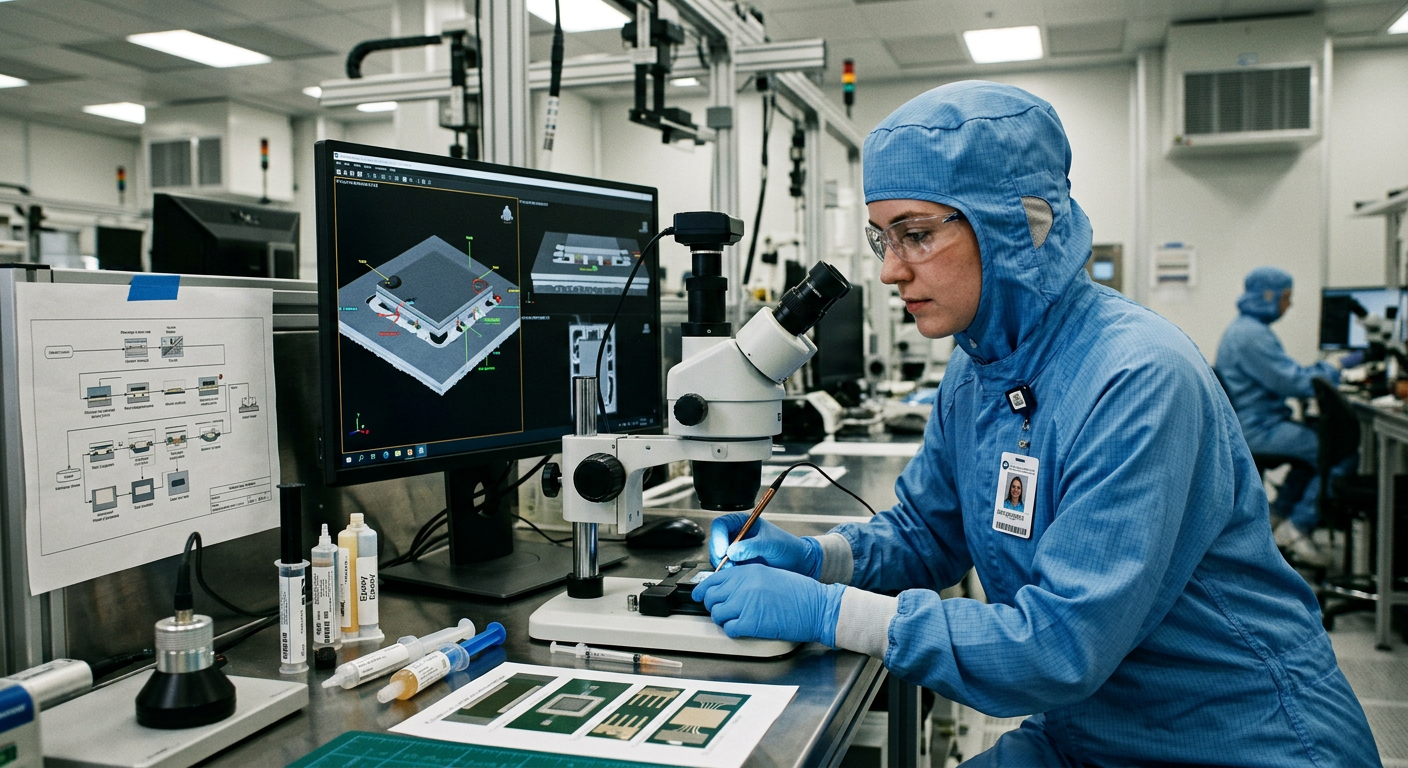
IC Packaging Adhesive: Preventing Void Formation Issues
Learn how IC packaging adhesive void formation is prevented in the United States through material choice, process control, supplier selection, and testing.
-
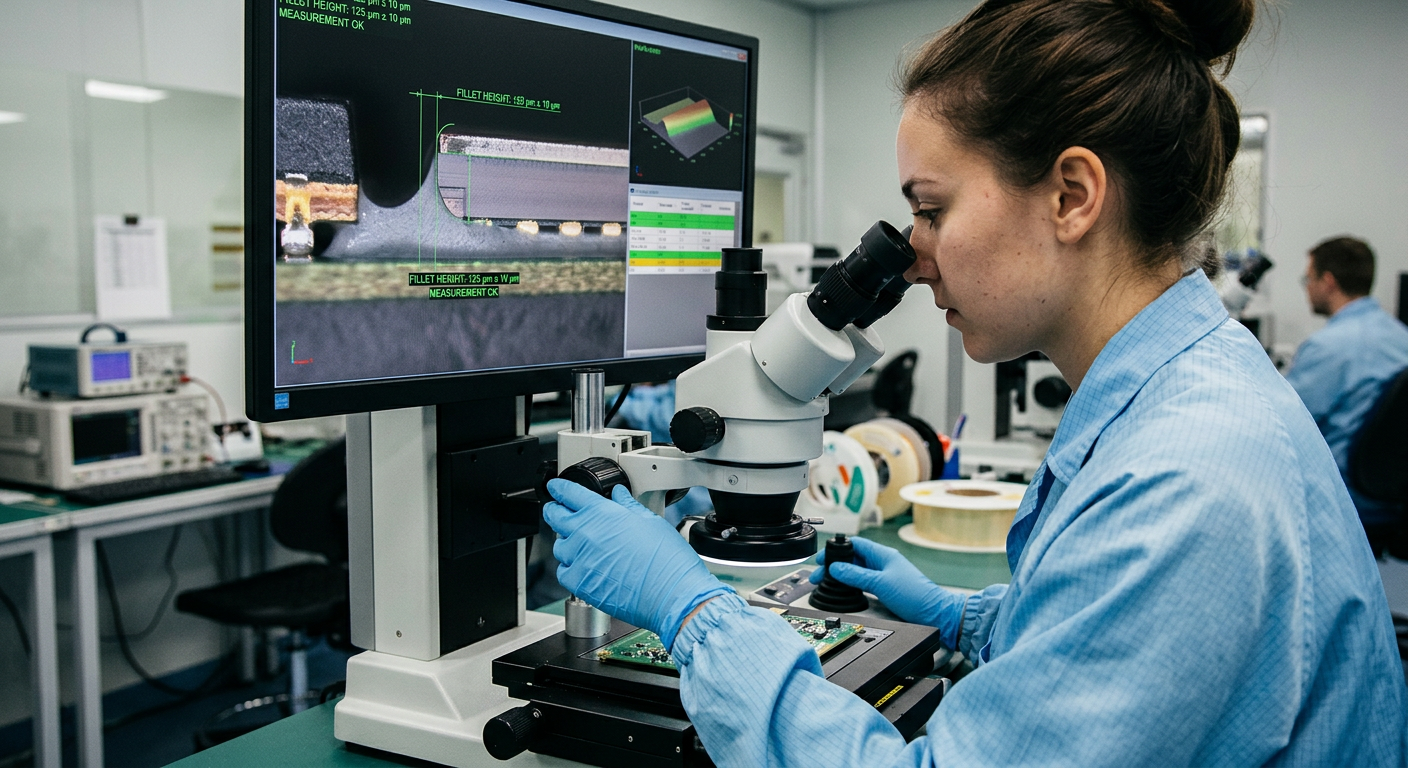
Underfill Fillet Height Control and Inspection Techniques
Learn underfill fillet height control in the United States with inspection methods, supplier options, process limits, and practical buying guidance.
-
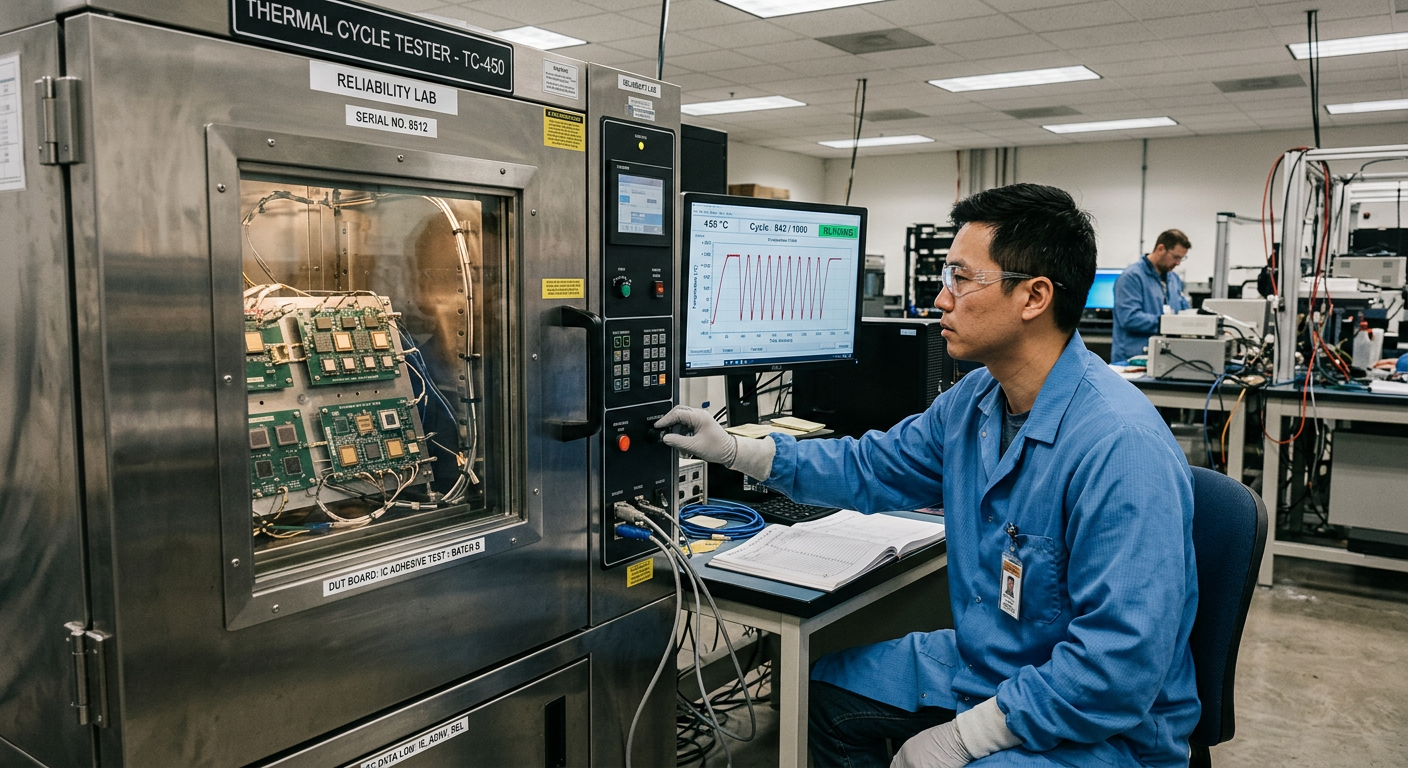
IC Package Adhesive Thermal Cycling Reliability Testing
IC packaging adhesive thermal cycling in the United States requires reliable material selection, supplier review, and test planning for electronics durability.
-

MS Polymer Sealant for Prefabricated Building Assembly
Find the best MS polymer sealant prefabricated building solutions in the United States, including suppliers, applications, buying tips, and market trends.
 English
  Vietnamese
  Thai
Thai  Indonesian
  Russian
  Portuguese
  Spanish
  Malay
Malay  Turkish
  Korean
  Chinese