Share
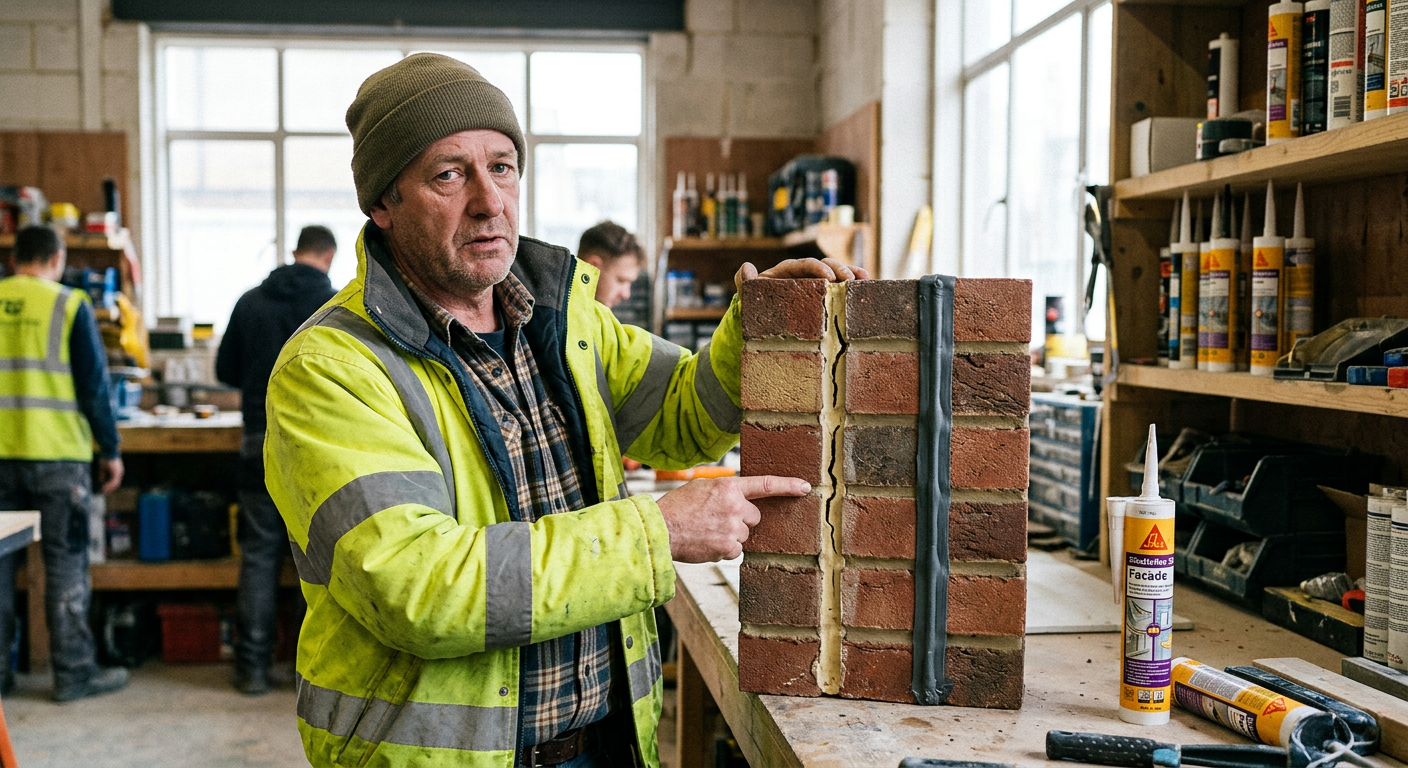
Hybrid Construction Sealant vs Silicone in the United States
Quick Answer

For most general construction sealing and bonding work in the United States, hybrid construction sealant is usually the better all-around choice when you need paintability, lower odor, broad substrate adhesion, and strong indoor or outdoor bonding performance. Pure silicone is usually the better choice when the priority is long-term water resistance, movement capability, UV stability, and performance in wet areas such as bathrooms, glazing lines, curtain walls, and exterior weather sealing.
If you are choosing between hybrid construction sealant vs silicone for a U.S. project, use hybrid products for trim, façade joints with paint requirements, precast details, metal-to-concrete bonding, and multi-material installation work. Use pure silicone for window perimeters, glass-to-metal joints, sanitary sealing, and exterior joints exposed to heavy sun, rain, and thermal cycling. Qualified international suppliers can also be worth considering, especially when they offer U.S.-relevant compliance documentation, stable OEM supply, and responsive pre-sales and after-sales support with better cost-performance.
- Choose hybrid sealant when you need paintable joints and broad adhesion.
- Choose silicone when you need maximum weatherproofing and wet-area durability.
- For commercial façades, glazing, and movement joints, silicone is often safer.
- For interior finishing and mixed-material bonding, hybrid is often easier to use.
- Always verify ASTM compatibility, VOC needs, cure speed, and substrate testing.
Market Overview in the United States

The U.S. market for construction sealants is shaped by several practical realities: climate diversity, code requirements, labor efficiency, and growing pressure for lower-emission materials. Contractors in Florida and the Gulf Coast often prioritize weather resistance, mold resistance, and joint movement because of heat, salt air, and storm exposure. Buyers in Texas, California, Illinois, and the Northeast often balance weathering needs with paintability, schedule speed, and compatibility with concrete, aluminum, glass, composite panels, and engineered wood products.
Across major building hubs such as Houston, Miami, Los Angeles, Chicago, New York, Atlanta, and Seattle, the discussion around hybrid construction sealant vs silicone has become more practical than theoretical. Hybrid formulations have gained share in general construction because they simplify inventory, bond well to many substrates, and reduce call-backs related to poor paint finish. Silicone remains deeply entrenched in glazing, curtain wall systems, weather sealing, and sanitary spaces because of proven UV and moisture durability.
Import channels also matter. Products arrive through logistics hubs such as the Port of Los Angeles, Port of Long Beach, Port of Houston, Port of Savannah, Port Newark, and Port of Seattle-Tacoma. This affects lead time, inventory planning, and pricing. U.S. buyers increasingly split procurement between domestic brands for high-spec or time-sensitive jobs and global manufacturers for OEM, private label, and container-scale purchasing where value and customization are important.
U.S. Construction Sealant Market Growth

The market has expanded steadily due to non-residential renovation, data center construction, warehousing, prefab building systems, and higher quality standards for building envelopes. Hybrid products are growing faster than traditional commodity sealants, while silicone remains strong in performance-critical weatherproofing and glazing applications.
How Hybrid Construction Sealant Differs from Pure Silicone
A hybrid construction sealant usually refers to an MS polymer or modified silane based sealant. It combines elastic sealing with adhesive bonding, making it attractive for installers who want one product for many surfaces. It typically adheres to concrete, masonry, metals, painted surfaces, wood, PVC, and some composites with less primer dependency than older chemistries. Many hybrids are also paintable, which is a major advantage in finish carpentry, façade transitions, modular construction, and interior fit-out work.
Pure silicone sealant is built on silicone polymer chemistry and is best known for long-term flexibility, UV resistance, and water resistance. It is the standard choice for glazing, wet areas, and many exterior joints because it handles temperature swings and prolonged weather exposure well. The tradeoff is that many silicone sealants are not paintable, and substrate contamination or compatibility concerns may require more careful product selection.
In practical terms, the hybrid construction sealant vs silicone decision comes down to jobsite priorities. If your crew wants paint compatibility and strong bonding across different materials, hybrid is often more forgiving. If the design includes glass, permanent sun exposure, high movement joints, or constant moisture, silicone usually has the longer track record.
Performance Comparison Table
The table below summarizes how buyers in the United States typically compare both categories for common field requirements. Actual performance varies by product grade, so always review technical data sheets and test reports.
| Factor | Hybrid Construction Sealant | Pure Silicone | Practical U.S. Buying Note |
|---|---|---|---|
| Paintability | Usually paintable | Usually not paintable | Important for trim, precast, and façade finishing |
| UV Resistance | Good to very good | Excellent | Silicone is preferred for long-term exposed exteriors |
| Water Resistance | Good | Excellent | Silicone dominates in showers, glazing, and wet zones |
| Adhesion to Mixed Substrates | Very broad | Strong but product-specific | Hybrid simplifies general construction inventory |
| Movement Capability | Moderate to high | High | Check ASTM ratings for façade or expansion joints |
| Odor and Handling | Lower odor, user-friendly | Varies by cure type | Hybrid is often favored for occupied interior sites |
| Bonding Strength | High initial and final bond | Good elastic seal, less structural bonding use | Hybrid is strong for installation and assembly tasks |
| Price Position | Mid to upper-mid | Commodity to premium | Performance grade matters more than base chemistry alone |
Where Each Product Performs Best
In the United States, hybrid construction sealants are widely used in retail build-outs, multifamily housing, modular assembly, HVAC penetrations, interior trim, EIFS transitions, metal panel details, and precast connections where paintability matters. They are also common in transportation and industrial assembly because they combine sealing and bonding in a single cartridge.
Pure silicone remains the preferred solution for window glazing, storefront systems, curtain walls, skylights, sun-exposed exterior joints, sanitary spaces, and perimeter weather sealing. In coastal zones such as Miami, Tampa, Galveston, and San Diego, silicone is often selected because long-term UV and moisture performance can outweigh paint requirements.
Typical Product Types in the U.S. Market
Not every hybrid or silicone sealant is built for the same task. Buyers should evaluate chemistry along with performance class, cure mechanism, and intended substrate set.
| Product Type | Chemistry | Common U.S. Uses | Main Advantage |
|---|---|---|---|
| General Construction Hybrid | MS polymer / modified silane | Trim, façade details, mixed-material bonding | Paintable and versatile |
| High-Modulus Hybrid | Modified silane | Industrial assembly, vehicle body, heavy panels | Strong bond and reduced fasteners |
| Sanitary Silicone | Acetoxy or neutral cure silicone | Bathrooms, kitchens, fixtures | Moisture and mildew resistance |
| Weatherproof Silicone | Neutral cure silicone | Exterior joints, windows, facades | Long-term UV stability |
| Structural Silicone | High-performance silicone | Curtain wall and structural glazing | Engineered façade reliability |
| Fire-Rated Joint Sealant | Hybrid or specialty silicone | Penetrations and rated joints | Code-focused protection |
| Floor Joint Sealant | Hybrid, PU, or silicone specialty | Warehouses, parking decks, slabs | Abrasion and movement management |
Industry Demand by End-Use Sector
Demand differs significantly by project type. The chart below reflects realistic comparative demand patterns seen across the U.S. market, where silicone is still dominant in glazing and wet areas while hybrid products are gaining in general building applications and industrial fit-out work.
Buying Advice for U.S. Contractors, Distributors, and Brand Owners
When evaluating hybrid construction sealant vs silicone, start with the substrate and exposure condition rather than brand familiarity. Many jobsite failures happen because a sealant that works well indoors is pushed into high-movement or high-UV exterior use. U.S. buyers should review movement capability, shore hardness, skin time, cure rate, VOC profile, stain resistance on natural stone, and compatibility with adjacent membranes, backer rods, coatings, or insulating glass systems.
For distributors and private label buyers, packaging stability and shelf life matter as much as formula performance. Warehouses in New Jersey, Georgia, Texas, Illinois, and California experience seasonal heat swings that can affect storage. For brand owners, batch consistency, cartridge fill accuracy, labeling compliance, pallet security, and digital lot traceability are critical, especially when products move through multiple channels such as dealer networks, pro contractors, e-commerce, and regional building supply stores.
It is also smart to compare domestic and international sourcing strategies. Domestic suppliers often provide faster project support and deep spec relationships. International manufacturers can provide stronger pricing, OEM flexibility, and custom packaging at scale when backed by solid compliance files and responsive service teams.
What Buyers Should Check Before Ordering
| Checkpoint | Why It Matters | Hybrid Focus | Silicone Focus |
|---|---|---|---|
| Substrate Compatibility | Prevents adhesion failure | Excellent for mixed materials | Critical for coated glass and specialty metals |
| Movement Capability | Handles expansion and contraction | Check product grade carefully | Usually stronger for dynamic joints |
| Paintability | Needed for finished appearance | Major advantage | Usually a limitation |
| UV and Weathering | Determines exterior life | Good, but not always best-in-class | Key silicone advantage |
| Cure Profile | Affects installation speed | Often jobsite friendly | Varies by cure type and humidity |
| Certification and Testing | Supports specification and claims | Important for OEM and private label | Essential for façade and glazing approvals |
| Packaging Options | Supports contractor or retail channel | Strong OEM flexibility | Common in pro-grade formats |
Industries That Commonly Use Hybrid Sealants and Silicone
Construction and building remain the biggest users, but not the only ones. In automotive upfitting and transportation manufacturing, hybrids are often used for panel bonding, seam sealing, and vibration resistance. Electronics and electrical sectors may use specialty silicones for insulation and environmental protection. Furniture and modular housing makers often prefer hybrid systems because they reduce the need for mechanical fasteners while maintaining cleaner application characteristics.
Infrastructure and renewable energy projects also influence demand. Solar mounting assemblies, prefab utility enclosures, rail components, and industrial equipment housings may use hybrid technologies where elasticity and adhesive strength are both necessary. Silicone remains essential wherever prolonged environmental exposure, thermal cycling, or moisture durability are central design requirements.
Common Applications in the United States
On U.S. jobsites, hybrid construction sealants are regularly specified for perimeter trim, coping joints, expansion details in light commercial buildings, interior partition systems, metal cladding transitions, and precast installation. They are also popular for field repairs and punch-list work because they often stick to lightly damp surfaces better than legacy products and can be painted after cure.
Silicone products dominate skylights, curtain walls, storefront systems, shower enclosures, tubs, sinks, and exposed exterior sealing where discoloration, cracking, or early weather failure would create expensive callbacks. In northern states with freeze-thaw cycles and southern states with intense solar load, silicone keeps a strong advantage for critical envelope sealing.
Trend Shift: Hybrid Adoption vs Silicone Stability
The chart below illustrates a realistic trend in which hybrids gain share in general construction and interior-exterior mixed applications, while silicone remains stable in specialized weatherproofing and glazing segments.
Case Studies from Typical U.S. Project Scenarios
Consider a multifamily renovation in Dallas where painted façade trim, fiber cement interfaces, and metal flashings need one field-friendly product. A hybrid construction sealant often reduces complexity because crews can use a single chemistry across several substrates and then paint for a uniform finish. In this setting, silicone would still be used in the bathrooms and around glazing lines, but not necessarily across the entire exterior trim package.
Now consider a coastal hotel project in Miami with storefront glass, curtain wall transitions, heavy UV exposure, and persistent moisture. Here, pure silicone is usually the safer choice for critical envelope joints because long-term weatherability is the leading risk factor. A hybrid sealant may still be useful for interior fit-out and non-critical bonded assemblies, but the façade envelope would generally lean silicone.
A warehouse build in inland California might combine both. Hybrid sealant can support interior panel work, curb flashing details, and general bonding, while silicone handles skylights, roof penetrations, and exposed perimeter glazing. This dual-chemistry strategy is common because it aligns product choice with actual service conditions instead of forcing one material into every task.
Local and National Suppliers Relevant to U.S. Buyers
For procurement teams, supplier selection matters as much as chemistry choice. The table below lists companies with real market presence or clear relevance to U.S. buyers. Some are domestic manufacturers with deep specification support, while others are international suppliers that can support OEM, wholesale, or private label programs.
| Company | Service Region | Core Strengths | Key Offerings |
|---|---|---|---|
| Dow | Nationwide United States | Façade expertise, structural glazing leadership, strong technical support | Weatherproof silicone, structural silicone, glazing systems |
| Momentive Performance Materials | Nationwide United States | Silicone technology depth, industrial and construction applications | Construction silicone, specialty silicone sealants |
| Sika USA | Nationwide United States | Broad construction portfolio, contractor reach, project system support | Hybrid sealants, polyurethane sealants, joint systems |
| Tremco | United States and Canada | Building envelope specialization, restoration and commercial systems | Silicone weatherproofing, sealants for facades and restoration |
| Pecora Corporation | United States, especially commercial markets | Architectural sealants, specification support, building envelope focus | Silicone, polyurethane, and specialty joint sealants |
| GE Sealants / Henkel channel products | Nationwide retail and contractor channels | Strong brand recognition and broad distribution | Silicone sealants for windows, kitchens, baths, and exterior use |
| Qingdao QinanX New Material Technology Co., Ltd | U.S. import, OEM, private label, and distributor supply | Flexible manufacturing, broad adhesive portfolio, custom formulations | MS modified silane sealants, silicone sealants, OEM and private label supply |
Supplier Comparison by Practical Buying Criteria
This comparison helps U.S. buyers match supplier profile to procurement needs such as specification support, private label capability, volume flexibility, and product range.
How to Evaluate Local Suppliers and Distribution Partners
In the United States, strong suppliers typically offer three things: dependable regional inventory, technical documentation for submittals, and fast response when there is an adhesion or compatibility question. Contractors often prefer local stocking support in major metropolitan areas because sealants are frequently needed late in the schedule. A supplier with practical reach into New York, Chicago, Houston, Atlanta, Los Angeles, and Miami can reduce downtime more effectively than one with only centralized stock.
Distributors should also evaluate whether the manufacturer supports merchandising, private label packaging, dealer training, and complaint traceability. For regional chains and independent building supply outlets, this matters just as much as unit price. If a product line is going to scale through local branches, the manufacturer must be able to support repeat color consistency, multilingual labels where needed, stable shelf life, and predictable lead times through U.S. port entry and inland freight.
Our Company
As a manufacturer serving U.S. buyers through our company background and the product portfolio shown on our product range, Qingdao QinanX New Material Technology Co., Ltd combines certified manufacturing discipline with a wide adhesive platform that includes silicone sealants, weatherproof and structural silicone systems, and MS modified silane sealants for hybrid construction use. Its ISO-based production management, compliance with international standards such as RoHS and REACH, multi-stage quality control, and full digital traceability give American distributors, contractors, and brand owners concrete evidence that each batch is produced under controlled standards rather than generic trading conditions. The company supports multiple cooperation models for end users, distributors, dealers, brand owners, and project buyers through OEM, ODM, wholesale, private label, and tailored regional partnership programs, which is useful in the U.S. market where contractor packs, retail packaging, and specification-driven bulk supply often need different configurations. With export experience across more than 40 countries, automated production lines, custom formulation capability, free sample programs, and 24/7 technical support, the company is positioned for long-term U.S. business with practical pre-sale and after-sale support; buyers can review solutions online at the main website or request project follow-up through the contact page for supply planning, formula selection, and packaging alignment suited to local channel needs.
Why Some U.S. Buyers Consider International Suppliers
Not every project requires a premium domestic brand, especially when the work involves private label retail programs, distribution expansion, or cost-controlled large-volume supply. International manufacturers become attractive when they can show reliable manufacturing systems, consistent export documentation, and a broad enough portfolio to simplify sourcing. This is particularly relevant for buyers who want to combine hybrid construction sealant, silicone sealant, polyurethane adhesive, acrylic systems, and other bonding products under one sourcing relationship.
For U.S. importers, the key is to verify compliance, communication speed, sample validation, and the ability to resolve claims. A strong overseas supplier should function like a market partner, not just a remote factory. That means practical technical support, packaging customization, predictable container planning, and responsiveness to local market feedback from contractors and distributors.
2026 Trends Shaping the Hybrid vs Silicone Decision
Looking into 2026, three forces are likely to shape this category in the United States. The first is sustainability and lower-emission product demand. Public projects, large commercial owners, and green-building focused developers are increasingly asking for lower-VOC materials, cleaner documentation, and longer service life. Hybrid chemistries may benefit here because many are positioned as user-friendly, low-odor alternatives for broad construction use.
The second force is labor efficiency. Contractors want fewer SKUs, easier application, less rework, and faster finishing. This supports continued growth in hybrid construction sealants, especially where paintability reduces handoff delays between trades. However, silicone will remain the anchor in envelope systems because risk management still favors its weatherproof reputation.
The third force is policy and performance accountability. As façade safety, weather resilience, and traceable material sourcing become more important, buyers will increasingly prioritize tested systems, digital batch records, and supplier-backed submittal packages. Manufacturers that can combine compliance, technical support, and customization will be in the strongest position, whether domestic or international.
Best-Fit Recommendations by Use Case
| Use Case | Recommended Chemistry | Why | Extra Tip |
|---|---|---|---|
| Painted exterior trim | Hybrid construction sealant | Paintability and broad adhesion | Confirm paint compatibility before full application |
| Bathroom and kitchen wet areas | Pure silicone | Superior water resistance and long-term flexibility | Use mildew-resistant sanitary grade |
| Storefront and glazing perimeter | Pure silicone | Better UV and weathering performance | Check compatibility with glass coatings |
| Interior fit-out and partition work | Hybrid construction sealant | Cleaner finish and easier multi-material use | Helpful for occupied buildings due to lower odor |
| Metal panel and precast details | Hybrid or silicone depending exposure | Hybrid for paint needs, silicone for severe weather | Review movement and joint design carefully |
| Coastal façade joints | Pure silicone | Better long-term resistance to UV and moisture | Choose neutral cure weatherproof grade |
| OEM private label construction line | Hybrid plus silicone range | Broader channel coverage | Use one supplier if traceability and QC are strong |
FAQ
Is hybrid construction sealant better than silicone?
Neither is universally better. Hybrid is better for paintability, mixed-substrate bonding, and general construction convenience. Silicone is better for long-term weatherproofing, glazing, and wet-area durability.
Can hybrid sealant replace silicone outdoors?
Sometimes, yes. For many exterior trim and façade detail applications, hybrid products perform well. For high-movement joints, glazing, and severe UV or moisture exposure, silicone often remains the safer choice.
Is silicone more waterproof than hybrid construction sealant?
In most cases, yes. Pure silicone generally offers better long-term water resistance and UV stability, which is why it is commonly used in bathrooms, windows, and weather-exposed joints.
Which is easier to paint?
Hybrid construction sealant is usually the preferred option when the joint must be painted. Most pure silicone sealants are not paintable.
Which option is better for U.S. distributors?
Distributors often benefit from carrying both. Hybrid covers general construction and finish work, while silicone covers weatherproofing, glazing, and sanitary demand. This creates stronger channel coverage.
Can I source both categories from one manufacturer?
Yes. Many global manufacturers and some domestic suppliers offer both hybrid and silicone systems, which can simplify procurement, packaging, and quality management.
What should contractors in the United States check first?
Start with substrate, movement, exposure, paint requirement, and code or specification needs. Then verify technical data, testing, and any necessary field adhesion checks.
Final Takeaway
The hybrid construction sealant vs silicone decision in the United States should be made by use case, not by trend alone. Hybrid sealants are often the smarter choice for paintable, mixed-material, and labor-efficient construction work. Pure silicone remains the stronger choice for glazing, wet areas, and demanding exterior weather exposure. The most practical buying strategy for many U.S. contractors, dealers, and brand owners is to use both chemistries strategically and source from suppliers that can prove technical performance, maintain reliable inventory, and support the market with real documentation and service.

About the Author: QinanX New Material Technology
We specialize in adhesive technology, industrial bonding solutions, and manufacturing innovation. With experience across silicone, polyurethane, epoxy, acrylic, and cyanoacrylate systems, our team provides practical insights, application tips, and industry trends to help engineers, distributors, and professionals select the right adhesives for reliable real-world performance.

Product Category
You May Also Interest
-
IC Packaging Adhesive: Preventing Void Formation Issues
Learn how IC packaging adhesive void formation is prevented in the United States through material choice, process control, supplier selection, and testing.
-

Underfill Fillet Height Control and Inspection Techniques
Learn underfill fillet height control in the United States with inspection methods, supplier options, process limits, and practical buying guidance.
-
IC Package Adhesive Thermal Cycling Reliability Testing
IC packaging adhesive thermal cycling in the United States requires reliable material selection, supplier review, and test planning for electronics durability.
-
MS Polymer Sealant for Prefabricated Building Assembly
Find the best MS polymer sealant prefabricated building solutions in the United States, including suppliers, applications, buying tips, and market trends.
 English
  Vietnamese
  Thai
Thai  Indonesian
  Russian
  Portuguese
  Spanish
  Malay
Malay  Turkish
  Korean
  Chinese