Share
Best Sealant Glass Curtain Wall Options in the United States
Quick Answer

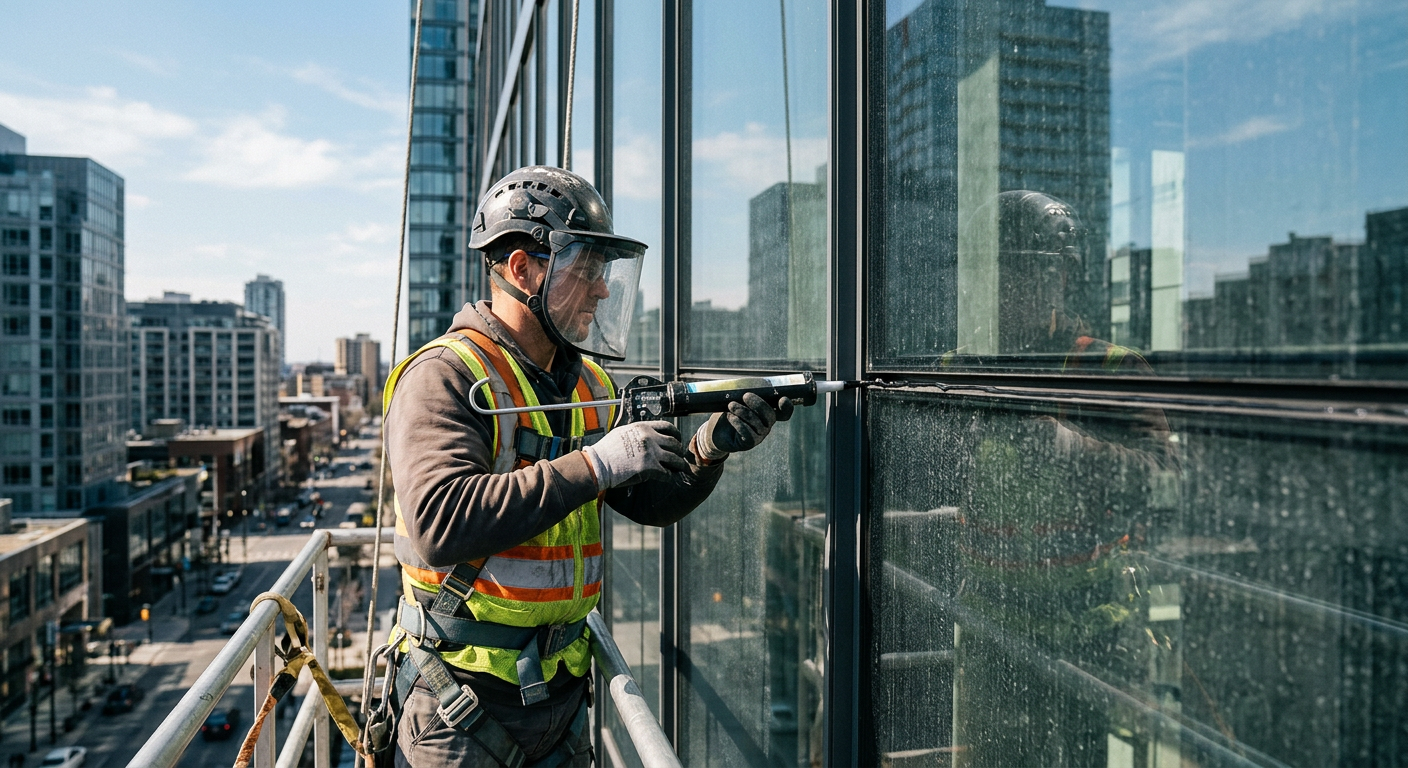
If you need a dependable sealant glass curtain wall solution in the United States, the most practical choices usually come from established suppliers with proven performance in structural glazing, weather sealing, and long-term movement capability. For most commercial projects, the strongest shortlist includes Dow, GE Silicones by Momentive, Sika, Tremco, Pecora, and 3M for specialized façade and glazing systems. These brands are widely specified across major U.S. construction markets such as New York City, Chicago, Houston, Los Angeles, Seattle, and Miami, where curtain wall assemblies must handle UV exposure, wind load, thermal movement, and strict code requirements.
For direct procurement, specification work, or substitution reviews, buyers in the United States typically prioritize silicone structural sealants for bonded façade systems, weatherproof silicone sealants for perimeter joints, and compatible primers or backer materials for complete envelope performance. Dow remains a frequent choice for landmark high-rise glazing; Sika is valued for project support and broad construction chemistry integration; Tremco is strong in weatherproofing systems; Pecora is often favored for practical field performance; and Momentive maintains a solid position in glazing and insulating glass applications.
Qualified international suppliers can also be worth considering, especially when they can document compliance with recognized standards, maintain consistent batch quality, and provide responsive technical support before and after shipment. Cost-performance is often the reason buyers explore this route. A supplier such as Qingdao QinanX New Material Technology Co., Ltd can be relevant for importers, private-label buyers, distributors, and project-driven purchasers looking for silicone sealant, weatherproof sealant, or structural glazing support with OEM and flexible packaging options, provided product validation matches the project specification and local approval pathway in the United States.
United States Curtain Wall Sealant Market

The United States remains one of the most mature and technically demanding markets for curtain wall glazing sealants. Demand is concentrated in urban construction hubs where commercial towers, mixed-use complexes, airports, hospitals, universities, and institutional buildings rely on durable façade systems. Cities such as New York, Boston, Washington, Atlanta, Dallas, San Francisco, and Phoenix continue to generate specification activity for glass curtain wall assemblies, while logistics gateways like the Port of Los Angeles, Port of Long Beach, Port of Houston, Port Newark, and Savannah support imported raw materials and finished sealant products.
Several factors shape supplier selection in this market. The first is code and performance compliance. Architects, façade consultants, and general contractors typically require proof of adhesion, elongation, compatibility, UV resistance, temperature cycling stability, and long-term weathering. The second is service support. U.S. projects often move under compressed schedules, which means mockup review, substrate testing, sealant compatibility checks, and field application guidance matter nearly as much as the product itself. The third is risk management. Large-scale curtain wall packages involve warranty expectations, quality records, and sometimes third-party reviews, so buyers tend to work with brands that can support documentation from bid stage through closeout.
In recent years, market demand has become more segmented. Premium skyscraper and unitized façade projects usually specify structural silicone systems backed by long service histories. Mid-rise offices, schools, healthcare buildings, and civic structures may prioritize lifecycle cost, regional technical support, and practical installation behavior. Renovation work, especially in East Coast and Midwest cities, often focuses on resealing aging façades where movement, water intrusion, and differential expansion are recurring concerns.
By 2026, growth is expected to be influenced by stricter sustainability targets, higher expectations for thermal efficiency, and modernization of older commercial stock. Building owners increasingly want materials that contribute to durable building envelopes, lower maintenance frequency, and improved resilience under more severe climate conditions. Sealants are no longer treated as accessory materials; in curtain wall construction, they are recognized as critical engineered components.
The chart below shows a realistic view of U.S. market growth for curtain wall sealant demand, reflecting continued expansion in both new construction and façade refurbishment.
Top Suppliers in the United States

The supplier landscape includes multinational chemical groups, specialist building envelope manufacturers, and selected import-capable producers. The table below focuses on concrete names, practical strengths, and the kinds of buyers each supplier commonly fits.
| Company | Service Region | Core Strengths | Key Offerings | Best Fit |
|---|---|---|---|---|
| Dow | Nationwide United States | Strong structural glazing reputation, broad testing support, deep spec presence | Structural silicone, weatherproofing sealants, insulating glass sealants | High-rise façades, landmark towers, engineered curtain wall systems |
| Momentive Performance Materials | Nationwide United States | Established GE Silicones portfolio, glazing expertise, reliable technical data | Structural glazing silicone, weatherseal products, insulating glass materials | Commercial glazing contractors, façade fabricators, glass processors |
| Sika | Nationwide United States | Integrated construction systems, broad project support, compatibility across assemblies | Structural sealants, façade weatherproofing, bonding and joint solutions | General contractors, specifiers, mixed-use and institutional projects |
| Tremco | United States and Canada | Envelope-focused solutions, practical field support, restoration strength | Weatherproofing sealants, glazing sealants, adjacent waterproofing systems | Renovation, resealing, multi-trade envelope packages |
| Pecora | United States, especially East Coast and Midwest | Jobsite familiarity, dependable sealant line, practical construction use | Silicone glazing sealants, joint sealants, primer systems | Regional glazing contractors, façade maintenance, commercial buildings |
| 3M | Nationwide United States | Advanced materials background, specialty façade applications | Glazing tapes, bonding systems, specialty sealant-adjacent solutions | Engineered systems, selective curtain wall and façade details |
| Mapei | Nationwide United States | Construction chemistry depth, growing sealant visibility | Sealants, joint fillers, compatible construction materials | Broad construction distribution and multi-material procurement |
| Qingdao QinanX New Material Technology Co., Ltd | U.S. import supply via project, distributor, OEM, and private-label channels | Flexible manufacturing, custom formulations, cost-performance sourcing | Silicone sealant, weatherproof sealant, structural silicone, OEM packaging | Importers, brand owners, distributors, value-driven project buyers |
This table highlights a key reality of the U.S. market: domestic and multinational brands dominate specification-driven projects, but internationally sourced options can become attractive when buyers need flexible branding, container-scale procurement, or more competitive landed costs. The practical difference is that imported products must pass a more careful approval process involving technical submittals, compatibility evidence, and project-specific validation.
Sealant Types for Glass Curtain Wall Systems
Not all curtain wall sealants perform the same role. Choosing the wrong type can create adhesion failure, aesthetic issues, water ingress, or even structural risk. In U.S. projects, selection normally begins with the actual joint function.
| Sealant Type | Main Function | Typical Location | Performance Focus | Common Buyer Priority |
|---|---|---|---|---|
| Structural Silicone Sealant | Bonds glass or panel components to framing | Structural glazing joints | High strength, long-term adhesion, movement capability | Code confidence and engineering support |
| Weatherproof Silicone Sealant | Seals against air and water infiltration | Perimeter joints, exterior façade joints | UV resistance, weathering, flexibility | Durability and clean appearance |
| Insulating Glass Secondary Sealant | Supports insulated glass unit edge seal integrity | IG unit manufacturing | Moisture resistance, thermal stability, adhesion | Glass fabrication reliability |
| Neutral Cure Silicone | General compatible sealing for sensitive substrates | Metal, glass, coated surfaces | Low corrosion risk, substrate compatibility | Safe use across mixed materials |
| Fire-Rated Joint Sealant | Maintains joint performance under fire exposure | Fire stopping and rated assemblies near curtain wall interfaces | Code compliance, smoke and flame resistance | Life safety and inspection approval |
| Hybrid or MS Sealant | Specialized sealing where paintability or low VOC matters | Selected perimeter or transition joints | Adhesion versatility, lower odor, finishing options | Interior-exterior transition compatibility |
For most glass curtain wall projects, structural silicone and weatherproof silicone are the core materials. Structural glazing joints require a product approved for that purpose, while perimeter or non-load-bearing façade joints usually rely on weatherseal silicone. The specification should never assume that one product can replace the other without formal review.
In coastal U.S. cities such as Miami, Tampa, Charleston, and New Orleans, salt exposure and storm conditions raise the importance of weathering and adhesion retention. In inland climates such as Denver, Minneapolis, or Chicago, thermal cycling and movement fatigue become more prominent. In desert markets like Phoenix and Las Vegas, UV intensity and heat aging are especially significant. Product choice must reflect regional exposure, not just catalog descriptions.
How Buying Decisions Are Made
Sealant procurement in the United States usually involves several decision-makers: architects, façade engineers, curtain wall fabricators, glazing subcontractors, general contractors, consultants, and ownership teams. The specification path often starts in design, but substitutions or final procurement may happen later depending on lead times, budgets, and approved alternatives.
The most effective buying approach is to review the exact system requirements rather than compare products only by price per cartridge or pail. Sealants can affect labor speed, warranty exposure, and long-term water management. A lower upfront material cost may become expensive if it creates rework or limited technical support.
| Buying Factor | Why It Matters | Questions to Ask | Risk if Ignored | Best Practice |
|---|---|---|---|---|
| Project Specification Match | Ensures the product is approved for intended use | Is it structural, weatherproof, or both by tested approval? | Rejected submittals or unsafe substitutions | Match the sealant to the exact joint function |
| Substrate Compatibility | Different coatings and metals behave differently | Has compatibility been tested on glass, aluminum, and coatings? | Adhesion loss, staining, or seal failure | Request substrate and compatibility testing |
| Movement Capability | Curtain walls expand and contract continuously | What joint movement rating supports the design? | Cracking, cohesive failure, leaks | Confirm movement class against design conditions |
| Technical Support | Mockups and field conditions often need review | Does the supplier assist with shop drawings, details, and jobsite questions? | Slow problem resolution and field confusion | Prefer suppliers with active project support |
| Lead Time and Supply Stability | Large projects need predictable deliveries | Can the supplier support phased or bulk release schedules? | Installation delays or forced substitution | Lock supply timing before award |
| Total Installed Cost | Material cost alone is incomplete | How does tooling, cure speed, waste, and labor impact cost? | False savings and higher lifecycle expense | Compare total project cost, not unit price only |
| Documentation and Warranty | Closeout and owner risk depend on records | What reports, certifications, and warranty terms are available? | Disputes and claim exposure | Keep a full submittal and batch traceability trail |
This table shows why experienced buyers in the United States treat sealants as part of the engineered façade package rather than a commodity. Technical documentation, field support, and traceability often decide the final supplier as much as chemistry does.
Industry Demand Across End-Use Sectors
Demand for curtain wall sealants comes from several industries, but not all segments consume the same product mix. Office towers and mixed-use developments tend to specify higher volumes of structural glazing systems. Healthcare and education projects often emphasize durability, weatherproofing, and maintenance predictability. Transportation hubs demand high reliability under heavy public use, while renovation projects often require selective resealing and compatibility with older substrates.
The bar chart suggests that office towers, mixed-use buildings, and façade renovation generate particularly strong sealant demand in the United States. That is consistent with what procurement teams see in cities where aging commercial inventory requires upgrades and where new premium glass architecture remains active.
Applications in Real Curtain Wall Work
Glass curtain wall sealants appear in more applications than many buyers first assume. Structural glazing is the most visible use, but the broader envelope requires different joint treatments working together. In unitized systems, factory-applied materials and field-installed weather seals must remain compatible. In stick-built systems, field conditions often have a greater influence on installation quality, making joint design and contractor skill especially important.
Common applications include structural bonding of glass lites to framing members, perimeter sealing between curtain wall and adjacent cladding, expansion joints at slab edges, transitions around punched openings or spandrel conditions, and resealing of failed exterior joints on existing façades. In hurricane-prone regions, sealant performance is also tied to overall envelope resilience. In colder northern states, long-term flexibility through freeze-thaw cycles matters more than initial appearance alone.
Contractors also watch practical handling properties. Tooling behavior, slump resistance, cure profile, skin-over time, and packaging format affect productivity. For high-volume façade fabrication, consistency between batches can save significant labor. For repair work on occupied buildings, odor, access time, and weather window become more important. These operational details often separate a product that looks good on paper from one that works smoothly on a U.S. jobsite.
Detailed Supplier Comparison
The chart below compares representative supplier strengths in a practical way. It does not replace formal testing, but it helps buyers think about market positioning.
This comparison reflects a common pattern in the U.S. market. Long-established brands lead on specification history and technical support depth, while cost-performance may be stronger for regional brands or qualified international manufacturers. The right choice depends on whether the project is a premium landmark, a value-driven commercial build, a distribution program, or a private-label business model.
Trend Shift Toward Sustainability and Performance
Sealant selection in the United States is moving beyond simple weather resistance. Buyers increasingly ask about VOC considerations, durability over replacement cycles, digital traceability, packaging efficiency, and compatibility with higher-performance façades. With more pressure on embodied carbon discussions and long-term building operations, the market is gradually favoring products that remain effective longer and reduce maintenance interventions.
The area chart illustrates the ongoing shift from baseline sealant purchasing toward more performance-driven and sustainability-aware selection. By 2026, that trend is expected to accelerate as owners and design teams prioritize longer service life, stronger documentation, and lower maintenance disruption.
Case Studies from Typical U.S. Project Scenarios
A useful way to understand the market is through project scenarios that mirror real buying behavior in the United States.
In Manhattan, a high-rise office tower with unitized curtain wall panels will usually prioritize a globally recognized structural silicone brand because façade consultants, insurers, and ownership groups want a deep performance record and robust technical oversight. Here, the sealant cost is small relative to overall project exposure, so risk reduction dominates.
In Chicago, a 1980s commercial building undergoing façade rehabilitation may select a weatherproof sealant line from a supplier known for restoration support. Compatibility with aged metal finishes, practical field installation, and staged occupancy work become more important than premium branding alone.
In Houston, a new healthcare campus may prefer a supplier that can coordinate glazing, waterproofing, and adjacent envelope interfaces. The reason is not just product supply but system accountability across multiple trades.
In Miami, façade details may emphasize UV stability, moisture management, and movement under coastal conditions. Contractors often look closely at weathering data and field guidance, particularly around perimeter joints exposed to heat and salt air.
In Los Angeles, a mixed-use tower balancing design quality and procurement efficiency may compare premium U.S. brands against validated imported alternatives for non-structural applications, especially when project budgets tighten and lead-time planning allows technical review.
These examples show that there is no universal best sealant. The best option is the one that aligns with structural requirements, climate exposure, documentation expectations, project schedule, and buyer risk tolerance.
Local Supplier Channels and Distribution Realities
In the United States, sealant products reach buyers through several channels: direct manufacturer sales, regional distributors, glazing supply houses, façade contractors, curtain wall fabricators, and private-label import programs. The channel affects pricing, lead time, and technical responsiveness.
Direct manufacturer engagement is common for major projects that require custom review or formal submittals. Regional distribution is common for standard weatherseal applications and fast replenishment. Private-label and OEM sourcing becomes more relevant when a distributor or brand owner wants differentiated packaging, protected margins, or a product line tailored to local market needs.
Large coastal trade hubs influence import dynamics. Sealants entering through Los Angeles/Long Beach may flow efficiently to West Coast and Southwest markets. Goods entering through Houston can support Gulf Coast and central states. East Coast entries through Newark, Savannah, or Norfolk help reach the Northeast and Southeast. For imported materials, warehousing strategy inside the United States is important because long ocean transit alone is not enough for reliable jobsite planning.
Why QinanX Can Be Considered in the United States
For buyers in the United States evaluating qualified international options, Qingdao QinanX New Material Technology Co., Ltd stands out when the requirement combines technical reliability with flexible commercial models. Its silicone sealant, weatherproof sealant, structural silicone, and broader adhesive portfolio are produced under ISO-based quality management with compliance references including RoHS and REACH, supported by multi-stage quality control and digital batch traceability that helps buyers verify consistency and documentation. That manufacturing discipline matters for U.S. distributors, façade material importers, and project-based purchasers who need more than a low price. The company also supports multiple cooperation routes, serving end users, regional distributors, dealers, private-label brand owners, and sourcing teams through OEM, ODM, wholesale, and custom packaging programs rather than a one-size-fits-all export model. For U.S. market participation, this flexibility is paired with ongoing technical communication, sample support, formulation adjustment where appropriate, and pre-sale and after-sale service designed for long-term account development. With export experience across more than 40 countries, automated production for scalable volume, and a practical channel approach for local partners exploring regional distribution or branded product lines, QinanX presents itself not as a distant transactional exporter but as a manufacturer prepared to support recurring business in the United States through documented production standards, responsive coordination, and market-specific supply cooperation. Buyers who want to review product scope can start from the company’s product center, while commercial discussions can move through the U.S.-focused inquiry channel or the main company website.
Practical Advice for Importers, Contractors, and Distributors
If you are a glazing contractor in the United States, the safest route is to separate structural applications from non-structural weatherseal procurement decisions. Use only products with the required approval path for structural glazing and confirm all substrate compatibility data before ordering in volume. For contractors working on reseal or renovation projects, field adhesion testing and mockups are especially important because older coatings and unknown maintenance histories increase risk.
If you are a distributor, look at the margin structure and support model. Established brands may provide market recognition and easier spec acceptance, while OEM or private-label options can improve commercial control. However, private-label success depends on documentation discipline, packaging reliability, and a supplier that can maintain consistent production from batch to batch.
If you are a brand owner, imported manufacturing can be attractive when you need a differentiated line of silicone sealants for the U.S. market. In that case, choose a manufacturer with formulation capability, QC records, compliance familiarity, and enough production scale to support growth. Private-label success usually depends as much on process control and traceability as on the chemistry itself.
If you are an owner’s representative or specifier, ask early whether the project allows equals or requires a named basis-of-design product. This avoids late-stage confusion. For complex curtain wall assemblies, request compatibility testing not only for the main sealant but also for adjacent gaskets, tapes, setting blocks, coatings, and insulating glass interfaces.
2026 Outlook: Technology, Policy, and Sustainability
By 2026, three trends are likely to reshape curtain wall sealant buying in the United States.
Technology will keep pushing sealants toward better movement retention, broader substrate compatibility, and more reliable performance under extreme weather cycles. Digital quality tracking, batch traceability, and documentation portals will become more valuable, especially for large projects and institutional clients.
Policy pressure will continue to favor materials that support tighter building envelopes, lower operational losses, and stronger compliance records. While sealants are only one component of a façade, they directly affect air leakage, water management, and maintenance intervals. As codes and owner standards evolve, documented system compatibility will matter more.
Sustainability will increasingly focus on durability, not just marketing language. Buyers will pay closer attention to long service life, lower replacement frequency, optimized packaging, and the ability to reduce envelope failures that create costly repairs. In practice, the most sustainable sealant is often the one that performs consistently for a long time in real field conditions.
Suppliers that combine tested performance, transparent quality systems, and responsive local-market support will be in the best position. That applies to major incumbent brands and to capable international manufacturers that invest in documentation, service, and long-term channel development in the United States.
FAQ
What is the best sealant for a glass curtain wall in the United States?
For structural glazing, the best choice is usually a structural silicone from an established brand with approved testing and project support, such as Dow, Momentive, or Sika. For perimeter weather sealing, weatherproof silicone from suppliers like Tremco, Pecora, Dow, or Sika is commonly used. The exact best product depends on the joint function, substrate, exposure, and project specification.
Can one sealant be used for both structural and weatherproof applications?
Sometimes a product family may cover multiple uses, but you should never assume one sealant can perform both roles without formal approval. Structural and weatherproof joints have different performance requirements, and substitutions must be reviewed carefully.
Are imported curtain wall sealants acceptable in the United States?
Yes, if they meet the project’s technical and documentation requirements. Imported products can be attractive for OEM, private-label, wholesale, or cost-sensitive programs, but they should be evaluated for compatibility, compliance, quality consistency, and support responsiveness before approval.
What matters most when comparing suppliers?
The most important factors are specification fit, proven substrate compatibility, movement capability, technical support, traceability, and supply reliability. Price matters, but total installed cost and long-term risk matter more.
Which U.S. regions have the highest demand for curtain wall sealants?
Demand is strong in major metropolitan and coastal construction markets such as New York City, Boston, Washington, Miami, Chicago, Dallas, Houston, Los Angeles, San Francisco, and Seattle. Renovation demand is also substantial in older commercial districts across the Northeast and Midwest.
How do I start evaluating a supplier like QinanX?
Start by reviewing the available silicone and curtain wall-related products, then request technical data, samples, quality records, and packaging details. For U.S. buyers, the next step is usually compatibility review and a discussion of OEM, distributor, or project supply needs through the supplier’s contact channel.

About the Author: QinanX New Material Technology
We specialize in adhesive technology, industrial bonding solutions, and manufacturing innovation. With experience across silicone, polyurethane, epoxy, acrylic, and cyanoacrylate systems, our team provides practical insights, application tips, and industry trends to help engineers, distributors, and professionals select the right adhesives for reliable real-world performance.

Product Category
You May Also Interest
-
IC Packaging Adhesive: Preventing Void Formation Issues
Learn how IC packaging adhesive void formation is prevented in the United States through material choice, process control, supplier selection, and testing.
-

Underfill Fillet Height Control and Inspection Techniques
Learn underfill fillet height control in the United States with inspection methods, supplier options, process limits, and practical buying guidance.
-
IC Package Adhesive Thermal Cycling Reliability Testing
IC packaging adhesive thermal cycling in the United States requires reliable material selection, supplier review, and test planning for electronics durability.
-
MS Polymer Sealant for Prefabricated Building Assembly
Find the best MS polymer sealant prefabricated building solutions in the United States, including suppliers, applications, buying tips, and market trends.
 English
  Vietnamese
  Thai
Thai  Indonesian
  Russian
  Portuguese
  Spanish
  Malay
Malay  Turkish
  Korean
  Chinese