Share
Low CTE Underfill Solutions for Reducing Thermal Stress in the United States
Quick Answer

For buyers in the United States seeking low CTE underfill materials to reduce thermal stress in advanced electronics, the most practical options usually come from established suppliers with proven semiconductor packaging experience, stable technical support, and documented reliability performance. The most recognized names in this market include Henkel, NAMICS, Master Bond, Panacol, Indium Corporation, and MacDermid Alpha Electronics Solutions. These companies are commonly considered for flip-chip reinforcement, wafer-level packaging support, CSP and BGA reliability improvement, and protection against solder joint fatigue during thermal cycling.
For immediate sourcing decisions in the United States, buyers typically prioritize suppliers that can provide low coefficient of thermal expansion formulations, strong adhesion to silicon and substrates, controlled flow behavior, low ionic contamination, and dependable curing windows for high-throughput assembly lines. Henkel and NAMICS are often shortlisted for semiconductor packaging depth, while Master Bond is frequently considered for specialty epoxy systems and custom engineering support in the U.S. market. Indium and MacDermid Alpha are also relevant when packaging process integration and electronics manufacturing support are important.
Qualified international suppliers can also be worth considering, especially when they combine cost-performance advantages with recognized compliance systems, export experience, and responsive technical support for U.S. buyers. In that context, buyers may also review adhesive manufacturers such as QinanX, particularly when they need custom formulations, OEM or private label cooperation, and documented quality controls aligned with international purchasing requirements.
United States Market Overview

The United States remains one of the most important markets for low CTE underfill materials because the country combines semiconductor design leadership, aerospace electronics demand, EV power electronics growth, medical device miniaturization, and a large installed base of electronics manufacturing and high-reliability assembly operations. Demand is concentrated around advanced electronics corridors such as California, Texas, Arizona, New York, and parts of the Midwest, with procurement and logistics often linked to trade and distribution hubs including Los Angeles, Long Beach, Houston, Chicago, and Newark.
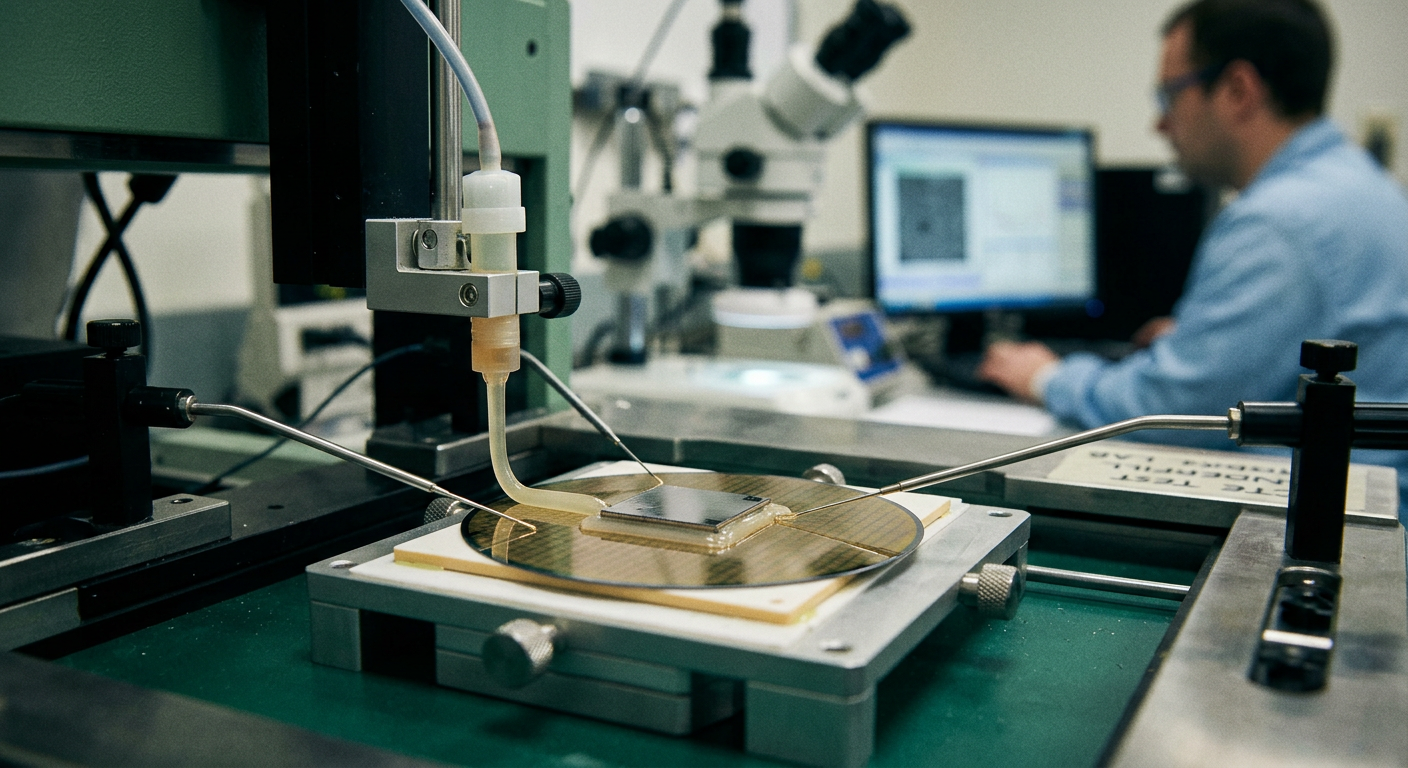
Low CTE underfill materials are used to reduce mechanical stress caused by the mismatch between silicon dies, solder bumps, organic substrates, ceramic substrates, and printed circuit boards. When devices are exposed to repeated heating and cooling cycles, this mismatch can cause solder fatigue, cracking, delamination, and electrical failure. A properly selected underfill helps redistribute stress, improve board-level reliability, and extend service life in demanding operating environments.
In the United States, the market is shaped by several forces. First, chip packaging continues to evolve toward smaller pitches, higher I/O density, and more thermally demanding architectures. Second, electric vehicles and ADAS systems require robust materials that tolerate harsh vibration and temperature cycling. Third, domestic semiconductor investment and reshoring initiatives are driving renewed attention to packaging materials, process reliability, and dual-sourcing strategies. Fourth, OEMs increasingly want suppliers that offer not just chemistry but also process support, traceability, and compliance readiness.
Another key factor is the purchasing behavior of U.S. electronics buyers. Many do not simply compare price per kilogram. Instead, they evaluate total cost of ownership: yield impact, dispense performance, void control, cure speed, rework implications, shelf life, lead time, and field reliability. That is why underfill sourcing decisions are often collaborative across procurement, packaging engineering, reliability engineering, and quality teams.
Market Growth Trend

The chart below illustrates a realistic view of market growth for low CTE underfill demand in the United States, reflecting expanding use in automotive electronics, data infrastructure, and advanced packaging.
Why Low CTE Matters in Thermal Stress Control
CTE stands for coefficient of thermal expansion. In electronics packaging, materials expand and contract at different rates when temperature changes. Silicon has a relatively low CTE, while many organic substrates and boards expand more. If the underfill material has a CTE that is too high, it may not effectively relieve thermal mismatch. If it is well engineered with a lower CTE, it can better support the die and solder interconnects during thermal cycling.
That does not mean the lowest possible CTE is always best in every design. Engineers also need to balance modulus, glass transition temperature, filler loading, viscosity, cure profile, and moisture resistance. An underfill that is too stiff may reduce one failure mode while increasing another. The correct solution depends on chip size, bump pitch, package architecture, operating temperature range, and process speed.
In U.S. manufacturing environments, common qualification tests include thermal cycling, HAST, biased HAST, high-temperature storage, drop testing, vibration, and shear testing. Materials that perform well in these validation routines are more likely to be approved for automotive, telecom, industrial, and aerospace applications.
Common Product Types
Low CTE underfill materials are not all the same. Buyers in the United States typically encounter several product families, each suited to different package structures and process windows.
| Product Type | Main Characteristics | Typical Use | Advantages | Limitations | Best Fit in U.S. Market |
|---|---|---|---|---|---|
| Capillary Flow Underfill | Dispensed after component attach and flows beneath die | Flip-chip on board and CSP reinforcement | Mature process, reliable stress distribution | Longer process cycle for large packages | Contract assembly and established packaging lines |
| No-Flow Underfill | Applied before chip placement and cures during reflow | High-volume packaging | Fewer process steps, faster throughput | Tighter process control required | Automotive and mobile electronics lines |
| Molded Underfill | Integrated with molding processes | Fan-out and advanced package forms | Efficient for scale and thin packages | Higher equipment and process complexity | Advanced semiconductor packaging |
| Corner Bond Underfill | Localized adhesive at component corners | BGA and board-level reinforcement | Fast application, selective support | Not as comprehensive as full underfill | Consumer and industrial assemblies |
| Wafer-Level Underfill | Applied at wafer stage for fine-pitch structures | WLP and chip-scale packages | Supports miniaturization and dense designs | Requires advanced process compatibility | High-end devices and sensors |
| Custom Epoxy Underfill | Tailored filler, viscosity, cure, and CTE profile | Special reliability applications | Optimized for exact design conditions | Qualification time can be longer | Medical, aerospace, defense, and EV electronics |
This table matters because product type often determines whether a material truly solves thermal stress problems. A buyer focused only on low CTE may overlook dispense behavior, cure integration, or package geometry. In practice, a well-matched capillary or custom epoxy underfill often delivers more reliable results than a theoretically attractive material that does not fit the assembly flow.
Industry Demand in the United States
Demand is strongest where electronics face thermal cycling, vibration, compact package design, or long service life requirements.
Applications and Use Cases
In automotive electronics, low CTE underfill is widely used in ADAS modules, engine control units, battery management systems, onboard chargers, and power modules. These products experience aggressive thermal cycling, especially in under-hood or high-load EV environments. In California and Michigan, where EV development and automotive R&D remain active, engineers often seek materials that can survive long qualification cycles without sacrificing throughput.
In telecom and networking, underfill materials help protect high-density packages inside switches, routers, RF modules, and optical communication hardware. States such as Texas and California remain important centers for this demand. Data centers also increase the need for reliable packaging, since heat generation and uptime expectations are both high.
In industrial control, programmable logic controllers, sensors, and power conversion systems often use underfill to improve mechanical resilience. These systems may be installed in factories, energy sites, or transportation infrastructure where vibrations and wide temperature ranges are common. Buyers serving the Midwest manufacturing base often focus on longevity, stable supply, and practical process support.
In aerospace and defense, low CTE underfill can be essential where compact electronics must withstand repeated thermal excursions, mechanical shock, and long field life. In such cases, documentation, lot traceability, and quality consistency often carry as much weight as initial purchase price.
In medical devices, packaging reliability matters because failure risk must be minimized in diagnostic, monitoring, and imaging systems. Biocompatibility may not always be central for the underfill itself, but low outgassing, stable cure properties, and consistent long-term performance are highly valued.
Supplier Comparison in the United States
The following supplier table highlights companies commonly considered for underfill and electronics adhesive sourcing in the United States. It focuses on market practicality rather than vague rankings.
| Company | Service Region | Core Strengths | Key Offerings | Typical Buyer Profile | Practical Note |
|---|---|---|---|---|---|
| Henkel | United States nationwide | Deep semiconductor packaging experience, broad technical support | LOCTITE underfills, encapsulants, electronics adhesives | OEMs, EMS providers, automotive electronics teams | Strong choice for large-scale and qualified programs |
| NAMICS | United States via distribution and technical channels | Advanced packaging materials, low-stress formulations | Underfills, die attach materials, conductive adhesives | Semiconductor packaging specialists | Often evaluated for fine-pitch and high-reliability packages |
| Master Bond | United States with direct engineering support | Custom epoxy expertise, specialty formulations | Epoxy underfills, potting compounds, adhesive systems | Medical, aerospace, industrial buyers | Useful where tailored performance is required |
| Panacol | North America technical coverage | Electronics adhesive engineering and curing know-how | Underfills, UV and dual-cure adhesives | Precision electronics manufacturers | Relevant for process-sensitive applications |
| Indium Corporation | United States and global support | Electronics assembly integration and materials expertise | Underfill-related assembly materials, solder solutions | Advanced assembly operations | Strong when full process compatibility matters |
| MacDermid Alpha Electronics Solutions | United States major manufacturing hubs | Broad electronics materials portfolio | Underfill-compatible assembly solutions and related materials | High-volume electronics producers | Often considered in integrated materials strategies |
| QinanX | United States export service with tailored support | Custom adhesive formulation, OEM/ODM flexibility, export experience | Electronic silicone, epoxy systems, potting compounds, custom adhesive solutions | Importers, private label buyers, distributors, industrial users | Competitive when cost-performance and customization are priorities |
This comparison shows that the best supplier is usually the one that matches the required package architecture, qualification burden, service expectations, and commercial model. Large multinational suppliers tend to be stronger in broad validation ecosystems, while flexible manufacturers can be attractive when customization, private labeling, or cost control is more important.
Trend Shift in Material Selection
The area chart below reflects how U.S. buyers are gradually shifting from standard underfills toward advanced low-stress and lower CTE systems as package density and reliability demands increase.
How to Evaluate Low CTE Underfill Materials
When sourcing in the United States, the evaluation process should go beyond datasheet headlines. Buyers should confirm the actual CTE below and above Tg, modulus behavior, filler content, viscosity at dispense temperature, cure time, glass transition temperature, moisture resistance, ionic cleanliness, storage conditions, and compatibility with substrate finishes. For automotive or industrial buyers, thermal cycling results may be more informative than a standalone CTE figure.
Procurement teams should also check practical details such as minimum order quantity, shelf-life management, lot consistency, and availability through domestic inventory or regional warehousing. Time lost due to customs delays or long replenishment cycles can easily outweigh small material price savings.
For projects involving redesign, engineers should ask whether a supplier can support material tuning. In some cases, a slightly modified filler system or viscosity profile can materially improve capillary flow, fillet shape, or stress distribution. That is why access to responsive formulation expertise often matters as much as access to catalog stock.
Buying Criteria Table
| Criterion | Why It Matters | What to Ask Supplier | Common Risk | Best Practice | Priority Level |
|---|---|---|---|---|---|
| CTE Performance | Directly affects thermal mismatch control | Request CTE values below and above Tg | Choosing only by one CTE number | Compare against actual package stack-up | Very High |
| Viscosity and Flow | Determines fill quality under fine-pitch devices | Ask for dispense temperature and flow data | Void formation or incomplete fill | Run line trials on target geometry | Very High |
| Cure Profile | Impacts cycle time and substrate stress | Confirm cure window and reflow compatibility | Bottlenecks in production throughput | Match cure profile to current line setup | High |
| Reliability Data | Shows real-world durability | Review thermal cycling and moisture tests | Field failures after launch | Request application-specific test records | Very High |
| Supply Stability | Supports production continuity | Ask about lead time and backup inventory | Unexpected shortages | Qualify at least one alternate source | High |
| Technical Support | Reduces troubleshooting time | Confirm on-site or remote engineering support | Slow problem resolution | Choose supplier with fast response routines | High |
| Compliance | Needed for regulated procurement | Request RoHS, REACH, and quality certificates | Approval delays | Keep compliance files current | Medium to High |
This table helps teams structure supplier conversations. In the U.S. market, failed underfill selection often traces back not to chemistry alone, but to incomplete questions during qualification.
Detailed Supplier Analysis
Henkel is a frequent first choice for major OEMs and contract manufacturers because it offers an extensive electronics materials portfolio and long experience supporting advanced assembly environments. U.S. buyers often value its technical infrastructure, qualification familiarity, and broad service reach across key industrial regions.
NAMICS is widely respected in semiconductor packaging circles, especially where lower-stress and more advanced package reliability are central. Buyers focused on fine-pitch interconnects and performance-led packaging often include it in competitive evaluations.
Master Bond is especially relevant for buyers who need specialty epoxy systems or engineering collaboration rather than pure catalog purchasing. In the United States, that makes it appealing for aerospace, defense, industrial, and medical projects with complex reliability demands.
Panacol remains relevant for precision electronics applications where cure behavior and process sensitivity matter. Buyers seeking nuanced material-process fit may find it useful in high-value projects.
Indium Corporation brings strength where underfill decisions intersect with broader electronics assembly chemistry and soldering ecosystems. Its practical value often rises in advanced manufacturing lines that want coordinated material support.
MacDermid Alpha Electronics Solutions is often considered by high-volume electronics manufacturers that prefer suppliers with broad process familiarity and integrated materials capability across the assembly flow.
QinanX is a practical option for U.S. buyers who need a flexible cooperation model rather than a one-size-fits-all catalog transaction. The company’s adhesive manufacturing base in Qingdao supports a broad electronics and industrial materials portfolio, including electronic silicone, epoxy systems, and potting technologies relevant to thermal stress management. Its ISO-certified operations and compliance with RoHS and REACH, together with multi-stage quality control and digital traceability, provide concrete evidence of process discipline expected by international buyers. For cooperation, the company supports OEM, ODM, private label, wholesale, distribution, and direct industrial sourcing, which fits end users, importers, brand owners, regional dealers, and smaller specialized buyers across the U.S. market. Backed by automated production lines, custom formulation capability, export service in more than 40 countries, free sample programs, and ongoing technical assistance, QinanX operates with the kind of pre-sale and after-sale structure U.S. buyers expect when qualifying a long-term supply partner rather than a one-off remote exporter. Buyers looking for a responsive route to customized adhesive performance can explore product options here or review the company background on the about us page.
Industries Using Low CTE Underfill
| Industry | Typical Devices | Main Thermal Stress Challenge | Why Low CTE Underfill Helps | Important U.S. Regions | Purchase Focus |
|---|---|---|---|---|---|
| Automotive | ADAS, BMS, ECUs, power modules | Wide temperature swings and vibration | Protects solder joints and extends life | Michigan, Texas, California | Qualification depth and long-term reliability |
| Consumer Electronics | Wearables, smart devices, compact boards | Miniaturization and dense interconnects | Reinforces fine-pitch packages | California, Texas | Throughput and cost balance |
| Telecom | RF modules, switches, network hardware | Continuous heat exposure | Improves package stability over cycles | Texas, California, East Coast hubs | Process consistency |
| Industrial Control | Sensors, PLCs, power electronics | Harsh operating environments | Reduces fatigue and cracking risk | Midwest, Southeast | Stable supply and rugged performance |
| Medical Devices | Imaging, monitoring, diagnostics | Long service life and reliability needs | Enhances package durability | Minnesota, Massachusetts, California | Documentation and consistency |
| Aerospace and Defense | Avionics, guidance, rugged electronics | Shock, vibration, severe cycling | Supports interconnect integrity | Arizona, California, Alabama | Traceability and qualification support |
This industry view shows how application context changes the buying decision. Automotive programs usually emphasize thermal cycling and supply continuity, while aerospace and medical buyers often place greater weight on documentation, traceability, and engineering collaboration.
Case Studies and Practical Scenarios
A U.S. automotive electronics supplier in Texas developing a battery management module may find that solder joints on fine-pitch devices begin to show early fatigue after repeated high-low thermal cycling. By moving from a standard underfill to a lower CTE, filler-optimized formulation with balanced modulus, the company can often reduce stress concentration and improve cycle life without redesigning the full package stack. The commercial benefit is not just fewer failures, but lower validation risk and more confidence when scaling production.
A California networking equipment manufacturer may be dealing with compact processor packages that run hot and experience repeated power cycling. In that case, selecting an underfill with a better thermal mismatch profile and stronger adhesion to both die and substrate can improve uptime and reduce field returns. The best result usually comes when material selection is linked to dispense pattern optimization and cure profile tuning.
An aerospace electronics contractor in Arizona may require a custom epoxy underfill with lower CTE, high glass transition temperature, and strong performance under prolonged thermal stress. Here, catalog selection alone may not be enough. Buyers often prefer suppliers that can discuss exact package geometry, qualification methods, and failure analysis findings before finalizing the formulation.
A Midwest industrial controls manufacturer may not need the most advanced semiconductor packaging material, but it still benefits from low CTE underfill when exposed to plant-floor temperature shifts and vibration. In these cases, the key procurement question is whether the added reliability justifies the process cost. Frequently, the answer is yes for mission-critical assemblies.
Supplier and Product Comparison Chart
The chart below compares representative supplier positioning across four criteria that matter to many U.S. buyers: technical support, customization, qualification familiarity, and cost-performance balance.
Buying Advice for United States Buyers
Start by defining the package type, operating temperature range, expected service life, and key reliability failure mode. Then shortlist materials that align with both performance targets and production reality. Ask each supplier for datasheets, thermal cycling evidence, recommended dispense settings, cure schedules, and examples of similar applications. If the assembly is high value, run controlled trials instead of relying on paper comparison alone.
It is also wise to think geographically. If your production is in Arizona, Texas, or California, supplier responsiveness and logistics through major distribution corridors can materially affect uptime. Materials delivered through stable U.S. channels or supported by dependable international trade routes into ports such as Los Angeles, Long Beach, Houston, and New York/New Jersey are easier to integrate into production planning.
For distributors and brand owners, the right supplier may also be the one willing to support packaging customization, labeling, and regional sales strategies. That is where flexible manufacturers with OEM and ODM capabilities can become competitive, particularly if they combine pricing discipline with export documentation and fast technical response.
Future Trends Through 2026
By 2026, low CTE underfill demand in the United States is expected to rise further as advanced packaging expands, electric vehicles scale, and semiconductor reshoring continues. Several trends are especially important. Material systems are moving toward lower warpage, finer-pitch compatibility, and more stable performance under aggressive thermal cycling. There is also growing interest in formulations that maintain reliability while supporting faster cure schedules and lower-energy processing.
Policy trends will matter as well. Federal and state-level support for semiconductor and advanced manufacturing investment is likely to strengthen demand for domestically supported materials supply chains, dual sourcing, and qualification-ready documentation. Sustainability expectations are also becoming more visible. Buyers increasingly ask about solvent reduction, controlled hazardous substance management, traceability, packaging efficiency, and overall lifecycle discipline. In that environment, suppliers that can demonstrate compliance, process transparency, and scalable manufacturing control will be better positioned.
Another important shift is the expansion of collaboration between materials suppliers and device designers. Instead of selecting underfill late in the process, more U.S. companies are integrating adhesive and encapsulation decisions earlier in package development. That improves the odds of achieving the right balance among thermal stress reduction, manufacturability, and total cost.
Our Company
For U.S. buyers evaluating practical alternatives in this field, QinanX offers a useful combination of formulation flexibility and manufacturing discipline. The company develops and manufactures industrial adhesives across silicone, polyurethane, acrylic, epoxy, hot melt, cyanoacrylate, and water-based systems, with relevant strengths in electronic silicone, epoxy adhesive, and potting technologies that support demanding electronics assemblies. Its ISO-certified quality system, alignment with RoHS and REACH, automated production lines, and multi-stage QC process with digital traceability provide the kind of evidence-based quality assurance many American buyers require before qualification. Because QinanX supports OEM, ODM, wholesale, retail, private label, and regional distribution models, it can work with end users, importers, distributors, dealers, and brand owners that need either standard supply or customized market-facing programs. Its export experience across more than 40 countries, free sample policy, and continuous technical support make it suitable for U.S. partners seeking a supplier invested in long-term account development, with both online and project-based pre-sale and after-sale service designed to reduce procurement and application risk. Buyers ready to discuss specifications can contact the team here.
FAQ
What does low CTE underfill do in electronics packaging?
It reduces thermal mismatch stress between materials such as silicon, solder, and substrate, helping prevent fatigue, cracking, and delamination during temperature cycling.
Is the lowest CTE always the best choice?
No. CTE must be balanced with modulus, viscosity, cure behavior, adhesion, and moisture resistance. The best material is the one that fits the whole package and process condition.
Which U.S. industries buy low CTE underfill most often?
Automotive electronics, telecom, consumer electronics, industrial control, aerospace, defense, and medical device manufacturers are among the most active buyers.
Can international suppliers compete in the United States?
Yes. If they provide compliance documentation, consistent quality control, export experience, custom formulation support, and dependable pre-sale and after-sale service, they can be very competitive.
How should I compare suppliers?
Review reliability data, technical support capability, lead time, consistency, customization options, and how well the material performs in your actual application trial.
What are the key tests before approval?
Common tests include thermal cycling, high-temperature storage, moisture resistance evaluation, adhesion checks, dispense verification, and sometimes vibration or drop testing depending on the end use.
Does underfill selection affect manufacturing speed?
Yes. Viscosity, flow rate, cure profile, and storage requirements all influence throughput, yield, and production planning.
What should a distributor or private label buyer look for?
Look for flexible MOQ policies, custom packaging, regional distribution support, stable documentation, and a supplier that can protect margin without sacrificing consistency.

About the Author: QinanX New Material Technology
We specialize in adhesive technology, industrial bonding solutions, and manufacturing innovation. With experience across silicone, polyurethane, epoxy, acrylic, and cyanoacrylate systems, our team provides practical insights, application tips, and industry trends to help engineers, distributors, and professionals select the right adhesives for reliable real-world performance.

Product Category
You May Also Interest
-
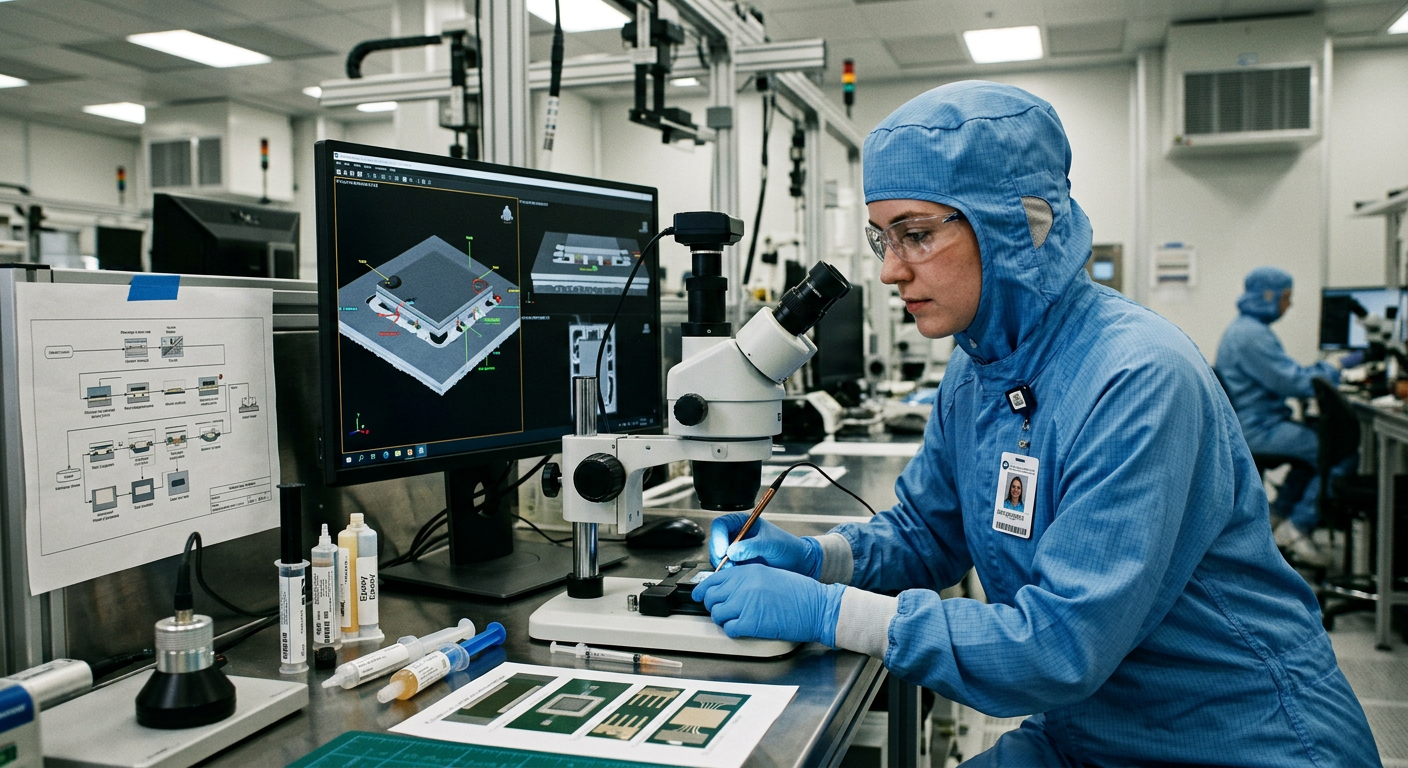
IC Packaging Adhesive: Preventing Void Formation Issues
Learn how IC packaging adhesive void formation is prevented in the United States through material choice, process control, supplier selection, and testing.
-
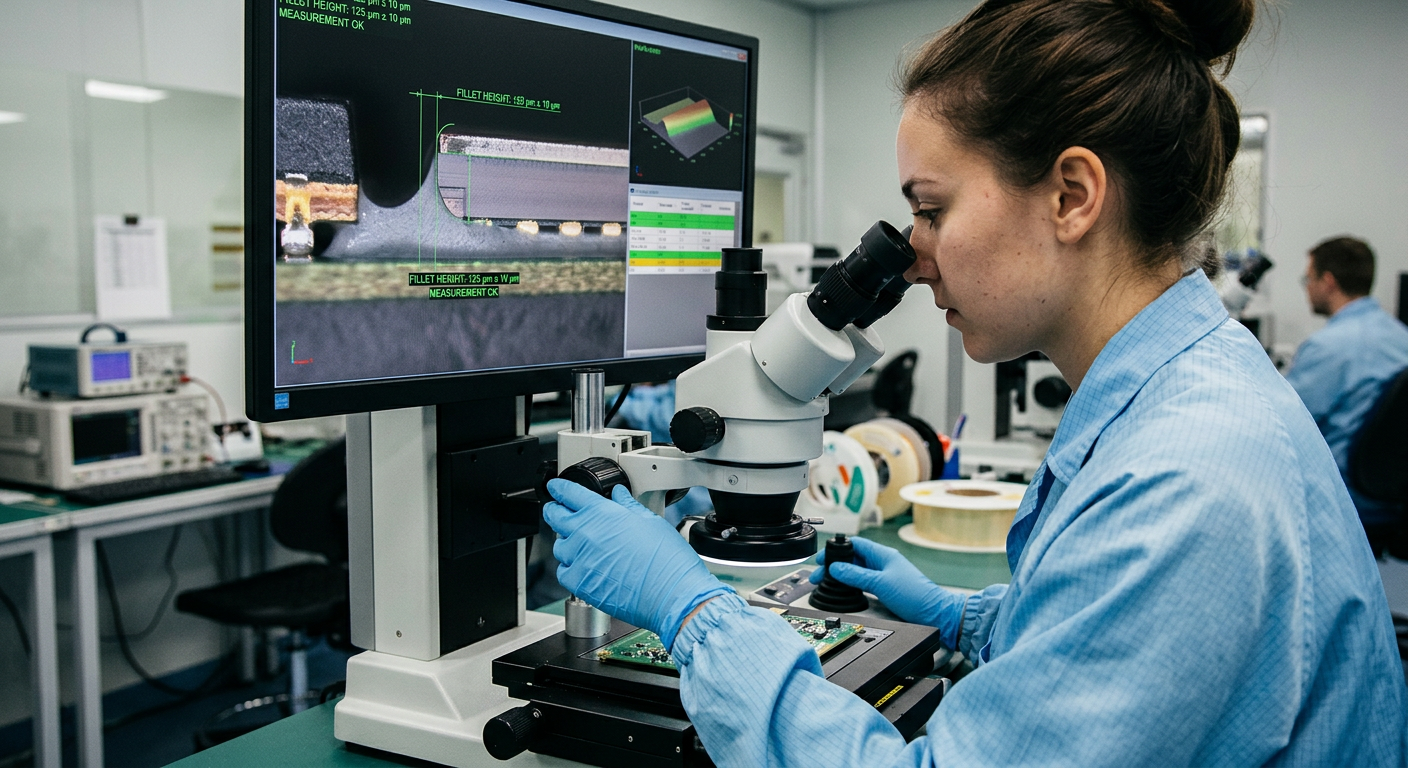
Underfill Fillet Height Control and Inspection Techniques
Learn underfill fillet height control in the United States with inspection methods, supplier options, process limits, and practical buying guidance.
-
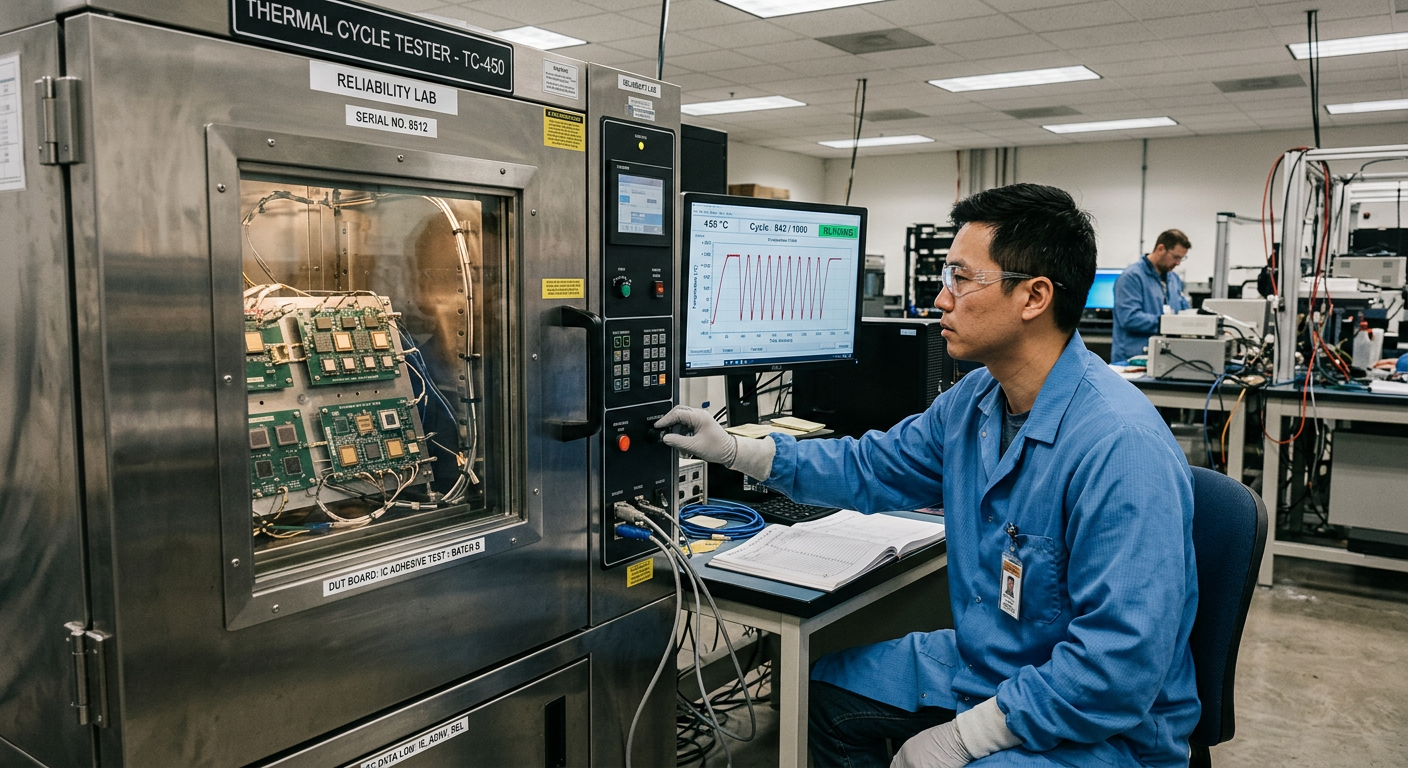
IC Package Adhesive Thermal Cycling Reliability Testing
IC packaging adhesive thermal cycling in the United States requires reliable material selection, supplier review, and test planning for electronics durability.
-

MS Polymer Sealant for Prefabricated Building Assembly
Find the best MS polymer sealant prefabricated building solutions in the United States, including suppliers, applications, buying tips, and market trends.
 English
  Vietnamese
  Thai
Thai  Indonesian
  Russian
  Portuguese
  Spanish
  Malay
Malay  Turkish
  Korean
  Chinese