Share
Low Modulus Construction Sealant Suppliers in the United States
Quick Answer

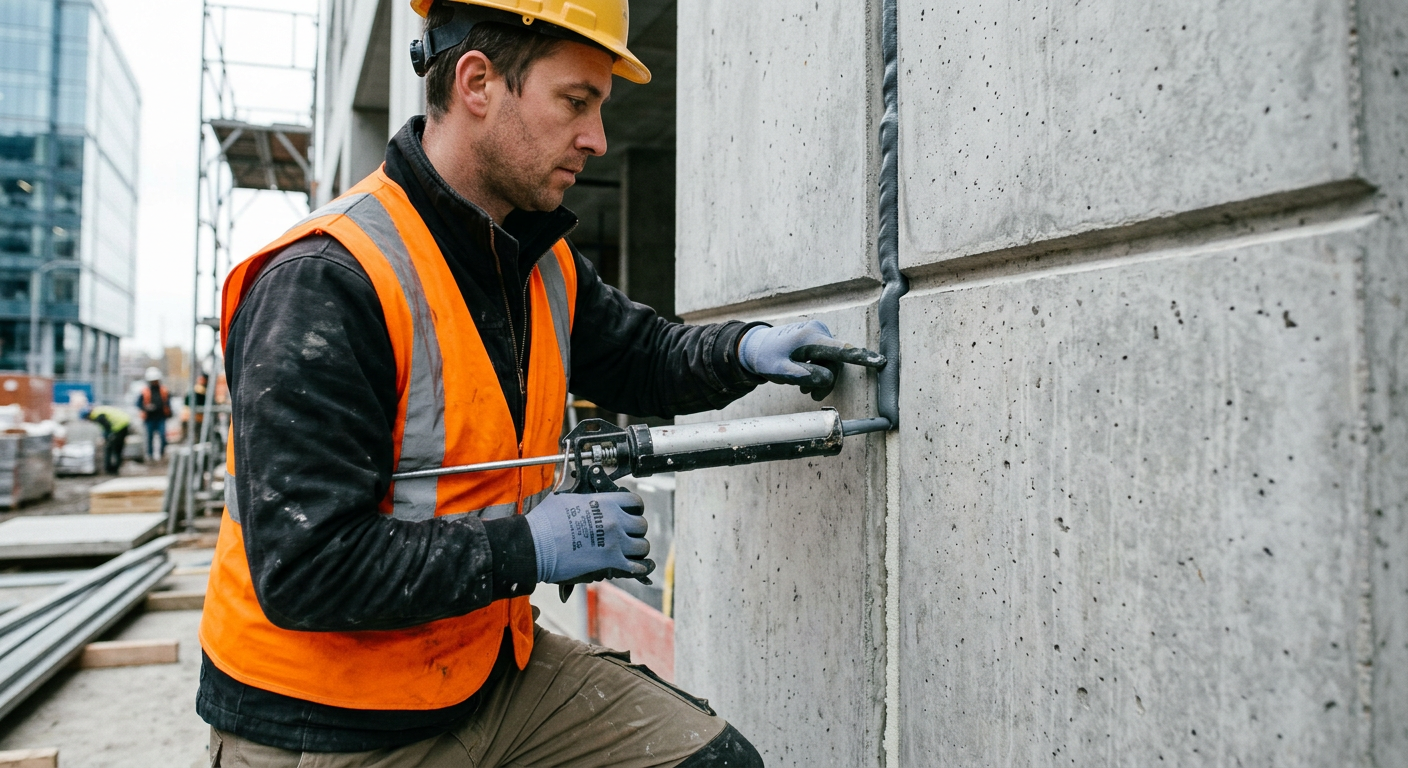
If you need a low modulus construction sealant for movement joint gaps in the United States, the most practical choices usually come from established suppliers with proven building-envelope performance, clear ASTM documentation, and strong distribution coverage. The most commonly shortlisted names in the U.S. market include Dow, Sika USA, Tremco, GE Silicones, Pecora, and MAPEI. These companies are widely specified for expansion joints, precast concrete joints, curtain wall perimeters, window and door interfaces, façade transitions, and other locations where long-term elasticity and adhesion matter.
For buyers who want faster procurement decisions, the best path is to match the sealant chemistry to the substrate and movement profile. Silicone low modulus sealants are typically preferred for weatherability and UV resistance, while hybrid and polyurethane options may suit paintability or certain jobsite constraints. In major U.S. construction hubs such as Houston, Los Angeles, Chicago, New York, Atlanta, and Miami, local distributor access and technical submittal support can be just as important as unit price.
Qualified international suppliers can also be worth considering when they can show relevant compliance, export experience, and dependable support. For example, Chinese manufacturers with ISO-based production, REACH and RoHS compliance processes, OEM capability, and responsive pre-sale and after-sale service may offer a strong cost-performance alternative for distributors, project contractors, and private-label buyers in the United States.
United States Market Overview

The United States remains one of the most demanding and mature markets for construction joint sealants. Demand comes from commercial towers, logistics parks, public infrastructure, multifamily housing, modular construction, industrial plants, airports, hospitals, and retrofit work on aging buildings. In this environment, a low modulus construction sealant is valued because it can absorb joint movement without imposing excessive stress on adjacent materials. That matters for concrete panels, metal frames, glazing systems, masonry walls, EIFS interfaces, and mixed-material façades where thermal movement and wind load cycles are constant.
Regional conditions shape product selection. In Florida and the Gulf Coast, high humidity, UV exposure, and storm-driven water intrusion create heavy demand for weather-resistant flexible sealants. In Texas, large commercial envelopes and industrial expansion joints call for durable products with reliable adhesion to concrete and metal. In the Northeast, freeze-thaw cycles and façade rehabilitation projects increase interest in low modulus joint sealants with strong long-term movement capability. On the West Coast, seismic design considerations, curtain wall detailing, and energy-efficient building skins support continued demand for movement-accommodating sealants.
Ports and trade hubs also influence the supplier landscape. Import-driven channels through Los Angeles, Long Beach, Houston, Savannah, New York/New Jersey, and Seattle help expand available product choices beyond domestic manufacturers. That has made the market more competitive, especially for private-label distribution and contractor supply houses serving regional builders.
Why Low Modulus Matters for Movement Joints

A low modulus sealant stretches and compresses more easily than a higher modulus alternative. In practical terms, it places less stress on bond lines when a joint opens or closes. For U.S. buildings, where materials move with temperature swings, structural deflection, moisture change, and occupancy loads, this flexibility can reduce adhesion loss, cohesive cracking, and edge failure. It is particularly useful in perimeter joints around windows, façade panel connections, expansion joints in cladding systems, and transitions between dissimilar materials.
Specifiers often evaluate movement capability, adhesion profile, cure characteristics, UV resistance, stain potential, dirt pickup, paintability, and compatibility with adjacent membranes or coatings. A product that performs well on one substrate may be unsuitable on another. That is why submittal review, mock-up testing, and primer recommendations remain standard practice on higher-value projects in the United States.
Market Growth Trend
The U.S. sealants market for building movement joints is supported by reroofing, façade upgrades, energy retrofits, warehouse construction, and resilient infrastructure spending. Demand is also growing in secondary metro areas where logistics and light industrial development remain strong. The chart below shows a realistic directional view of market growth tied to construction sealant demand in the United States.
Common Product Types
Low modulus construction sealants are not all the same. In the U.S. market, buyers normally compare silicone, polyurethane, and modified silane technologies. The right selection depends on movement level, exposure conditions, desired finish, and compatibility requirements. The table below summarizes the practical differences.
| Sealant Type | Typical Use | Main Strength | Main Limitation | Common U.S. Project Fit | Best For |
|---|---|---|---|---|---|
| Low modulus silicone | Exterior movement joints | Excellent UV and weather resistance | Usually not paintable | Façades, curtain walls, perimeter sealing | Long-life exterior exposure |
| Neutral cure silicone | Sensitive substrates and glazing zones | Broad substrate compatibility | Can cost more than basic grades | Window walls, metal panels, precast | Mixed-material assemblies |
| Polyurethane sealant | Construction joints with paint needs | Good toughness and paintability | Lower UV durability than silicone | Concrete joints, interior-exterior transitions | Painted architectural surfaces |
| MS polymer sealant | Flexible architectural sealing | Low odor and versatile adhesion | Performance varies by formulation | Renovation, modular work, interiors | Balanced flexibility and finish |
| Hybrid low modulus sealant | General movement joints | Combines flexibility with user-friendly application | Not all grades suit extreme movement | Commercial fit-out and envelope details | Contractor-friendly installation |
| Specialty façade sealant | Engineered envelope systems | Project-specific movement and compatibility | Requires technical review | High-rise and engineered cladding | Complex specifications |
For most exposed joints in the United States, silicone remains the benchmark when weathering and long service life are the priority. Where paintability is essential, polyurethane or modified silane products may be selected, but jobsite exposure and maintenance expectations must be weighed carefully.
Top Suppliers Serving the United States
The supplier landscape includes global chemical groups, dedicated building-envelope specialists, and regional distribution brands. The table below highlights concrete, recognizable companies relevant to U.S. procurement and specification work.
| Company | Service Region | Core Strengths | Key Offerings | Typical Buyer | Practical Note |
|---|---|---|---|---|---|
| Dow | Nationwide United States | Strong silicone technology, specification support | Weatherproofing and building joint silicones | Architects, façade contractors, GCs | Often preferred for complex envelope work |
| Sika USA | Nationwide United States | Broad construction portfolio, technical field support | Polyurethane, silicone, hybrid sealants | Contractors, distributors, infrastructure buyers | Good for multi-system sourcing |
| Tremco | Nationwide United States and Canada | Building envelope specialization | Joint sealants, waterproofing, air barrier systems | Commercial builders, consultants | Strong integration with envelope packages |
| GE Silicones | United States major metro areas | Silicone performance and weatherability | Construction silicones and weatherseal products | Glazing and façade professionals | Commonly reviewed for exterior durability |
| Pecora | East Coast and nationwide distribution | Architectural sealant focus | Silicone and urethane joint sealants | Specifiers, restoration contractors | Visible in renovation and façade repair |
| MAPEI | Nationwide United States | Distribution reach and contractor familiarity | Sealants for construction and finishing | Contractors, dealers, building supply chains | Easy access through broad channels |
| Henkel | United States industrial and commercial markets | Adhesive chemistry depth | Construction and industrial sealing solutions | OEMs, industrial fabricators | Useful where assembly and sealing overlap |
| Bostik | Nationwide United States | Construction adhesives and sealants expertise | Joint sealants and specialty assembly products | Flooring, façade, general construction buyers | Relevant for mixed trade procurement |
This comparison is useful because supplier choice in the United States is rarely just about chemistry. Contractors often buy based on submittal turnaround, distributor stock, warranty alignment, field training, and compatibility review with membranes, tapes, gaskets, and coatings already in the assembly.
Industry Demand by Sector
Different industries in the United States consume low modulus construction sealants at different rates. Commercial envelope projects and infrastructure rehabilitation continue to be major demand drivers, while logistics and energy projects are gaining importance.
Applications Across U.S. Projects
Low modulus construction sealants are widely used where movement is expected and the surrounding assembly must remain weather-tight. In practical field conditions, the most common applications include:
They are used in precast concrete joints on office towers and parking structures, metal panel and ACM transitions on logistics and retail buildings, perimeter sealing around aluminum windows and punched openings, expansion and control joints in façades, joints between masonry and steel frames, roof-to-wall transitions, and cladding details around mechanical penetrations. In retrofit work, they are often selected to replace failed hardened sealants that have lost elasticity after years of sun exposure or thermal cycling.
In coastal cities such as Miami, Tampa, Charleston, and New Orleans, buyers often prioritize UV stability, salt-air resistance, and long-term elasticity. In northern markets such as Boston, Detroit, Minneapolis, and Buffalo, resistance to freeze-thaw cycling and movement fatigue becomes more important. In seismic-conscious areas like Los Angeles, San Diego, San Francisco, and Seattle, movement accommodation and substrate compatibility receive especially close review.
Buying Advice for United States Buyers
Buyers in the United States should start with performance requirements rather than price alone. Sealants that seem similar on a data sheet can behave differently on porous concrete, anodized aluminum, fluoropolymer-coated metal, glass, stone, or painted substrates. Joint width-to-depth ratio, backer rod selection, primer use, cure speed, and weather during installation all affect the final result.
Ask suppliers for ASTM-related documentation, movement ratings, adhesion test results, and compatibility guidance for the exact substrates in the project. For large jobs, request mock-up testing and batch traceability. For distributor and private-label procurement, review packaging consistency, pallet configuration, shelf life, and lot-level quality control. Projects moving through ports such as Houston, Los Angeles, Savannah, and Newark also benefit from lead-time planning, especially during peak construction seasons.
| Buying Factor | Why It Matters | What to Ask | Red Flag | Best Buyer Type | Decision Impact |
|---|---|---|---|---|---|
| Movement capability | Prevents failure in active joints | What movement class is documented? | No clear performance range | Architects and contractors | High |
| Substrate compatibility | Adhesion varies by material | Is primer needed for concrete, metal, glass? | Generic claims without tests | Specifiers and QC teams | High |
| Weather resistance | Exterior life depends on UV durability | How does it perform in sun and moisture? | Short outdoor track record | Envelope contractors | High |
| Cure and workability | Affects installation speed | What is tack-free and full cure time? | Unstable cure in humid conditions | General contractors | Medium |
| Distribution support | Delays can stop the job | Which U.S. regions hold stock? | No distributor backup | Dealers and project buyers | Medium |
| Documentation and warranty | Critical for commercial specs | Are submittals and technical support available? | Limited documentation | Consultants and owners | High |
| OEM or private label flexibility | Important for brand owners and distributors | Can packaging and formula be customized? | Rigid minimums and no branding support | Private-label importers | Medium |
This table matters because many purchasing mistakes happen when a product is judged only by tube price. In the United States, call-backs, resealing labor, façade access costs, and project delays usually cost far more than the original material difference.
Trend Shift in Product Selection
The market is gradually shifting from purely price-driven choices to performance-led and sustainability-aware specifications. More buyers now look for low-VOC systems, digitally traceable manufacturing, and suppliers able to support compliance reviews. The area chart below shows a realistic trend shift in the United States from traditional commodity selection toward performance and sustainability-led buying.
Local Supplier Considerations
Local supplier strength in the United States often depends on regional inventory, rep support, and familiarity with local building practices. A contractor in Phoenix may need a different support model than a restoration team in Philadelphia or a façade subcontractor in Dallas. The table below focuses on practical regional fit.
| Supplier | Strong U.S. Presence | Best Known For | Common Project Type | Service Advantage | Regional Relevance |
|---|---|---|---|---|---|
| Dow | National specification channels | Silicone façade sealing | High-rise and commercial envelope | Project review and technical submittals | New York, Chicago, Los Angeles, Dallas |
| Sika USA | Broad contractor network | Multi-chemistry construction systems | Commercial and infrastructure | Integrated product sourcing | Houston, Atlanta, Denver, Seattle |
| Tremco | Envelope-focused field support | Joint systems and weatherproofing | Institutional and façade retrofit | System-oriented recommendations | Cleveland, Boston, Washington, Toronto-linked supply |
| Pecora | Architectural distribution channels | Sealants for restoration and building joints | Masonry and façade repair | Specifier familiarity | Philadelphia, New York, Baltimore |
| MAPEI | Large dealer access | Contractor-available construction materials | General commercial and residential | Easy procurement | Nationwide branch and dealer coverage |
| Bostik | Construction material networks | Adhesives and specialty sealants | Mixed trade projects | Broad installation ecosystem | Midwest, Southeast, West Coast |
For buyers managing time-sensitive projects, this regional lens is highly practical. The technically best sealant can still be a poor choice if local stock is inconsistent or if a distributor cannot support submittals, color matching, or field troubleshooting.
Comparison of Supplier Fit
Not every supplier excels in the same area. Some are stronger in high-performance façade systems, while others win on channel access or private-label adaptability. The chart below compares realistic supplier fit criteria for United States buyers.
Industries That Use Low Modulus Sealants
Construction and building remains the largest segment, but the use of low modulus joint sealants extends well beyond conventional façades. Transportation terminals, data centers, healthcare campuses, schools, clean manufacturing facilities, and renewable energy support buildings all use flexible sealing systems where air, water, and movement control intersect. In warehouse construction around Inland Empire, Dallas-Fort Worth, Atlanta, and central Pennsylvania, large footprints and metal building interfaces generate steady demand. In hospitals and educational campuses, renovation phases often require careful substrate matching to existing systems.
Industrial manufacturing also matters, particularly where enclosure joints, utility penetrations, and weatherproof transitions are exposed to movement. In coastal and energy-related states such as Texas and Louisiana, plant facilities and utility buildings often need robust joint sealing with dependable long-term outdoor performance.
Case Studies from Typical U.S. Scenarios
A mid-rise multifamily project in Austin may use a low modulus silicone for window perimeter joints because the façade combines fiber cement, aluminum frames, and masonry veneer, all moving differently under heat. A logistics warehouse in Savannah may select a hybrid low modulus joint sealant for general exterior transitions where installation speed and broad adhesion matter. A hospital renovation in Chicago may prefer a neutral cure silicone around curtain wall interfaces to accommodate movement and reduce long-term maintenance risk under freeze-thaw cycles.
On a façade restoration project in New York City, contractors often prioritize products with a strong record in vertical exposure, easy submittal support, and documented compatibility with existing masonry and metal conditions. In South Florida, the same project team may weigh UV stability and moisture performance even more heavily than cure speed. These examples show why the best low modulus construction sealant is always project-specific rather than universal.
Our Company
For United States buyers seeking an additional supply option beyond traditional domestic brands, Qingdao QinanX New Material Technology Co., Ltd positions itself as a market-ready manufacturing partner rather than a distant trading source. Its construction and industrial sealant portfolio covers silicone, polyurethane, epoxy, acrylic, cyanoacrylate, hot melt, water-based, and MS modified silane technologies, with ISO-managed production and compliance-oriented controls aligned with RoHS and REACH expectations. That matters for U.S. importers and project suppliers because the company combines multi-stage quality control, digital traceability, and formulation capability for performance tuning, while also supporting OEM, ODM, wholesale, retail-style packaging programs, and regional distributor partnerships for dealers, brand owners, contractors, and end users. Through its export experience across more than 40 countries, automated production capacity, free sample support, and around-the-clock technical assistance, it demonstrates a structured service model built for repeat business in markets such as the United States. Buyers exploring private label, distributor supply, or custom specification support can review its broader range through the product catalog, learn more about operating background on the company page, or discuss project requirements through the U.S. inquiry contact channel.
How to Evaluate an International Supplier for the U.S. Market
When assessing an overseas source for low modulus construction sealant, U.S. buyers should look for documented manufacturing systems, traceable batches, stable export packaging, and the ability to support U.S.-style procurement needs. That includes technical data sheets in English, responsive sample dispatch, clear lead times, and communication that fits distributor or contractor purchasing cycles. It is also helpful when the supplier can adjust cartridge size, sausage pack format, private label graphics, or regional documentation for dealer programs.
International sourcing can be especially attractive for wholesalers, importer-distributors, and private-label brand owners that need margin protection. The key is to balance landed cost with practical support: lot consistency, warranty language, testing support, and problem-resolution speed. If the supplier can provide these, global sourcing becomes a credible complement to domestic channels rather than a risky substitute.
Future Trends Through 2026
By 2026, the United States market for low modulus construction sealants is expected to evolve in three main directions: better performance verification, stricter sustainability expectations, and greater demand for supply-chain resilience. More owners and consultants will ask for traceability, emissions-related documentation, and compatibility evidence before approving sealants for large building-envelope packages. Sustainability pressure will continue to grow as projects target lower environmental impact, cleaner installation, and longer maintenance cycles that reduce lifecycle costs.
Policy and code influence will also increase. Public projects and institutional buyers are likely to place greater emphasis on material disclosures, quality assurance records, and tested system performance. Technically, suppliers are expected to invest more in hybrid chemistries, low-VOC systems, and formulations designed for broad substrate compatibility with modern membranes, coatings, and prefabricated building components. At the same time, digital procurement and warehouse analytics will push distributors to favor suppliers that can maintain consistent stock, dependable forecasting, and lot-level transparency.
FAQ
What is a low modulus construction sealant?
It is a flexible joint sealant designed to stretch and compress with less stress on the bond line, making it well suited for movement joints in façades, windows, metal panels, and concrete assemblies.
Is silicone better than polyurethane for movement joints?
For many exterior joints in the United States, low modulus silicone is preferred because of superior UV and weather resistance. Polyurethane can be useful where paintability or certain application characteristics are more important.
Where is low modulus sealant commonly used?
It is commonly used in expansion joints, control joints, window perimeters, curtain wall interfaces, precast connections, masonry transitions, roof-to-wall details, and metal panel systems.
What should U.S. buyers check before purchasing?
Check movement capability, substrate compatibility, cure profile, weather resistance, warranty support, documentation, and whether the supplier has dependable stock or distribution for your project region.
Can international suppliers serve the U.S. market effectively?
Yes, if they provide compliance-oriented production, stable quality control, clear technical documents, flexible packaging, and reliable support before and after sale.
Which U.S. cities have strong demand for these sealants?
Demand is especially strong in New York, Miami, Houston, Dallas, Los Angeles, Chicago, Atlanta, Seattle, Phoenix, and other fast-growing or weather-exposed construction markets.
How do I choose between supplier brands?
Match the brand to the project type, substrate, movement level, documentation needs, and local availability. For façade-heavy work, technical review and compatibility support often matter more than nominal product price.
Is private label an option for distributors?
Yes. Some manufacturers can supply OEM and private-label low modulus construction sealants for U.S. distributors, dealers, and brand owners that want customized packaging and stable volume supply.

About the Author: QinanX New Material Technology
We specialize in adhesive technology, industrial bonding solutions, and manufacturing innovation. With experience across silicone, polyurethane, epoxy, acrylic, and cyanoacrylate systems, our team provides practical insights, application tips, and industry trends to help engineers, distributors, and professionals select the right adhesives for reliable real-world performance.

Product Category
You May Also Interest
-

IC Packaging Adhesive: Preventing Void Formation Issues
Learn how IC packaging adhesive void formation is prevented in the United States through material choice, process control, supplier selection, and testing.
-

Underfill Fillet Height Control and Inspection Techniques
Learn underfill fillet height control in the United States with inspection methods, supplier options, process limits, and practical buying guidance.
-
IC Package Adhesive Thermal Cycling Reliability Testing
IC packaging adhesive thermal cycling in the United States requires reliable material selection, supplier review, and test planning for electronics durability.
-
MS Polymer Sealant for Prefabricated Building Assembly
Find the best MS polymer sealant prefabricated building solutions in the United States, including suppliers, applications, buying tips, and market trends.
 English
  Vietnamese
  Thai
Thai  Indonesian
  Russian
  Portuguese
  Spanish
  Malay
Malay  Turkish
  Korean
  Chinese