Share
Polyurethane Adhesive Shelf Life in the United States
Quick Answer

Polyurethane adhesive shelf life in the United States usually ranges from 6 to 12 months for many one-component moisture-curing products, while some two-component polyurethane adhesive systems can remain usable for 12 to 24 months when stored unopened under manufacturer-recommended conditions. In practice, shelf life depends on formulation, packaging barrier quality, moisture exposure, storage temperature, and whether the product is solvent-free, reactive, water-based, or hot melt.
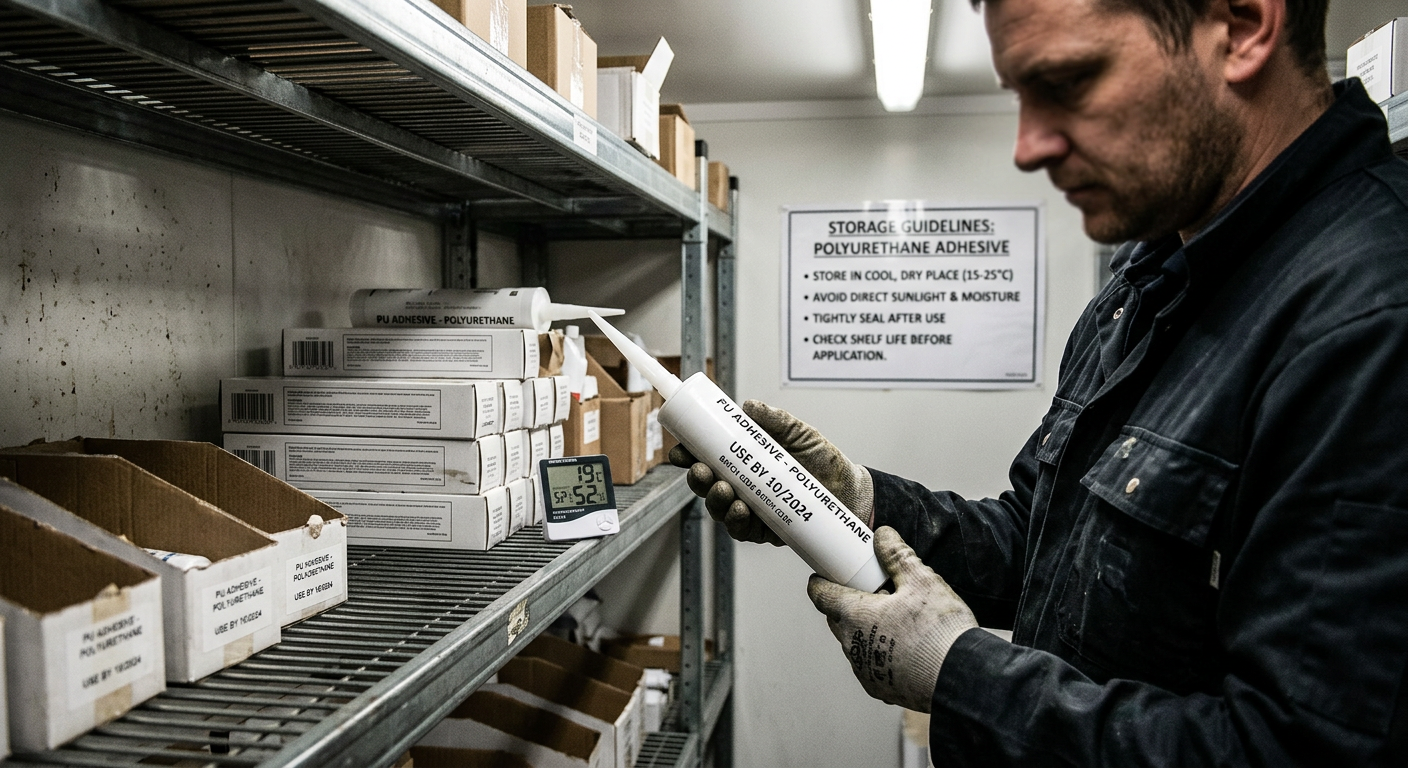
For buyers in the United States, the most reliable rule is simple: keep polyurethane adhesives tightly sealed, dry, and stored in a stable environment, typically around 60°F to 80°F, away from direct sunlight, freezing conditions, and repeated temperature swings. Once opened, moisture-sensitive products can degrade quickly, so inventory rotation, small-batch ordering, and strict container resealing matter just as much as the printed expiration date.
For immediate action, procurement teams in Houston, Chicago, Los Angeles, Savannah, and New Jersey distribution corridors should verify the batch date, request technical data and storage instructions, and confirm whether the product is intended for construction, automotive, electronics, furniture, or packaging use. U.S. buyers often compare established suppliers such as Henkel, H.B. Fuller, Sika, 3M, Huntsman, and Illinois Tool Works based on shelf life stability, local logistics, and technical support. Qualified international suppliers can also be worth considering, especially when they hold recognized compliance standards, provide responsive pre-sale and after-sale support, and offer strong cost-performance for OEM, private label, and industrial volume purchases.
Understanding Shelf Life in the U.S. Polyurethane Adhesive Market

In the United States, polyurethane adhesives are used across building products, vehicle assembly, laminating, panel production, electronics, footwear, flexible packaging, and woodworking. Shelf life matters because performance losses do not always appear as obvious defects before use. A drum or cartridge may still look normal while viscosity, open time, cure speed, green strength, or final bond durability has already shifted.
That is especially important in moisture-curing polyurethane systems. These products react with ambient moisture, which means trace contamination during storage can start slow internal change long before the package is opened on the production floor. For U.S. manufacturers managing warehouses near humid Gulf Coast climates such as Houston, New Orleans, or Miami, shelf-life discipline is often more critical than for dry inland environments.
There is also a regulatory and commercial dimension. Buyers serving transportation, building envelope, electronics, and renewable energy sectors increasingly need reliable traceability, stable incoming quality, and documentation that supports qualification programs. Shelf life is therefore not only a warehouse issue; it is part of supplier evaluation, line consistency, and warranty risk control.
How Polyurethane Adhesive Shelf Life Is Defined

Shelf life is the period during which the adhesive remains within its specified performance limits when stored unopened under stated conditions. It is not a guarantee that every unit fails immediately after the printed date. Instead, it is a practical boundary based on validation data, packaging performance, and quality standards.
Manufacturers typically define shelf life according to:
- Viscosity stability
- Reactivity or cure profile retention
- Bond strength consistency
- Appearance and phase stability
- Moisture sensitivity tolerance
- Packaging integrity over time
For U.S. buyers, the key issue is whether the adhesive still meets the application window required for production. A product that technically cures may still be unsuitable if flow, pumpability, spread characteristics, or fixture time no longer fit the process.
Typical Shelf Life by Polyurethane Adhesive Type
Different polyurethane chemistries behave very differently in storage. Moisture-curing reactive grades, solvent-free laminating systems, water-based dispersions, and PUR hot melts each have their own sensitivities.
| Product Type | Typical Unopened Shelf Life | Main Storage Risk | Common U.S. Applications | Recommended Storage Range | Practical Note |
|---|---|---|---|---|---|
| One-component moisture-curing PU adhesive | 6 to 12 months | Moisture ingress | Construction, panel bonding, seal-bond uses | 60°F to 80°F | Open containers should be used quickly |
| Two-component polyurethane adhesive | 12 to 24 months | Component imbalance, heat exposure | Automotive, composite panels, structural bonding | 60°F to 80°F | Separate storage of A and B parts is essential |
| Solvent-free PU laminating adhesive | 6 to 12 months | Viscosity shift, contamination | Flexible packaging, film lamination | 65°F to 77°F | Warehouse heat can shorten usable life |
| Water-based polyurethane adhesive | 6 to 12 months | Freezing, microbial instability | Textiles, footwear, furniture, coatings | 50°F to 86°F | Freeze-thaw damage can make product unusable |
| PUR hot melt adhesive | 6 to 12 months | Moisture and packaging breach | Furniture, profile wrapping, bookbinding | 50°F to 77°F | Foil barrier quality is critical |
| Waterborne PU coating resin | 6 to 12 months | Temperature instability | Industrial coatings, textile finishing | 50°F to 86°F | Check sedimentation and dispersion before use |
This table shows why there is no single answer to polyurethane adhesive shelf life. A construction cartridge, a laminating drum, and a PUR hot melt block cannot be managed the same way, even if they are all polyurethane-based.
What Shortens Shelf Life Most Often
In real U.S. distribution and manufacturing conditions, shelf life is commonly shortened by poor storage practice rather than by the formula itself. The biggest risk factors include:
- High humidity entering partly used containers
- Warehouse temperatures above recommended limits
- Direct sun exposure during truck or container handling
- Winter freezing of water-based polyurethane products
- Frequent opening and resealing of large pails or drums
- Mixing old and new stock without batch segregation
- Long dwell time at ports or cross-dock terminals
These issues are especially relevant at major U.S. logistics gateways such as the Port of Los Angeles, Port of Long Beach, Port of Houston, Port of Savannah, and inland rail hubs around Chicago and Memphis. Adhesive quality can change during transit if thermal control and storage discipline are weak.
U.S. Market Snapshot
The United States remains one of the largest adhesive markets globally, with polyurethane systems maintaining strong demand because they balance flexibility, chemical resistance, adhesion to diverse substrates, and scalable processing. Demand is closely tied to residential and commercial construction, electric vehicle component assembly, lightweight composites, furniture production, packaging conversion, and insulation panel manufacturing.
Across the market, buyers are shifting from simple price-based purchasing toward total cost evaluation. That means shelf life, line stability, and technical support matter more because expired or unstable adhesive creates scrap, downtime, cleanup cost, and customer returns. For that reason, a lower-cost product with strong batch consistency and responsive support may outperform a premium brand if inventory turnover and application fit are better aligned.
The market growth trend above reflects steady expansion driven by manufacturing recovery, energy-efficient building materials, flexible packaging, and higher use of engineered assemblies that require better bonding performance than commodity adhesives can deliver.
Industry Demand by Application Segment
Not every U.S. industry values shelf life in the same way. Automotive and electronics buyers tend to emphasize process consistency and documentation. Construction and furniture buyers care strongly about climate resilience, working time, and field handling. Packaging converters focus on line speed, lamination performance, and production scheduling.
The bar chart suggests that packaging, construction, and automotive remain particularly important demand centers for polyurethane adhesives in the United States. Each segment has different shelf-life management priorities, which affects packaging selection, inventory strategy, and supplier qualification.
Trend Shift Toward Sustainable and Higher-Performance Systems
By 2026, the U.S. market is expected to continue moving toward lower-emission formulations, solvent-free processing, waterborne alternatives where feasible, and smarter packaging that protects reactive products from moisture. Sustainability pressures from brand owners and policy expectations in major states such as California are encouraging better material efficiency and lower VOC process design. At the same time, technical demands are rising in battery systems, insulated panels, electronics potting, and durable bonded assemblies.
The area chart illustrates how sustainability and process safety are reshaping product mix. This trend directly affects shelf life because newer systems often require more disciplined storage and tighter process controls, even while delivering lower emissions or better energy efficiency.
Buying Advice for U.S. Distributors and End Users
When selecting polyurethane adhesives in the United States, procurement should not stop at unit price or advertised bond strength. A better buying framework includes shelf life, packaging size, technical data quality, transport conditions, and local support response time.
| Buying Factor | Why It Matters | Best Question to Ask | Risk if Ignored | Best Fit Buyers | Practical Tip |
|---|---|---|---|---|---|
| Batch age at shipment | Preserves usable inventory time | What is the production date window? | Short remaining shelf life | Distributors, OEMs | Set minimum residual shelf-life requirements |
| Storage temperature guidance | Prevents viscosity and cure drift | What temperature excursions are allowed? | Inconsistent processing | Factories, warehouses | Track warehouse climate by zone |
| Packaging format | Affects moisture protection and waste | Do you offer cartridge, sausage, pail, drum, tote? | Higher scrap or contamination | Installers, converters | Match pack size to daily consumption |
| Technical support | Helps solve substrate and cure issues | Can your team support line trials in the U.S.? | Long downtime during qualification | OEMs, brand owners | Request written troubleshooting procedure |
| Compliance documentation | Supports audits and market access | Do you provide RoHS, REACH, SDS, TDS? | Approval delays | Electronics, export sectors | Store documents by batch and revision |
| Supply continuity | Reduces line stoppage risk | What is your U.S. lead time and safety stock plan? | Production interruption | High-volume users | Qualify a secondary supply route |
This table is useful because it translates shelf-life theory into purchasing practice. In the United States, a technically good adhesive can still become a poor buying choice if packaging, local inventory, and support systems are not aligned with actual factory conditions.
Common Industries Using Polyurethane Adhesives
Polyurethane adhesives are deeply integrated into American manufacturing and construction. They are chosen where users need strong adhesion across dissimilar materials, impact resistance, flexible bonds, or process versatility.
- Construction and building envelopes
- Automotive interiors, trim, glazing, and lightweight assemblies
- Electronics and electrical encapsulation or assembly
- Packaging lamination and film converting
- Furniture, cabinetry, and panel lamination
- Footwear and textile lamination
- Solar, wind, and renewable-energy component bonding
Each industry has its own tolerance for aging product. For example, furniture plants using PUR hot melt in profile wrapping are highly sensitive to moisture contamination and melt performance, while water-based users in textile applications may be more concerned with freeze stability and dispersion consistency.
Practical Applications and Storage Implications
Application-specific needs strongly influence which polyurethane adhesive type is best and how it should be stored. A field-applied construction adhesive faces different constraints from a factory-applied laminating adhesive. Understanding that connection helps reduce waste and improve bond reliability.
| Application | Typical Adhesive Type | Key Performance Need | Main Shelf-Life Concern | U.S. Operating Context | Storage Recommendation |
|---|---|---|---|---|---|
| Insulated panel bonding | Two-component PU | Structural stability and insulation durability | Component consistency | Commercial building and cold-chain facilities | Use controlled indoor storage and batch pairing |
| Flexible packaging lamination | Solvent-free PU | Fast processing and clean lamination | Viscosity drift | Converters in Midwest and Southeast hubs | Protect from heat during warehousing |
| Furniture edge and profile wrapping | PUR hot melt | Strong heat and moisture resistance | Moisture ingress | Cabinet and furniture plants | Keep foil pack unopened until immediate use |
| Construction installation | One-component PU | Gap filling and field adhesion | Partly used cartridge curing | Residential and commercial sites | Buy smaller packs for intermittent use |
| Footwear and textile lamination | Water-based PU | Flexibility and lower emissions | Freeze-thaw instability | Consumer goods production | Avoid winter exposure in transit |
| Automotive composite bonding | Two-component PU | Impact resistance and lightweight assembly | Reactivity shift | OEM and Tier supplier production lines | Maintain documented stock rotation |
The explanation here is straightforward: shelf-life control should follow the application. If the process is sensitive, the storage system must be tighter. Buyers that align adhesive type, pack size, and warehouse conditions generally achieve lower waste and better production consistency.
Case Studies from U.S. Operating Conditions
A packaging converter in Illinois using solvent-free polyurethane laminating adhesive found that summer warehouse temperatures above recommended limits caused viscosity increase and coating inconsistency near the end of drum life. After shifting to climate-monitored storage and tighter first-in, first-out rules, the plant reduced startup adjustments and material loss.
A furniture manufacturer in North Carolina running PUR hot melt for profile wrapping experienced intermittent bond defects traced not to the machine but to damaged barrier packs and long storage after opening. Once operators moved to smaller pack formats and same-shift consumption, bond reliability improved significantly.
A Gulf Coast construction distributor handling one-component polyurethane adhesive cartridges saw high seasonal returns due to partial curing inside stock. The root cause was humidity exposure from poor pallet wrapping during warehouse transfers. Better moisture protection and faster inventory turnover reduced claims.
An automotive supplier in Michigan using two-component polyurethane for composite bonding improved line consistency by tracking batch age against viscosity readings and cure checks. Instead of waiting for failure, the supplier used predictive consumption planning based on residual shelf life, which lowered rework and prevented unplanned line stops.
Leading Suppliers Serving the United States
The U.S. market includes major domestic and global brands with strong technical resources, established logistics, and product depth across polyurethane adhesive categories. The companies below are widely recognized names that buyers often evaluate.
| Company | Service Region | Core Strengths | Key Offerings | Best Fit | Shelf-Life Advantage |
|---|---|---|---|---|---|
| Henkel | Nationwide United States | Broad industrial portfolio, strong technical service | Reactive PU, laminating, automotive, construction systems | Large OEMs and converters | Strong documentation and process support |
| H.B. Fuller | Nationwide United States | Packaging, construction, hygiene, industrial assembly | PUR hot melt, laminating, assembly adhesives | Packaging and woodworking users | Good application-specific product matching |
| Sika | Nationwide United States | Construction and transportation expertise | PU structural bonding, sealants, assembly products | Construction and vehicle sectors | Reliable field and industrial support |
| 3M | Nationwide United States | Brand recognition, broad bonding solutions | Industrial adhesives and specialty assembly products | Multi-plant industrial buyers | Strong training and integration resources |
| Huntsman | Nationwide United States | Polyurethane chemistry depth and custom solutions | PU raw materials and formulated systems | Advanced manufacturing users | Strong technical chemistry background |
| Illinois Tool Works | Nationwide United States | Industrial process alignment and niche manufacturing support | Specialty adhesive solutions across industries | Production-focused industrial users | Good fit for process-driven qualification |
This supplier table is practical because it links each company to service region, strengths, and likely use cases rather than listing brands without context. U.S. buyers should still confirm exact product family, packaging, local stock, and shelf-life terms before approving a source.
Supplier and Product Comparison
Buyers often ask whether they should prioritize global brand security, niche product specialization, or cost-performance from internationally competitive manufacturers. The answer depends on qualification level, service expectations, and how much technical adaptation is needed.
This comparison chart represents a realistic composite view of technical breadth, service depth, and practical purchasing attractiveness in the U.S. market. It is not a universal ranking for every application, but it reflects how many buyers assess supplier balance across product capability, support, and commercial flexibility.
How to Evaluate Local and International Sources
Local U.S. suppliers offer obvious benefits in delivery speed, field visits, and easier communication across time zones. However, international suppliers with established export discipline and strong technical documentation can be highly competitive, especially in OEM, private label, wholesale, and distributor programs. The best sourcing model is often hybrid: a primary U.S. source for urgent production needs and a qualified secondary supplier for cost optimization or brand expansion.
When comparing international options, buyers should focus on measurable factors: compliance documentation, production consistency, packaging barrier quality, batch traceability, formulation stability, and support responsiveness. The lowest import price alone is not enough if the adhesive loses residual shelf life during transit or cannot be backed by timely technical problem-solving.
Our Company in the U.S. Market
For U.S. buyers seeking a flexible polyurethane adhesive partner, QinanX combines a broad industrial adhesive portfolio with manufacturing controls that align well with American sourcing requirements. Its polyurethane range covers reactive polyurethane adhesive, solvent-free polyurethane adhesive, water-based polyurethane adhesive, and waterborne PU coating resin, supported by ISO-certified production, compliance with RoHS and REACH, multi-stage quality control, and digital batch traceability that help verify consistency across repeat orders. This matters for customers comparing shelf life, storage stability, and process repeatability in sectors such as construction, automotive, electronics, packaging, furniture, and renewable energy. Through custom product programs, the company supports end users, distributors, dealers, brand owners, and individual buyers through OEM, ODM, wholesale, private label, and regional partnership models rather than a one-size-fits-all export approach. Its experience serving more than 40 countries, automated production lines, free sample support, and 24/7 technical assistance give U.S. customers practical assurance during qualification, reorder planning, and after-sales troubleshooting, while the team’s export familiarity and tailored service structure show long-term commitment to the market. Buyers wanting to review manufacturing capability can learn more about the company or request direct technical support through the U.S. inquiry channel.
Product Types Buyers Commonly Request
In U.S. procurement discussions, polyurethane adhesive selection typically starts with the substrate and process rather than the chemistry name alone. The following product categories are among the most common and each has distinct shelf-life handling needs.
- Reactive polyurethane adhesive for high-strength industrial bonding
- Solvent-free polyurethane adhesive for lamination efficiency and lower emissions
- Water-based polyurethane adhesive for flexible, lower-VOC applications
- Waterborne PU coating resin for industrial finishing and functional surfaces
- PUR moisture-curing hot melt adhesive for fast-setting furniture and profile applications
For buyers evaluating options, the most practical next step is to request a technical data sheet, safety data sheet, storage guidance, packaging options, and a sample matched to the exact substrate combination. Shelf life is meaningful only when considered alongside line speed, open time, activation conditions, cure profile, and expected environmental exposure.
Storage Guidelines That Actually Work
The best storage program for polyurethane adhesives is simple, documented, and consistently followed. Many product failures attributed to chemistry are really handling errors. A workable U.S. warehouse protocol should include:
- Store unopened product in the original sealed package
- Keep material in a dry indoor area away from sunlight
- Separate water-based products from freezing-risk zones
- Use first-in, first-out inventory rotation by batch date
- Record receipt date, lot number, and temperature exposure
- Reseal opened containers immediately using approved methods
- Avoid purchasing pack sizes larger than actual consumption rate
Facilities in humid or temperature-volatile regions should go further by using climate monitoring, quarantine checks for suspect lots, and pre-use viscosity or cure screening for sensitive applications. This approach is far less expensive than troubleshooting bond failure after production.
Future Trends Through 2026
Several trends will shape polyurethane adhesive shelf life and storage expectations in the United States through 2026. First, sustainability pressure will continue to favor solvent-free, lower-emission, and waterborne technologies where performance allows. Second, more industries will demand digital traceability and batch-linked documentation, especially where quality systems and customer audits are strict. Third, packaging innovation will increasingly target moisture barrier improvement and partial-use protection, which is especially important for reactive PU and PUR hot melt formats.
Policy and customer expectations will also keep moving toward safer materials management, lower process emissions, and stronger supply-chain transparency. In practice, this means buyers will increasingly evaluate not only the adhesive formula but also the supplier’s ability to support documentation, technical adjustment, and inventory resilience inside the United States. As more companies localize production and distribution planning, the competitive edge will go to suppliers that combine chemistry expertise with dependable service and clear shelf-life control.
FAQ
What is the normal shelf life of polyurethane adhesive?
Many polyurethane adhesives have an unopened shelf life of 6 to 12 months, while some two-component systems may reach 12 to 24 months. The exact value depends on formulation and storage conditions.
Can polyurethane adhesive be used after the expiration date?
Possibly, but only after verification. Expired product may show viscosity change, slower cure, reduced bond strength, or inconsistent processing. Critical applications should not rely on out-of-date stock without technical confirmation.
What storage temperature is best in the United States?
A stable indoor range around 60°F to 80°F suits many products, but always follow the specific technical data sheet. Water-based products should be protected from freezing, and reactive products must be shielded from humidity.
Does opening the container reduce shelf life?
Yes. For moisture-sensitive polyurethane adhesives, opening the package can sharply reduce usable life because ambient moisture starts reacting with the product. Small pack sizes often reduce waste.
Which industries care most about shelf life?
Automotive, packaging, furniture, construction, electronics, and renewable-energy manufacturers all care, but the reasons differ. Some need precise cure behavior, while others prioritize field handling or climate resistance.
How should a distributor manage polyurethane adhesive inventory?
Use first-in, first-out rotation, monitor warehouse temperature, keep batch records, protect goods from sun and humidity, and avoid carrying old stock through slow seasons.
Are international suppliers a realistic option for U.S. buyers?
Yes, if they provide strong compliance documentation, reliable packaging, traceable quality control, and responsive technical support. Many U.S. buyers use international suppliers for cost-performance, OEM, and private label programs.
What is the biggest cause of shortened shelf life?
Moisture exposure is one of the most common causes for reactive polyurethane systems, while excessive heat and freezing are also major risks depending on the product type.
Conclusion
Polyurethane adhesive shelf life in the United States is not a fixed number; it is a performance window shaped by chemistry, packaging, climate, and handling discipline. For most buyers, the smartest approach is to choose the right adhesive type for the application, confirm the actual unopened shelf life from the supplier, protect the material from humidity and temperature extremes, and buy in quantities that match real consumption. When that process is followed, polyurethane adhesives deliver dependable bonding across U.S. construction, automotive, packaging, furniture, electronics, and renewable-energy markets.

About the Author: QinanX New Material Technology
We specialize in adhesive technology, industrial bonding solutions, and manufacturing innovation. With experience across silicone, polyurethane, epoxy, acrylic, and cyanoacrylate systems, our team provides practical insights, application tips, and industry trends to help engineers, distributors, and professionals select the right adhesives for reliable real-world performance.

Product Category
You May Also Interest
-
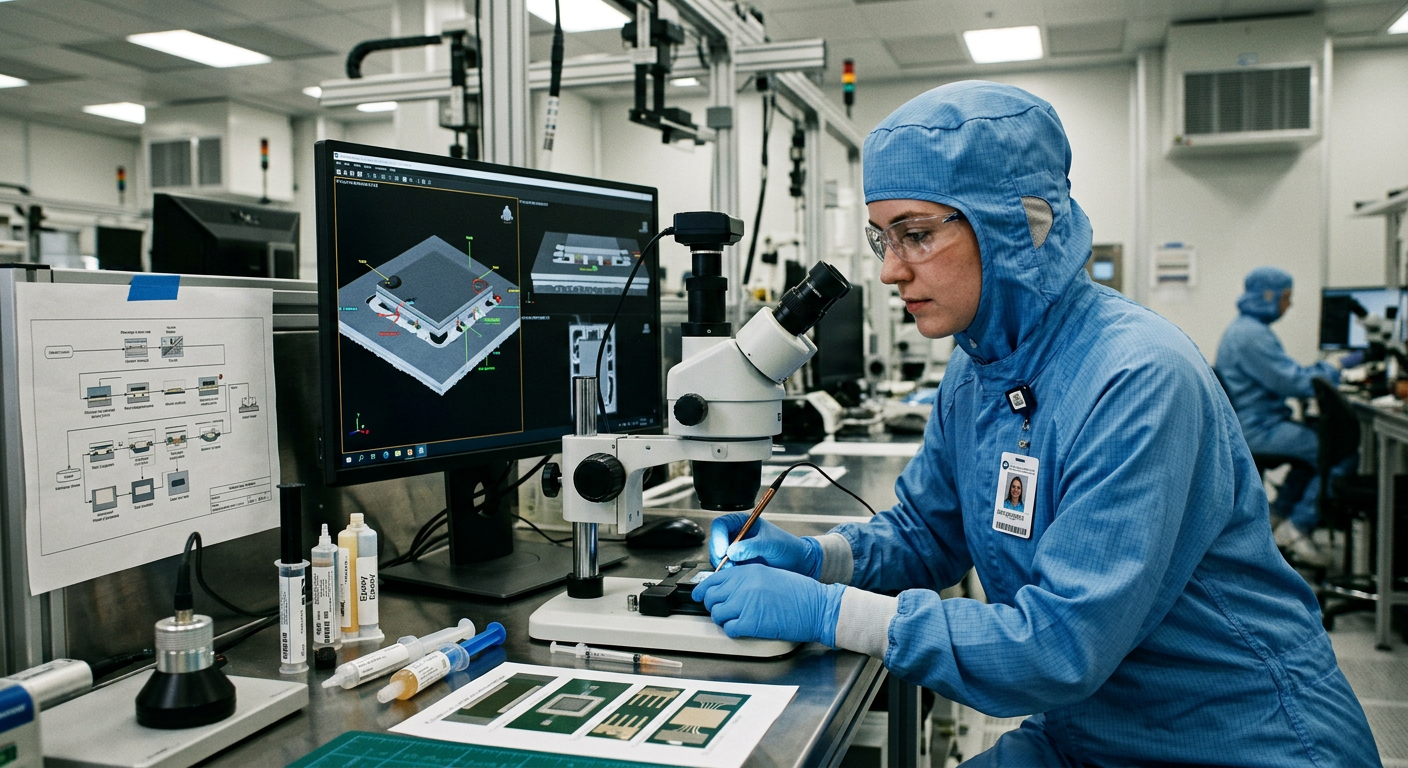
IC Packaging Adhesive: Preventing Void Formation Issues
Learn how IC packaging adhesive void formation is prevented in the United States through material choice, process control, supplier selection, and testing.
-
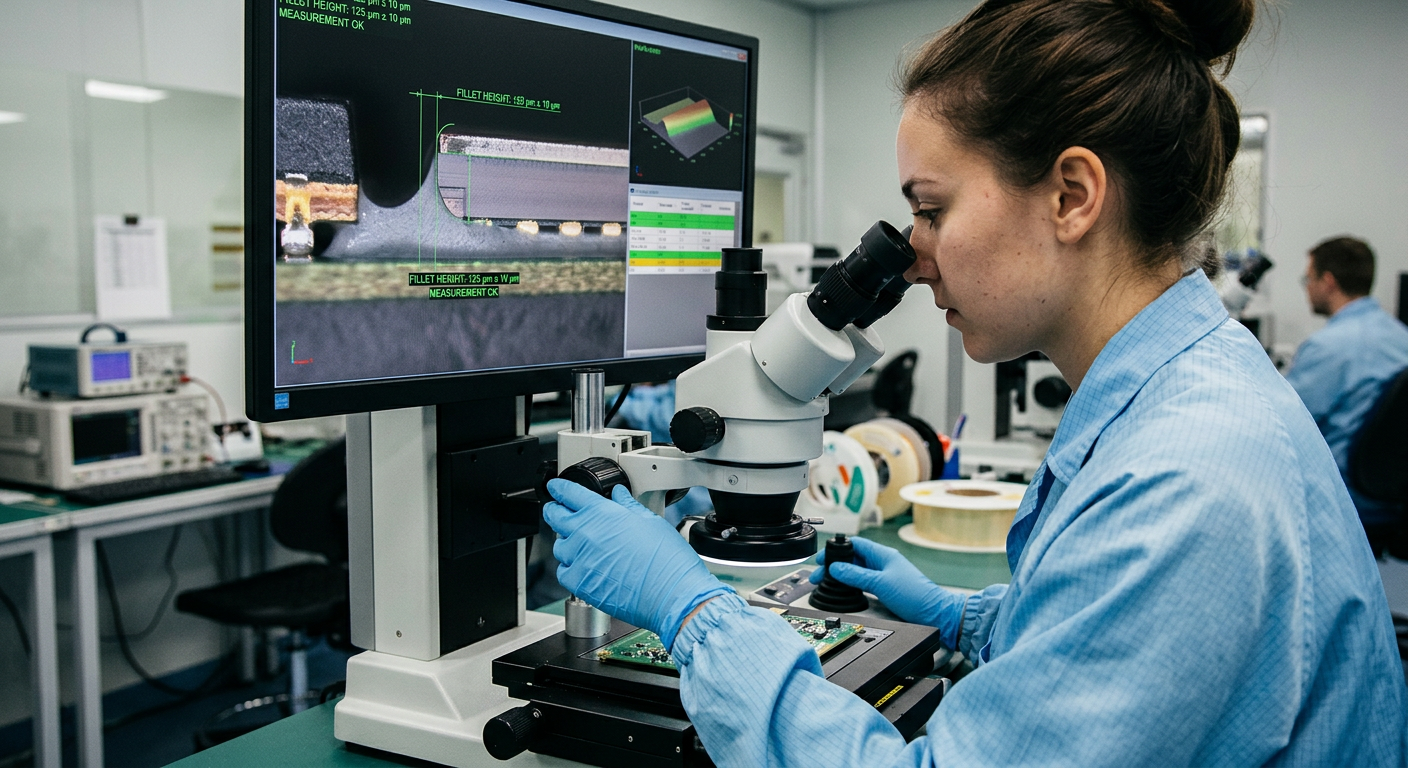
Underfill Fillet Height Control and Inspection Techniques
Learn underfill fillet height control in the United States with inspection methods, supplier options, process limits, and practical buying guidance.
-
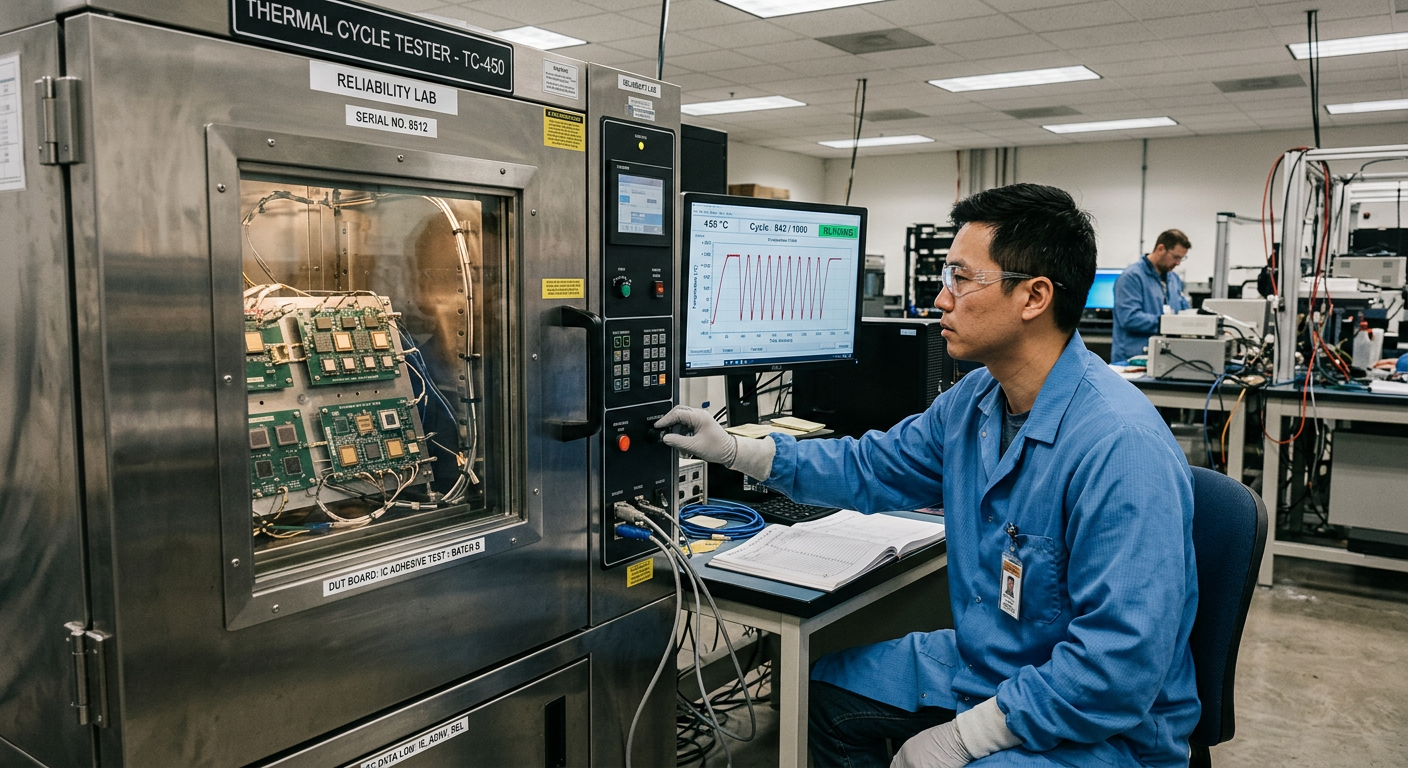
IC Package Adhesive Thermal Cycling Reliability Testing
IC packaging adhesive thermal cycling in the United States requires reliable material selection, supplier review, and test planning for electronics durability.
-

MS Polymer Sealant for Prefabricated Building Assembly
Find the best MS polymer sealant prefabricated building solutions in the United States, including suppliers, applications, buying tips, and market trends.
 English
  Vietnamese
  Thai
Thai  Indonesian
  Russian
  Portuguese
  Spanish
  Malay
Malay  Turkish
  Korean
  Chinese