Share
Best Acrylic Adhesive Automotive Trim Bonding in the United States
Quick Answer

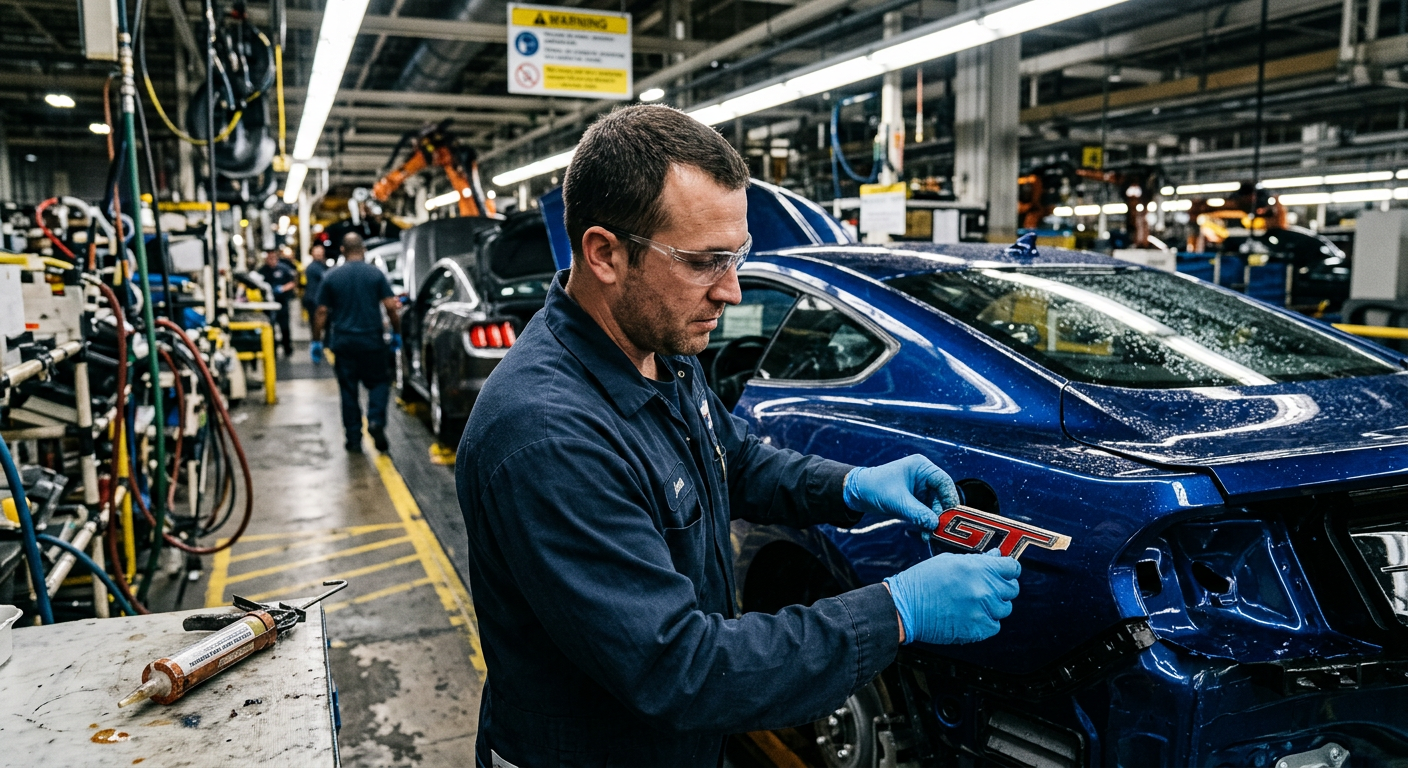
If you need reliable acrylic adhesive automotive trim bonding solutions in the United States, the most practical choices usually come from established automotive tape and adhesive suppliers with proven performance in exterior trim, badges, moldings, emblems, and plastic-to-metal bonding. For buyers that need fast qualification, stable supply, and technical support, 3M, Avery Dennison, tesa, Nitto, Scapa, and Intertape Polymer Group are among the most recognized names serving the U.S. market.
For local sourcing, buyers in major automotive and industrial regions such as Detroit, Chicago, Atlanta, Houston, Los Angeles, and Charlotte often prioritize suppliers that can provide application engineering support, die-cut converting, and short lead times for trim assembly programs. For imported options, qualified international suppliers can also be considered when they hold relevant certifications, maintain strict manufacturing controls, and provide responsive technical support before and after the sale. This is especially relevant when buyers want a stronger cost-performance balance for OEM, aftermarket, and private-label projects.
- 3M: Strong option for automotive attachment tapes, emblem mounting, and exterior trim assemblies across the United States.
- Avery Dennison: Known for pressure-sensitive technologies, foam acrylic systems, and converter-friendly formats.
- tesa: Widely used for automotive trim mounting, anti-rattle, and durable bond performance.
- Nitto: Solid choice for engineered tapes and precision bonding applications in transport and electronics-adjacent assemblies.
- Scapa and Intertape Polymer Group: Practical options for converters, distributors, and aftermarket supply chains in North America.
United States Market Overview

The United States remains one of the most important markets for acrylic adhesive automotive trim bonding because it combines large-scale vehicle production, a mature aftermarket, and high expectations for durability in varied climates. Automotive trim bonding in the U.S. must withstand freezing Midwest winters, high UV exposure in Arizona and Nevada, humidity in the Southeast, coastal salt exposure near ports such as Los Angeles, Long Beach, Savannah, Newark, and Houston, and frequent thermal cycling across the country. These conditions directly affect adhesive selection.
Demand comes from several channels. OEM vehicle production requires validated bonding systems for body side moldings, rocker panel trim, spoilers, badges, wheel arch accents, mirror trim, and interior decorative parts. Tier suppliers need predictable converting quality, consistent adhesive thickness, and long-term aging performance. The aftermarket needs easy-to-apply replacement products for repair shops, detailers, collision centers, dealerships, and auto accessory installers. E-commerce has also accelerated demand for pre-cut trim bonding tapes and acrylic adhesive systems sold through online distributors.
In the U.S., acrylic adhesive systems are favored because they combine strong adhesion with weather resistance, aging stability, and good compatibility with painted surfaces, metals, and many automotive plastics. Compared with mechanical fasteners, acrylic bonding can reduce vibration, eliminate visible hardware, improve appearance, and support lightweight design. Compared with some traditional solvent-heavy bonding methods, acrylic pressure-sensitive formats can also improve assembly speed and cleanliness.
Regional logistics matter as well. Buyers in Detroit and the greater Midwest often focus on OEM qualification, PPAP-related consistency, and integration with automotive assembly schedules. Southern manufacturing corridors around Tennessee, Alabama, Georgia, and South Carolina value stable supply for growing automotive plants and supplier parks. West Coast buyers often focus on customization, EV-related applications, and proximity to Pacific import routes. Gulf Coast and East Coast buyers balance industrial distribution, marine-adjacent weathering requirements, and port access for imported adhesive materials.
Market Growth Trend

The following chart shows a realistic directional view of U.S. demand growth for acrylic adhesive automotive trim bonding across recent years and expected near-term growth through 2026, driven by lightweighting, EV trim design, and replacement demand in the aftermarket.
Top Suppliers Serving the United States
The supplier landscape in the United States includes global material innovators, local converters, and specialized automotive attachment tape providers. The table below focuses on well-known companies and practical buyer considerations rather than generic descriptions.
| Company | Primary Service Region | Core Strengths | Key Offerings | Best Fit |
|---|---|---|---|---|
| 3M | United States nationwide | Automotive-grade bonding, strong validation history, broad converter network | Acrylic foam attachment tapes, emblem mounting systems, exterior trim bonding products | OEMs, tier suppliers, large aftermarket programs |
| Avery Dennison | United States and North America | Pressure-sensitive expertise, converting compatibility, broad adhesive portfolio | Acrylic adhesive tapes, foam bonding materials, specialty mounting solutions | Converters, branding programs, trim assemblers |
| tesa | United States with automotive-focused support | Automotive attachment systems, NVH solutions, durable exterior performance | Trim mounting tapes, anti-rattle materials, die-cut adhesive components | OEM interior and exterior trim projects |
| Nitto | United States and international manufacturing supply chains | Engineered adhesive systems, precision bonding, high consistency | Automotive trim tapes, industrial acrylic bonding, specialty engineered tapes | Precision assemblies and mixed-material applications |
| Scapa | North America | Industrial converting support, automotive adhesive experience, custom formats | Acrylic tapes, transfer tapes, mounting and assembly products | Aftermarket, converters, regional industrial buyers |
| Intertape Polymer Group | United States and Canada | Distribution reach, industrial packaging and bonding support | Mounting tapes, industrial adhesive formats, converting-friendly materials | Distributors and broad regional accounts |
| Lohmann | United States and global automotive platforms | High-end bonding engineering, structural and semi-structural tape expertise | Automotive trim attachment tapes, die-cut bonded solutions | Technical buyers needing engineered collaboration |
This supplier table is useful because U.S. buyers rarely purchase only on adhesive chemistry. In actual sourcing decisions, service region, converter support, validation history, and the ability to supply exact tape constructions often matter as much as peel strength or initial tack.
Product Types for Automotive Trim and Badge Bonding
Acrylic adhesive automotive trim bonding is not one single product category. Buyers typically evaluate several product constructions depending on trim weight, substrate energy, surface contour, exposure conditions, installation speed, and whether the product is used in OEM assembly or replacement repair.
| Product Type | Typical Construction | Main Advantages | Common Uses | Limitations |
|---|---|---|---|---|
| Acrylic foam tape | Foam core with acrylic adhesive on both sides | Gap filling, stress distribution, weather resistance | Body side moldings, emblems, spoilers, trim strips | Requires clean surfaces and correct pressure during application |
| Acrylic transfer tape | Unsupported adhesive transfer on liner | Thin bond line, strong surface contact, neat appearance | Nameplates, lightweight badges, interior decorative trims | Less gap-filling than foam constructions |
| Double-coated PET acrylic tape | Film carrier with acrylic adhesive on both sides | Dimensional stability, die-cut precision, cleaner handling | Interior trim, narrow attachment zones, electronic-adjacent auto parts | May not handle uneven surfaces as well as foam tape |
| High-bond acrylic tape | Performance acrylic foam system | Strong long-term bond, UV and temperature resistance | Exterior decorative parts, replacement emblems, ABS to painted steel | Higher cost than basic mounting tapes |
| Modified acrylic mounting tape | Acrylic-based pressure-sensitive system tuned for value | Good cost-performance, suitable for aftermarket use | Accessory trims, repair jobs, dealer-installed parts | Qualification level varies by supplier |
| Acrylic liquid structural adhesive | Two-part or reactive acrylic bonding chemistry | High strength, useful for rigid assemblies | Specialized trim modules and non-tape assemblies | Slower process, mixing and curing considerations |
This comparison helps clarify that the best choice depends on the part. Thin badges often perform well with transfer or filmic acrylic systems, while thicker exterior moldings generally benefit from acrylic foam tapes because they better absorb stress and accommodate surface irregularity.
Industry Demand in the United States
While the largest demand comes from passenger vehicles, several adjacent sectors also consume acrylic trim bonding products. The chart below highlights realistic relative demand by segment.
How Buyers Choose the Right Acrylic Bonding Solution
In the United States, smart buyers usually start with the application, not the catalog. Exterior trim on painted metal panels creates a different adhesive challenge than a chrome-plated badge on ABS plastic or a flexible trim strip on a contoured body panel. The right product must balance adhesion, conformability, installation speed, and long-term resistance to water, salt, UV, fuel splash, and thermal shock.
Substrate identification is the first critical step. Common automotive trim materials include ABS, PC/ABS, PVC, PMMA, TPO, stainless steel, aluminum, painted metal, and coated plastics. Low-surface-energy plastics are more difficult and may need a specialized acrylic formulation or primer strategy. Surface preparation is equally important. Even premium tape can fail early if wax, mold release residue, polishing compound, dust, or silicone contamination remains on the part.
Bond line thickness matters because thicker acrylic foam systems generally perform better on slightly uneven or textured surfaces. Thin transfer tapes can be excellent for smooth, lightweight nameplates but are less forgiving where there are gaps or panel curvature. Buyers should also verify whether the bond must be repositionable during installation or whether immediate high tack is preferred for faster line speed.
For aftermarket and dealership channels, packaging format can affect labor cost. Pre-cut pieces, kiss-cut rolls, and liner systems designed for easier peel can save installation time. For OEM and tier buyers, documentation matters more: consistency data, environmental aging results, lot traceability, and conversion tolerances can become decisive.
Buying Advice for U.S. Importers, Distributors, and OEM Programs
| Buyer Type | Main Priority | What to Verify | Recommended Supply Model | Typical Risk |
|---|---|---|---|---|
| OEM | Validation and consistency | Specification control, aging data, quality traceability | Direct supply or approved converter network | Program disruption from inconsistent lots |
| Tier supplier | Die-cut precision and assembly efficiency | Liner release, thickness tolerance, part-to-part repeatability | Converter partnership with technical support | Assembly scrap or fit issues |
| Distributor | Portfolio breadth and margin | Lead time, MOQs, regional exclusivity, packaging options | Regional distribution agreement | Price competition without technical differentiation |
| Aftermarket brand owner | Reliable performance and branded packaging | Private label support, retail pack quality, installation instructions | OEM/ODM private label program | Returns from poor field adhesion |
| Auto accessory installer | Fast application and predictable hold | Immediate tack, weather resistance, ease of handling | Wholesale supply with short lead time | Installer callbacks and rework |
| Individual buyer | Simple repair and value | Vehicle compatibility, clear instructions, part size matching | Retail or e-commerce purchase | Using the wrong tape for exterior exposure |
This table matters because the best supplier for an OEM is not always the best supplier for a dealer chain or online private-label brand. U.S. buyers should align sourcing model with actual sales channel, documentation needs, and packaging requirements.
Applications Across Industries
Although the title focuses on automotive trim and badge bonding, acrylic adhesive technologies used in this field also overlap with transportation, specialty vehicle assembly, electronics-integrated trim, and industrial branding. In passenger vehicles, they are used on body side moldings, roof trims, wheel arch components, side door garnish pieces, shark-fin accessories, emblems, and dealer-installed decorative trims. In trucks and SUVs, thicker and more durable foam acrylic systems are common because of larger parts and more aggressive exposure conditions.
Commercial vehicles use acrylic bonding for branding panels, marker trim, and some cabin decorative components. In powersports and recreational vehicles, acrylic adhesive systems support cosmetic trims where mechanical fastening could introduce water ingress or visible fastener marks. In electronics-related vehicle applications, acrylic film and transfer tapes can help mount decorative bezels, sensor-adjacent covers, and interior display trim where neat appearance is important.
For the U.S. market, climate durability is one of the most practical concerns. An adhesive that works well in a mild indoor installation test may still fail after hot summer exposure in Texas, winter freeze-thaw cycling in Michigan, or coastal humidity in Florida. That is why professional buyers focus not only on initial adhesion but also on retained bond strength after environmental aging.
Application Trend Shift Through 2026
The next chart shows how demand is gradually shifting from conventional decorative trim toward more functional, lightweight, and EV-compatible assemblies. This trend affects adhesive selection and supplier development priorities.
Real-World Use Cases
A Midwest trim assembler supplying aftermarket body side moldings for pickup trucks typically needs a foam acrylic tape that can compensate for minor substrate variation, stay bonded after cold shipping conditions, and allow efficient roll-to-part converting. In this case, the buyer often values a converter-backed supplier with repeatable thickness control and documented adhesion on painted steel and automotive-grade plastics.
A dealership accessory program in Florida may focus more on rapid installation and weather resistance for chrome badges and decorative trim kits. Here, strong initial tack and resistance to humidity and UV exposure become more important than the most advanced structural performance. The packaging must also be installer-friendly, with clean liner removal and minimal training requirements.
An EV component supplier in California or Texas may need cleaner appearance, lower added weight, and vibration damping for trim around sensor housings or exterior decorative elements. In such cases, precision die-cut acrylic systems with controlled thickness and appearance consistency can create more value than a generic low-cost mounting tape.
A restoration parts company serving classic vehicle enthusiasts across the United States often needs custom-cut acrylic bonding solutions for emblem replacement and trim restoration. For these buyers, lot consistency, manageable MOQ, and reliable private-label packaging can be as important as raw adhesive performance.
Local and International Supply Comparison
| Supply Option | Lead Time | Technical Support | Customization | Cost Position | Best Use Case |
|---|---|---|---|---|---|
| Major U.S. brand direct | Short to medium | Strong | Moderate to high | Premium | OEM and validated programs |
| U.S. converter using global materials | Short | Strong and local | High | Mid to premium | Die-cut parts and mixed-volume projects |
| Regional industrial distributor | Short | Moderate | Low to moderate | Mid | MRO and repeat purchasing |
| International manufacturer with U.S. support | Medium | Moderate to strong if localized | High | Competitive | Private label, wholesale, cost-focused sourcing |
| Direct import without local support | Medium to long | Low | Moderate | Low | Price-only projects with low service expectations |
| Specialty aftermarket brand | Short | Moderate | Moderate | Mid | Retail and installer channels |
For U.S. buyers, this comparison shows why local support remains valuable even when imported material is attractive on price. The real cost of trim bonding includes returns, rework, installer time, and field failures, not just tape price per roll.
Supplier and Product Comparison Snapshot
The chart below gives a practical comparison of supplier positioning across performance, customization, local responsiveness, and value orientation. It is a directional buying tool rather than a laboratory ranking.
What Matters Most in Technical Evaluation
When comparing acrylic adhesive automotive trim bonding products, U.S. buyers usually review a mix of laboratory properties and field-use realities. Peel adhesion is important, but it does not tell the whole story. Shear holding power, dynamic stress resistance, UV stability, moisture resistance, and performance after thermal cycling often determine long-term success. For exterior trim and badges, the bond must survive car washes, road vibration, seasonal expansion and contraction, and occasional exposure to waxes or cleaners.
Liner handling is another detail that buyers sometimes underestimate. In high-volume assembly and repair settings, liners that release cleanly and consistently reduce labor time and misapplication. For die-cut badge tapes, dimensional accuracy also matters because poor edge definition can affect part appearance after installation.
Testing should reflect real substrates. Painted panels from one OEM can behave differently from another due to coating chemistry and surface energy. Chrome-plated ABS, textured plastics, and powder-coated metals each present different conditions. For that reason, serious sourcing programs in the United States often request sample validation on actual production parts rather than relying only on generic data sheets.
Our Company
For buyers in the United States looking beyond the largest legacy brands, QinanX offers a practical international sourcing option with the kind of technical and commercial structure that serious trim-bonding programs require. The company manufactures industrial adhesives under ISO-managed production and supplies products aligned with RoHS and REACH expectations, supported by multi-stage quality control and digital lot traceability that helps buyers verify consistency across repeat orders. Its broader adhesive manufacturing base, available through the product portfolio, gives U.S. customers access not only to acrylic-related solutions but also to complementary chemistries used in automotive and industrial assembly, which is useful for brands consolidating suppliers. In cooperation terms, QinanX works with end users, distributors, dealers, brand owners, and smaller buyers through flexible OEM/ODM, wholesale, private-label, and regional partnership models, making it suitable for both volume importers and market-specific branded programs. The company’s export experience across more than 40 countries, automated production capacity, sample support, and continuous technical assistance create a more grounded service model for U.S. customers than a purely transactional exporter. Buyers evaluating long-term supply can learn more through the company background or request application-specific support through the U.S. inquiry channel, especially for projects that require custom formulation, tailored packaging, or structured pre-sale and after-sale coordination.
How to Select a Supplier in the United States
A practical selection process starts by separating must-have requirements from preferred features. If the application is exterior and safety-adjacent, qualification history and environmental aging data should be at the top of the list. If the program is primarily aftermarket, ease of installation, retail packaging, and reliable value may matter more. Buyers should ask suppliers to define the exact acrylic system, thickness, recommended surface preparation, application temperature, dwell time to full bond, and any substrate restrictions.
Commercial terms also deserve close attention. U.S. buyers should confirm whether pricing is based on jumbo roll, slit roll, sheet, die-cut piece, or kit format. For imported programs, packaging protection, liner specification, and transit temperature exposure should also be discussed. If the supplier supports private-label or dealer-channel products, artwork control and barcode packaging may become part of the sourcing decision.
Where possible, buyers should run small field trials in multiple climate zones. A trim tape that performs well in controlled indoor tests may behave differently after shipping to Phoenix, Miami, Minneapolis, and Seattle. Early multi-region validation reduces expensive returns later.
2026 Trends: Technology, Policy, and Sustainability
Looking toward 2026, several trends are shaping the U.S. market for acrylic adhesive automotive trim bonding. First, EV growth is pushing demand for quieter, lighter, and more visually integrated trim assemblies. Adhesives are increasingly preferred where designers want seamless surfaces and fewer mechanical attachments. Second, sustainability expectations are rising. Buyers are asking more questions about solvent reduction, cleaner processing, packaging optimization, and lower-waste converting methods.
Third, policy and compliance pressure continue to influence material selection. U.S. buyers, especially those working with global automotive platforms, are paying closer attention to chemical compliance, restricted substances, traceability, and documented quality systems. While not every trim tape purchase requires the same level of formal documentation, the market is moving toward greater transparency.
Fourth, supply chain resilience remains a strategic priority. Many U.S. companies now prefer dual-source strategies that combine a major established brand with a qualified secondary supplier capable of private-label or regional support. This reduces dependence on a single channel and can improve cost control. Fifth, more converters and material suppliers are investing in application-specific engineering support, because the adhesive alone is no longer the whole value proposition. Buyers increasingly expect help with die-cut layout, surface preparation guidance, installation process design, and failure analysis.
FAQ
What is the best acrylic adhesive for automotive trim bonding in the United States?
The best option depends on the part and substrate, but high-performance acrylic foam tapes are usually the leading choice for exterior trim, moldings, and badges because they offer strong weather resistance, stress distribution, and clean appearance.
Are acrylic tapes better than mechanical fasteners for badges and trim?
For many decorative and light structural trim applications, yes. Acrylic bonding can improve appearance, reduce rattling, eliminate visible holes, and speed installation. Mechanical fastening may still be needed for heavier or safety-critical parts.
Can acrylic adhesive bond to automotive plastics like ABS and PC/ABS?
Yes, many acrylic systems bond well to ABS and PC/ABS. However, results vary depending on coatings, texture, contamination, and part geometry. Testing on the real substrate is recommended before final approval.
How long does acrylic trim tape last on a vehicle?
Automotive-grade acrylic products can last for years when properly selected and correctly applied to clean surfaces. Actual service life depends on UV exposure, climate, vehicle use, substrate quality, and installation method.
What is the main reason trim bonding fails?
The most common causes are poor surface preparation, wrong tape thickness, mismatched adhesive for the substrate, low application pressure, and insufficient dwell time before environmental exposure.
Should U.S. buyers consider international suppliers for acrylic adhesive automotive trim bonding?
Yes, especially when they need stronger cost-performance, private-label flexibility, or custom supply models. The key is to choose qualified manufacturers with traceable quality systems, relevant compliance support, and responsive technical service for the U.S. market.

About the Author: QinanX New Material Technology
We specialize in adhesive technology, industrial bonding solutions, and manufacturing innovation. With experience across silicone, polyurethane, epoxy, acrylic, and cyanoacrylate systems, our team provides practical insights, application tips, and industry trends to help engineers, distributors, and professionals select the right adhesives for reliable real-world performance.

Product Category
You May Also Interest
-
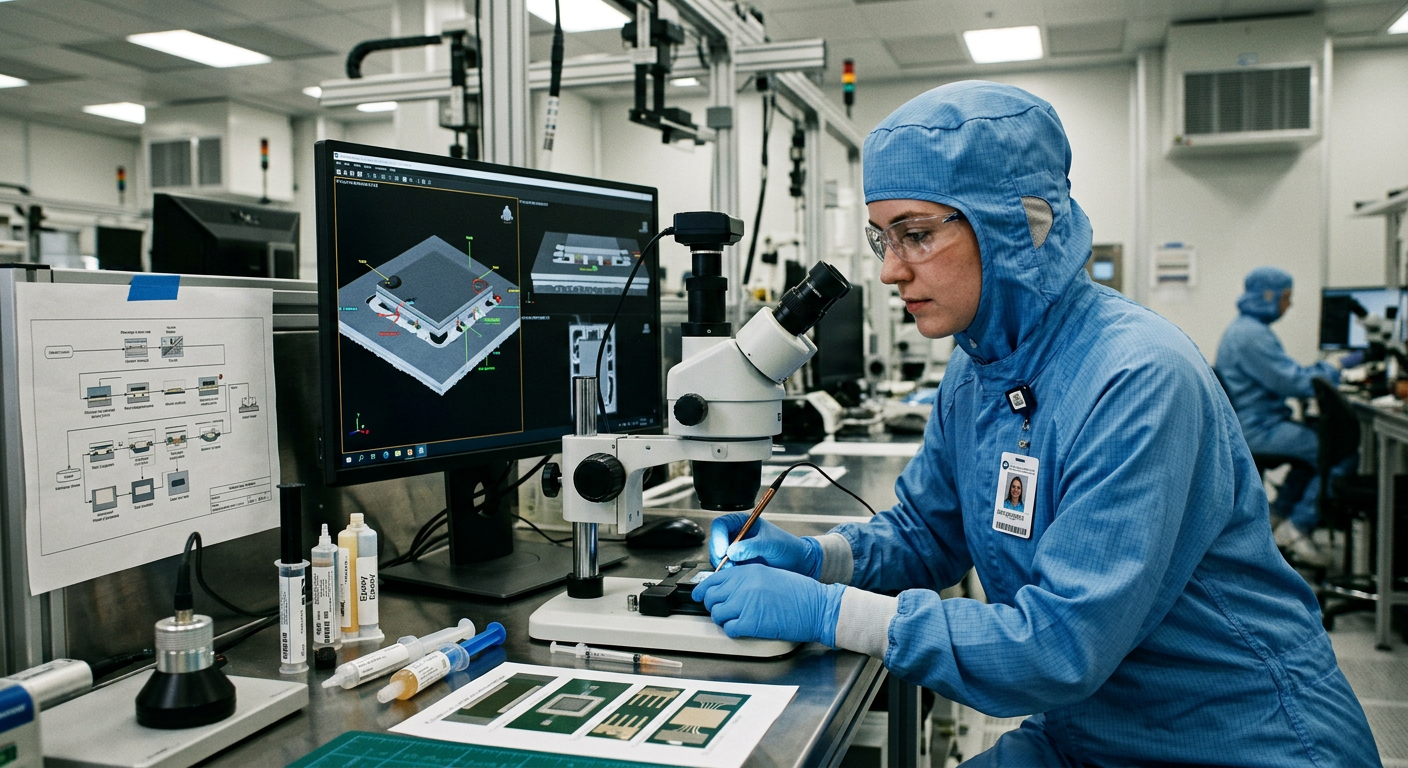
IC Packaging Adhesive: Preventing Void Formation Issues
Learn how IC packaging adhesive void formation is prevented in the United States through material choice, process control, supplier selection, and testing.
-
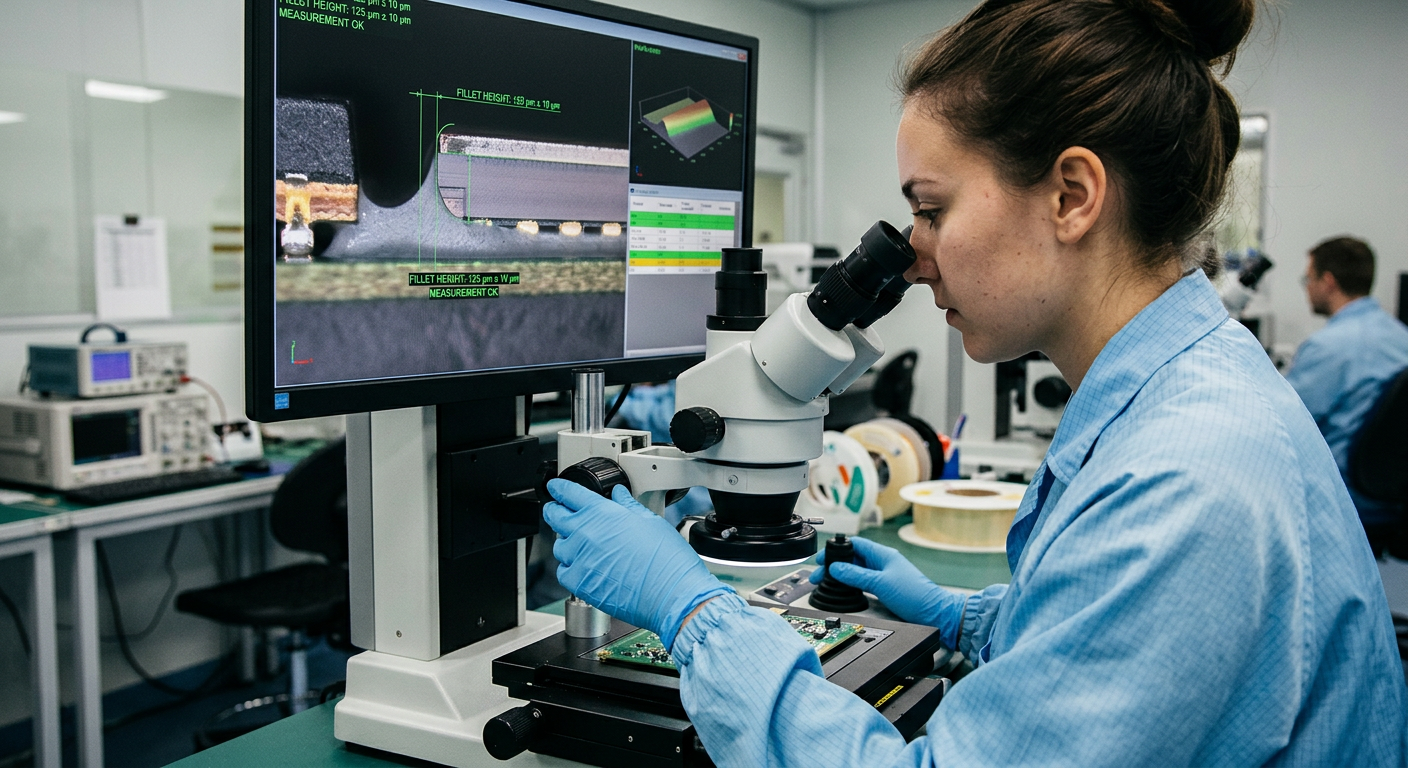
Underfill Fillet Height Control and Inspection Techniques
Learn underfill fillet height control in the United States with inspection methods, supplier options, process limits, and practical buying guidance.
-
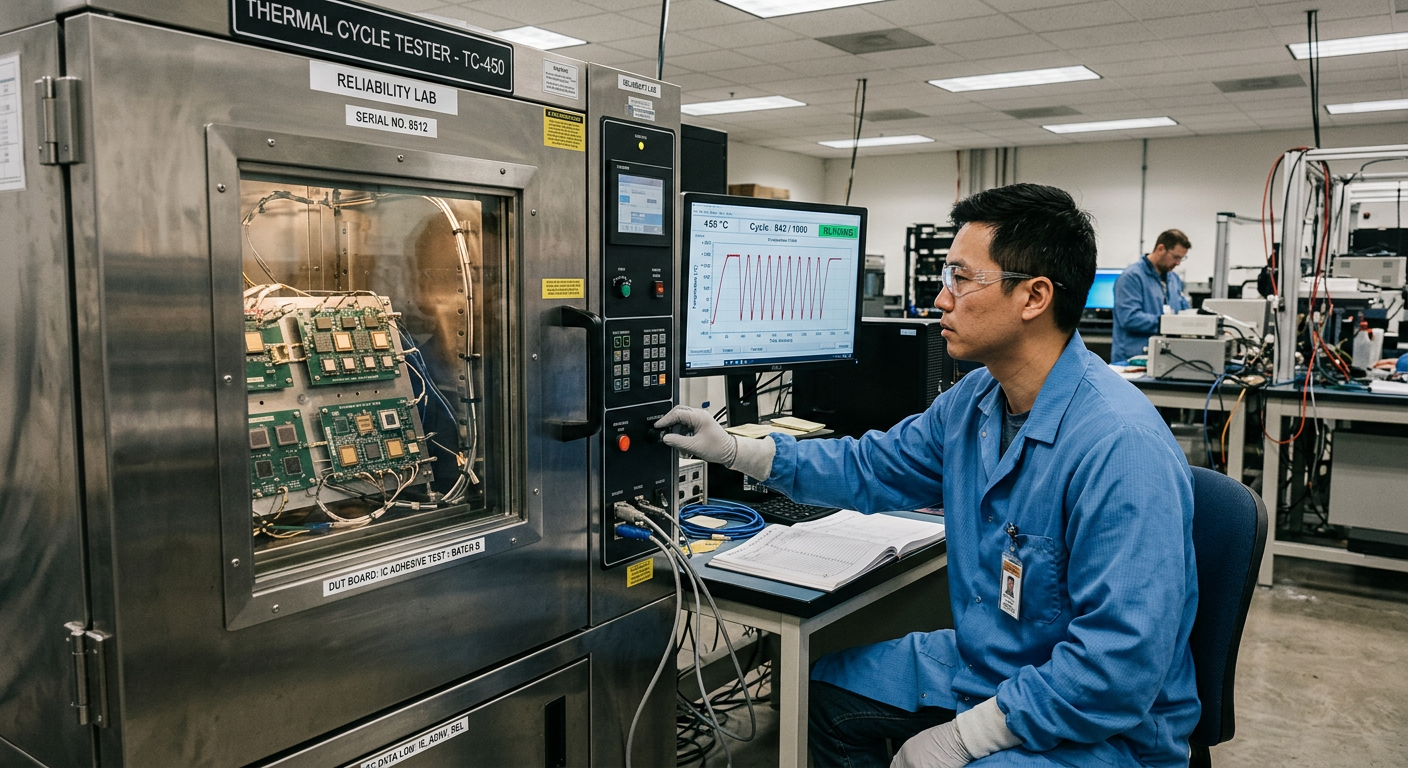
IC Package Adhesive Thermal Cycling Reliability Testing
IC packaging adhesive thermal cycling in the United States requires reliable material selection, supplier review, and test planning for electronics durability.
-
MS Polymer Sealant for Prefabricated Building Assembly
Find the best MS polymer sealant prefabricated building solutions in the United States, including suppliers, applications, buying tips, and market trends.
 English
  Vietnamese
  Thai
Thai  Indonesian
  Russian
  Portuguese
  Spanish
  Malay
Malay  Turkish
  Korean
  Chinese