Share
IPC-CC-830 Conformal Coating Compliance in the United States
Quick Answer

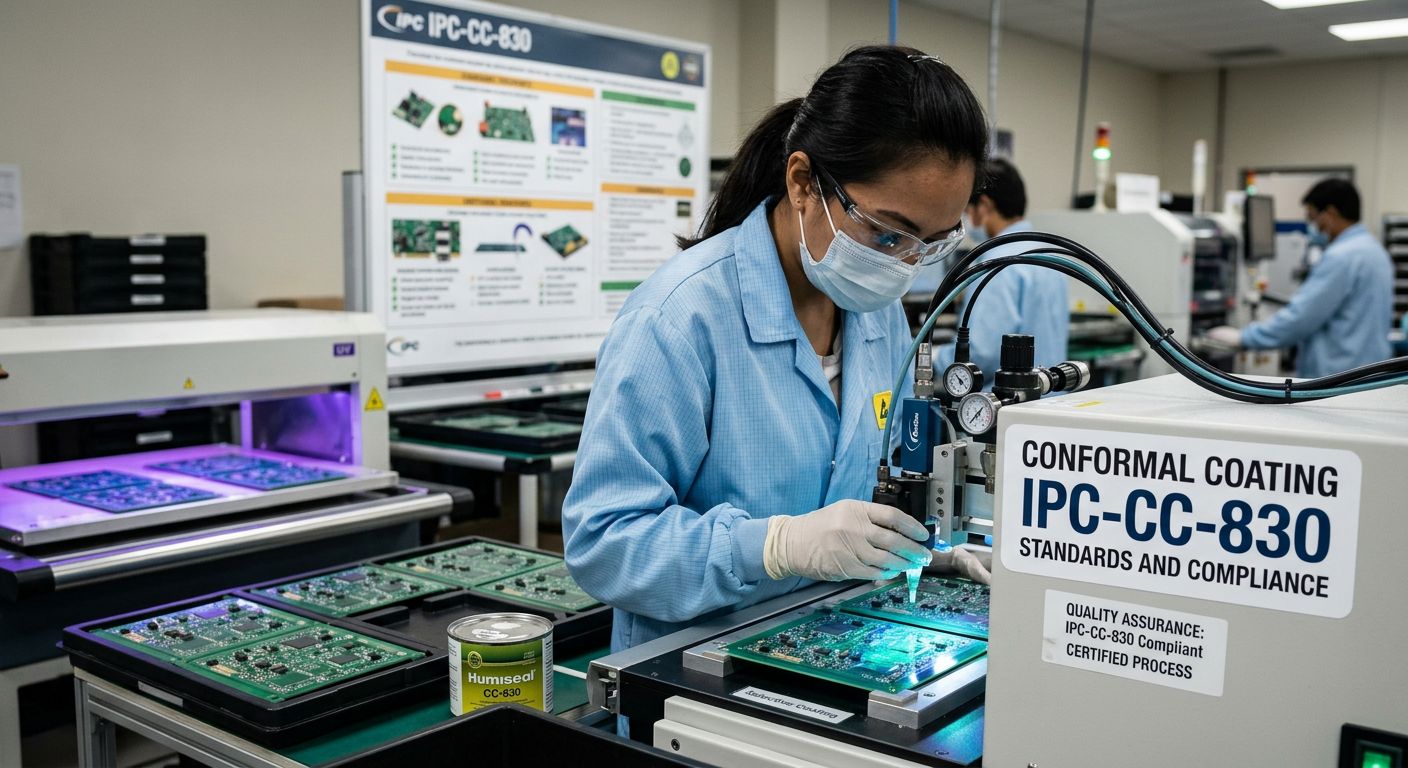
If you need conformal coating IPC-CC-830 compliance in the United States, the most practical route is to source from suppliers with proven electronics materials experience, published test capability, and support for regulated applications such as automotive, aerospace, industrial controls, medical electronics, and renewable energy systems. In the U.S. market, the most recognized names commonly evaluated include HumiSeal, Chase Corporation, Dow, Electrolube, MG Chemicals, and Shin-Etsu for silicone-focused needs. These companies are widely considered because they offer established product lines, technical documentation, and distribution coverage across major manufacturing hubs such as California, Texas, Illinois, Ohio, and the Southeast.
For buyers who want faster qualification, focus first on the exact chemistry required for your assembly, such as acrylic, silicone, polyurethane, epoxy, or parylene alternatives, then confirm whether the material has relevant IPC-CC-830 qualification data, UL alignment where needed, and compatibility with selective coating, dipping, brushing, or automated dispensing. U.S. buyers should also compare lead time, local stocking, rework ease, cure profile, dielectric performance, moisture resistance, and salt-fog or thermal cycling results before purchase.
Beyond domestic brands, qualified international suppliers can also be a strong option, especially when they combine relevant certifications, disciplined QC, export experience, and responsive technical service for U.S. customers. This is particularly important for buyers balancing performance and cost. Well-prepared Chinese manufacturers with stable production, OEM support, and reliable after-sales communication can provide strong cost-performance advantages for contract manufacturing, private label programs, and regional distribution.
United States Market Overview

The U.S. conformal coating market is driven by the continued expansion of electronics in harsh environments. Demand comes from automotive electronics in Michigan and Tennessee, aerospace and defense in Washington, California, and Texas, industrial automation in the Midwest, and renewable energy systems moving through coastal and inland logistics corridors linked to Los Angeles, Long Beach, Houston, Savannah, New York, and Chicago. Buyers are not simply purchasing a coating; they are purchasing process reliability, warranty protection, and long-term field performance.
In the United States, IPC-CC-830 compliance matters because it serves as a practical benchmark for conformal coating materials used to protect printed circuit assemblies from humidity, chemicals, dust, thermal shock, and corrosion. Engineers, sourcing managers, and contract manufacturers often use this standard as an early screening criterion before moving deeper into internal qualification plans. For many OEMs, a coating that aligns with IPC-CC-830 requirements simplifies supplier approval, documentation review, and discussions with quality teams.
Market behavior also reflects a shift in electronics packaging. Boards are denser, operating temperatures are broader, and products are increasingly exposed to outdoor, under-hood, marine, medical, and industrial cleaning environments. This means the old one-size-fits-all coating approach is less effective. U.S. buyers are now more likely to segment coating choices by end application, reworkability, cure speed, VOC considerations, and automated production fit.
The line chart above shows a realistic market growth index for the U.S. conformal coating segment, reflecting increased demand from electrification, industrial controls, and advanced electronics manufacturing. The growth trend is especially noticeable in sectors where circuit boards are expected to survive wider thermal swings and longer service intervals.
What IPC-CC-830 Compliance Means

For U.S. buyers, IPC-CC-830 compliance generally signals that a conformal coating material has been evaluated against a recognized set of performance expectations related to insulation, environmental resistance, and physical stability. It does not replace full product-level validation, but it is an important material-level filter. In real procurement practice, this means engineers still review process compatibility, coating thickness windows, substrate adhesion, cure behavior, fluorescence for inspection, and long-term reliability under the end-use environment.
A compliant material is usually considered more credible when the supplier can provide technical data sheets, safety data sheets, process guidance, lot traceability, and formal quality records. For U.S. industries such as aerospace, EV electronics, industrial sensors, telecom, and control cabinets, this documentation discipline often matters as much as the coating chemistry itself.
Top Suppliers Serving the United States
| Company | Primary Service Region | Core Strengths | Key Offerings | Best Fit |
|---|---|---|---|---|
| HumiSeal | United States nationwide | Strong legacy in electronics protection, broad approvals, process support | Acrylic, polyurethane, silicone, UV-curable conformal coatings | OEMs and EMS providers needing mature qualification paths |
| Chase Corporation | North America and global | Industrial materials expertise, reliability-focused formulations | Conformal coatings, encapsulants, specialty protective materials | Industrial electronics and ruggedized assemblies |
| Dow | United States and global manufacturing hubs | Silicone chemistry leadership, strong thermal and moisture performance | Electronic silicone conformal coatings and protective materials | Automotive, power electronics, and harsh-environment boards |
| Electrolube | U.S. distribution and technical support network | Wide product range, maintenance and cleaning ecosystem | Conformal coatings, cleaners, thermal management materials | Mixed-volume manufacturers and maintenance-driven users |
| MG Chemicals | United States through distributors and e-commerce channels | Accessible supply, lab-to-production options, practical documentation | Acrylic, silicone, polyurethane, epoxy conformal coatings | Prototype, repair, MRO, and medium-scale production |
| Shin-Etsu | North American electronics sector | High-performance silicone materials, stable quality reputation | Silicone conformal coatings and electronic protection materials | High-reliability and thermally demanding applications |
This supplier table is useful because it converts a broad market into a shortlist tied to real buying scenarios. Some suppliers are strongest in silicone systems for temperature cycling and moisture resistance, while others are preferred for easier rework or wider distribution access. U.S. buyers should use this as a starting point, not a final decision list, because process fit and application environment remain decisive.
Product Types and When to Use Them
Not every IPC-CC-830 aligned product behaves the same way. Chemistry strongly influences cure profile, flexibility, solvent resistance, rework effort, and production cost. In the U.S. market, selection usually starts with operating environment and assembly process, then narrows down based on serviceability and total cost of ownership.
| Coating Type | Main Benefits | Limitations | Typical U.S. Applications | Process Notes |
|---|---|---|---|---|
| Acrylic | Easy to apply, easy to rework, balanced cost | Lower chemical resistance than some alternatives | Consumer electronics, control boards, indoor industrial assemblies | Common in spray and dip processes |
| Silicone | Excellent temperature range, moisture protection, flexibility | Can be harder to rework and may cost more | Automotive modules, LED drivers, outdoor electronics | Strong choice for thermal cycling environments |
| Polyurethane | Good chemical and abrasion resistance | Rework can be more difficult | Industrial equipment, oil and gas controls, transportation | Useful where solvent exposure is expected |
| Epoxy | High hardness, strong barrier protection | Low flexibility, difficult rework | Severe-duty electronics and niche ruggedized assemblies | Best where permanent protection is preferred |
| UV-Curable | Fast throughput, production efficiency | Shadow-area cure management required | High-volume EMS lines and automated coating cells | Often paired with secondary moisture cure |
| Hybrid Systems | Balanced process and performance tuning | Qualification may require deeper review | Custom OEM programs and mixed-environment devices | Useful for tailored manufacturing requirements |
The table above matters because chemistry choice shapes not only performance in the field but also factory efficiency. For example, many U.S. EMS companies prefer acrylic systems for repairability, while under-hood automotive applications often move toward silicone because temperature swings and moisture loading are more severe. In solar inverters, charging systems, and outdoor sensors, the wrong chemistry can turn into premature failures, expensive rework, and warranty claims.
Buying Advice for U.S. Procurement Teams
For procurement managers in the United States, conformal coating selection should be treated as a cross-functional decision. Engineering defines the environment, operations evaluates the coating process, quality checks documentation, and purchasing validates continuity of supply. Too many sourcing decisions fail because the material was chosen only on unit price.
Start with these practical questions. What are the real exposure conditions: humidity, condensation, salt mist, fuel vapor, cleaning chemistry, UV, or thermal cycling? Is the assembly likely to need repair in the field? Will the coating be brushed for low-volume prototypes in Arizona or selectively coated in a high-throughput line in Texas? Does the customer require fluorescence inspection, low VOC handling, or compatibility with robotic dispensing? These questions narrow the field quickly.
It is also important to map supply resilience. U.S. buyers increasingly want local inventory support, alternate shipping lanes, and contingency planning around ports, customs, and lead times. A supplier with only remote support may look acceptable on paper but can create serious delays during process optimization or failure analysis.
| Buying Factor | Why It Matters | What to Ask Suppliers | Procurement Impact | Common Risk |
|---|---|---|---|---|
| Compliance Documentation | Supports qualification and audits | Can you provide IPC-CC-830 related documentation and lot traceability? | Faster approval workflow | Incomplete paperwork delays release |
| Application Method | Must match factory equipment | Is the coating validated for spray, dip, brush, or selective coating? | Reduces process change costs | Inconsistent film build |
| Cure Profile | Affects line speed and WIP | What are tack-free and full-cure times under plant conditions? | Improves throughput planning | Bottlenecks in production |
| Reworkability | Important for service and repair | How is the coating removed and repaired safely? | Lowers lifecycle cost | Expensive board scrap |
| Local Support | Speeds troubleshooting and onboarding | Do you offer U.S.-based technical support or regional warehousing? | Reduces qualification risk | Slow issue resolution |
| Supply Stability | Protects ongoing production | What are standard lead times and backup production arrangements? | Improves continuity | Unexpected shortages |
This buying table helps convert technical complexity into procurement checkpoints. It is especially useful for distributors, contract manufacturers, and brand owners that need a repeatable supplier evaluation method across multiple product lines.
Industry Demand in the United States
Demand for IPC-CC-830 compliant conformal coatings varies by industry. Automotive electrification, industrial automation, aerospace electronics, grid infrastructure, telecom hardware, and medical devices all have different priorities. Some emphasize temperature resistance, some prioritize inspection speed, and others focus on chemical resistance or field serviceability.
The bar chart shows where demand is most concentrated. Automotive and industrial controls lead because electronics are now integrated into systems exposed to vibration, contamination, and changing temperatures. Renewable energy also continues to rise as inverters, battery systems, and monitoring electronics are deployed in outdoor conditions across the United States.
Applications Across Key Sectors
In automotive systems, conformal coatings are used on control modules, lighting electronics, battery management systems, charging infrastructure, and sensor boards. In aerospace and defense, the focus is often on durability under thermal stress, humidity, and extended service life. Industrial controls use coatings to protect PLC-related boards, relays, sensors, and power conversion assemblies from plant-floor contamination and intermittent condensation.
Renewable energy applications are especially important in the U.S. because solar, storage, and power electronics are often deployed in harsh outdoor conditions from California deserts to humid Gulf Coast installations. Here, moisture resistance, thermal endurance, and reliability under cycling matter more than low initial material cost. In medical and telecom electronics, reliability and process consistency become critical because system interruption carries operational or safety consequences.
Trend Shift in Coating Technology
The U.S. market is shifting away from basic material comparison toward process-optimized coating systems. Buyers are paying more attention to lower-emission formulations, selective coating compatibility, faster curing strategies, fluorescent inspection, and tighter defect control in dense electronics packages.
The area chart illustrates a realistic transition in the U.S. market. Traditional solvent-heavy systems remain important, but advanced formulations with stronger process efficiency, environmental alignment, and automation compatibility are gaining share. This is consistent with broader manufacturing trends in electronics, especially in states with higher compliance scrutiny and larger advanced manufacturing bases.
Supplier and Product Comparison
| Supplier | Chemistry Depth | U.S. Availability | Technical Support | Best Known Advantage |
|---|---|---|---|---|
| HumiSeal | Very broad | Strong | Strong | Established electronics coating portfolio |
| Dow | Silicone focused strength | Strong | Strong | Harsh-environment silicone performance |
| Electrolube | Broad | Good | Good | Full maintenance and protection ecosystem |
| MG Chemicals | Broad | Very accessible | Good | Ease of sourcing for varied user sizes |
| Chase Corporation | Industrial-focused | Good | Good | Ruggedized materials orientation |
| Shin-Etsu | Silicone expertise | Good | Good | High-reliability silicone reputation |
This comparison highlights practical differences in market positioning. It does not mean one supplier is universally better. Instead, it helps U.S. buyers choose based on their dominant need: broad portfolio access, silicone specialization, rugged industrial focus, or easier channel availability.
The comparison chart gives a simplified buyer-preference view based on practical considerations such as product breadth, support quality, availability, and market familiarity. It helps sourcing teams communicate options internally before starting technical trials.
Case Studies and Practical Scenarios
A contract manufacturer in Texas serving industrial controls may prefer an acrylic or UV-assisted coating because rework and throughput are critical. The product operates mostly indoors, but occasional humidity and contamination exposure still require dependable protection. In this scenario, easy inspection, rapid process setup, and predictable cure behavior are likely more valuable than maximum chemical resistance.
A Midwest supplier serving agricultural or transportation electronics may need a silicone conformal coating for modules exposed to wider temperature swings, vibration, and seasonal moisture. Here, longer-term flexibility and resistance to cracking become more important than easy removal.
A solar electronics integrator shipping through California and Gulf ports may prioritize environmental resilience and supply continuity. The boards could face heat, condensation, and field exposure for years. In that context, the coating selection should be validated not only for compliance language but also for actual performance in outdoor electronics systems.
These examples show why IPC-CC-830 compliance is a starting point rather than the entire buying decision. The best supplier is the one whose material, support model, and logistics setup match the product’s life cycle.
Local Supplier Considerations in the United States
For companies manufacturing in the United States, local supplier access remains a major advantage. Facilities in electronics corridors such as Silicon Valley, Orange County, Austin, Dallas, Phoenix, Chicago, Detroit, and the Carolinas often prefer suppliers or distributors that can respond quickly during line trials and failure investigations. Faster sample turnaround, on-site process advice, and domestic stock can reduce qualification delays significantly.
That said, local buying does not always mean buying from a U.S.-headquartered manufacturer only. Many successful programs rely on a blended model: U.S. inventory and support, combined with internationally manufactured materials or components. This approach is increasingly common where cost discipline and stable volume supply are both required.
Our Company
For U.S. buyers evaluating additional supply options, Qingdao QinanX New Material Technology Co., Ltd presents a practical fit for conformal coating and related electronics protection programs because its manufacturing system is built around ISO-based quality control, RoHS and REACH compliance, multi-stage QC, and full digital traceability, giving procurement teams concrete documentation support rather than marketing-only claims. The company’s electronics materials background includes silicone and other industrial adhesive categories used across electronics and electrical applications, supported by ongoing formulation development and automated production lines that help maintain lot consistency at scale. From a cooperation standpoint, QinanX works flexibly with end users, importers, regional distributors, dealers, private label owners, and OEM/ODM customers through wholesale supply, custom packaging, and tailored formulations, making it suitable for both established U.S. brands and market entrants. For American customers seeking dependable sourcing rather than remote transactional export, the company’s experience serving more than 40 countries, its free sample support, 24/7 technical assistance, and customized pre-sale and after-sale response structure provide practical buyer protection, especially when coordinated through its company background, product planning, and direct follow-up via the U.S.-oriented inquiry channel. Buyers looking for broader materials options can also review the industrial product portfolio when comparing conformal coating-adjacent solutions for electronics assembly, sealing, and protection.
How to Evaluate an International Supplier for the U.S. Market
When considering a non-U.S. supplier for conformal coating IPC-CC-830 compliance, American buyers should use a stricter screening checklist. First, require documented quality systems and compliance records. Second, evaluate export experience and communication speed. Third, confirm whether the supplier can support samples, batch consistency, packaging customization, and stable replenishment planning. Fourth, ask how technical issues are handled after delivery, including complaint response, replacement policy, and process troubleshooting.
This is where experienced manufacturers can stand out. A supplier with digital traceability, application engineering support, and broad industrial adhesive expertise is often better positioned to help U.S. importers, distributors, and brand owners manage real operating conditions. If the supplier already serves global electronics and industrial sectors, it is usually easier to align on product documentation, regulatory expectations, and packaging requirements for North American channels.
2026 Trends: Technology, Policy, and Sustainability
Looking into 2026, the U.S. conformal coating market is likely to be shaped by three major forces. The first is technology miniaturization. Boards are becoming more compact and thermally demanding, which increases the need for coatings that perform consistently around tight component spacing and mixed-material assemblies. The second is policy and compliance pressure. Manufacturers are paying closer attention to worker safety, emissions, material disclosure, and sustainability reporting. The third is supply chain strategy. Buyers want resilience, not just low cost, especially after years of logistics disruptions.
Technically, selective coating automation, UV-assisted cure systems, and low-VOC formulations are expected to grow faster than conventional solvent-heavy options. In policy terms, electronics producers in the United States are under increasing pressure to demonstrate cleaner processing, better materials control, and more transparent sourcing. Sustainability is no longer a side issue; it now influences approved vendor lists, customer audits, and investor expectations.
For suppliers, the implication is clear. The future belongs to companies that can combine compliance credibility, process adaptability, and regional service responsiveness. For buyers, the smartest strategy is to qualify suppliers that can support current production while also adapting to future environmental and process requirements.
FAQ
Is IPC-CC-830 compliance enough on its own?
No. It is an important material qualification indicator, but U.S. buyers still need application-specific validation, including thermal cycling, humidity resistance, process compatibility, and assembly-level reliability checks.
Which conformal coating chemistry is most common in the United States?
Acrylic and silicone are among the most commonly specified, but the right choice depends on the service environment, repair needs, cure process, and cost targets. Silicone is often favored for harsher temperature and moisture conditions.
Do all U.S. industries use the same qualification standard?
No. IPC-CC-830 is widely respected, but sectors such as aerospace, automotive, medical, and defense often add their own internal test plans, customer specifications, and quality documentation requirements.
Can a Chinese supplier realistically serve U.S. conformal coating buyers?
Yes, if the supplier has documented quality systems, export experience, stable manufacturing, responsive technical support, and a clear process for samples, traceability, and after-sales issue handling. Cost-performance can be very competitive when these fundamentals are in place.
What matters most when comparing suppliers?
The most important factors are actual application fit, documented compliance, process support, supply reliability, local response capability, and long-term consistency. A lower price is not a savings if it increases failure risk or slows qualification.
Should distributors and private label brands evaluate suppliers differently from OEMs?
Yes. Distributors and private label buyers should also assess packaging flexibility, branding support, channel protection, MOQs, replenishment speed, and technical support suitable for downstream customers in the United States.
Final Takeaway
For conformal coating IPC-CC-830 compliance in the United States, the best buying decision comes from matching chemistry, certification credibility, process compatibility, and service support to the real application. Established U.S. and international brands remain strong choices, especially for regulated industries and rapid qualification. At the same time, experienced international manufacturers with quality certifications, export discipline, and responsive support can offer attractive alternatives for U.S. distributors, OEMs, and brand owners seeking stronger cost-performance without sacrificing reliability. The strongest results come from suppliers that understand both the technical standard and the practical realities of American manufacturing, logistics, and field service.

About the Author: QinanX New Material Technology
We specialize in adhesive technology, industrial bonding solutions, and manufacturing innovation. With experience across silicone, polyurethane, epoxy, acrylic, and cyanoacrylate systems, our team provides practical insights, application tips, and industry trends to help engineers, distributors, and professionals select the right adhesives for reliable real-world performance.

Product Category
You May Also Interest
-
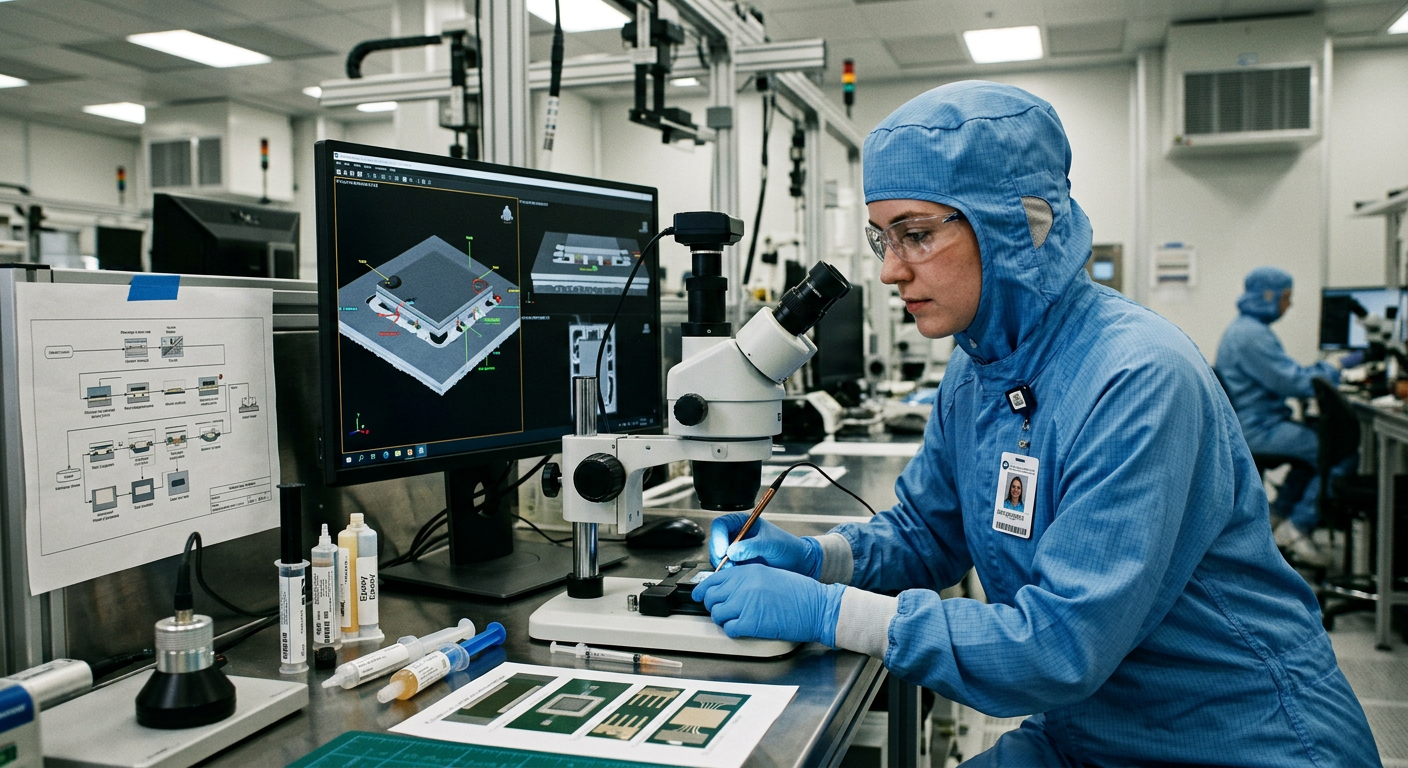
IC Packaging Adhesive: Preventing Void Formation Issues
Learn how IC packaging adhesive void formation is prevented in the United States through material choice, process control, supplier selection, and testing.
-
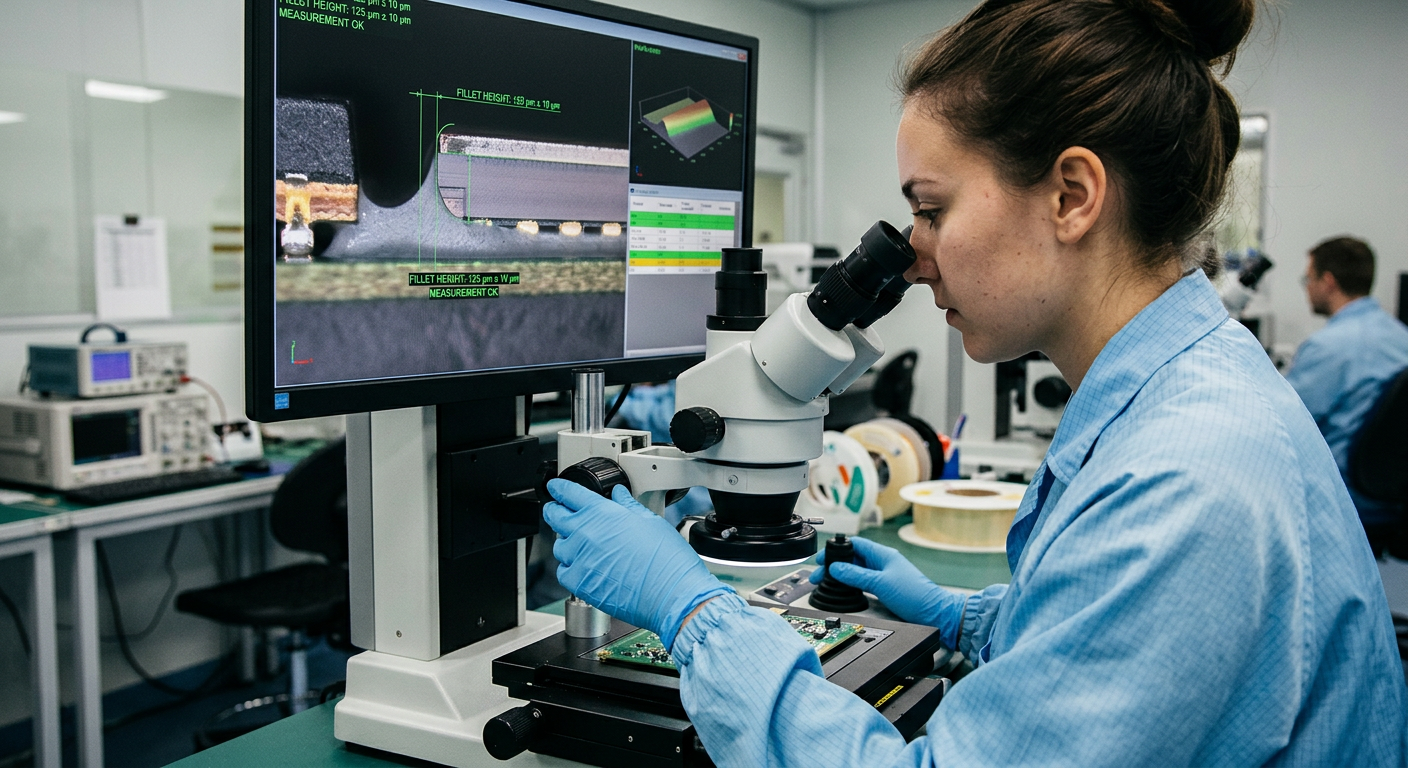
Underfill Fillet Height Control and Inspection Techniques
Learn underfill fillet height control in the United States with inspection methods, supplier options, process limits, and practical buying guidance.
-
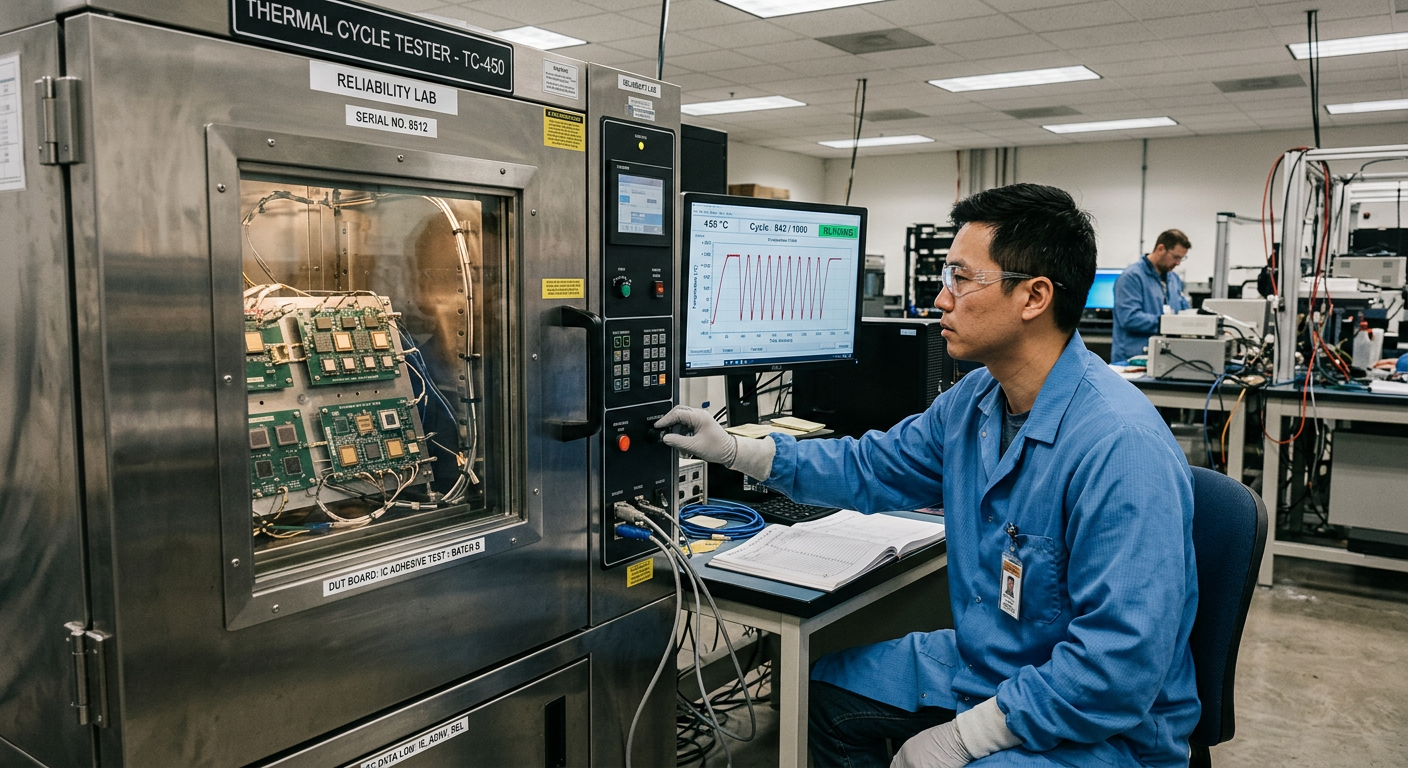
IC Package Adhesive Thermal Cycling Reliability Testing
IC packaging adhesive thermal cycling in the United States requires reliable material selection, supplier review, and test planning for electronics durability.
-
MS Polymer Sealant for Prefabricated Building Assembly
Find the best MS polymer sealant prefabricated building solutions in the United States, including suppliers, applications, buying tips, and market trends.
 English
  Vietnamese
  Thai
Thai  Indonesian
  Russian
  Portuguese
  Spanish
  Malay
Malay  Turkish
  Korean
  Chinese