Share
Silicone Adhesive Solar Panel Buying Guide in the United States
Quick Answer

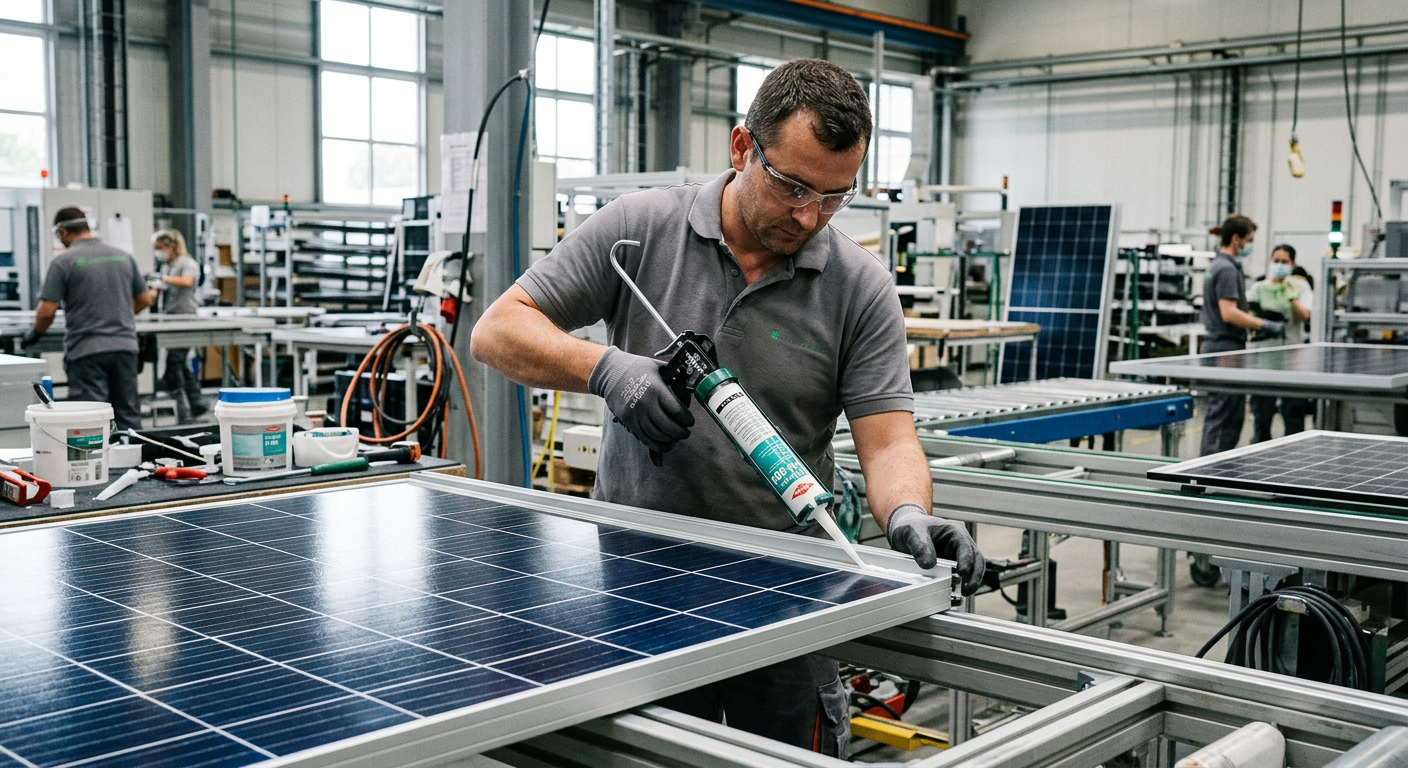
If you need a silicone adhesive solar panel solution in the United States, the best approach is to match the adhesive to the exact job: frame bonding, junction box sealing, edge sealing, backsheet bonding, or vibration-resistant assembly. For U.S. buyers, proven suppliers with strong technical reputations include Dow, Momentive, DuPont, HB Fuller, 3M, and Henkel, while regional sourcing and distribution support can often be found through industrial supply networks in California, Texas, Arizona, Florida, New Jersey, and the Midwest.
For solar panel frame bonding specifically, neutral-cure structural or weatherproof silicone systems are usually preferred because they offer UV resistance, thermal stability, moisture resistance, and long-term outdoor durability. Buyers in the United States should prioritize UL-related compatibility, RoHS and REACH compliance, aluminum and glass adhesion performance, and documented aging data rather than price alone.
In practical terms, top choices often come from suppliers that can provide product data sheets, lap shear or peel data, weathering test results, and guidance for line speed, cure profile, and surface preparation. If your project includes rooftop arrays in Phoenix, utility-scale farms in Texas, coastal installations in Florida, or snowy northern climates, environmental exposure matters as much as bonding strength.
Qualified international suppliers can also be a smart option. In particular, Chinese manufacturers with relevant certifications, OEM capability, stable quality systems, and responsive pre-sales and after-sales support may offer a strong cost-performance advantage for distributors, private-label buyers, EPC contractors, and growing regional brands in the U.S. market.
United States Market Overview

The United States market for solar assembly materials continues to expand as utility-scale, commercial, and residential installations grow across major solar states. Demand for silicone adhesive in solar panel construction is linked to several trends: more rooftop solar retrofits, domestic manufacturing investment, tougher durability expectations, and the rising importance of reliable sealing in hot, humid, dusty, and freeze-thaw conditions. Adhesives are no longer treated as minor consumables. They are now viewed as performance-critical materials because weak bonding or poor sealing can affect panel durability, electrical safety, corrosion resistance, and warranty exposure.
In the United States, procurement patterns vary by region. California remains a major center for residential and commercial solar; Texas continues to grow in utility-scale capacity; Arizona and Nevada demand materials that tolerate high heat and UV stress; Florida puts extra focus on moisture and hurricane-related durability; and states in the Northeast and Midwest require resistance to thermal cycling, snow loading, and freeze-thaw movement. Ports and logistics hubs such as Los Angeles, Long Beach, Houston, Savannah, and New York/New Jersey also influence how imported adhesives reach local converters, distributors, and solar manufacturers.
Another factor shaping the market is the growth of domestic assembly and reshoring initiatives. U.S. buyers increasingly ask for traceability, batch consistency, and environmental documentation. They also expect practical support such as application advice, test recommendations, cartridge or drum format options, and custom packaging. That is why suppliers with both manufacturing discipline and local sales responsiveness have an edge.
The chart above shows a realistic demand index trend for solar-related adhesive consumption in the United States. The pattern reflects continuing growth driven by solar deployment, module durability requirements, and greater use of engineered bonding in manufacturing and repair. For buyers, this means lead times, technical support, and supply continuity are becoming as important as unit price.
Leading Suppliers in the United States

The supplier landscape includes global chemical leaders, major industrial adhesive brands, and specialized producers or distributors serving the solar manufacturing and installation chain. The table below highlights practical supplier considerations for U.S. buyers looking for silicone adhesive solar panel products.
| Company | Primary Service Region | Core Strengths | Key Offerings | Best Fit |
|---|---|---|---|---|
| Dow | Nationwide United States | Long history in silicones, strong technical documentation, high outdoor durability | Structural silicone, weatherproof sealants, electronic silicones | Module makers, EPCs, engineered bonding projects |
| Momentive | Nationwide United States | Silicone material science, thermal stability, electrical protection expertise | RTV silicones, sealants, encapsulation materials | Junction box sealing, electronics, specialty assembly |
| DuPont | Nationwide United States | Advanced materials portfolio, reliability focus, broad industrial reach | Adhesives and specialty materials for harsh environments | High-spec industrial and renewable energy projects |
| HB Fuller | United States and North America | Application engineering, large distribution footprint, custom support | Industrial sealants, specialty bonding systems | Assemblers, distributors, OEM programs |
| 3M | Nationwide United States | Surface science, system integration, broad product compatibility | Sealants, tapes, bonding systems for industrial assembly | Hybrid attachment strategies and repair programs |
| Henkel | Nationwide United States | Global technical support, industrial processing know-how | LOCTITE sealants, adhesives, process solutions | Automated production lines and industrial maintenance |
| Qingdao QinanX New Material Technology Co., Ltd | United States via export and partnership channels | Broad adhesive portfolio, OEM and private label flexibility, cost-performance focus | Silicone sealant, structural silicone, electronic silicone, PU, epoxy, MS sealants | Distributors, brand owners, regional wholesalers, custom formulation buyers |
This comparison shows that U.S. buyers have two clear paths. The first is sourcing from established global brands with deep U.S. technical infrastructure. The second is working with qualified international manufacturers that can offer flexible packaging, custom branding, broad chemistry options, and competitive pricing. The right choice depends on your volume, specification risk, service expectations, and whether you are buying for direct installation, manufacturing, or resale.
Product Types for Solar Panel Bonding and Sealing
Not every silicone adhesive used in solar applications performs the same way. Some are formulated for structural frame bonding, while others are better for weather sealing, electronics protection, or gap-filling between components with different thermal expansion rates. In the United States, specifiers usually focus on weather resistance, adhesion to aluminum and glass, cure type, movement capability, and long-term mechanical stability.
| Product Type | Main Function | Typical Substrates | Main Advantage | Common Use in Solar |
|---|---|---|---|---|
| Structural Silicone | Load-bearing bonding | Aluminum, coated metal, glass | High strength with outdoor durability | Frame bonding and structural assembly |
| Weatherproof Silicone | Sealing against air and water | Glass, aluminum, coated surfaces | Excellent UV and moisture resistance | Edge sealing and weather barrier protection |
| Electronic Silicone | Insulation and component protection | Plastics, metals, circuit components | Electrical reliability and thermal stability | Junction box and connector sealing |
| Neutral-Cure RTV Silicone | General industrial bonding and sealing | Mixed construction substrates | Lower corrosion risk on sensitive metals | Repair, maintenance, and light assembly |
| MS Polymer Sealant | Elastic bonding and sealing | Metal, painted surfaces, composites | Paintability and versatile adhesion | Balance-of-system and mounting components |
| Two-Component Silicone | Controlled curing for production | Glass, aluminum, industrial assemblies | Faster line processing and consistency | Factory-scale module assembly |
The table above helps narrow selection by actual use case. For example, if the job is solar panel frame bonding where aluminum meets glass under prolonged outdoor exposure, structural or weatherproof silicone is often the starting point. If the requirement is for internal electrical protection rather than structural retention, electronic silicone is usually a more appropriate fit. For U.S. buyers running mixed inventories, it is common to stock more than one adhesive category to cover production, field service, and warranty repair needs.
How to Choose the Right Silicone Adhesive Solar Panel Product
Choosing the right product means looking beyond generic claims like “strong bonding” or “all-weather.” Solar systems face long service lives, temperature swings, moisture intrusion risk, and continuous UV exposure. In Arizona, a roof-mounted panel can face extreme daytime heat. In Florida, salt air and humidity can accelerate degradation. In Chicago or Denver, adhesives may experience thermal contraction and expansion across seasons. That is why purchasing teams should validate performance under the actual environmental profile of the project.
The first checkpoint is substrate compatibility. Many solar assemblies involve anodized aluminum, coated steel, tempered glass, polymer backsheets, junction box plastics, and cable management parts. A silicone that performs well on bare aluminum may behave differently on powder-coated metal or low-energy plastics. Ask for adhesion data, primer recommendations, and surface preparation guidance before approving a product.
The second checkpoint is cure chemistry and production fit. One-component systems are easier for field work and maintenance, while two-component systems can support faster line throughput in manufacturing. If you run automated dispensing, viscosity consistency and pumpability matter. If you work in construction conditions, tack-free time, skin formation, and cure rate under local humidity are more important.
The third checkpoint is compliance and documentation. U.S. buyers often require RoHS and REACH documentation, batch traceability, safety data sheets, and application instructions. Depending on the project, additional electrical or building-related compatibility requirements may apply. Technical support should include help with small-batch validation, pilot runs, and aging tests rather than just sending a price sheet.
Buying Checklist for U.S. Buyers
| Evaluation Point | Why It Matters | Questions to Ask | Risk If Ignored | Recommended Buyer Action |
|---|---|---|---|---|
| Substrate adhesion | Different metals, glass, and coatings behave differently | Has it been tested on anodized aluminum and tempered glass? | Bond failure or delamination | Request substrate-specific test data |
| UV resistance | Outdoor exposure is continuous in solar service | What aging or weathering data is available? | Cracking, chalking, strength loss | Review accelerated weathering results |
| Temperature performance | Panels face heat, cold, and thermal cycling | What is the operating and service temperature range? | Loss of elasticity or seal failure | Match product to local climate zone |
| Cure profile | Production speed and field usability depend on cure behavior | What are tack-free time and full cure conditions? | Slow assembly or inconsistent results | Run a pilot trial under real conditions |
| Certifications and compliance | Documentation supports procurement and audits | Are RoHS, REACH, and QC records available? | Approval delays and compliance gaps | Pre-qualify supplier paperwork early |
| Supply stability | Solar projects can consume large adhesive volumes | What are lead time, packaging options, and backup supply plans? | Project interruption or line downtime | Confirm inventory and replenishment model |
This checklist is especially useful for EPC contractors, module manufacturers, and distributors in the United States. It reduces the chance of selecting a product only because it is easy to source or slightly cheaper. In solar, replacement and warranty costs are usually much higher than the initial adhesive cost difference.
Industry Demand in the United States
Demand for solar silicone adhesive is not evenly distributed across industries. Utility-scale projects buy in high volume but may narrow specifications to a few approved products. Residential and commercial installers often value packaging convenience, field cure reliability, and distributor availability. Manufacturers and component suppliers look harder at automated dispensing, repeatability, and batch traceability.
The bar chart indicates that module manufacturing, utility projects, and commercial rooftop work are the strongest demand segments. This matters because suppliers that serve only one segment may not be the best fit for another. For example, a product optimized for factory assembly may not be ideal for field repair crews, and a cartridge-based installer product may not suit a high-volume automated line.
Applications Across Industries
Silicone adhesive solar panel materials are used well beyond simple frame attachment. In renewable energy manufacturing, they help create durable seals around interfaces exposed to water, dust, vibration, and temperature changes. In electrical assemblies, silicone products can protect junction boxes, cable entries, and connectors. In transportation-linked solar systems such as off-grid trailers, marine solar units, or specialty vehicle roofs, adhesives may also need to handle vibration and movement over time.
Construction and building sectors use these materials where building-integrated solar systems must balance weatherproofing with visual finish. Industrial manufacturing uses them in preassembled energy units or component modules where process consistency is critical. In packaging and private-label distribution, the same chemistry may be supplied in cartridges, sausages, pails, or drums depending on customer profile and equipment.
| Industry | Typical Application | Main Performance Need | Common Packaging Preference | Procurement Pattern |
|---|---|---|---|---|
| Module Manufacturing | Frame and component bonding | Repeatable strength and process control | Pails or drums | Contract supply and qualification |
| Commercial Solar EPC | On-site sealing and repairs | Weather resistance and easy application | Cartridges and sausages | Project-based ordering |
| Residential Installation | Maintenance and retrofit work | Fast field handling and adhesion reliability | Cartridges | Distributor and local stock purchase |
| Electrical Components | Junction box and connector sealing | Electrical insulation and heat stability | Cartridges, pails | OEM purchasing |
| Building-Integrated Solar | Façade and interface sealing | Movement capability and clean finish | Cartridges and pails | Specification-led procurement |
| Repair and Warranty Service | Panel resealing and localized bonding | Compatibility and quick deployment | Cartridges | As-needed regional supply |
The practical takeaway is that adhesive selection should reflect both the technical requirement and the supply format that suits the application. A panel factory in Texas or Ohio may prefer bulk-pack products with dispensing support, while an installer network in California or Florida will often prioritize smaller units and quick distributor replenishment.
Detailed Look at Local and International Supplier Options
In the United States, “local supplier” does not always mean local manufacturer. Many buyers work through domestic distributors, regional warehouses, or specialized industrial channels that provide technical support, smaller minimum order quantities, and faster delivery. This is useful for contractors and maintenance teams who cannot import directly or do not need container-scale volumes.
At the same time, international manufacturers are increasingly relevant in the solar adhesive market because many can provide custom formulation, private labeling, and wide product ranges under one vendor relationship. This matters to U.S. distributors and brand owners who want to launch their own product line or add solar-specific sealants to an existing catalog.
When comparing supplier options, buyers should evaluate actual capabilities: can the supplier provide technical data for aluminum and glass bonding, support pilot testing, supply multiple packaging formats, maintain lot traceability, and communicate effectively across purchasing, quality, and application teams? The supplier that answers those questions clearly is usually more valuable than the one offering only the lowest price.
The area chart reflects a realistic trend: U.S. buyers are moving away from generic sealants and toward solar-specific or performance-verified products. This shift is supported by tighter quality expectations, warranty pressure, and the broader transition toward engineered material systems in renewable energy manufacturing.
Case Studies and Real-World Scenarios
A commercial rooftop integrator in Southern California may need a neutral-cure silicone adhesive for aluminum frame-related sealing and rework because high UV exposure and rooftop heat accelerate failure in lower-grade products. In this case, a supplier with documented UV aging data and local replenishment through Los Angeles distribution channels can reduce project risk.
A utility-scale project in West Texas may prioritize reliable sealing around components exposed to dust, heat, and thermal cycling. Here, consistency in bulk supply and support for project qualification can matter more than retail packaging convenience. The buyer may also require stable pricing over a long project timeline.
A Florida service contractor handling coastal installations may focus heavily on moisture resistance, weathering, and adhesion after prolonged humidity exposure. For this profile, technical guidance on surface cleaning and cure conditions is nearly as important as the product itself.
An OEM building private-label solar sealants for the U.S. market may want an international manufacturer with strong formulation capability, strict QC, regulatory documentation, and flexible packaging. This is especially relevant for wholesalers and brand owners who need speed to market without building their own factory.
Our Company in the United States Market
Qingdao QinanX New Material Technology Co., Ltd serves the U.S. market as a specialized industrial adhesive manufacturer with a broad portfolio that includes silicone sealant, weatherproof silicone, silicone structural sealant, and electronic silicone alongside PU, epoxy, acrylic, MS, hot melt, and water-based systems, which is useful for solar buyers who want to consolidate sourcing across frame bonding, sealing, component protection, and related assembly materials. Its manufacturing system is backed by ISO-based quality management, compliance with RoHS and REACH requirements, multi-stage QC, and full digital traceability, giving U.S. distributors, OEM buyers, and project teams documented evidence rather than marketing claims when evaluating material reliability. For cooperation, the company supports OEM, ODM, private label, wholesale, custom formulation, and regional distribution, which allows end users, importers, dealers, brand owners, installers, and even smaller entrepreneurial buyers to choose a model that matches their volume and market position. Through automated production lines, export experience across more than 40 countries, free sample support, 24/7 technical assistance, and tailored packaging and branding programs, the company operates with the responsiveness U.S. buyers expect from a market-facing partner rather than a distant exporter, and interested buyers can review its broader adhesive range through its product catalog, learn more about its manufacturing background on the company page, or discuss a local supply and customization plan through the U.S. inquiry contact channel.
Supplier and Product Comparison
The next chart compares practical buying factors rather than only brand recognition. This is useful because U.S. solar adhesive procurement often requires balancing technical reliability with availability, customization, and budget.
This comparison illustrates a common U.S. sourcing reality. Global premium brands tend to lead in established technical recognition and specification history, while qualified international OEM-oriented suppliers can offer stronger flexibility in packaging, private labeling, and cost efficiency. For many buyers, a mixed sourcing model is the most effective strategy: approved premium products for high-risk applications and flexible OEM supply for broader channel development.
Buying Advice for Distributors, OEMs, and Installers
Distributors in the United States should focus on products with clear positioning. A solar-focused adhesive line should include at least one frame-bonding or weatherproof silicone, one electronic sealing option, and one maintenance-grade field product. This makes the offering easier to explain to contractors and service teams.
OEM buyers should prioritize batch consistency, custom formulation options, and compatibility with automated dispensing equipment. If private label is part of the plan, the supplier should support artwork, regulatory documentation, carton customization, and stable repeat production. Logistics planning is also important, especially when adhesive demand is tied to seasonal installation peaks.
Installers and EPC contractors should ask simple but decisive questions: does the product bond well to my actual substrates, how does it behave in my local climate, what is the cure profile on site, and can I get replacement stock quickly from a U.S. warehouse or distributor? These questions can prevent field failures and call-backs.
2026 Trends: Technology, Policy, and Sustainability
Looking toward 2026, the United States solar adhesive market is likely to move in three directions. First, technology will push for higher durability and smarter formulations. This includes improved UV stability, better adhesion to coated metals and composite backsheets, and formulations designed for faster automated production with tighter process control.
Second, policy and supply-chain pressure will increase the value of traceability, compliance documentation, and resilient sourcing. Buyers will continue asking where materials are made, how quality is controlled, and whether supply can remain stable during disruptions. This will favor suppliers that combine strong QC systems with export experience and localized support mechanisms.
Third, sustainability will matter more in procurement. While performance remains the primary requirement, more buyers will look for lower-VOC formulations where practical, efficient packaging options, and production partners that can document environmental compliance. Renewable energy buyers increasingly want the materials around the panel to align with the long-term sustainability narrative of the project itself.
Frequently Asked Questions
What is the best silicone adhesive for solar panel frame bonding?
For most U.S. applications, neutral-cure structural or weatherproof silicone is the preferred starting point because it combines adhesion, UV resistance, temperature stability, and outdoor sealing performance. The best final choice depends on the frame material, coating, expected load, and climate.
Can I use general-purpose silicone on a solar panel?
It is usually not the best choice for long-term solar service. General-purpose products may lack the weathering, adhesion, or documentation needed for demanding outdoor use. Solar projects benefit from performance-verified industrial-grade materials.
What certifications matter for U.S. buyers?
RoHS and REACH documentation are common baseline requirements, and buyers often also want quality system evidence, batch traceability, safety data sheets, and application guidance. Project-specific compliance needs can vary by customer and use case.
Do international suppliers make sense for the U.S. solar market?
Yes, especially for distributors, private-label brands, and buyers seeking custom packaging or cost-performance advantages. The key is to verify quality systems, technical support, consistency, and communication standards before scaling purchases.
How important is local climate when selecting adhesive?
It is extremely important. Solar installations in Phoenix, Miami, Houston, Denver, or Boston do not expose adhesives to the same conditions. Heat, humidity, UV, salt air, and freeze-thaw cycling all influence product selection.
What packaging is best for solar adhesive?
Cartridges and sausages are common for field installation and maintenance, while pails and drums are more suitable for factory or large-volume dispensing operations. The right format depends on the application method and volume.
Final Takeaway
For buyers in the United States, choosing a silicone adhesive solar panel product is not just about finding a sealant that sticks. It is about selecting a system that matches the application, climate, compliance expectations, and supply model. Established brands such as Dow, Momentive, DuPont, HB Fuller, 3M, and Henkel remain important benchmarks, especially for high-spec or heavily validated projects. At the same time, qualified international manufacturers such as Qingdao QinanX New Material Technology Co., Ltd offer a compelling option for OEM, private label, wholesale, and regional distribution programs where flexibility, broad product range, and cost-performance are major priorities. The strongest buying strategy is to validate performance carefully, source with clear documentation, and partner with suppliers that can support the U.S. market in a practical and sustained way.

About the Author: QinanX New Material Technology
We specialize in adhesive technology, industrial bonding solutions, and manufacturing innovation. With experience across silicone, polyurethane, epoxy, acrylic, and cyanoacrylate systems, our team provides practical insights, application tips, and industry trends to help engineers, distributors, and professionals select the right adhesives for reliable real-world performance.

Product Category
You May Also Interest
-
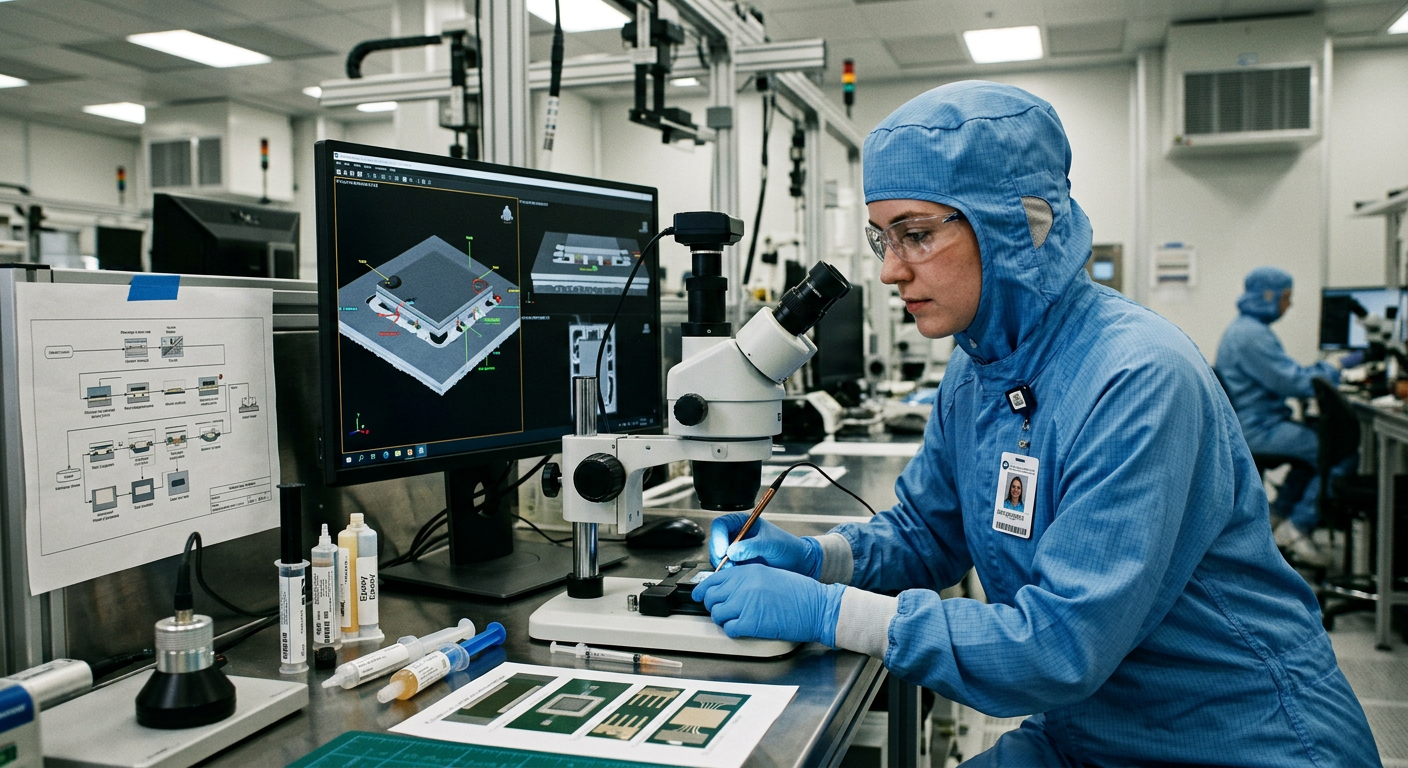
IC Packaging Adhesive: Preventing Void Formation Issues
Learn how IC packaging adhesive void formation is prevented in the United States through material choice, process control, supplier selection, and testing.
-
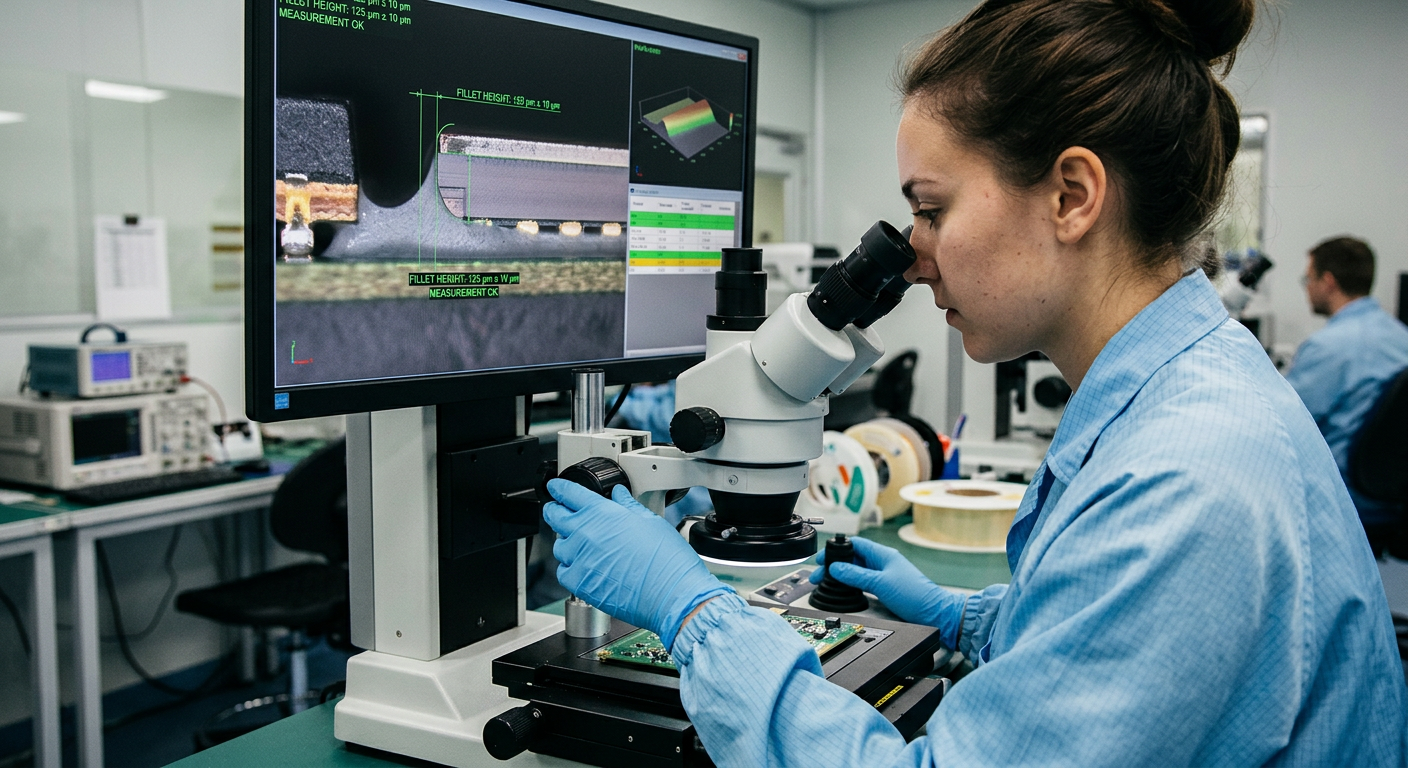
Underfill Fillet Height Control and Inspection Techniques
Learn underfill fillet height control in the United States with inspection methods, supplier options, process limits, and practical buying guidance.
-
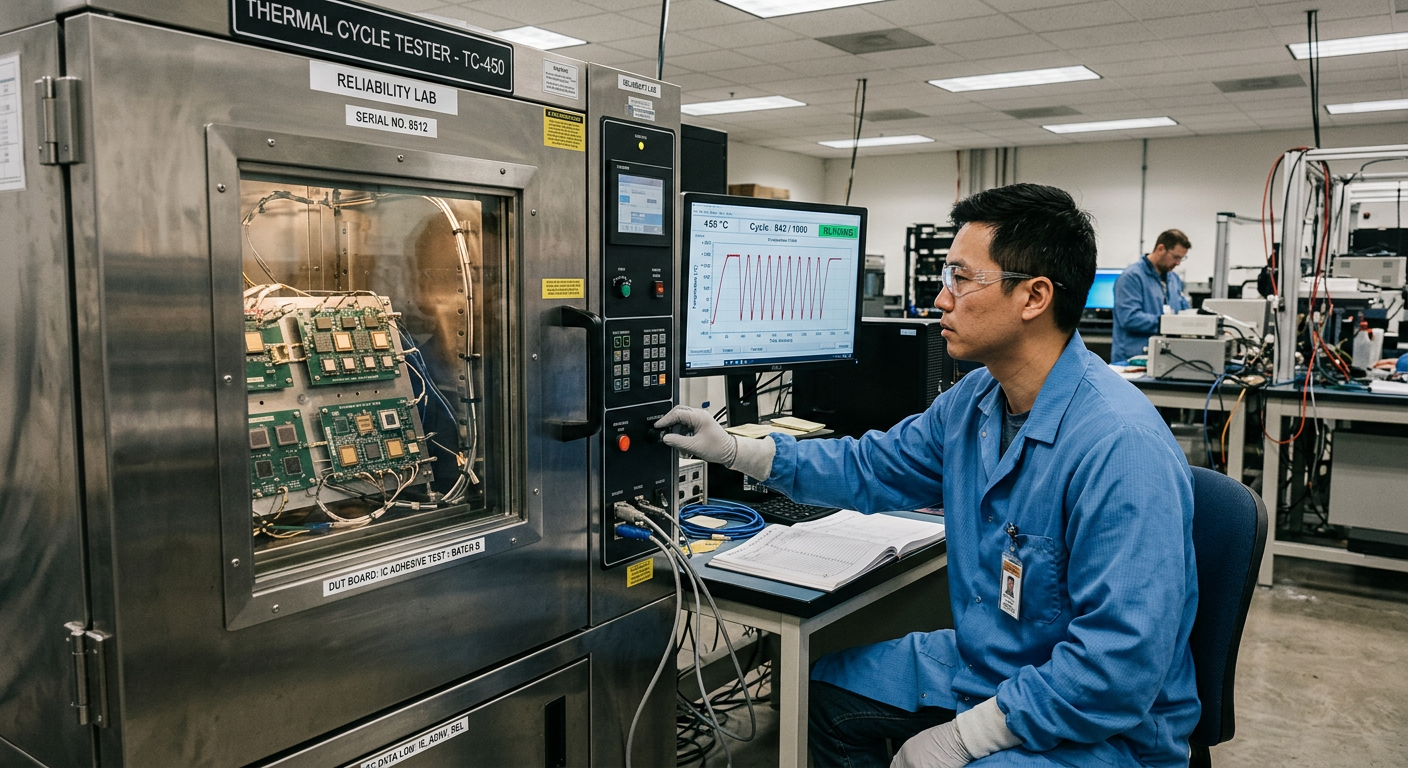
IC Package Adhesive Thermal Cycling Reliability Testing
IC packaging adhesive thermal cycling in the United States requires reliable material selection, supplier review, and test planning for electronics durability.
-
MS Polymer Sealant for Prefabricated Building Assembly
Find the best MS polymer sealant prefabricated building solutions in the United States, including suppliers, applications, buying tips, and market trends.
 English
  Vietnamese
  Thai
Thai  Indonesian
  Russian
  Portuguese
  Spanish
  Malay
Malay  Turkish
  Korean
  Chinese