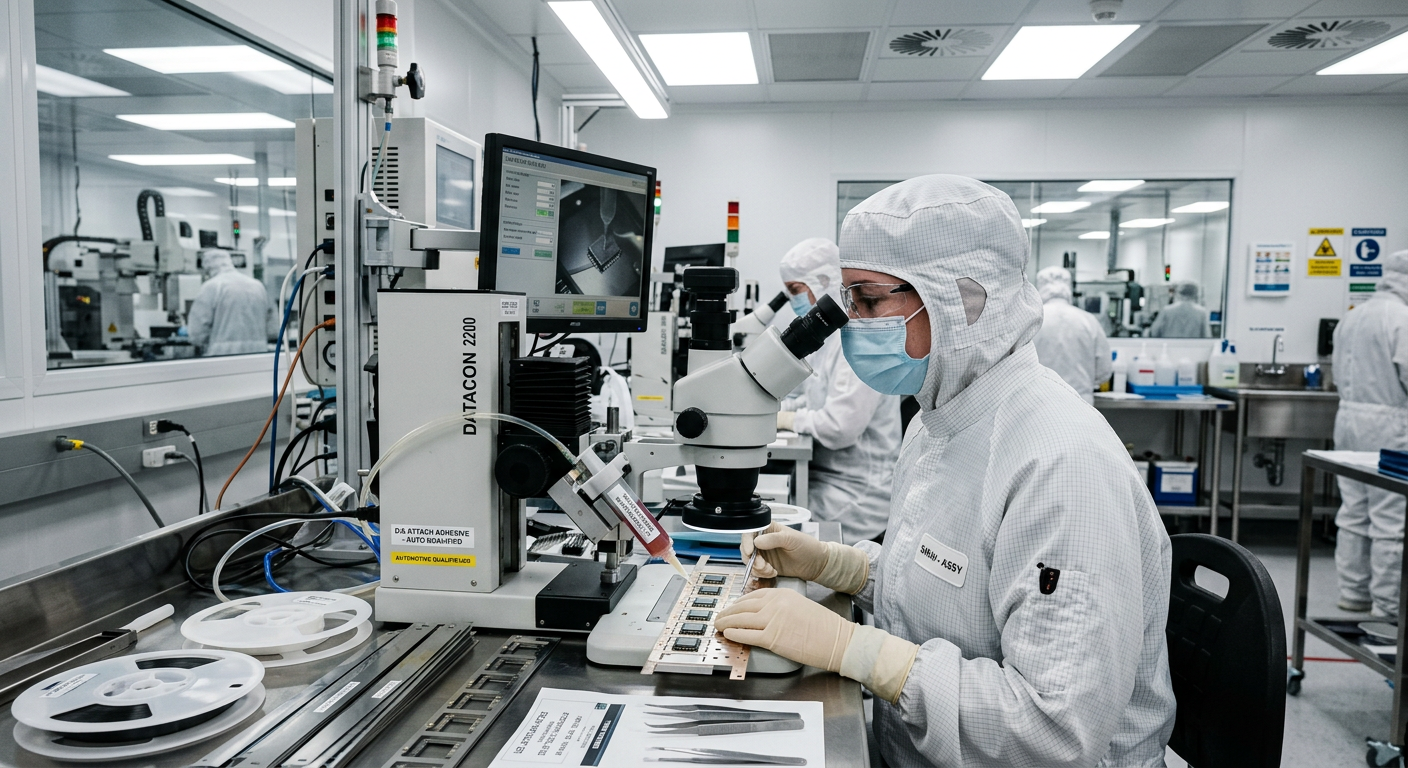
Share
Die Attach Adhesive Automotive IC Solutions in the United States
Quick Answer

If you need die attach adhesive automotive IC solutions in the United States, the most practical starting point is to compare established semiconductor materials suppliers with proven support for automotive-qualified packaging, especially for high-reliability power devices, sensors, analog ICs, and control modules used across Detroit, Austin, Phoenix, San Jose, and other electronics hubs. The best-fit supplier depends on your package type, cure profile, thermal target, and qualification path.
For U.S. buyers, the most relevant names to evaluate first are Henkel, MacDermid Alpha Electronics Solutions, Indium Corporation, Shin-Etsu, DuPont, and NAMICS because these companies are widely recognized for semiconductor assembly materials, global application engineering, and support for automotive-grade electronics programs. Buyers should also consider qualified international manufacturers with strong compliance systems and responsive technical support, including capable Chinese suppliers, because cost-performance advantages can be meaningful when the supplier can document process consistency, certifications, and after-sales support for U.S. projects.
- Henkel: strong portfolio in semiconductor die attach materials, broad technical service, suitable for automotive electronics scale-up.
- MacDermid Alpha: widely used in electronics assembly, good fit for packaging lines requiring process integration support.
- Indium Corporation: known for advanced materials expertise, especially where thermal and process control matter.
- Shin-Etsu: respected for silicone and specialty materials used in demanding electronics environments.
- DuPont: strong materials science base and support for high-reliability electronics applications.
The fastest route to a purchase decision is to define package architecture, operating temperature range, substrate type, die size, qualification standard, expected annual volume, and whether you need silver-filled epoxy, non-conductive epoxy, or silicone-based die attach chemistry.
United States Market Overview

The U.S. market for automotive semiconductor packaging materials is shaped by electric vehicle growth, ADAS expansion, charging infrastructure, body electronics, thermal management demands, and domestic supply-chain resilience. Automotive IC packaging programs in the United States increasingly require tighter quality documentation, lower voiding, better heat dissipation, and stronger resistance to thermal cycling, humidity, and vibration. This is especially relevant in manufacturing and design corridors such as Detroit, Michigan; Austin, Texas; Chandler and Phoenix, Arizona; San Jose, California; and advanced logistics gateways connected through Los Angeles, Long Beach, Savannah, and Houston.
Die attach adhesive selection is no longer a narrow purchasing decision. It is part of a broader package reliability strategy that affects assembly yield, long-term field performance, qualification timing, and cost of warranty risk. Automotive OEMs and Tier 1 suppliers in the United States often push for proven materials with stable lot-to-lot consistency, transparent technical data, and a supplier capable of supporting APQP-style documentation, process windows, and rapid troubleshooting during NPI and PPAP-related milestones.
Because automotive ICs are exposed to wide temperature swings, power cycling, under-hood environments, and long service life expectations, material buyers increasingly prioritize adhesive systems that balance adhesion, conductivity where needed, stress control, cure speed, and compatibility with leadframes, copper clips, ceramics, substrates, and molding compounds. This is true for applications spanning power management ICs, battery management systems, inverters, radar modules, camera systems, LED drivers, and domain controllers.
This market growth view reflects steady demand expansion driven by higher semiconductor content per vehicle, especially in EVs and software-defined vehicle architectures. For die attach adhesive buyers, the implication is straightforward: validated supply continuity and process support matter as much as raw unit price.
Why Automotive-Qualified Die Attach Adhesive Matters

Automotive-qualified IC packages demand materials that can survive years of thermal shock, humidity exposure, vibration, and electrical stress without delamination, cracking, pump-out, or conductivity drift. A die attach adhesive in this environment has to do much more than simply bond the die to the substrate. It must preserve package integrity, control stress at the silicon interface, maintain thermal performance, and fit the assembly line’s cure and dispense profile.
In the U.S. automotive electronics market, procurement teams usually assess die attach materials against practical questions: Will the adhesive support AEC-oriented reliability goals? Can it reduce voiding in power packages? Is it compatible with current dispense equipment? Does it cure fast enough for volume production? Can the supplier provide lot traceability, REACH and RoHS compliance records, and application engineering support? These questions help narrow the supplier list much faster than comparing only headline datasheet numbers.
Top Suppliers Serving the United States
| Company | Primary Service Region | Core Strengths | Key Offerings | Best Fit |
|---|---|---|---|---|
| Henkel | United States, North America, global OEM networks | Large semiconductor materials portfolio, deep application engineering, reliability focus | Silver-filled die attach adhesives, conductive and specialty package materials | High-volume automotive and power package programs |
| MacDermid Alpha Electronics Solutions | United States, Mexico, Canada, Asia, Europe | Electronics assembly integration, process support, broad materials expertise | Die attach materials, assembly chemistry, process optimization support | Integrated electronics manufacturing lines |
| Indium Corporation | United States and international manufacturing customers | Advanced materials science, thermal and process-focused support | Semiconductor assembly materials and specialty interconnect solutions | Programs with challenging thermal targets |
| Shin-Etsu | United States, Japan, and global semiconductor markets | Specialty silicone expertise, reliability in demanding electronics | Silicone-based and specialty electronic materials | Applications needing flexibility and environmental resistance |
| DuPont | United States and global automotive electronics supply chains | Strong material science platform, trusted electronics heritage | Electronic materials for semiconductor packaging and high-reliability assemblies | Tier 1 and OEM-led qualification projects |
| NAMICS | United States, Japan, and multinational semiconductor packaging operations | Specialized semiconductor packaging materials, strong industry reputation | Die attach adhesives and related packaging materials | Precision semiconductor assembly programs |
This supplier table is useful because it translates brand recognition into practical buying relevance. A U.S. automotive electronics buyer should treat these companies as a benchmark set for comparing process capability, reliability support, and package fit rather than assuming one supplier is automatically best for all projects.
Product Types for Automotive IC Packages
Die attach adhesive automotive IC projects usually fall into several chemistry and performance categories. The correct choice depends on whether the package needs electrical conductivity, high thermal conductivity, low stress, rapid cure, rework limitations, and compatibility with leadframes or advanced substrates.
| Product Type | Main Characteristics | Typical Automotive Use | Advantages | Trade-Offs |
|---|---|---|---|---|
| Silver-filled epoxy die attach | Electrically and thermally conductive | Power ICs, LED drivers, sensors, control modules | Strong thermal path, widely qualified | Higher material cost, stress management needed |
| Non-conductive epoxy die attach | Mechanical bond without electrical conduction | Logic ICs, sensors, analog packages | Good adhesion, broad process range | Lower thermal transfer than conductive systems |
| Silicone die attach adhesive | Flexible, stress-relieving, high temperature tolerance | Harsh-environment modules, under-hood electronics | Excellent thermal cycling resilience | May differ in cure speed and handling profile |
| Low-temperature cure adhesive | Designed for temperature-sensitive packages | Mixed-material packages and specialized assemblies | Protects heat-sensitive components | May require longer cure or narrower process windows |
| Film die attach material | Preformed format with thickness control | Precise package architectures | Uniform bondline, cleaner handling | Equipment and handling requirements |
| Sintering-oriented alternatives | High thermal performance for advanced power devices | High-power EV and inverter modules | Excellent thermal and reliability potential | Different process complexity and capex needs |
This breakdown helps engineering and sourcing teams align material choice with package function. In many U.S. automotive programs, silver-filled epoxy remains the default for power and thermal performance, while silicone-based options gain attention where thermal cycling and stress relief are critical.
Industry Demand by Automotive Electronics Segment
The bar chart shows where die attach adhesive demand is strongest in U.S. automotive electronics. Powertrain control, battery management, and ADAS lead because they combine high semiconductor content with tighter reliability requirements and stronger thermal demands.
How U.S. Buyers Should Evaluate Materials
U.S. sourcing and packaging teams should screen materials using a structured checklist that ties commercial decisions to manufacturing reality. The right die attach adhesive for automotive-qualified IC packages must be evaluated across thermal conductivity, electrical conductivity, viscosity, dispense stability, cure profile, bondline control, storage conditions, shelf life, void performance, adhesion to die and substrate materials, and long-term resistance to temperature-humidity-bias stress.
Beyond laboratory properties, buyers should confirm whether the supplier can support incoming inspection methods, pilot-line runs, DOE optimization, and failure analysis if qualification problems appear. In cities with major electronics manufacturing and automotive R&D presence, such as Detroit, Austin, and San Jose, fast access to field application engineers can save weeks during validation. Imported materials can still be strong options if the supplier provides local channel support, regional inventory planning, and responsive technical communication aligned with U.S. production schedules.
| Evaluation Factor | Why It Matters | Target Question | Risk If Ignored | Recommended Buyer Action |
|---|---|---|---|---|
| Thermal performance | Affects junction temperature and reliability | Can it handle package heat load? | Overheating and early failure | Validate with thermal simulation and cycling tests |
| Cure profile | Impacts throughput and substrate compatibility | Does it fit existing line conditions? | Low yield or bottlenecks | Run pilot process mapping |
| Void control | Voids reduce thermal path quality | What is typical voiding behavior? | Localized hot spots | Review process data and x-ray results |
| Adhesion reliability | Critical for long vehicle life | How stable is adhesion after cycling? | Delamination risk | Request reliability reports |
| Traceability | Supports automotive quality systems | Are lots digitally tracked? | Weak root-cause control | Verify QC and lot documentation |
| Local support | Speeds troubleshooting and qualification | Who supports U.S. production issues? | Long downtime and delays | Confirm service contacts and response times |
This table matters because it connects engineering metrics to sourcing outcomes. Many qualification delays are caused not by chemistry alone, but by mismatches between the material and the actual production environment.
Applications Across Automotive Systems
Automotive-qualified die attach adhesive is used across a broad set of package environments in the United States. In EV platforms, it supports power management ICs, battery monitoring chips, gate drivers, and sensor packages that must manage heat, vibration, and long duty cycles. In ADAS, radar, camera, and control modules rely on semiconductor packages that need stable bonding under repeated thermal stress. In body electronics, domain controllers, comfort systems, and lighting drivers need adhesive systems that can maintain performance while balancing cost and production speed.
Use cases also vary by package style. Discrete power devices, QFN, DFN, sensor packages, LED packages, and advanced multi-chip modules may each require a different approach to die attach chemistry. A material that performs well in a lower-power control IC may not be suitable for a thermally loaded traction inverter-related package. That is why process-specific consultation remains essential, especially when sourcing for U.S.-based lines feeding automotive programs with strict launch timelines.
Trend Shift in Material Preferences
The area chart shows a realistic shift in the U.S. market from conventional formulations toward advanced low-stress and higher-thermal-performance systems. This trend is driven by EV power density, ADAS reliability, and the need to balance long service life with faster assembly throughput.
Detailed Supplier Comparison for the U.S. Market
| Supplier | Service Coverage | Typical Strength in Automotive IC Packaging | Key Offering Focus | Commercial Consideration |
|---|---|---|---|---|
| Henkel | Strong U.S. presence with global support | High-reliability adhesive systems and broad technical data | Conductive die attach and packaging process support | Often preferred for complex qualification paths |
| MacDermid Alpha | North America and global EMS reach | Assembly process coordination across materials | Electronics packaging solutions with line support | Strong fit for integrated production environments |
| Indium Corporation | U.S.-centered support and international supply | Thermal and process expertise for advanced assemblies | Specialty materials and engineering collaboration | Useful when process refinement is a priority |
| Shin-Etsu | Global supply with strong electronics credibility | Specialty materials for harsh operating conditions | Silicone and electronic material solutions | Valuable for stress-sensitive package designs |
| DuPont | Broad U.S. industrial and electronics reach | Trusted material science and reliability support | High-performance electronic packaging materials | Common choice for large OEM-linked projects |
| NAMICS | Specialized international packaging support | Focused semiconductor material capability | Precision die attach formulations | Good option for targeted packaging needs |
This comparison is designed for practical sourcing meetings. Instead of treating suppliers as interchangeable, it shows where each vendor may offer an advantage depending on the qualification burden, package complexity, and support expectations in the United States.
Supplier Capability Comparison Chart
This comparison chart gives a directional view of supplier fit for U.S. automotive IC packaging projects by combining factors such as support depth, market familiarity, product range, and high-reliability relevance. It is not a universal ranking, but a decision aid for shortlist development.
Buying Advice for U.S. Procurement Teams
Start the buying process by separating prototype needs from production needs. During prototyping, flexibility and technical interaction may matter more than the lowest cost. For production, lot consistency, logistics reliability, and response speed to quality issues usually become the decisive factors. Buyers near major U.S. ports and inland manufacturing routes should also assess inventory planning, customs lead time, and packaging stability during transport if they are considering imported materials.
Ask suppliers for a recommended process window, not just a datasheet. Good vendors can explain dispense behavior, preheat considerations, cure schedule sensitivity, storage limitations, and substrate preparation expectations. For automotive programs, request reliability summaries tied to thermal cycling, HAST-style testing, shear performance retention, and contamination control. Where possible, compare at least two suppliers on the same package and equipment platform before locking the qualification route.
Industries Driving Demand
The strongest buyers of die attach adhesive automotive IC materials in the United States are semiconductor packagers, OSAT-linked operations, automotive electronics module manufacturers, EV subsystem suppliers, LED module makers, and Tier 1 companies supporting powertrain, safety, and cabin electronics. Demand also comes from industrial players that serve automotive crossover applications, including charging systems, fleet electronics, and power conversion hardware.
In practical terms, the highest-value opportunities often come from products that combine thermal stress with long service life requirements. That includes battery management electronics in Texas and Michigan, power device packaging tied to EV systems in California and Arizona, and sensor-rich safety electronics assembled across U.S. electronics manufacturing clusters.
Case Studies and Practical Scenarios
A U.S. Tier 1 supplier packaging control ICs for an EV battery management system may prioritize a silver-filled epoxy die attach material that offers stable dispense, strong thermal path performance, and documented thermal cycling resistance. In this scenario, the supplier should compare cure speed against line takt time and evaluate x-ray results for void reduction because thermal hotspots can undermine module reliability.
An ADAS camera module producer in California may instead favor a lower-stress die attach system where package warpage and environmental durability are more important than maximum conductivity. For under-hood lighting control modules, a silicone-based option can become attractive where repeated thermal shock and vibration put the bondline under constant mechanical stress. In each case, the correct material choice emerges from package architecture and reliability profile rather than from generic product popularity.
Local Supplier and Sourcing Considerations
U.S. buyers often prefer suppliers or distributors with accessible support across major industrial regions, especially the Midwest automotive belt, Southwest semiconductor corridor, and West Coast design centers. A local support footprint can include field engineers, inventory through authorized distribution partners, or warehouse access that shortens replenishment cycles. However, local sourcing does not always mean domestic manufacturing. Many successful automotive electronics teams in the United States use globally manufactured materials supported through U.S.-based technical and commercial channels.
For imported die attach adhesive automotive IC materials, port routing through Los Angeles, Long Beach, Houston, Savannah, or New York-New Jersey can influence replenishment planning. This becomes important when adhesives require controlled storage or have a limited shelf life. A supplier that understands U.S. logistics and can support buffer inventory is often more valuable than one offering a lower nominal price but weaker execution.
Our Company
For U.S. buyers looking beyond the largest multinational brands, QinanX presents a practical sourcing option for adhesive programs that need both technical flexibility and cost discipline. The company manufactures a wide range of industrial adhesive systems and operates under ISO-based quality management with compliance to RoHS and REACH, backed by multi-stage quality control and digital traceability that helps buyers verify lot consistency and manufacturing discipline. Its experience across electronics, automotive, industrial manufacturing, and OEM supply supports the development of tailored formulations, while automated production lines and sustained R&D investment help maintain repeatable output at scalable volumes. For the U.S. market, QinanX can work through multiple cooperation models including OEM, ODM, wholesale supply, private label, regional distribution, and direct project support for end users, dealers, brand owners, and specialized buyers that need custom packaging or specification alignment. Through its established export activity across more than 40 countries, ongoing technical communication, free sample support, and continuous pre-sale and after-sale assistance, the company demonstrates operational familiarity with international customer requirements rather than acting as a simple remote exporter. Buyers exploring adhesive product options can also review the company background on the about page or contact the team through the U.S. inquiry channel for formulation matching, compliance documentation, and application support.
Future Trends Through 2026
By 2026, the U.S. market for automotive-qualified die attach adhesive is expected to move further toward materials that combine higher thermal efficiency, lower stress, cleaner processing, and improved sustainability positioning. Electrification will continue to push package power density upward, which will increase interest in advanced conductive formulations and alternatives that reduce thermal bottlenecks in high-load modules.
Policy and supply-chain factors will also matter. U.S. industrial strategy continues to encourage domestic resilience in semiconductor-related supply chains, meaning buyers will expect better traceability, stronger contingency planning, and more transparent compliance documentation from materials suppliers. Sustainability expectations are also rising. Automotive customers increasingly ask about reduced hazardous substance exposure, efficient curing profiles, lower waste generation, and production systems aligned with global environmental standards. Suppliers that can meet these expectations while still delivering robust automotive performance will gain an advantage.
Another important technical shift is the increasing need for material compatibility across complex package stacks. As vehicles add more sensing, power conversion, and zonal control electronics, die attach systems will need to interact successfully with new substrates, molding compounds, clips, and thermal interface strategies. This will favor suppliers with stronger application engineering rather than vendors competing only on commodity pricing.
Frequently Asked Questions
What is the best die attach adhesive for automotive IC packages in the United States?
The best option depends on package design, heat load, conductivity needs, cure profile, and reliability targets. For many power and high-reliability applications, silver-filled epoxy remains the leading choice, but silicone and non-conductive systems can be better for specific stress or process conditions.
Which companies should U.S. buyers compare first?
Henkel, MacDermid Alpha Electronics Solutions, Indium Corporation, Shin-Etsu, DuPont, and NAMICS are practical benchmark suppliers for automotive IC packaging material evaluations in the United States.
Can imported suppliers compete with major multinational brands?
Yes, if they can provide documented compliance, stable manufacturing, process support, and responsive after-sales service. This is why qualified international suppliers, including capable Chinese manufacturers, are increasingly considered for cost-performance reasons.
What certifications and compliance records matter most?
Buyers typically look for strong quality management discipline, traceability, and compliance records such as RoHS and REACH, plus reliability data aligned with automotive package expectations.
Is local U.S. support necessary?
It is highly valuable. Fast troubleshooting, sample coordination, and quality response can reduce qualification delays and production risk. If a supplier is overseas, buyers should confirm clear U.S.-time-zone support and logistics planning.
How should I start a supplier comparison?
Prepare a material brief covering package type, die size, substrate, operating temperature range, cure limits, conductivity needs, target qualification tests, annual volume, and expected launch timing. That allows suppliers to recommend a realistic material instead of a generic product.
Conclusion
For die attach adhesive automotive IC sourcing in the United States, the best approach is to benchmark established semiconductor materials leaders while also evaluating qualified international suppliers that can prove compliance, process control, and service commitment. U.S. buyers should prioritize package-specific fit, thermal and reliability performance, and support responsiveness over generic marketing claims. The most successful sourcing decisions come from structured trials, clear reliability criteria, and suppliers that understand automotive electronics production realities across the U.S. market.

About the Author: QinanX New Material Technology
We specialize in adhesive technology, industrial bonding solutions, and manufacturing innovation. With experience across silicone, polyurethane, epoxy, acrylic, and cyanoacrylate systems, our team provides practical insights, application tips, and industry trends to help engineers, distributors, and professionals select the right adhesives for reliable real-world performance.

Product Category
You May Also Interest
-
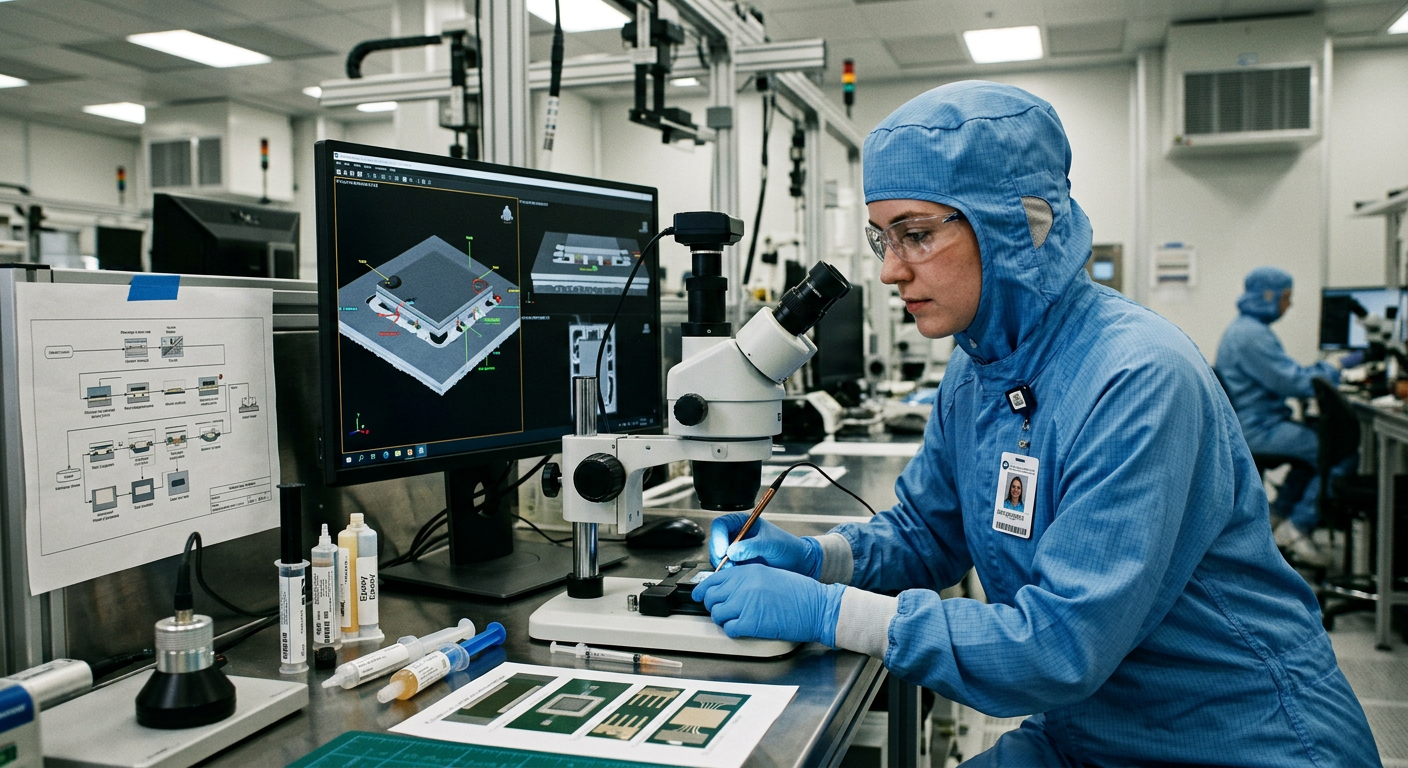
IC Packaging Adhesive: Preventing Void Formation Issues
Learn how IC packaging adhesive void formation is prevented in the United States through material choice, process control, supplier selection, and testing.
-
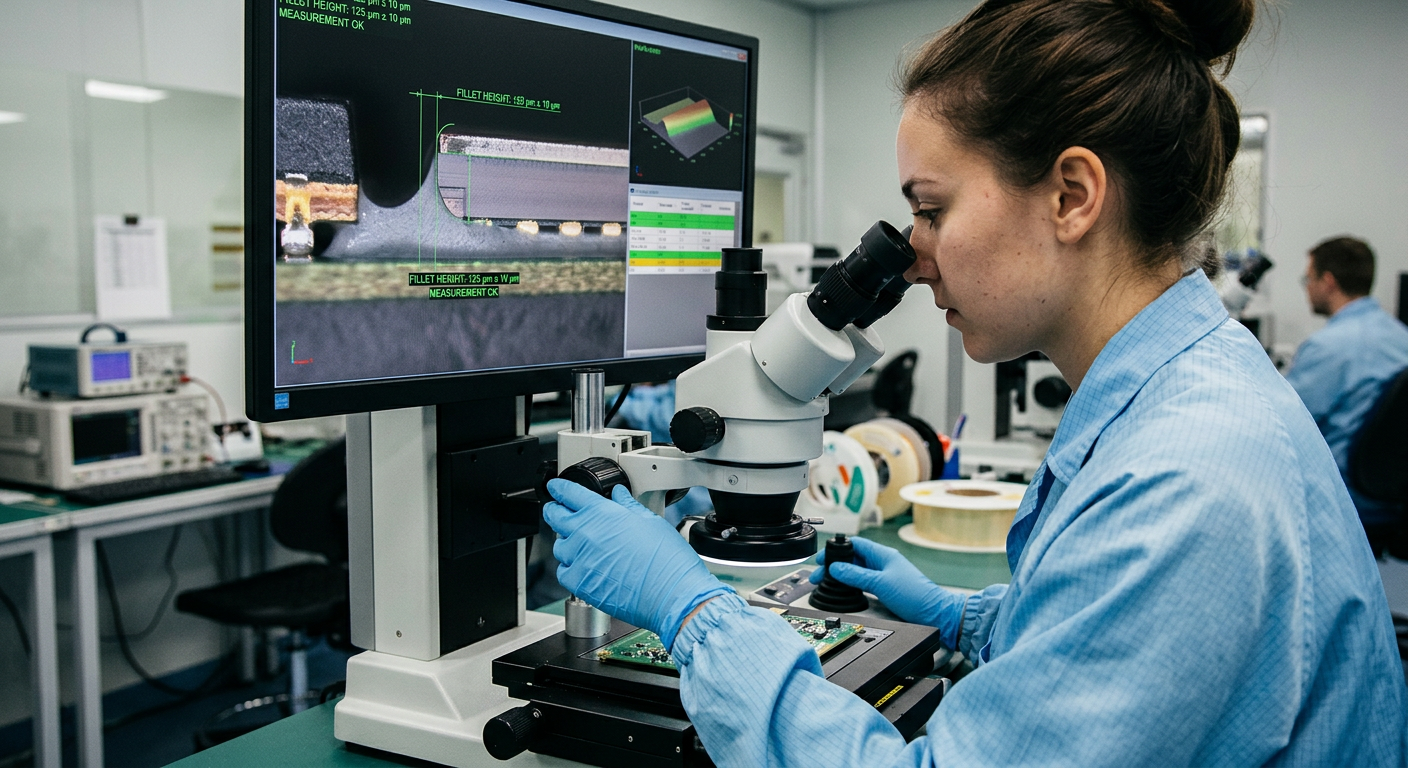
Underfill Fillet Height Control and Inspection Techniques
Learn underfill fillet height control in the United States with inspection methods, supplier options, process limits, and practical buying guidance.
-
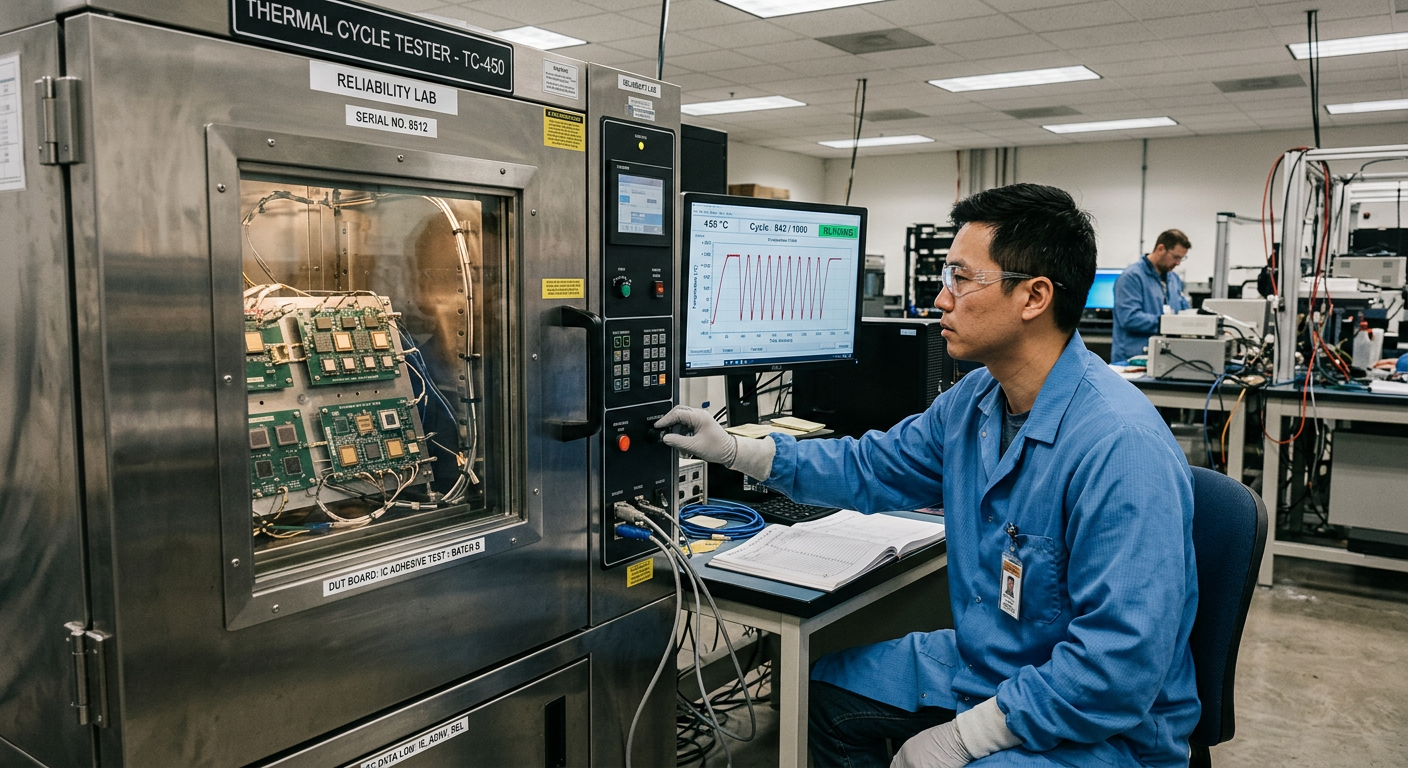
IC Package Adhesive Thermal Cycling Reliability Testing
IC packaging adhesive thermal cycling in the United States requires reliable material selection, supplier review, and test planning for electronics durability.
-

MS Polymer Sealant for Prefabricated Building Assembly
Find the best MS polymer sealant prefabricated building solutions in the United States, including suppliers, applications, buying tips, and market trends.
 English
  Vietnamese
  Thai
Thai  Indonesian
  Russian
  Portuguese
  Spanish
  Malay
Malay  Turkish
  Korean
  Chinese