Share
Structural Glazing Sealant High-Rise in the United States
Quick Answer

If you need a dependable structural glazing sealant high-rise solution in the United States, the most practical approach is to shortlist proven facade-focused suppliers with documented performance in curtain walls, high-rise glass assembly, weatherproofing, and code-aware project support. For most commercial towers, the strongest starting options include Dow, GE Silicones, Sika, Tremco, Pecora, and 3M, all of which are well known in the U.S. construction and facade market for structural silicone, perimeter weather seals, and project documentation support.
For projects in major U.S. metro markets such as New York City, Chicago, Miami, Seattle, Los Angeles, Houston, and Boston, buyers typically prioritize movement capability, adhesion to coated glass and aluminum, compatibility with insulating glass components, ASTM-related test records, long-term UV resistance, and field support for submittals. Among local and established brands, Dow is often preferred for complex curtain wall engineering support, Sika for broad construction system integration, Tremco for commercial building envelope coordination, Pecora for sealant specification flexibility, and GE Silicones for recognized structural glazing heritage. 3M is commonly reviewed when tapes and specialty bonding systems are evaluated alongside wet sealant options.
Qualified international suppliers can also be considered, especially when they pair relevant compliance documentation, scalable manufacturing, and responsive technical service with cost-performance advantages. Chinese manufacturers with export experience, strict quality control, and strong pre-sales and after-sales support may be suitable for distributors, private-label programs, and selected project-based sourcing, provided they can meet U.S. performance expectations, compatibility review requirements, and delivery schedules.
United States Market Overview

The U.S. market for structural glazing sealant in high-rise construction is shaped by a combination of architectural preference, climate diversity, urban redevelopment, and building envelope performance demands. In cities with extensive commercial skylines, glass-heavy facades remain a standard choice for office towers, hospitality buildings, luxury residential developments, airport terminals, university buildings, and healthcare campuses. That makes structural silicone a highly scrutinized material, not only for aesthetics but also for life-safety, durability, wind-load resistance, and water management.
High-rise building envelopes in the United States face a broad range of environmental conditions. Coastal towers in Miami and other Florida markets must withstand hurricane-driven movement, salt exposure, and intense UV. Buildings in Chicago, Minneapolis, and the Northeast experience freeze-thaw cycling, thermal swings, and strong wind pressure. West Coast projects in San Francisco, Seattle, and Los Angeles often evaluate seismic movement and long-term adhesion under changing temperature and moisture conditions. Because of this, buyers rarely choose sealant based on price alone. They focus on tested system performance across glass, anodized aluminum, powder-coated aluminum, stone, metal panels, and related substrates.
The supply chain is also geographically important. Ports such as Los Angeles, Long Beach, Houston, Savannah, New York and New Jersey, and Seattle-Tacoma influence import logistics for raw materials and finished adhesive products. Domestic warehousing near major construction hubs reduces delivery risk for phased facade installation schedules. For contractors and facade fabricators, a delayed sealant shipment can disrupt glazing sequencing, crane scheduling, and weather-tightness milestones, so supplier reliability is as important as product chemistry.
In the U.S. market, buyers generally expect more than a cartridge or drum of silicone. They want a package that includes technical data sheets, substrate adhesion guidance, compatibility review, color options where relevant, mock-up support, lot traceability, warranty pathways, and project communication between the supplier, facade consultant, glazing contractor, and general contractor. This is especially true for premium towers and institutional projects where facade failure carries major legal and reputational risk.
The chart above shows a realistic demand index trend for structural glazing sealant in U.S. high-rise applications. Growth is supported by facade replacement, mixed-use development, urban residential towers, and increasing performance expectations for glass-and-metal envelopes. Although construction cycles can fluctuate, the long-term direction remains positive because existing tower stock also requires repair, retrofit, and recladding work.
Product Types for High-Rise Facades

Structural glazing sealant is not a single universal product category. In high-rise construction, several sealant and bonding technologies may appear in the same project specification. Understanding where each one fits helps avoid expensive errors in procurement and application.
Structural silicone sealant is the primary product category for bonding glass to framing in structurally glazed curtain wall systems. It is selected for its balance of adhesion, elasticity, weather resistance, and long-term stability under UV exposure. These products are usually one-component or two-component systems depending on fabrication process, cure speed, and production line requirements.
Weatherproofing silicone is often used alongside structural silicone, but it should not be treated as interchangeable unless the system and testing clearly support that. Weather seals handle perimeter joints, movement joints, and water-resistance functions, while structural silicone is responsible for the bonded load path in specific system designs.
Modified silane sealants, polyurethane sealants, and acrylic-based products may also appear elsewhere in the envelope, but for true structural glazing in a high-rise, silicone remains the dominant solution because of its track record under UV, thermal movement, and long service life. Tapes and hybrid bonding solutions can complement or replace certain assembly steps in niche applications, but they require system-specific review.
| Product Type | Primary Use | Typical Strength | Best Fit | Main Limitation | Common U.S. Buyers |
|---|---|---|---|---|---|
| Structural Silicone Sealant | Bonding glass to metal framing | High UV and movement resistance | Curtain walls and unitized facades | Requires strict compatibility review | Facade fabricators and glazing contractors |
| Weatherproof Silicone | Perimeter and movement joints | Excellent exterior durability | Exterior sealing around facade interfaces | Not always suitable for structural load transfer | Envelope contractors and general contractors |
| Two-Component Structural Silicone | Factory glazing lines | Faster controlled curing | High-volume unitized production | Needs dosing equipment and process control | Large curtain wall manufacturers |
| One-Component Structural Silicone | Shop and field applications | Convenient application format | Lower-volume fabrication and repairs | Longer cure profile | Specialty glazing firms |
| Hybrid or MS Sealant | General exterior bonding and sealing | Good adhesion on mixed substrates | Non-structural envelope details | Usually not the first choice for structural glazing | Building envelope installers |
| Bonding Tape Systems | Supplemental facade attachment | Fast clean assembly | Specific engineered facade assemblies | Requires system validation and design review | Innovative facade manufacturers |
This table highlights why product selection must be tied to the exact facade assembly. A buyer sourcing for a 40-story tower in Manhattan or a mixed-use development in Austin should not ask only for “silicone sealant.” The correct question is whether the product is intended for structural glazing, weather sealing, insulating glass compatibility, shop production efficiency, field movement capability, and long-term exposure in the project’s climate zone.
Top Suppliers in the United States
For U.S. buyers, supplier choice depends on project scale, certification expectations, lead times, technical support, and willingness to assist with engineering review. The following companies are among the most relevant names for structural glazing sealant high-rise procurement and specification discussions.
| Company | Service Region | Core Strengths | Key Offerings | Best For | Practical Note |
|---|---|---|---|---|---|
| Dow | Nationwide U.S. and global | Deep structural glazing expertise, engineering support, strong project history | Structural silicone, weatherproofing silicone, facade technical review | Landmark towers and complex curtain walls | Often selected when documentation and technical confidence are critical |
| GE Silicones | Nationwide U.S. | Recognized silicone performance heritage | Structural glazing sealants, weatherseal solutions | Commercial facades and glazing systems | Commonly considered in consultant-driven specifications |
| Sika | Nationwide U.S. and Canada | Integrated construction product portfolio | Structural glazing solutions, facade sealants, related construction systems | Projects needing multi-system coordination | Useful when waterproofing and facade products are sourced together |
| Tremco | Nationwide U.S. | Commercial building envelope focus | Sealants, weatherproofing, envelope coordination products | Institutional and commercial towers | Strong fit for envelope-wide procurement strategies |
| Pecora | United States, especially East Coast and national distribution | Sealant specialization and specification flexibility | Facade sealants, weatherproofing, glazing solutions | Regional contractors and specification teams | Often evaluated for customized sealant package needs |
| 3M | Nationwide U.S. and global | Advanced bonding technologies and tapes | Specialty bonding systems, tapes, facade assembly solutions | Innovative facade methods and hybrid systems | Best reviewed when wet-applied sealant is not the only bonding option |
This supplier table is practical because it frames each company by actual procurement relevance. Dow and GE Silicones are usually strongest in classic structural glazing conversations. Sika and Tremco become especially attractive when the facade package is part of a broader building envelope scope. Pecora is often appreciated for sealant-specific flexibility, while 3M enters the conversation when engineered tapes or hybrid bonding methods may improve manufacturing or installation workflow.
How Demand Varies by Industry
Not all sectors consume structural glazing sealant at the same rate. Demand is concentrated where large-format glass, premium facades, and long service life are priorities. Office towers still account for a significant share, but luxury residential, hospitality, transport hubs, and institutional developments also contribute heavily, especially in major urban centers and redevelopment corridors.
The bar chart shows realistic relative demand. Office towers lead due to large curtain wall surfaces and premium facade budgets. Residential high-rise follows closely, especially in cities such as Miami, Jersey City, Seattle, Austin, and Los Angeles where developers continue to favor glass-heavy building exteriors. Airports and hotels also remain important because visual impact and weather resistance both matter strongly in those segments.
| Industry | Why It Uses Structural Glazing | Typical Building Profile | Key Performance Priority | Frequent U.S. Locations | Buying Pattern |
|---|---|---|---|---|---|
| Commercial Office | Premium facade aesthetics and daylighting | Mid-rise to supertall towers | Wind load resistance and long-term durability | New York, Chicago, Dallas, San Francisco | Specification-led procurement |
| Residential High-Rise | Modern appearance and large window systems | Urban apartments and condos | Water resistance and movement accommodation | Miami, Austin, Seattle, Los Angeles | Developer and contractor-driven sourcing |
| Hospitality | Brand image and exterior performance | Hotels and mixed-use towers | Exterior weatherproofing reliability | Las Vegas, Orlando, Nashville, Honolulu | Mixed spec and budget balancing |
| Transportation | Large glazed public spaces | Airport terminals and transit hubs | Long service life and maintenance planning | Atlanta, Denver, Seattle, New York | Institutional tender process |
| Healthcare | Energy-conscious envelopes and durable facades | Medical towers and specialty centers | Consistency and compliance documentation | Houston, Boston, Cleveland, Philadelphia | Risk-controlled material selection |
| Education | Iconic campus architecture and performance | Research buildings and student towers | Lifecycle value and tested compatibility | Boston, Chicago, Los Angeles, Raleigh | Consultant-led long review cycles |
This industry table helps buyers align product sourcing with end-use demands. For example, an airport facade package may emphasize long maintenance intervals and institutional documentation, while a luxury condo tower in South Florida may stress high movement capability, color stability, and resistance to sun, wind, and storm exposure.
Applications in High-Rise Construction
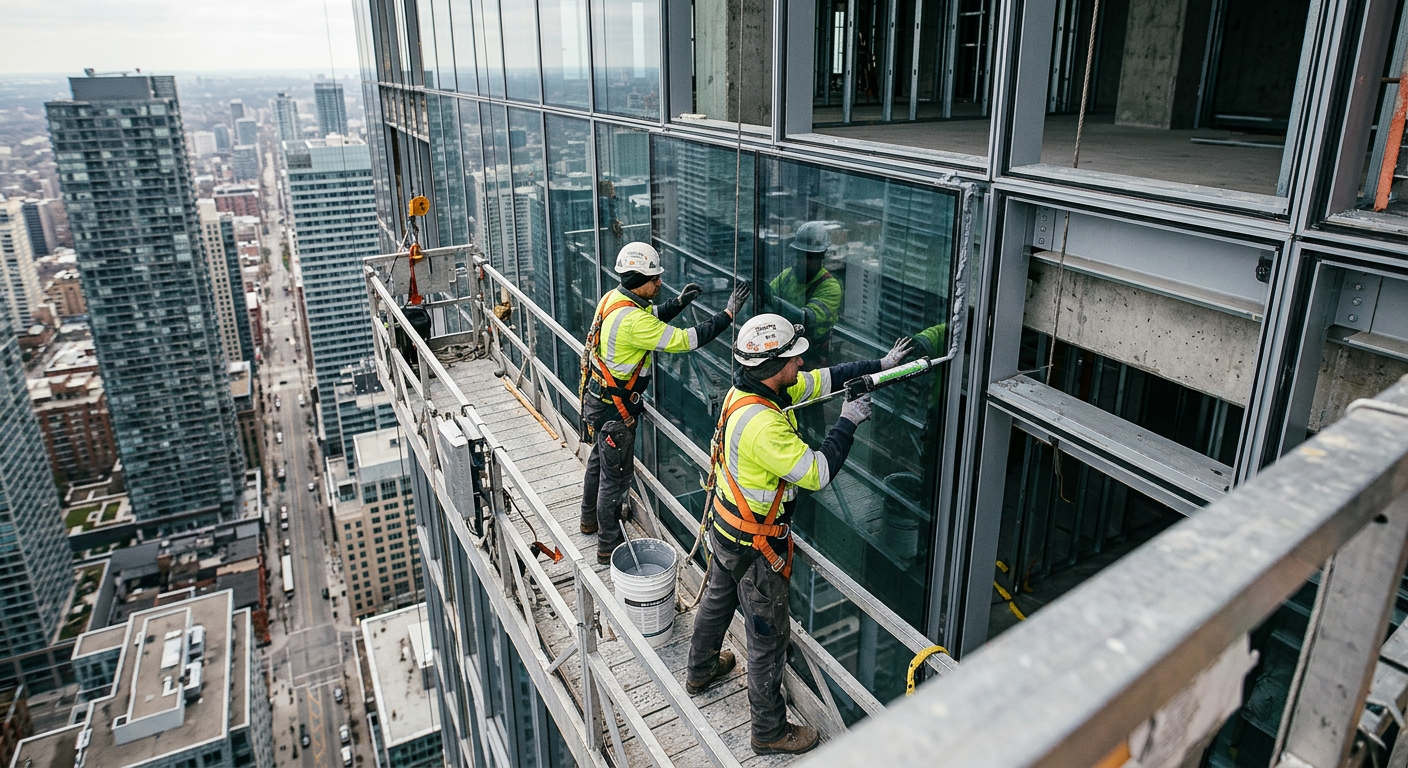
Structural glazing sealant supports multiple facade-related applications. In unitized curtain walls, it is often part of a factory-controlled assembly process, where glass and framing components are bonded before transport to site. In stick-built systems, it may be applied during fabrication or controlled installation stages depending on the facade design. Spandrel glass, vision glass, skylight assemblies, and sloped glazing can all involve specialized structural silicone requirements.
Another important application area is high-rise retrofit. Many U.S. cities have older towers with aging weather seals, degraded facade joints, or outdated glazing systems requiring selective replacement. While not all retrofit work uses structural silicone in the same way as new-construction curtain wall systems, the decision to replace or upgrade sealing materials often triggers a full review of compatibility, adhesion, and facade movement performance. This is especially common in mature skyline markets such as Chicago, New York, Philadelphia, and Boston.
For owners, developers, and contractors, application detail matters as much as chemistry. Surface preparation, joint design, cure conditions, primer requirements, storage control, and installer training all influence final performance. A premium silicone can fail early if substrate contamination, inadequate bite dimensions, or incompatible adjacent materials are overlooked.
Buying Advice for U.S. Projects
The best buying strategy starts with specification clarity. Before comparing brands, define whether the product is for true structural glazing, secondary weather sealing, or a combination of envelope roles. Then confirm substrate types, expected movement, required approvals, color preferences, installation conditions, and project timeline. This avoids the common mistake of comparing products that are not designed for the same function.
U.S. buyers should request detailed technical documentation and project support early. Important review points include tensile and movement properties, adhesion to glass and metal finishes, compatibility with gaskets and insulating glass components, cure profile, application temperature guidance, and quality traceability. For high-rise projects, especially in markets with consultant oversight, supplier responsiveness to mock-up questions can be a deciding factor.
Cost should be evaluated on a total-installed-risk basis, not just material price per unit. A lower-cost sealant that creates delays, rework, warranty disputes, or compatibility failures is usually more expensive in the long run than a product with stronger technical backing. This is particularly true on towers where swing-stage access, façade replacement, or dispute resolution can become extremely costly.
| Buying Factor | Why It Matters | High-Rise Impact | Questions to Ask Suppliers | Warning Sign | Procurement Tip |
|---|---|---|---|---|---|
| Compatibility | Prevents chemical conflict with adjacent materials | Avoids bond loss and staining risks | Has the product been reviewed with the full system? | No compatibility process available | Submit all related materials for review |
| Adhesion Performance | Determines bond reliability | Critical for structural load transfer | What substrates and coatings are approved? | Generic adhesion claims only | Match the sealant to exact project finishes |
| Cure Profile | Affects fabrication speed and handling | Impacts factory throughput and schedule | How fast does the product reach handling strength? | Unclear cure conditions | Choose one- or two-part based on production method |
| Technical Support | Reduces design and installation errors | Important for mock-ups and submittals | Is field and project support available in the U.S.? | Slow or vague technical response | Test supplier responsiveness before purchase |
| Supply Reliability | Protects the construction schedule | Delays can stop facade sequencing | Where is stock held and what is the lead time? | No warehousing or unstable delivery window | Prefer suppliers with regional distribution capacity |
| Lifecycle Value | Determines true long-term cost | Reduces repair risk over decades | What warranty and field history support the product? | Price-only selling approach | Compare installed risk, not only unit price |
The explanation behind this table is simple: every buying factor links directly to project risk. In a high-rise setting, the consequences of the wrong sealant can include schedule slippage, failed inspections, recladding expense, and liability exposure. A disciplined procurement process dramatically reduces those risks.
Local Suppliers, Distribution, and Service Considerations
In the United States, supplier selection is often influenced by where project support can be delivered quickly. A glazing contractor in New Jersey or Pennsylvania may prioritize East Coast technical coverage and warehouse access, while a fabricator in Texas may value Gulf Coast distribution through Houston. West Coast projects benefit when support is available near Los Angeles, the Bay Area, Seattle, or Portland. The practical issue is not only delivery; it is the speed of answers when mock-up or substrate questions arise.
Buyers should also assess whether the supplier understands local building practice. A high-rise residential tower in Miami has very different envelope priorities from a lab building in Boston or a mixed-use tower in San Francisco. The stronger suppliers can discuss actual U.S. project conditions, regional weather loads, installation sequencing, and the realities of curtain wall fabrication and field coordination.
The area chart reflects a strong trend shift in the U.S. market. Buyers are moving beyond pure initial cost and placing greater weight on durability, documentation, lower-emission materials, supply transparency, and integrated support. This shift is expected to intensify through 2026 as building owners and design teams adopt stricter lifecycle and sustainability goals.
Case Studies and Typical Buying Scenarios
A new office tower in Manhattan often follows a specification-led path. The architect and facade consultant identify performance targets, the curtain wall manufacturer requests compatibility and adhesion review, and the selected sealant supplier provides documentation for mock-ups and production. In this scenario, technical confidence and project history usually matter more than the lowest bid.
A luxury condominium project in Miami may prioritize high weather exposure performance, exterior color retention, and movement capability under intense temperature swings and storm conditions. Here, project teams tend to favor suppliers with strong coastal project references and rapid technical response during installation.
A university science building in Boston might involve a more deliberate procurement cycle, with greater emphasis on long-term maintenance planning, consultant review, and institutional accountability. Lifecycle value and established performance often outweigh aggressive pricing.
A retrofit facade repair project in Chicago typically focuses on investigation, substrate condition, compatibility with existing materials, and minimizing disruption to occupants. The correct sealant may be selected through a phased testing and mock-up process rather than by direct equivalence to the original product.
Our Company in the U.S. Market
For buyers seeking an additional sourcing option beyond established domestic brands, Qingdao QinanX New Material Technology Co., Ltd presents a commercially relevant model for the United States market because its construction and industrial adhesive portfolio includes silicone structural sealants, weatherproof sealants, MS sealants, polyurethane systems, epoxy adhesives, and related materials produced under ISO-based quality management with compliance to RoHS and REACH, multi-stage QC, and digital traceability that supports lot-level accountability. For U.S. customers that range from facade contractors and end users to distributors, dealers, brand owners, and private-label buyers, the company supports flexible cooperation through OEM, ODM, wholesale, retail-oriented supply, and regional distribution partnerships rather than limiting service to standard export cartons. Its export track record across more than 40 countries, automated production lines, free sample programs, 24/7 technical assistance, and custom-formulation capability give it practical authority when U.S. importers or private brands need cost-competitive yet specification-aware adhesive sourcing. Buyers exploring product categories or requesting project discussion through the U.S.-focused inquiry channel should evaluate it as a supplier that is structured for ongoing market participation, with real pre-sale and after-sale support processes, rather than as a purely remote transactional exporter. The company’s combination of scalable manufacturing, documentation discipline, and customer-specific packaging makes it especially relevant for regional distributors and brand owners seeking stable long-term supply into U.S. construction and industrial channels, and its broader operating background can be reviewed from the company platform.
Supplier Comparison for Practical Procurement
This comparison chart is not a certification ranking; it is a practical procurement view. It balances technical maturity, market familiarity, support expectations, and cost-performance discussion. Established U.S. brands tend to score highest for mainstream consultant confidence, while an export-capable supplier such as QinanX can become attractive where private label, distributor growth, customization, and pricing flexibility are major considerations.
2026 Trends in Structural Glazing Sealant
Looking ahead to 2026, the U.S. market will likely place greater emphasis on carbon-aware material selection, digital traceability, lifecycle performance, and project-specific technical validation. Facade owners and design teams increasingly ask whether materials support sustainability goals without sacrificing durability. That does not mean structural silicone will disappear. On the contrary, it will remain central to high-rise glazing because few alternatives match its long-term exterior performance profile. What will change is the level of documentation expected around it.
Technology trends include more controlled fabrication processes, broader use of automated dispensing in curtain wall shops, and tighter data collection on batch traceability and installation conditions. Policy and market pressure are also pushing toward lower-emission manufacturing, more transparent compliance records, and better material disclosure during project procurement. In large U.S. urban projects, especially those targeting high-performance building standards, material data can influence prequalification decisions.
Sustainability will also shape retrofit decisions. Owners of older glass towers are increasingly evaluating whether repair, resealing, or selective recladding can extend service life and improve energy performance. That favors suppliers that can support both new construction and remedial work, and that can provide guidance across multiple sealant functions rather than a single product sale.
Frequently Asked Questions
What is the best structural glazing sealant for a high-rise building in the United States?
The best option depends on the facade system, substrate materials, climate exposure, and project documentation requirements. In many U.S. projects, Dow, GE Silicones, Sika, Tremco, and Pecora are leading choices because they combine proven performance with technical support and market familiarity.
Can a weatherproof sealant replace a structural glazing sealant?
Not automatically. Structural and weatherproof functions are different. A sealant used for perimeter weather sealing is not necessarily suitable for structural load transfer unless the exact system and supporting testing confirm it.
Which U.S. cities have the strongest demand for these products?
New York City, Chicago, Miami, Los Angeles, San Francisco, Seattle, Boston, Houston, and Dallas are among the strongest markets because of continuous high-rise construction, recladding, and facade maintenance activity.
Are imported structural glazing sealants a realistic option for U.S. buyers?
Yes, in some cases. Imported products can be attractive for distributors, private-label programs, and selected projects if the supplier can provide reliable documentation, quality traceability, technical support, and supply consistency aligned with U.S. buyer expectations.
What matters most when comparing suppliers?
The most important factors are compatibility review, adhesion performance, technical support quality, lead time reliability, and the supplier’s ability to support actual project conditions rather than only quoting a low price.
Why is technical support so important in high-rise glazing?
Because facade assemblies are complex. Substrate finish, joint geometry, cure conditions, adjacent materials, and production method all affect performance. Strong technical support reduces the chance of expensive installation or durability problems.
Final Takeaway
For a structural glazing sealant high-rise purchase in the United States, the safest path is to start with proven facade suppliers that understand U.S. project requirements, climate exposure, and documentation expectations. Dow, GE Silicones, Sika, Tremco, Pecora, and 3M should be part of any serious evaluation. At the same time, experienced international manufacturers with scalable production, certifications, traceability, and real support capability can offer worthwhile cost-performance advantages for distribution, private-label, and selected project sourcing. The right choice comes from matching sealant chemistry, technical service, and supply reliability to the exact facade system rather than choosing on price alone.

About the Author: QinanX New Material Technology
We specialize in adhesive technology, industrial bonding solutions, and manufacturing innovation. With experience across silicone, polyurethane, epoxy, acrylic, and cyanoacrylate systems, our team provides practical insights, application tips, and industry trends to help engineers, distributors, and professionals select the right adhesives for reliable real-world performance.

Product Category
You May Also Interest
-
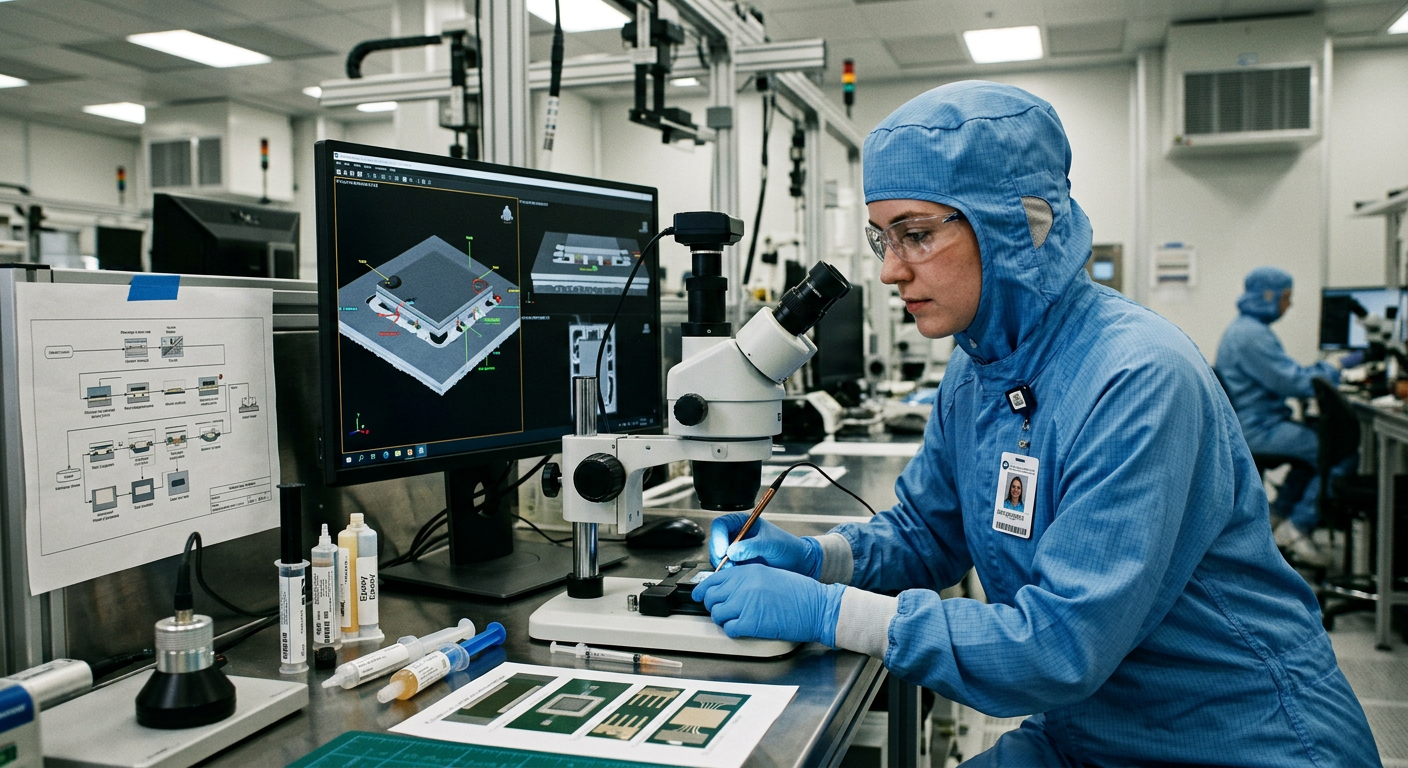
IC Packaging Adhesive: Preventing Void Formation Issues
Learn how IC packaging adhesive void formation is prevented in the United States through material choice, process control, supplier selection, and testing.
-

Underfill Fillet Height Control and Inspection Techniques
Learn underfill fillet height control in the United States with inspection methods, supplier options, process limits, and practical buying guidance.
-
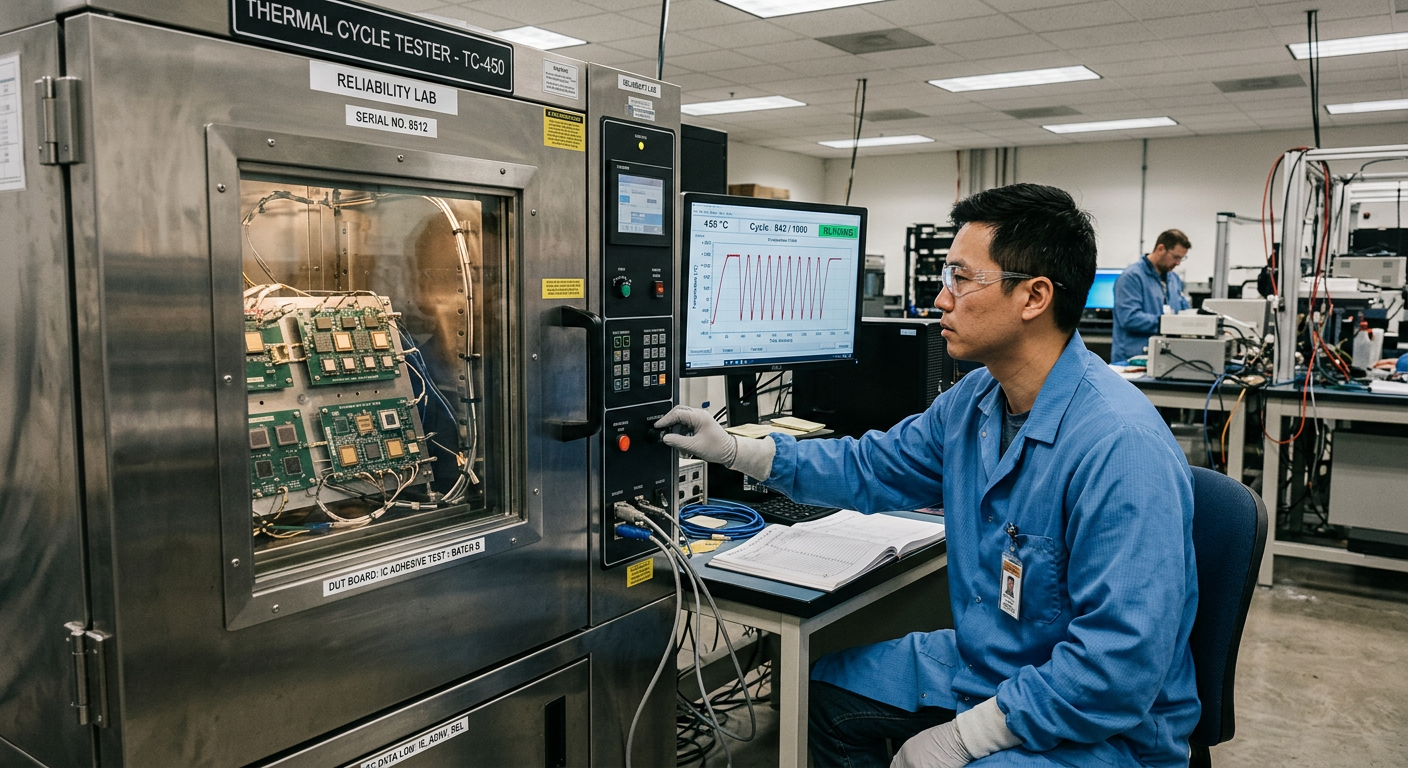
IC Package Adhesive Thermal Cycling Reliability Testing
IC packaging adhesive thermal cycling in the United States requires reliable material selection, supplier review, and test planning for electronics durability.
-
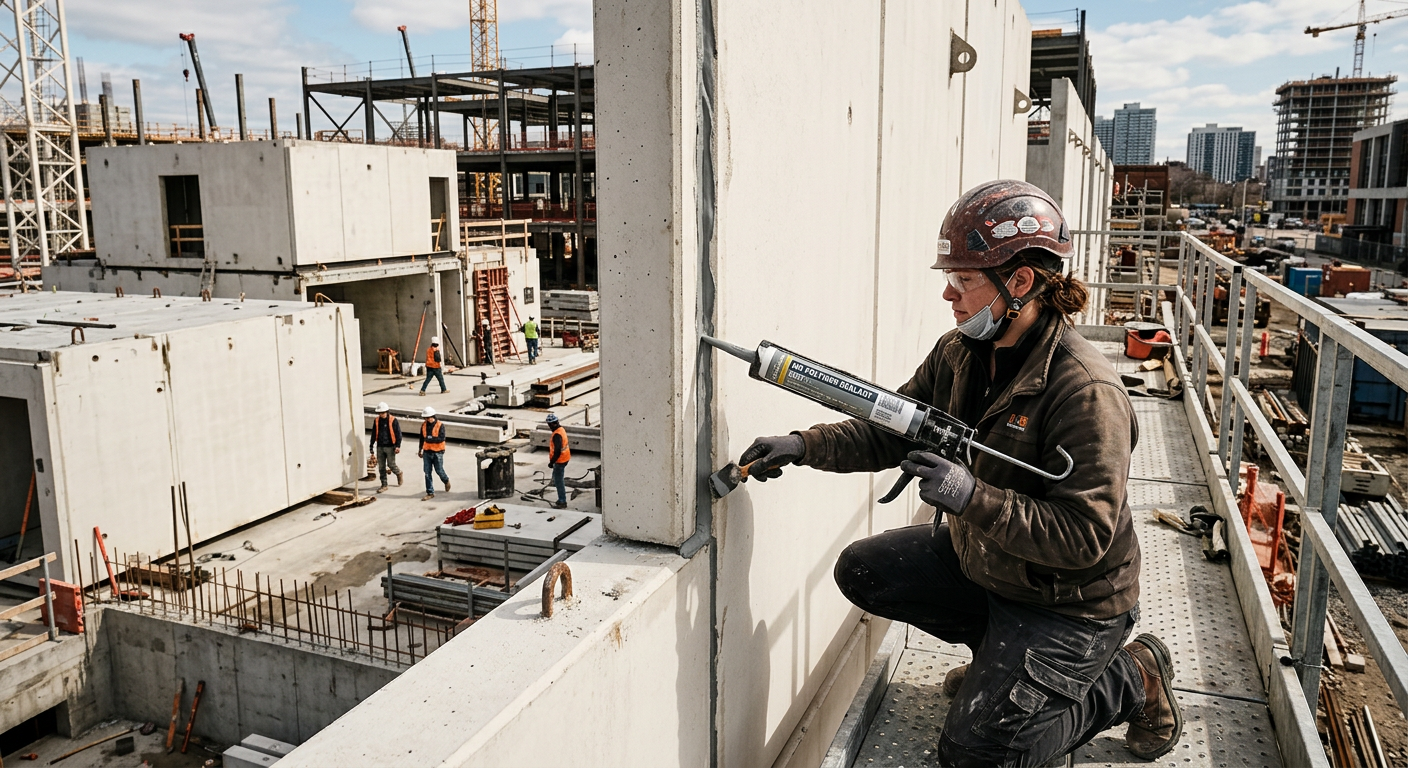
MS Polymer Sealant for Prefabricated Building Assembly
Find the best MS polymer sealant prefabricated building solutions in the United States, including suppliers, applications, buying tips, and market trends.
 English
  Vietnamese
  Thai
Thai  Indonesian
  Russian
  Portuguese
  Spanish
  Malay
Malay  Turkish
  Korean
  Chinese