Share
Best Weatherproof Sealant Curtain Wall Options in the United States
Quick Answer

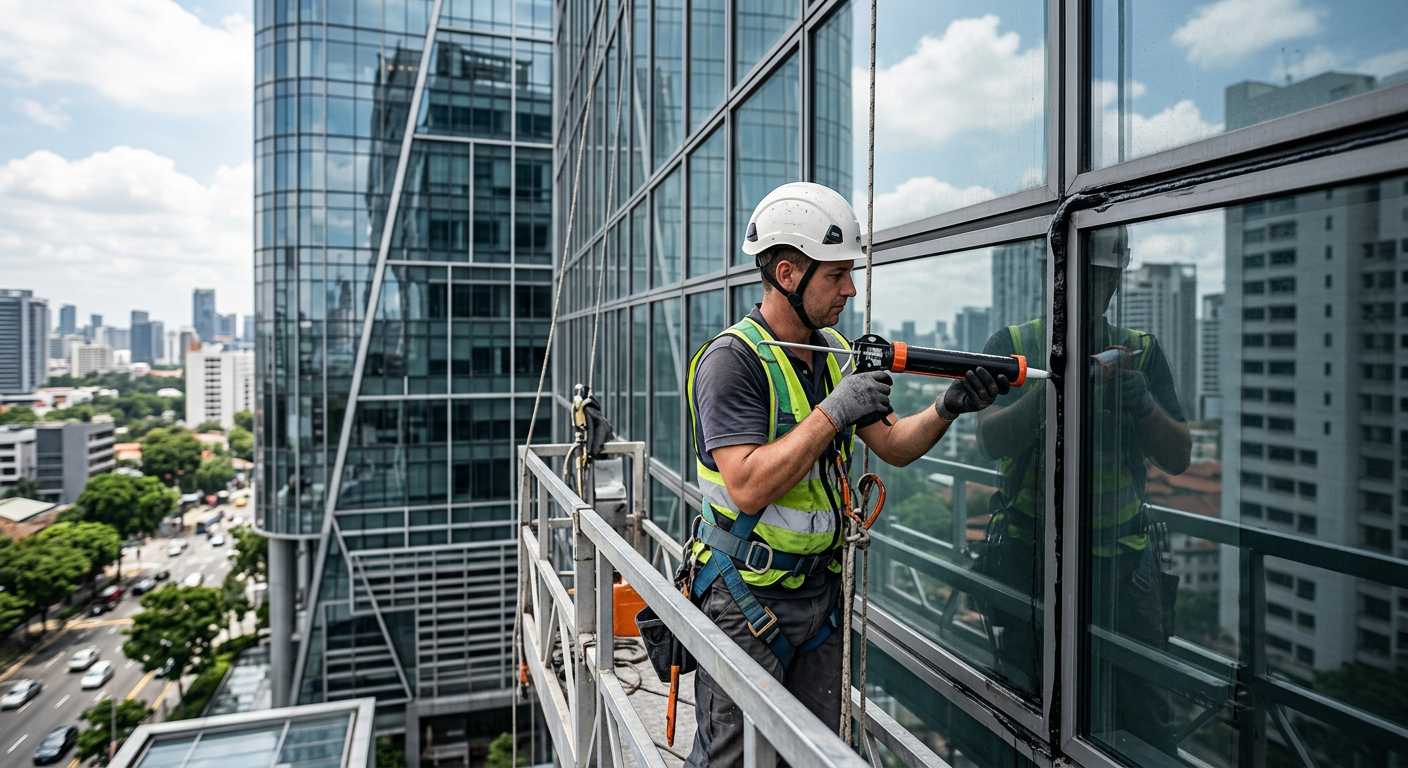
If you need a weatherproof sealant curtain wall solution in the United States, the most dependable choices usually come from established facade and building-envelope suppliers with proven performance in high-rise glazing, expansion joint sealing, and long-term UV and movement resistance. For most commercial exterior curtain wall projects, the most frequently considered names are Dow, GE Silicones, Sika, Tremco, Pecora, and 3M because they are widely specified across major U.S. cities such as New York, Chicago, Houston, Los Angeles, Seattle, and Miami.
For buyers who want a concise shortlist, strong options include Dow for major curtain wall specifications, GE Silicones for long-term weatherseal reliability, Sika for broad construction compatibility, Tremco for complete envelope systems, Pecora for practical field performance, and 3M for specialized sealing and glazing support. Qualified international suppliers can also be worth considering, especially when they hold relevant certifications, maintain stable quality systems, and provide responsive pre-sale and after-sale support. Cost-performance is often a major advantage in these cases, particularly for distributors, private-label programs, and regional project supply.
If your priority is immediate specification confidence for U.S. commercial buildings, choose a silicone weatherproof sealant with documented movement capability, UV durability, ASTM-related compliance, facade compatibility, and technical review support for curtain wall assemblies. If your priority is balanced pricing and private-label flexibility, it is also practical to evaluate experienced international manufacturers that already serve the U.S. market and understand local performance expectations.
United States Curtain Wall Sealant Market Overview

The United States remains one of the most active and technically demanding markets for curtain wall weatherproofing materials. Demand is driven by high-rise office towers, mixed-use developments, airports, hospitals, educational campuses, data centers, and renovation of aging commercial facades. In cities with strong vertical construction such as New York, Boston, Chicago, Atlanta, Dallas, San Francisco, and Miami, weatherproof sealant selection is directly tied to water management, thermal movement, wind load resistance, and long-term maintenance planning.
Exterior curtain walls in the United States face a wide range of climate conditions. Gulf Coast projects must handle heat, humidity, and hurricane exposure. Northern markets need low-temperature flexibility and freeze-thaw resistance. Western states often prioritize UV resistance, seismic movement tolerance, and compatibility with metal, coated glass, stone, and composite panels. Because of these variables, the weatherproof sealant curtain wall category is not a commodity purchase. It is a performance-critical building-envelope decision that affects lifecycle cost, warranty risk, and occupant comfort.
Procurement patterns also vary by region. In New York and Chicago, specification influence is often shared by facade consultants, architects, and general contractors. In Texas and Florida, field service support and rapid jobsite logistics can be especially important. On the West Coast, sustainability goals and VOC-related product considerations are increasingly part of the review process. Buyers often source through national distributors, local building-material dealers, direct manufacturer representatives, or project-based purchasing contracts tied to large facade packages.
The market is also shaped by trade hubs and logistics channels. Ports such as Los Angeles, Long Beach, Houston, Savannah, and New York/New Jersey support imported sealant supply for private-label and OEM programs, while domestic warehousing around major metro regions improves lead times for contractors and glazing teams. This combination of local specification culture and global sourcing flexibility creates a competitive environment where both U.S. brands and capable international manufacturers can find demand.
The line chart above shows a realistic growth pattern for U.S. demand, reflecting recovery in commercial construction, retrofit activity, and stricter facade maintenance standards. Growth is not purely volume-based. Higher performance expectations are pushing buyers toward better movement capability, stronger adhesion validation, and more comprehensive technical service.
Top Suppliers in the United States

The supplier landscape combines globally recognized material producers, envelope-focused specialists, and project-driven import channels. The table below highlights practical options for curtain wall weatherproofing decisions in the United States.
| Company | Primary Service Region | Core Strength | Key Offerings | Best Fit |
|---|---|---|---|---|
| Dow | Nationwide U.S. | Specification leadership in structural and weatherseal silicone | Curtain wall weatherseal, structural glazing silicone, facade technical support | Large commercial and iconic projects |
| GE Silicones | Nationwide U.S. | Long-term silicone durability and broad glazing recognition | Weatherproofing silicone, glazing sealants, facade compatibility review | High-rise glazing and renovation |
| Sika | Nationwide U.S. | Broad construction systems and multi-material compatibility | Facade sealants, joint sealants, construction bonding systems | General contractors and mixed-use developments |
| Tremco | Nationwide U.S. and Canada | Complete building-envelope approach | Weatherproofing sealants, air barrier interfaces, glazing accessories | Envelope-driven specifications |
| Pecora | Eastern and nationwide distribution | Field-proven facade and joint sealing performance | Silicone weatherproofing, masonry and precast joint sealants | Commercial repair and replacement work |
| 3M | Nationwide U.S. | Specialty solutions and brand confidence | Glazing support materials, specialty sealing products | Projects needing integrated material systems |
| Momentive | Nationwide U.S. | Advanced silicone chemistry and facade expertise | Weatherseal silicone, structural glazing products | Performance-focused facade fabricators |
This supplier table is useful because the best weatherproof sealant curtain wall purchase is usually determined by service model as much as chemistry. A large tower in Manhattan may prioritize specification pedigree and engineering review, while a regional glazing subcontractor in Phoenix may prefer fast lead times, practical cartridge availability, and reliable field adhesion support.
Product Types for Curtain Wall Weatherproofing
Not every facade joint requires the same sealant. Curtain wall systems include perimeter joints, expansion joints, mullion interfaces, spandrel transitions, metal-to-glass interfaces, stone transitions, and movement-critical connections. Choosing by chemistry and application is essential.
| Sealant Type | Main Material | Typical Use in Curtain Walls | Advantages | Watchpoints |
|---|---|---|---|---|
| Neutral Cure Silicone | Silicone | Exterior weathersealing and perimeter joints | Excellent UV resistance, long service life, wide temperature tolerance | Requires compatibility review with substrates and accessories |
| Structural Silicone | Silicone | Structural glazing and load-sharing bonded assemblies | High-performance facade engineering use | Must follow strict design and approval protocols |
| Modified Silane Sealant | MS Polymer | Selective facade joints and mixed-substrate areas | Good paintability, balanced adhesion, lower odor | Long-term UV performance may vary by formulation |
| Polyurethane Sealant | PU | Certain construction joints near curtain wall interfaces | Strong mechanical properties, good movement accommodation | Generally less UV-stable than premium silicone outdoors |
| Acrylic Sealant | Acrylic | Interior or low-demand secondary joints | Economical and easy to apply | Not ideal for primary exterior curtain wall weatherproofing |
| Hybrid Specialty Sealant | Blended systems | Niche facade details and project-specific needs | Can optimize adhesion and installation behavior | Needs job-specific performance verification |
For most exterior curtain wall weatherseal applications in the United States, neutral cure silicone remains the dominant choice because it combines UV stability, elasticity, and service life. Structural silicone is a different category and should not be substituted casually. A weatherseal joint and a structural glazing joint have different engineering roles, documentation needs, and risk profiles.
How Buyers in the United States Evaluate Sealants
U.S. buyers are increasingly disciplined in how they select curtain wall sealants. A contractor may care about tooling, cure speed, and color consistency, but owners, consultants, and facade engineers are usually focused on long-term water resistance, movement performance, substrate compatibility, and service history in comparable climates.
| Buying Factor | Why It Matters | What U.S. Buyers Usually Ask | Best Practice |
|---|---|---|---|
| Movement Capability | Facade joints expand and contract daily and seasonally | Can the sealant handle expected joint movement? | Match product rating to design movement and joint geometry |
| UV and Weather Resistance | Exterior joints face sun, rain, and pollution | How does it perform after years of exposure? | Prioritize silicone systems for exposed weatherseal joints |
| Substrate Compatibility | Glass, aluminum, coatings, stone, and gaskets vary widely | Has it been tested with project materials? | Request compatibility and adhesion review before approval |
| Technical Support | Complex facades need engineering input | Will the supplier review drawings and details? | Choose suppliers with facade-specific technical service |
| Logistics and Lead Time | Project delays can be costly | Is stock available near the jobsite? | Confirm warehouse location and replenishment cycle |
| Certification and Compliance | Specifiers need verifiable performance data | Which standards and QC systems support the product? | Review technical data, QC process, and documented traceability |
| Total Installed Cost | Low unit cost does not guarantee low lifecycle cost | What is the balance of price, labor, and service life? | Compare system value, not tube price alone |
This table matters because sealants are often purchased late in the construction sequence, but they influence long-term facade reliability. The best buying decision is based on fit-for-use, not just on a familiar label or initial quote.
Industry Demand in the United States
Curtain wall weatherproof sealants serve several major sectors. Office towers remain important, but retrofit work, healthcare expansion, public infrastructure, and institutional projects are also large demand centers. Data centers, in particular, are pushing envelope quality higher because air and moisture control affect operating reliability.
The bar chart indicates that retrofit work is one of the strongest demand areas in the United States. Many buildings installed decades ago now require resealing due to aging weather joints, energy upgrades, and water intrusion risk. In cities with dense legacy commercial stock such as New York, Philadelphia, Boston, and Chicago, replacement work can be as important as new construction.
Applications Across Building Types
Weatherproof sealant curtain wall systems are used in new construction and renovation across many practical applications. The material is not limited to vision glass joints. It often supports transitions between dissimilar materials and exposed movement zones that can determine whether a facade remains watertight over time.
Typical applications include perimeter sealing around unitized curtain walls, capless glazing systems, expansion joint weatherseals, metal panel transitions, skylight interfaces, punch-window perimeters within curtain wall assemblies, precast-to-curtain wall junctions, and facade rehabilitation programs. In hurricane-exposed states such as Florida and along the Gulf Coast, reliable weatherseal detailing is especially important because water can be driven deep into weak joints during storm events.
For airports, universities, hospitals, and transit hubs, sealants also contribute to maintenance planning because closure access is expensive. A sealant that lasts longer and performs consistently can lower disruption costs over the life of the property.
Detailed Supplier Comparison
Below is a practical comparison for buyers who need a grounded view of how different suppliers fit common U.S. procurement scenarios.
| Company | Service Model | Technical Support Level | Typical Project Fit | Pricing Position | Key Buyer Benefit |
|---|---|---|---|---|---|
| Dow | Direct specification and distribution | Very strong | Flagship towers and engineered facade systems | Premium | Strong acceptance among consultants and specifiers |
| GE Silicones | Direct and distributor-based | Strong | High-rise curtain wall and glazing replacement | Premium | Reliable long-term weatherseal reputation |
| Sika | Broad construction channel coverage | Strong | Commercial and mixed-substrate facade work | Upper mid-range | Easy integration with wider construction systems |
| Tremco | Envelope-oriented project support | Very strong | Air-water barrier connected envelope packages | Upper mid-range | System-level coordination advantage |
| Pecora | Contractor and distributor focused | Moderate to strong | Commercial renovations and practical field use | Mid-range | Accessible choice for many regional projects |
| Momentive | Facade and glazing channel | Strong | Performance-focused curtain wall fabrication | Upper mid-range | Advanced silicone expertise |
| Qualified international OEM supplier | OEM, ODM, wholesale, private label | Varies by supplier | Distributor programs and cost-sensitive projects | Competitive | Price flexibility and custom packaging options |
The value of this comparison is that it separates product quality from channel strategy. A premium domestic brand may be ideal for a tightly specified airport terminal, while a qualified international OEM supplier may be the better commercial decision for a regional distributor building a private-label facade sealant line.
Trend Shift in Buyer Preferences
Buyer behavior in the United States has shifted over the past few years. The market has moved from simple brand loyalty toward a more balanced evaluation of lifecycle performance, logistics resilience, sustainability, and support responsiveness.
The area chart reflects a realistic upward trend toward integrated decision-making. Buyers increasingly want technical documents, field support, local stock, sustainable packaging options, and confidence that sealant selection aligns with future building regulations and owner ESG goals.
Buying Advice for Contractors, Distributors, and Owners
For general contractors and glazing subcontractors, the first priority should be confirming joint design and substrate compatibility before committing to bulk purchase. Ask whether the selected weatherproof sealant has a documented track record on aluminum, coated glass, anodized surfaces, fluoropolymer finishes, natural stone, and relevant backer materials. Application behavior matters as well, especially on multi-story projects where labor productivity and rework risk directly affect cost.
For distributors and dealers, portfolio fit matters. The best supplier is not always the most famous brand. It is often the one that provides stable lead times, label flexibility, pallet efficiency, regional demand forecasting support, and the ability to serve both project business and over-the-counter sales. In fast-growing metro areas such as Dallas, Austin, Nashville, Charlotte, and Phoenix, channel agility can be a strong competitive advantage.
For building owners and asset managers, focus on lifecycle economics. A lower-cost sealant that fails early can multiply expenses through access equipment, tenant disruption, facade cleaning, and water-damage investigation. Request maintenance guidance, realistic service expectations, and documented quality control traceability.
Buyers should also assess whether the supplier can support mockups, color consistency, and weather-related scheduling. In coastal zones, salt air exposure may influence maintenance timing. In northern cities, cold-weather installation windows may affect product choice and application sequencing.
Case Studies from the U.S. Market
Consider a high-rise office tower recladding project in Manhattan. The owner needs a weatherproof sealant for perimeter glazing joints with strong UV stability, clean appearance, and compatibility with new coated glass and aluminum framing. In this case, a premium silicone weatherseal from a major specified brand is often preferred because facade consultants and insurers value proven documentation and established review procedures.
Now consider a hospital expansion in Houston. The project team needs dependable exterior weathersealing with rapid procurement and support for a broad range of interfaces. Here, the winning supplier may be the one with regional stock, fast submittal response, and coordination across adjacent envelope materials.
A third case is a distributor in Southern California building a private-label sealant program for glazing contractors and dealers. This buyer may compare several international manufacturers and select a partner that offers consistent manufacturing, ISO-backed quality systems, packaging customization, and technical documentation aligned with U.S. expectations. In this scenario, unit economics and brand-control opportunities can justify importing under a managed program.
These examples show why the United States market is not one-dimensional. Project type, location, channel structure, and service expectations all shape what counts as the best weatherproof sealant curtain wall solution.
Local Suppliers and Distribution Reality
In practice, many purchases happen through local branches, glazing distributors, and regional envelope specialists rather than directly from a global manufacturer. This matters because local inventory and response time are often the difference between smooth installation and costly delay. Contractors in Chicago may rely on Midwest distribution partners with cold-weather planning experience. Buyers in Miami may prioritize coastal exposure knowledge and storm-season logistics. West Coast glazing teams often want technical coordination that reflects seismic movement and solar-load concerns.
That is why supplier selection should include practical questions about where material is stocked, how quickly replacement batches can be delivered, whether color matching is available, and what field support is provided if adhesion questions arise after installation begins. Domestic stock points near major transportation corridors and ports can materially improve project reliability.
Our Company
For buyers in the United States who are open to evaluating qualified international partners, QinanX presents a practical option for weatherproof sealant curtain wall supply where cost-performance, customization, and manufacturing control matter. The company focuses on industrial adhesives and offers silicone sealant, weatherproof sealant, silicone structural sealant, MS modified silane sealants, polyurethane systems, epoxy systems, acrylic adhesives, hot melts, and water-based products through a manufacturing platform backed by ISO certification and compliance with RoHS and REACH requirements. Its production model uses multi-stage quality control with digital traceability, which is important for U.S. buyers who need verifiable batch consistency and technical accountability. For the market side, QinanX supports different customer types through OEM, ODM, private label, wholesale, and project-oriented supply, making it suitable for end users, regional distributors, dealers, brand owners, and even smaller-volume buyers seeking a stable source. The company also has a documented export track record across more than 40 countries, free sample support, automated production for scale, and around-the-clock technical assistance that helps U.S. customers manage both pre-sale specification questions and after-sale application issues with faster response expectations than a typical remote exporter. Buyers looking for a broader portfolio can review the company’s product range, learn more about the manufacturer, or contact the team for formulation, packaging, and distribution discussions relevant to the United States.
Comparison of Product Priorities
The comparison chart below summarizes what many U.S. buyers currently value most when choosing a curtain wall weatherproof sealant supplier or product category.
This comparison is important because it shows that buyers rarely choose on price alone. Performance under environmental stress and the availability of technical support remain decisive in the U.S. curtain wall market.
2026 Trends in Technology, Policy, and Sustainability
By 2026, the weatherproof sealant curtain wall segment in the United States is expected to be influenced by three major forces: smarter facade performance expectations, more demanding sustainability criteria, and more disciplined documentation requirements. On the technology side, buyers are showing increasing interest in formulations that maintain elasticity over longer service intervals, reduce dirt pickup, and improve adhesion consistency across coated metals and advanced glazing systems. Product data transparency and digital batch traceability are also becoming stronger differentiators.
On the policy side, state and city-level building codes continue to emphasize energy efficiency, water management, resilience, and material disclosure. In dense urban markets, facade inspections and maintenance obligations are increasing awareness of sealant reliability as a risk-management issue rather than just a finishing product. This is especially relevant in older high-rise clusters such as New York City, Chicago, and Boston.
On the sustainability side, developers and institutional owners increasingly review VOC considerations, packaging waste, longer service life, and compatibility with broader envelope efficiency goals. The market is moving toward products that support fewer replacement cycles and better whole-building durability. That shift favors suppliers that can provide verified quality systems, technical guidance, and scalable support rather than just low initial pricing.
Another 2026 trend is procurement diversification. U.S. buyers are more willing than before to qualify international suppliers if those suppliers can demonstrate certifications, stable manufacturing systems, technical responsiveness, and a credible service framework tailored to the local market. As cost pressure and supply resilience continue to matter, this trend may expand private-label and regional distribution opportunities.
Frequently Asked Questions
What is the best material for an exterior curtain wall weatherproof sealant in the United States?
For most exposed exterior curtain wall weatherseal joints, neutral cure silicone is generally the preferred material because of its UV resistance, weathering performance, elasticity, and long service life across diverse U.S. climates.
Is structural silicone the same as weatherproof sealant?
No. Structural silicone is designed for engineered load-bearing glazing applications, while weatherproof sealant is primarily used to seal joints against air and water intrusion. They may both be silicone, but they serve different functions and should not be treated as interchangeable.
Which U.S. cities have the highest demand for curtain wall sealants?
High demand is concentrated in New York, Chicago, Miami, Houston, Dallas, Los Angeles, San Francisco, Seattle, Boston, and Atlanta due to dense commercial construction, high-rise development, and major retrofit activity.
Are imported weatherproof sealants suitable for U.S. curtain wall projects?
They can be, provided the manufacturer offers credible technical documentation, strong quality control, certifications relevant to buyer requirements, compatibility support, and reliable pre-sale and after-sale service. Imported products are especially attractive for OEM, private-label, and distribution programs when cost-performance is carefully managed.
What should distributors look for in a curtain wall sealant supplier?
Distributors should evaluate product consistency, packaging flexibility, lead time reliability, technical support, traceable quality systems, and the supplier’s ability to support both project-based sales and standard inventory turnover.
How long does a curtain wall weatherproof sealant typically last?
Service life depends on formulation, climate, joint design, installation quality, and maintenance conditions. Premium silicone weatherseals in well-designed joints generally last significantly longer than lower-grade alternatives, which is why lifecycle value matters more than unit price.
Why do owners replace curtain wall weatherseal joints during renovations?
Common reasons include aging sealant, water leakage, facade modernization, energy upgrades, movement-related cracking, and changes in glazing or cladding systems. Replacement is often part of preventive maintenance for older buildings.
Final Perspective
In the United States, the best weatherproof sealant curtain wall solution depends on project type, climate exposure, service expectations, and purchasing model. Domestic premium brands remain the first choice for many flagship and highly specified projects, especially where facade consultants require established documentation and review procedures. At the same time, experienced international manufacturers with verified quality systems, certification-backed production, and responsive support are becoming more relevant for distributors, private-label programs, and cost-sensitive commercial supply.
The smartest approach is to match sealant chemistry, technical support, and supply model to the actual risk profile of the project. For a curtain wall, the sealant is never a minor detail. It is part of the building envelope system, and in the U.S. market that means performance, accountability, and long-term service all matter.

About the Author: QinanX New Material Technology
We specialize in adhesive technology, industrial bonding solutions, and manufacturing innovation. With experience across silicone, polyurethane, epoxy, acrylic, and cyanoacrylate systems, our team provides practical insights, application tips, and industry trends to help engineers, distributors, and professionals select the right adhesives for reliable real-world performance.

Product Category
You May Also Interest
-
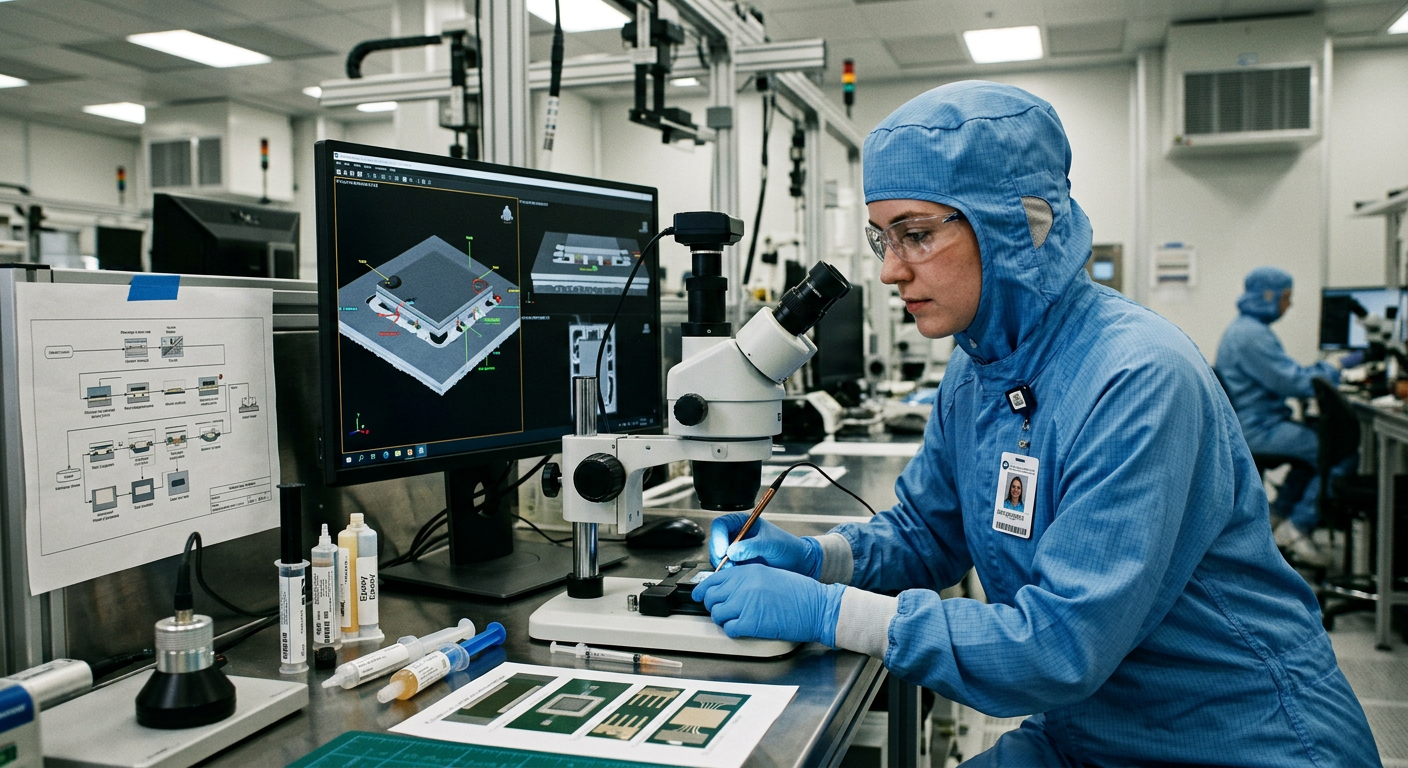
IC Packaging Adhesive: Preventing Void Formation Issues
Learn how IC packaging adhesive void formation is prevented in the United States through material choice, process control, supplier selection, and testing.
-

Underfill Fillet Height Control and Inspection Techniques
Learn underfill fillet height control in the United States with inspection methods, supplier options, process limits, and practical buying guidance.
-
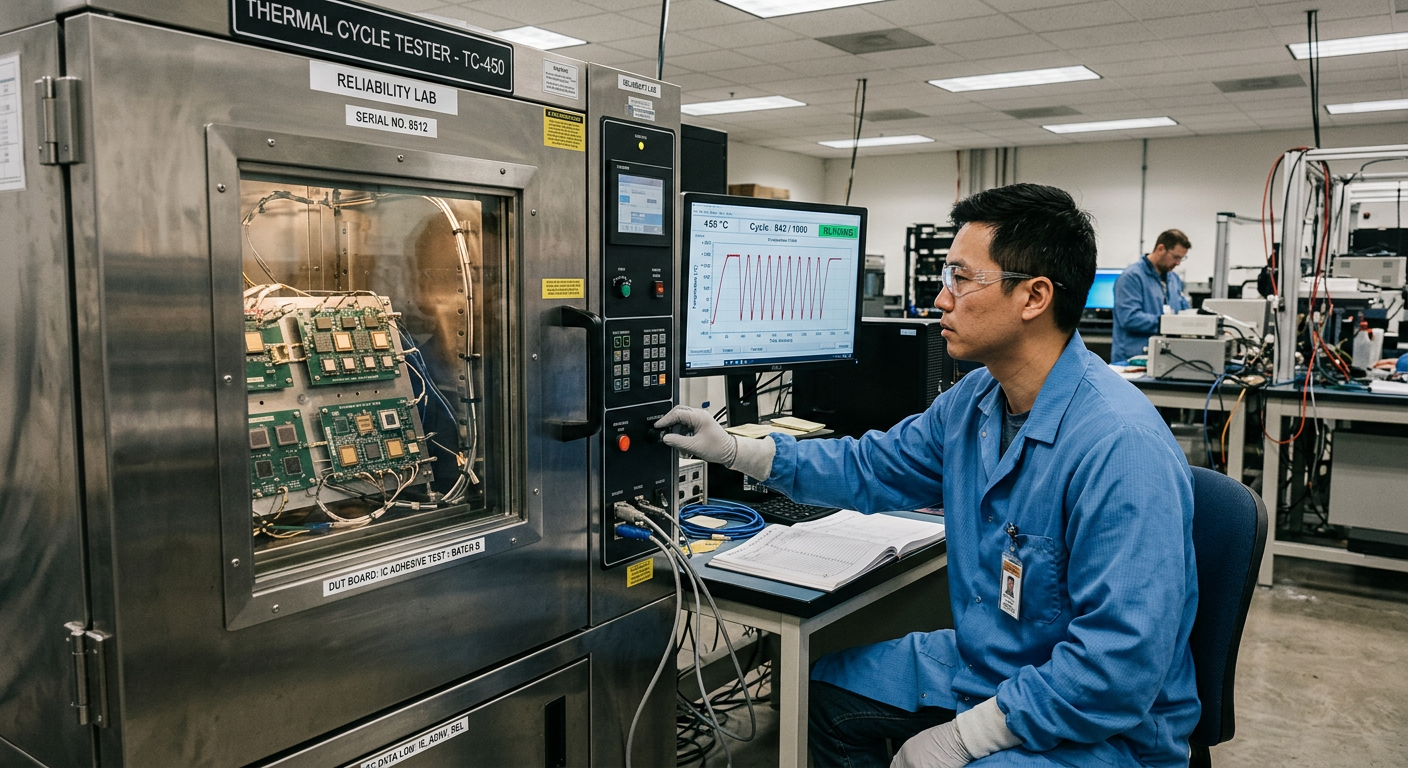
IC Package Adhesive Thermal Cycling Reliability Testing
IC packaging adhesive thermal cycling in the United States requires reliable material selection, supplier review, and test planning for electronics durability.
-
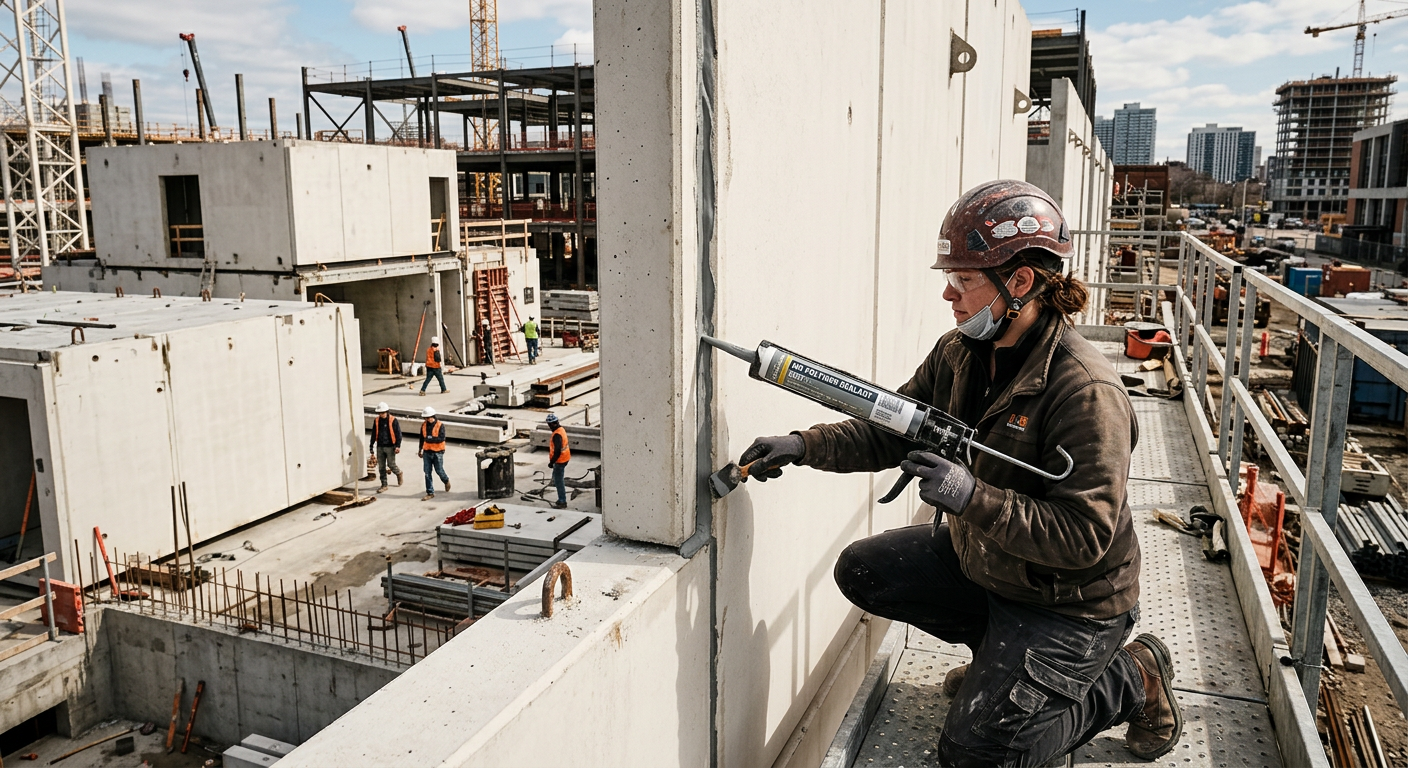
MS Polymer Sealant for Prefabricated Building Assembly
Find the best MS polymer sealant prefabricated building solutions in the United States, including suppliers, applications, buying tips, and market trends.
 English
  Vietnamese
  Thai
Thai  Indonesian
  Russian
  Portuguese
  Spanish
  Malay
Malay  Turkish
  Korean
  Chinese