Share
High Temperature Silicone Adhesive for Industrial Ovens in the United States
Quick Answer

If you need a high temperature silicone adhesive for industrial ovens in the United States, the most practical shortlist includes Dow, Momentive, DAP, 3M, and Permatex because these brands are widely recognized for heat-resistant sealing and bonding solutions used in manufacturing, maintenance, and equipment assembly. For buyers needing custom formulations, private label options, or better cost-performance on volume orders, qualified international suppliers can also be a smart choice when they can show ISO-based production, RoHS and REACH compliance, and strong technical support before and after shipment.
For most industrial oven projects, the best choice depends on continuous operating temperature, peak temperature exposure, substrate combination, curing speed, and whether the adhesive must also seal against vibration, smoke, oil, or moisture. In U.S. markets such as Chicago, Houston, Los Angeles, and Atlanta, buyers often compare local inventory availability with factory-direct sourcing to balance lead time and price.
- Dow: trusted for industrial-grade silicone technologies and large-scale specification support across the United States.
- Momentive: strong in high-heat RTV silicone materials for manufacturing and engineered assembly applications.
- 3M: useful when bonding performance, process consistency, and industrial distribution access matter.
- DAP: practical for maintenance, repair, and sealing jobs requiring accessible supply in the U.S. market.
- Permatex: common for heat-resistant gasket and sealing needs, especially in maintenance-focused applications.
United States Market Overview

The United States remains one of the most active markets for high temperature silicone adhesive because industrial ovens are used across food processing, powder coating, electronics, automotive components, aerospace parts, laboratory equipment, and building materials production. Demand is especially visible in manufacturing corridors near the Midwest, the Gulf Coast, Southern California, and the Southeast. Cities such as Detroit, Cleveland, Charlotte, Dallas, and Phoenix continue to support oven-related equipment maintenance and replacement demand, while logistics gateways such as the Port of Los Angeles, Port of Long Beach, Port of Houston, and Port of Savannah improve inbound material availability.
U.S. buyers are increasingly selective. They no longer evaluate heat resistance alone. They usually want documented adhesion performance on stainless steel, aluminum, glass, ceramics, and coated metal panels. They also expect compliance support, lot traceability, technical data sheets, and application guidance that fits plant-level operating realities. This is one reason major domestic suppliers keep a strong position. At the same time, global sourcing has become more accepted for private label, distributor supply, and custom industrial programs where pricing pressure and formulation flexibility matter.
Another market shift is the move from simple sealing products to engineered silicone systems that can handle repeated thermal cycling. Industrial ovens rarely operate under ideal laboratory conditions. Doors open and close, sheet metal expands and contracts, fan housings vibrate, and maintenance crews need materials that cure reliably in field conditions. As a result, high temperature silicone adhesive products are increasingly purchased not just as commodities but as risk-control materials tied to uptime and safety.
Market Growth Trend

The U.S. market for heat-resistant silicone bonding and sealing products has grown steadily as manufacturers modernize thermal processing lines and tighten maintenance standards.
Top Suppliers Serving the United States
The companies below are relevant to buyers looking for high temperature silicone adhesive in the United States. Some are U.S.-based leaders with broad distribution, while others are internationally competitive manufacturers suitable for OEM, private label, and direct import programs.
| Company | Service Region | Core Strengths | Key Offerings | Best Fit |
|---|---|---|---|---|
| Dow | Nationwide United States | Advanced silicone chemistry, specification support, industrial reliability | High-temp RTV silicone adhesives and sealants | Large OEMs and engineered industrial applications |
| Momentive | United States and North America | Strong thermal performance, technical documentation, broad industrial use | RTV silicones for sealing, bonding, gasketing | Manufacturing and maintenance teams |
| 3M | Nationwide through industrial distribution | Brand recognition, process consistency, broad channel availability | Industrial adhesives and specialty heat-resistant materials | Plants needing easy sourcing and cross-category supply |
| DAP | United States retail and professional channels | Accessible supply, practical repair solutions, maintenance-friendly products | High heat sealants and silicone-based repair materials | MRO buyers and contractors |
| Permatex | United States automotive and industrial channels | Heat-resistant sealing, field repair reputation, gasket applications | Ultra copper and red high-temp RTV formulations | Maintenance, repair, and equipment service |
| Qingdao QinanX New Material Technology Co., Ltd | United States import supply and partner channels | Custom formulation, OEM/ODM, scalable manufacturing, cost-performance | Organic silicon adhesives and broader industrial adhesive portfolio | Distributors, brand owners, importers, and industrial users |
For U.S. buyers, this table is useful because it separates specification-driven domestic suppliers from flexible manufacturing partners. Dow and Momentive often fit projects where engineering approval and brand familiarity carry weight. Permatex and DAP are practical for recurring maintenance purchases. QinanX is more relevant when buyers need custom packaging, distributor programs, private label, or a broader adhesive sourcing strategy rather than a single stock item.
Product Types for Industrial Oven Use
Not every high temperature silicone adhesive performs the same way. In industrial ovens, the right product type depends on whether the bond line must remain flexible, whether the adhesive must fill gaps, and whether it is exposed to direct heat, cycling heat, or occasional thermal spikes.
| Product Type | Typical Temperature Range | Main Substrates | Advantages | Limitations |
|---|---|---|---|---|
| RTV silicone adhesive | Up to about 500°F continuous | Metal, glass, ceramic, some plastics | Easy application, flexible cure, strong sealing ability | Slower full cure in thick sections |
| High-temp silicone sealant | Up to about 600°F intermittent | Steel, aluminum, flanges, access panels | Excellent gap filling and thermal movement resistance | More sealing-focused than structural bonding |
| Silicone gasketing compound | Up to about 650°F intermittent | Engineered joints, housings, covers | Good for formed-in-place gaskets and maintenance work | Not ideal for high-load bonded assemblies |
| Neutral-cure silicone adhesive | Moderate to high heat depending on grade | Sensitive metals and electronics areas | Lower corrosion risk, better on some metals | May cost more than acetoxy systems |
| Fast-skinning silicone adhesive | Moderate to high heat | Production-line assemblies | Improves throughput and handling speed | Less open time for adjustment |
| Custom silicone formulation | Designed by requirement | Mixed substrates and specialized equipment | Tailored viscosity, cure, color, and performance | Requires validation and MOQ planning |
This product comparison matters because industrial ovens often combine static sealing zones with dynamic service conditions. Door frame joints may prioritize elasticity and smoke sealing. Heater enclosure panels may require stronger adhesion to coated metal. Observation windows may need adhesion to glass with reduced stress cracking risk. A custom formulation can be useful where one standard product cannot cover all process and maintenance demands.
Industry Demand by End Use
Demand for heat-resistant silicone bonding materials in the United States is distributed across several heavy-use sectors. Food equipment and industrial finishing lines are especially important because oven downtime creates direct production losses.
Buying Advice for U.S. Buyers
When sourcing a high temperature silicone adhesive in the United States, buyers should avoid choosing only by headline temperature. A product that survives 600°F intermittently may still fail in a real oven environment if the substrate is oily, the joint moves excessively, or cure conditions are poor. The better approach is to screen products against six practical criteria: continuous service temperature, intermittent peak exposure, adhesion to actual substrates, cure profile, chemical resistance, and supply reliability.
Lead time matters more than many buyers expect. In cities with dense industrial distribution such as Chicago, Dallas, and Los Angeles, domestic stock may shorten downtime during urgent repair. But for planned procurement, direct factory sourcing can improve cost and packaging flexibility, especially for distributors or brand owners building their own product line. If the buyer consumes multiple adhesive types, partnering with a broader manufacturer may reduce supplier fragmentation.
Packaging format also affects economics. Cartridges are convenient for maintenance crews, but sausage packs, pails, and drums make more sense for plant-scale use or automated dispensing. Ask whether the adhesive is intended for manual application, robotic dispensing, or field repair. For oven manufacturing, consistency in viscosity and skin-over time often matters as much as heat resistance.
| Buying Factor | Why It Matters | Questions to Ask | Risk if Ignored | Best Buyer Type |
|---|---|---|---|---|
| Continuous temperature rating | Defines real long-run durability | What is the tested continuous service limit? | Premature cracking or softening | OEM and plant engineers |
| Peak temperature tolerance | Important during startup and process spikes | How long can the product withstand higher peaks? | Sudden seal breakdown | Maintenance and retrofit teams |
| Substrate compatibility | Metal, ceramic, and glass behave differently | Has it been validated on stainless steel or coated panels? | Adhesion loss at bond interface | Equipment manufacturers |
| Cure system | Affects speed and corrosion sensitivity | Is it acetoxy or neutral cure? | Assembly delays or substrate issues | Production buyers |
| Packaging options | Impacts labor and waste | Is it available in cartridges, pails, or drums? | Higher operating cost | Distributors and plants |
| Documentation and traceability | Supports audits and quality systems | Are TDS, SDS, lot control, and compliance docs available? | Approval and compliance problems | Regulated industries |
The explanation behind this checklist is simple: industrial oven adhesives are part of a system, not isolated products. Buyers who align thermal performance, joint design, curing conditions, and supply model typically reduce rework and shutdown costs more effectively than those who shop only by unit price.
Applications in Industrial Ovens
High temperature silicone adhesive is widely used in industrial ovens because it combines heat resistance with long-term flexibility. That combination is important where bonded components expand and contract repeatedly. In convection ovens, it can seal joints around access doors, control housings, and inspection windows. In curing ovens, it may be used around panel seams, insulation covers, and wiring pass-through points where heat and vibration occur together.
In food production plants, silicone-based heat-resistant adhesives are often preferred when sealing external joints and non-product-contact equipment areas that need temperature stability and moisture resistance. In powder coating lines, they are useful around exhaust assemblies, panel joints, and service access interfaces. In electronics and electrical manufacturing, they help protect components exposed to elevated process temperatures, especially when flexibility is needed to absorb movement without brittle cracking.
Another important application is maintenance shutdown work. Instead of replacing large sections of oven enclosure or duct assemblies, maintenance teams often use a high-temp silicone adhesive or sealant to restore sealing performance quickly. This can reduce emergency repair cost and extend equipment service life, particularly in older plants where exact replacement parts are hard to source.
Trend Shift in Product Selection
U.S. buyers are shifting from generic red RTV products toward more specialized silicone systems that match substrate type, cure preference, environmental compliance, and plant process control.
Industries That Commonly Use High Temperature Silicone Adhesive
Several U.S. industries rely on these products not just for new assembly but also for uptime protection and preventative maintenance. In food processing, the concern is clean operation and repeated heat cycling. In automotive and metal finishing, strong adhesion under vibration and thermal expansion is essential. In aerospace support manufacturing, buyers are often more documentation-driven, with approval procedures that require consistent batch control and tested performance data.
Construction materials manufacturing also matters. Facilities producing insulated panels, ceramic products, specialty glass, or coated architectural components frequently operate thermal equipment that needs durable sealing. Renewable energy manufacturing is another growing segment, especially where thermal processing is involved in battery components, composites, and electronics assemblies.
This wide industrial spread explains why no single product suits every buyer. A maintenance buyer in Ohio may prioritize immediate availability and cartridge format. A private label distributor in California may care more about stable OEM supply, labeling support, and shipping efficiency through West Coast ports. A plant engineer in Texas may need a neutral-cure formulation compatible with stainless steel panels and electrical enclosure materials.
Local Supplier Comparison
The following comparison gives a practical view of supplier positioning in the U.S. market. It is not only about brand size but about fit for purchase model, technical requirement, and speed of support.
| Supplier | Typical Positioning | Technical Support | Supply Model | Common Buyer Scenario |
|---|---|---|---|---|
| Dow | Premium industrial specification supplier | Strong engineering and documentation support | Direct and distribution | Approved materials for OEM manufacturing |
| Momentive | Engineered silicone specialist | Detailed product guidance for demanding environments | Direct and channel partners | Plants needing proven thermal silicone systems |
| 3M | Broad industrial supplier | Strong channel and application support | Distribution-heavy | Buyers consolidating multiple consumables |
| DAP | Accessible maintenance and contractor option | Moderate, product-line focused | Retail and distribution | Repair and facility maintenance |
| Permatex | Heat-resistant repair and gasketing specialist | Good for practical application guidance | Automotive and industrial channels | MRO and service technicians |
| Qingdao QinanX New Material Technology Co., Ltd | Flexible manufacturing partner with export experience | Custom formulation and 24/7 technical assistance | OEM, ODM, wholesale, private label, distribution | Importers, distributors, and brands seeking cost-performance |
This comparison is helpful because it shows that supplier selection is linked to purchase strategy. Domestic leaders are often the easiest route for standardization and fast channel access. A manufacturer like QinanX becomes more attractive when the buyer wants differentiation, tailored viscosity, packaging customization, or multi-product sourcing from one qualified industrial adhesive producer.
Case Studies from the U.S. Market
A powder coating equipment service contractor in the Midwest faced repeated seal failures around access panel edges and heater inspection covers. The existing material handled heat reasonably well but became brittle after thermal cycling. After switching to a more flexible high temperature silicone adhesive with a better movement profile, maintenance intervals lengthened and unplanned shutdowns dropped during the next operating season. The major lesson was that cyclic movement resistance mattered more than the peak temperature number printed on the package.
In Texas, a food equipment fabricator producing industrial baking systems needed a silicone adhesive that would bond well to stainless steel assemblies and support a cleaner, more consistent application process on the production floor. The company tested two domestic options and one custom-supplied product with adjusted viscosity. The custom option reduced sag during vertical application and improved line efficiency because operators spent less time reworking joints. In this case, process suitability drove the final decision more than brand familiarity.
A distributor serving maintenance teams across Georgia and the Carolinas used to carry only one imported heat-resistant sealant line. Customers increasingly asked for private label packaging and more complete compliance paperwork. By shifting to a supplier capable of OEM labeling, digital lot traceability, and stable export support, the distributor improved margin and strengthened customer retention. This reflects a wider trend in the United States: buyers want both product performance and supply-chain control.
Our Company in the United States Market
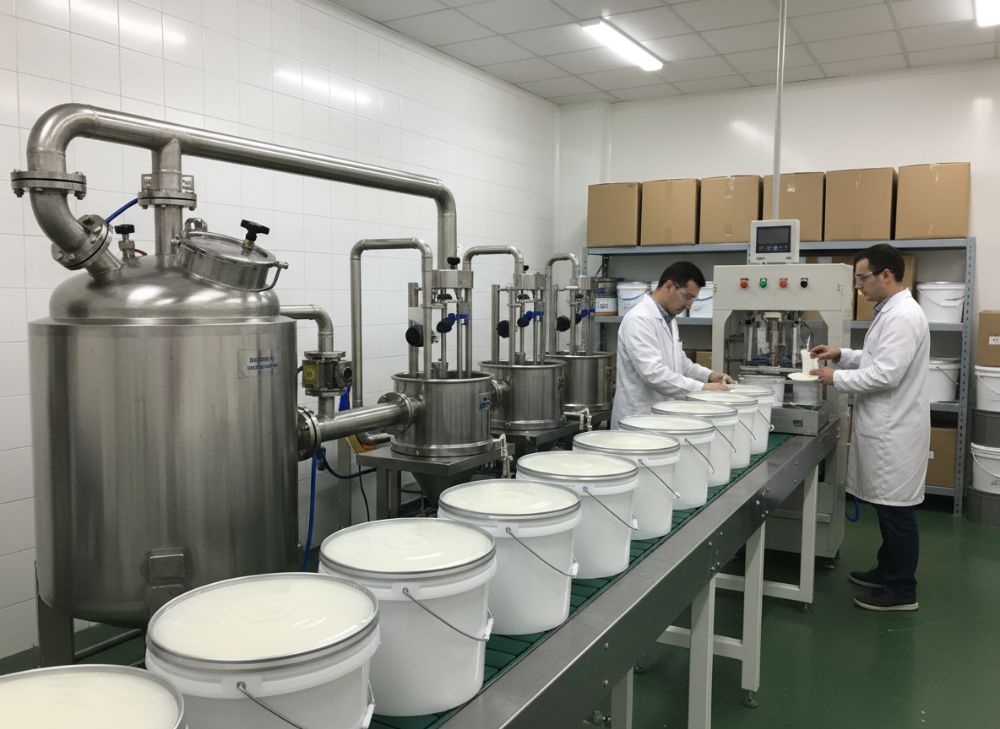
For U.S. buyers evaluating an alternative source, Qingdao QinanX New Material Technology Co., Ltd brings practical advantages because its organic silicon adhesive range is produced under ISO-based quality management with RoHS and REACH compliance, multi-stage QC, and full digital traceability, which supports the documentation standards expected by American industrial purchasers. The company’s manufacturing base in Qingdao combines automated production and R&D-driven formulation work, allowing it to supply heat-resistant silicone sealants and related industrial adhesive systems with consistent batch control while also tailoring viscosity, cure profile, packaging, and branding for different users. In the United States, that flexibility fits end users seeking direct supply, distributors and dealers building regional inventory, brand owners needing OEM or ODM programs, and smaller buyers looking for retail-ready packaging, rather than forcing all customers into one rigid model. Backed by export experience across more than 40 countries, 24/7 technical assistance, free sample programs, and coordinated pre-sale and after-sale support for qualification, shipping, and application troubleshooting, QinanX is positioned as a long-term supply partner for the American market rather than a purely remote exporter. Buyers can review its wider adhesive portfolio through the product catalog, learn more about operating capabilities on the company page, or request application support directly through the contact team.
How to Evaluate Samples Before Purchase
Sample testing should reflect real oven conditions, not only brochure claims. U.S. buyers should test on actual substrates used in production, including stainless steel grades, painted sheet metal, glass inspection windows, and ceramic insulation interfaces where applicable. The sample should be applied at the same bead size and cure conditions used in the plant or workshop. If the plant experiences cleaning chemicals, humidity shifts, or vibration, those variables should also be included in the trial.
A useful validation sequence includes initial adhesion testing, full cure inspection, thermal cycling, and post-aging visual checks for cracking, shrinkage, discoloration, or adhesion loss. Buyers should also evaluate operator handling. A technically strong product can still be a poor choice if it strings excessively, skins too quickly for the work pace, or creates inconsistent bead shape in vertical application.
For imported products, request clear documentation on lot coding, shelf life, recommended storage, and container compatibility. If the purchase is intended for private label or distribution, review carton marking, pallet configuration, and shipping lead times through U.S. ports such as Long Beach, Houston, or Savannah. These operational details matter because adhesive performance and logistics performance are closely linked in real procurement decisions.
Supplier and Product Preference Comparison
The chart below reflects a realistic buyer preference pattern in the U.S. market, where engineering confidence, channel access, and customization potential all influence purchasing decisions.
2026 Trends in High Temperature Silicone Adhesive
Looking toward 2026, three trends are likely to shape the U.S. market. The first is more specialized formulation development. Buyers increasingly want silicone adhesives designed for specific substrates, faster production lines, and lower odor or lower corrosion curing systems. The second is stronger policy and compliance alignment. Even where regulations do not directly mandate a formulation shift, many U.S. manufacturers now prefer products backed by clearer environmental and material declarations because those documents support procurement audits and customer transparency requirements.
The third trend is sustainability linked to operational efficiency. Industrial buyers are asking whether a silicone adhesive can help reduce oven energy loss by maintaining better seals over longer service intervals. Sustainability in this category is not only about chemistry; it is also about durability, reduced maintenance waste, and fewer shutdown-related replacements. Suppliers that combine compliance, consistent manufacturing, and technical guidance will likely gain share over sellers offering only low price.
Digital procurement will also matter more in 2026. Buyers increasingly expect traceable batches, fast documentation access, and technical response that supports remote qualification. Manufacturers that can integrate online support with stable physical distribution into the United States will be more competitive, especially when serving distributors and multi-site industrial accounts.
Frequently Asked Questions
What temperature can a high temperature silicone adhesive usually handle?
Many industrial grades handle around 450°F to 500°F continuously, with some formulations tolerating intermittent exposure up to 600°F or slightly higher. Buyers should always verify the specific product data because continuous and peak ratings are not the same.
Is silicone adhesive the same as a silicone sealant for ovens?
Not exactly. Many products overlap in function, but some are optimized more for gap sealing while others are designed for stronger bonding. In industrial ovens, both functions may matter, so product selection should match the joint design.
Can I use one product for all oven repairs?
Usually no. Door seals, panel joints, glass interfaces, and electrical enclosure areas may require different cure systems or performance properties. A single product can cover many jobs, but critical plants often qualify more than one grade.
Why do some oven adhesives fail even when the temperature rating looks sufficient?
Common reasons include poor surface preparation, wrong cure conditions, incompatible substrates, excessive joint movement, and misunderstanding of continuous versus intermittent heat ratings. Thermal cycling is a frequent hidden cause of failure.
Are imported silicone adhesive products acceptable for the U.S. market?
Yes, if the supplier can provide the required quality documentation, compliance information, reliable batch control, and responsive technical support. Many U.S. buyers use imported products successfully for OEM, wholesale, and private label programs.
What packaging should an industrial buyer choose?
Cartridges fit maintenance teams and smaller assembly work. Sausage packs reduce waste in repetitive field use. Pails and drums are better for high-volume plant operations or automated dispensing systems.
How important is certification and traceability?
Very important, especially for regulated industries, larger manufacturers, and distributors serving professional accounts. Certifications and traceability reduce approval risk and make quality investigations easier if a field issue occurs.
Where should U.S. buyers start if they need custom solutions?
Start by defining substrates, temperature profile, cure preference, packaging, and annual volume. Then contact suppliers able to support formulation adjustment and qualification testing. Buyers needing private label or OEM support should prioritize manufacturers with established export systems and technical response capability.
Final Buying Perspective
For most U.S. industrial oven applications, the best high temperature silicone adhesive is the one that matches actual operating temperature, movement, substrate, and maintenance method rather than simply the most widely advertised product. Domestic brands such as Dow, Momentive, 3M, DAP, and Permatex remain strong choices for specification confidence and channel access. At the same time, globally competitive manufacturers with strong compliance, documented quality systems, and flexible OEM support can be highly attractive, especially for distributors, large-volume buyers, and companies seeking cost-performance advantages with tailored supply programs.
Whether you are buying in New Jersey, Illinois, Texas, California, or Georgia, the most reliable sourcing strategy is to compare technical fit, documentation quality, service responsiveness, and logistics practicality together. That approach leads to better long-term performance than choosing only by price or brand familiarity.

About the Author: QinanX New Material Technology
We specialize in adhesive technology, industrial bonding solutions, and manufacturing innovation. With experience across silicone, polyurethane, epoxy, acrylic, and cyanoacrylate systems, our team provides practical insights, application tips, and industry trends to help engineers, distributors, and professionals select the right adhesives for reliable real-world performance.

Product Category
You May Also Interest
-
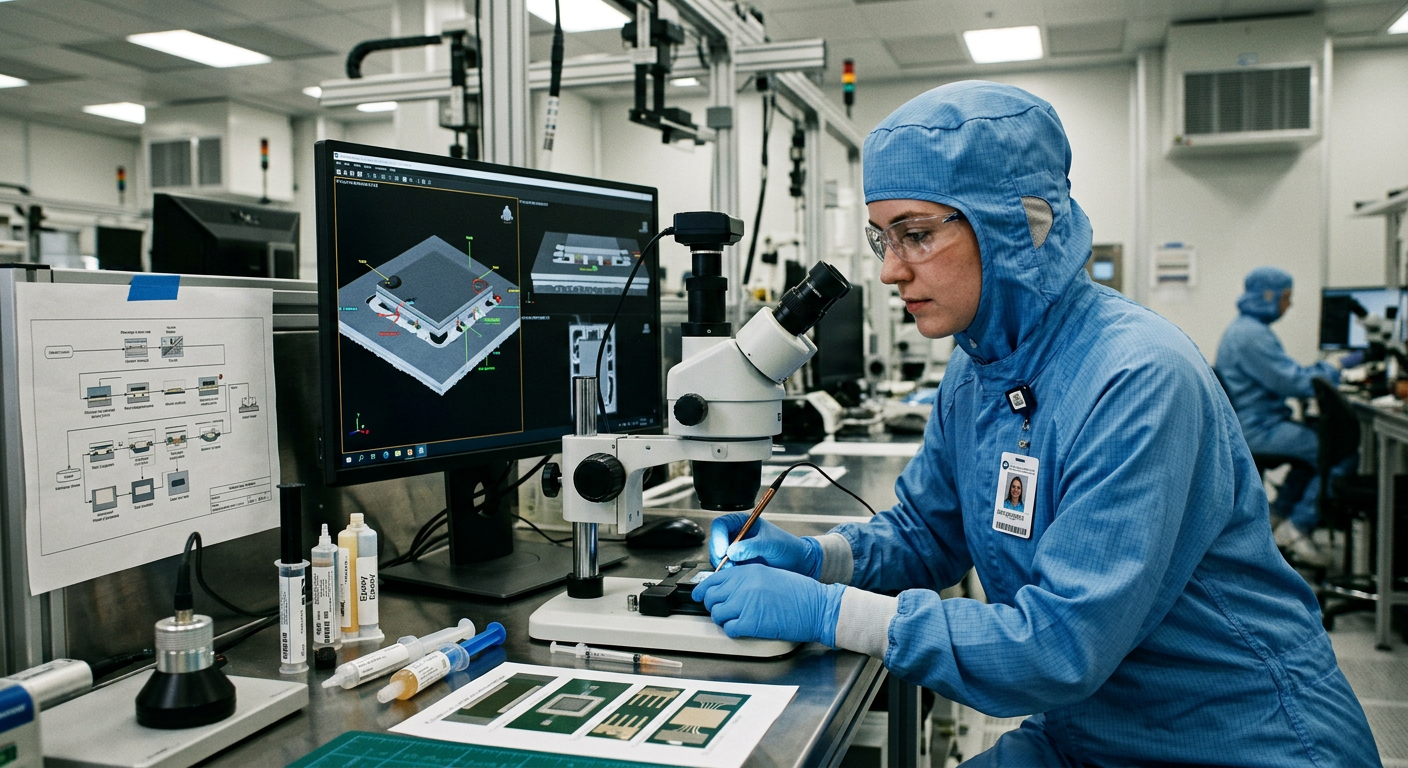
IC Packaging Adhesive: Preventing Void Formation Issues
Learn how IC packaging adhesive void formation is prevented in the United States through material choice, process control, supplier selection, and testing.
-
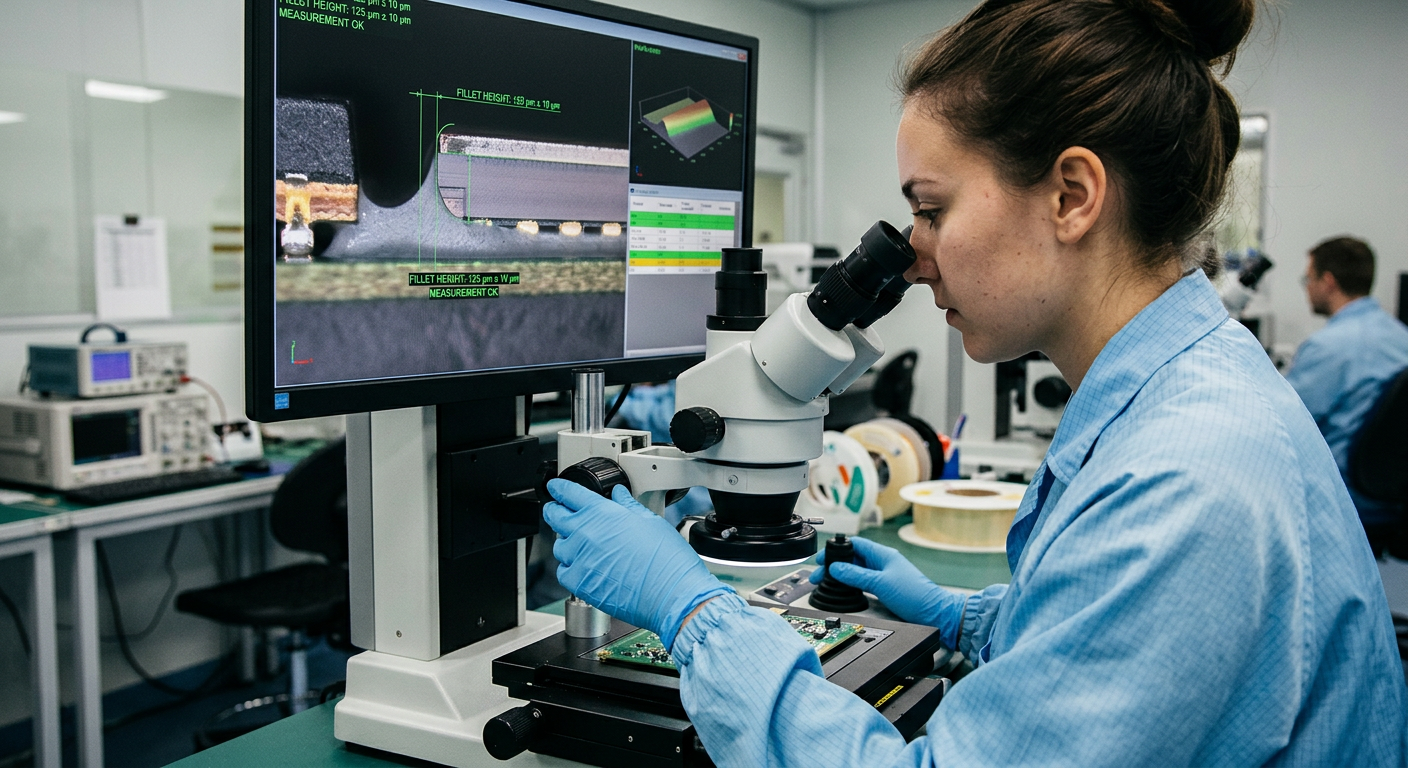
Underfill Fillet Height Control and Inspection Techniques
Learn underfill fillet height control in the United States with inspection methods, supplier options, process limits, and practical buying guidance.
-
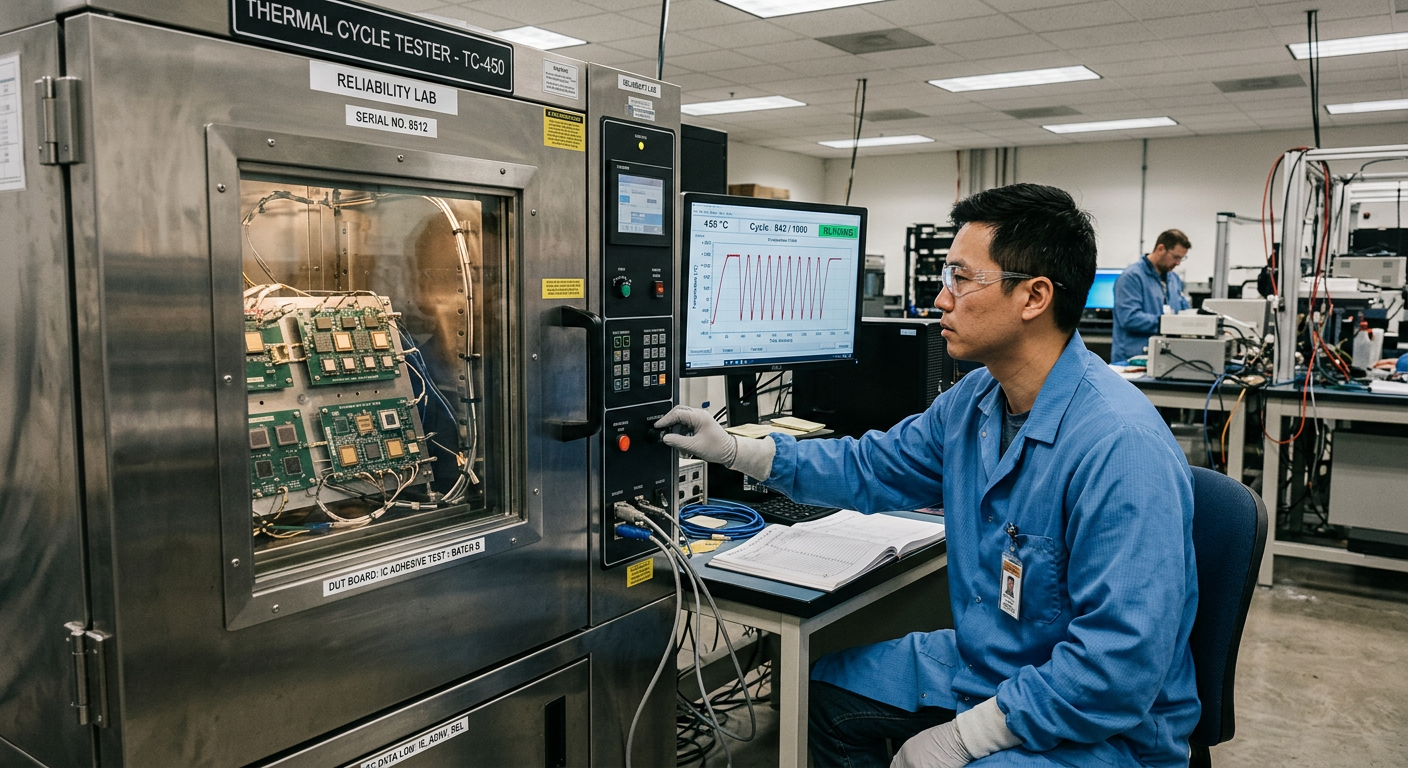
IC Package Adhesive Thermal Cycling Reliability Testing
IC packaging adhesive thermal cycling in the United States requires reliable material selection, supplier review, and test planning for electronics durability.
-

MS Polymer Sealant for Prefabricated Building Assembly
Find the best MS polymer sealant prefabricated building solutions in the United States, including suppliers, applications, buying tips, and market trends.
 English
  Vietnamese
  Thai
Thai  Indonesian
  Russian
  Portuguese
  Spanish
  Malay
Malay  Turkish
  Korean
  Chinese