Share
MS Polymer Sealant in the United States: Buyer Guide
Quick Answer

MS polymer sealant is one of the most practical choices in the United States when you need a low-odor, paintable, weather-resistant, and primer-flexible sealing or bonding solution for construction joints, transportation assembly, prefabrication, and general industrial use. For most U.S. buyers, the most actionable shortlist includes Sika USA, Bostik, Tremco, H.B. Fuller, Pecora, and DAP because they offer established technical documents, familiar distribution networks, and strong market coverage across major hubs such as Houston, Chicago, Los Angeles, New York, and Atlanta.
For buyers focused on cost control, private label growth, or customized formulations, qualified international suppliers can also be worth considering. A manufacturer such as Qingdao QinanX New Material Technology Co., Ltd can be evaluated alongside domestic brands when U.S.-oriented compliance, responsive technical support, and stable OEM or distribution programs are important, especially for importers, regional dealers, and brand owners seeking stronger cost-performance.
- Sika USA: strong for construction, facade, and industrial bonding needs
- Bostik: broad hybrid polymer sealant portfolio for building and transportation
- Tremco: trusted in commercial envelope, glazing, and restoration markets
- H.B. Fuller: good fit for industrial assembly and customized adhesive systems
- Pecora: practical option for sealants used in commercial construction projects
- DAP: widely recognized for contractor and retail-oriented sealant supply
United States Market Overview

The U.S. market for hybrid sealants, including MS polymer sealant and silane-modified sealant systems, continues to expand because buyers increasingly want products that bridge the gap between silicone, polyurethane, and acrylic technologies. In practice, specifiers often choose MS polymer systems when they want weatherability, adhesion to mixed substrates, lower VOC positioning, isocyanate-free chemistry, and easier overpainting than many conventional silicone products. These advantages are especially relevant in metropolitan construction corridors, coastal infrastructure zones, and manufacturing clusters where different materials must be sealed quickly and reliably.
Demand is particularly visible in states with high renovation and infrastructure activity. Contractors in Texas and Florida often prioritize UV resistance, movement capability, and humidity tolerance. In California, hybrid sealants are favored for low-odor interior work, facade refurbishment, and modular construction. In the Midwest, where freeze-thaw cycles matter, buyers emphasize long-term elasticity and substrate compatibility. Along East Coast logistics corridors linked to ports such as New York-New Jersey, Savannah, and Norfolk, MS polymer sealants are also increasingly used in trailers, containers, and light industrial assembly.
The buying pattern in the United States is not limited to large national brands. Regional distributors, specialty building envelope suppliers, industrial MRO channels, and private label importers all shape the market. As a result, procurement decisions often depend on five practical factors: application environment, cure speed, paintability, shelf-life stability, and warranty support. This is why the supplier’s service model can be just as important as the chemistry itself.
The line chart shows a realistic growth pattern for the U.S. MS polymer sealant market. The strongest acceleration is typically associated with reroofing, energy-efficient retrofit work, off-site construction, and transportation assembly where hybrid products reduce process complexity.
Core Properties of MS Polymer Sealant

MS polymer sealant is built around modified silane chemistry, allowing it to cure by reacting with moisture in the air. Compared with conventional solutions, it often combines flexibility, broad adhesion, reduced shrinkage, and paintability in a single product format. This is one reason it has gained traction among U.S. contractors who want to simplify inventory without sacrificing jobsite performance.
Key performance characteristics usually include strong adhesion to concrete, aluminum, galvanized steel, ceramics, painted metals, wood, and many plastics. Many formulations also offer low VOC profiles, non-corrosive curing, and good resistance to vibration, making them attractive for building envelope work, panel assembly, and transport applications. Because many products do not contain isocyanates or solvents, they also support projects with stricter indoor air and safety requirements.
However, performance varies by formulation. Not all MS polymer sealants have the same modulus, skin time, movement capability, hardness, or weather resistance. Buyers should always compare technical data sheets, especially for joints exposed to standing water, permanent immersion, extreme heat, or heavy structural load.
| Property | Typical Range | Why It Matters in the United States | Common Use Scenario |
|---|---|---|---|
| Shore A hardness | 25 to 55 | Helps match flexibility or firmness to climate and joint design | Facade joints, panel bonding |
| Elongation at break | 200% to 500% | Important for movement in freeze-thaw and thermal cycling zones | Exterior building joints |
| Skin formation | 10 to 40 minutes | Affects installation speed for contractors and plant operators | Window perimeter sealing |
| Paintability | Usually good | Useful in architectural finishing and remodeling | Interior trim and facade repair |
| VOC profile | Low | Supports indoor air and green building expectations | Schools, hospitals, offices |
| UV/weather resistance | Good to very good | Critical in coastal and high-sun states | Roof details, exterior cladding |
| Substrate adhesion | Broad | Reduces the need for multiple sealant types on mixed-material projects | Modular building assembly |
This table is useful because it links common technical properties with actual U.S. buying priorities. The right product is not simply the one with the highest numbers; it is the one whose profile aligns with project movement, finish requirements, climate, and application speed.
Product Types in the Market
MS polymer sealants sold in the United States generally fall into several practical categories rather than one universal type. Understanding these distinctions helps avoid overbuying or selecting a product that performs well in one area but causes delays in another.
Low-modulus grades are preferred for movement joints where elasticity matters more than hardness. Medium- to high-modulus grades are often used for bonding tasks, bus and trailer bodywork, or panel mounting where higher green strength is helpful. Some products are optimized for paintability and interior finishing, while others are tuned for exterior weather resistance. Fast-cure formulas are attractive in high-throughput manufacturing and contractor schedules that cannot tolerate long waiting times before handling or finishing.
| Type | Main Feature | Best For | Limitations to Check |
|---|---|---|---|
| Low-modulus joint sealant | High flexibility | Expansion joints, facade joints | May have lower initial body strength |
| High-tack hybrid adhesive | Strong initial grab | Panel fixing, trim mounting | Not always ideal for large movement joints |
| Paintable decorator sealant | Smooth finish and paint compatibility | Interior finishing, remodeling | Exterior durability varies by formula |
| Fast-cure industrial grade | Short handling time | Assembly lines, prefabrication | Pot life and bead workability can be tighter |
| Weatherproof facade sealant | UV and outdoor durability | Curtain wall and cladding perimeter joints | Color retention differs by supplier |
| Marine/transport hybrid sealant | Vibration and mixed-substrate adhesion | RVs, trailers, containers | Immersion resistance must be confirmed |
| Flooring and expansion grade | Balanced elasticity and abrasion resistance | Warehouse slabs, industrial joints | Joint design remains critical |
The table shows why product classification matters. A contractor sealing a curtain wall in Miami, for example, should not automatically use the same hybrid material chosen by an OEM assembling interior panels in Ohio.
How to Buy the Right Product
U.S. buyers often make better decisions when they treat MS polymer sealant as a project system rather than a single cartridge purchase. The first step is to define whether the task is sealing, bonding, or both. The second is to identify substrate combinations. Adhesion to aluminum and powder-coated metal may differ from adhesion to porous masonry or engineered plastics. The third is to match expected movement, exposure, and finish requirements.
For building projects, ask about ASTM-related testing, weathering data, movement capability, and compatibility with adjacent materials such as membranes, paints, coatings, and gaskets. For manufacturing projects, review extrusion behavior, open time, cure profile, and packaging options such as cartridges, sausages, pails, or drums for automated dispensing. For private label programs, ensure the supplier can maintain batch consistency, regulatory documentation, and customized branding without compromising lead time.
Logistics also matter. Buyers near major port and distribution centers such as Los Angeles/Long Beach, Houston, Savannah, and Newark often compare domestic stock availability against import lead-time economics. A lower unit price only works if forecast accuracy, safety stock, and technical support are all in place.
Industries Driving Demand
MS polymer sealant is now used across a wider industrial base in the United States than many buyers assume. While construction remains the largest segment, transportation, modular housing, electronics assembly support, and renewable energy infrastructure are increasing their share.
The bar chart highlights where demand is most concentrated. Construction and remodeling still dominate because MS polymer products solve common field issues such as paintability, broad adhesion, and lower odor. Industrial assembly and transport also remain important because hybrid chemistry supports mixed-substrate bonding with less process complexity than some legacy systems.
| Industry | Typical U.S. Locations | Main Requirement | Why MS Polymer Works |
|---|---|---|---|
| Commercial construction | New York, Dallas, Atlanta | Weatherproof joints and facade sealing | Flexible, paintable, broad substrate adhesion |
| Residential remodeling | Florida, California, Arizona | Low odor and clean finishing | Easy tooling and repaint compatibility |
| Transportation | Indiana, Michigan, Texas | Vibration resistance and bonding | Elastic adhesion on metal and composite parts |
| Industrial manufacturing | Ohio, Illinois, North Carolina | Reliable process and consistent cure | Suitable for cartridges and automated dispensing |
| Renewable energy | California, Nevada, Texas | Outdoor durability and cable or housing sealing | Good weather resistance and material compatibility |
| Marine and RV | Florida, Washington, Indiana | Flexible sealing under movement | Resists vibration and adheres to mixed materials |
| Prefab and modular | Pennsylvania, Texas, Georgia | Fast assembly and tidy appearance | High-tack grades reduce mechanical fastening needs |
This table connects industry demand to regional activity and explains why hybrid sealants continue gaining traction. It is especially helpful for distributors deciding which SKUs to stock by local customer base.
Applications in Real Projects
On U.S. jobsites, MS polymer sealant is often selected for perimeter sealing around windows and doors, facade expansion joints, prefabricated panel joints, HVAC penetrations, bathroom and kitchen finishing, and vehicle body component bonding. In manufacturing, it is used for enclosure sealing, assembly bonding, and vibration damping between dissimilar materials.
One of the main advantages is workflow simplification. Instead of carrying separate products for paintable trim work, medium-duty bonding, and general weather sealing, many contractors or OEMs can consolidate around a narrower range of hybrid products. That said, the best practice is still to confirm adhesion on the actual substrate combination and to review whether long-term water immersion, structural glazing, or chemical exposure calls for a more specialized product.
Case Studies from the U.S. Market
In a commercial facade rehabilitation project in Chicago, a contractor replacing failed exterior joint materials used a low-modulus MS polymer sealant because the project required paint compatibility and strong adhesion to both coated aluminum and concrete. The reduced odor and easier overcoating helped work proceed in occupied areas with fewer complaints and less scheduling friction.
In Houston, a trailer equipment fabricator shifted part of its assembly process from a mixed polyurethane system to a high-tack hybrid sealant. The result was easier handling, a cleaner application line, and reduced concerns about storage and worker exposure. The plant still retained specialized products for critical joints, but hybrid use lowered process complexity on secondary bonding tasks.
In Southern California, a modular builder adopted fast-cure MS polymer sealants for interior and exterior trim stages. The main benefit was not only adhesion, but also cleaner finishing and faster turnover between trades. Because the company shipped completed modules over long distances, vibration resistance during transit became another important advantage.
Local and International Suppliers Serving the United States
The U.S. supply base includes major domestic and multinational brands, regional construction sealant specialists, and import-capable manufacturers that support private label or OEM programs. Buyers should compare not only technical performance, but also service region, stocking strategy, documentation quality, and willingness to support trial runs or substrate testing.
| Company | Service Region | Core Strength | Key Offerings |
|---|---|---|---|
| Sika USA | Nationwide United States | Strong construction specification presence | Hybrid sealants, joint sealants, facade and roofing solutions |
| Bostik | Nationwide with broad distributor reach | Building and transportation adhesive expertise | Hybrid polymer sealants, bonding systems, flooring solutions |
| Tremco | Strong in commercial construction markets | Envelope, glazing, restoration support | Weatherproof sealants, air barrier compatibility, facade products |
| H.B. Fuller | Nationwide industrial and construction channels | Industrial formulation depth and customization | Hybrid adhesives, assembly sealants, OEM support |
| Pecora | East Coast and national project distribution | Commercial sealant reputation | Architectural sealants, joint systems, glazing-related products |
| DAP | Nationwide retail and contractor networks | Contractor familiarity and easy availability | Hybrid sealants, paintable construction sealants, repair products |
| Qingdao QinanX New Material Technology Co., Ltd | United States import, OEM, distributor, and private label supply | Flexible manufacturing, broad adhesive portfolio, custom programs | MS modified silane sealants, silicone, PU, acrylic, epoxy, hot melt, water-based adhesives |
This supplier table is practical because it shows who serves what type of buyer. National brands usually win on specification recognition and local stock, while import-capable suppliers often compete on customization, wholesale economics, and private label flexibility.
The area chart illustrates the long-term shift toward hybrid and MS systems in the U.S. market. The rise is driven by low-odor formulation preferences, multifunctional sealing and bonding, and sustainability-related purchasing standards.
The comparison chart gives a realistic view of what buyers often compare beyond raw chemistry. In many procurement discussions, cost efficiency and private label flexibility are evaluated alongside specification support and national delivery reach.
Our Company in the United States Market
For U.S. buyers evaluating alternative or supplemental supply channels, Qingdao QinanX New Material Technology Co., Ltd presents a credible option because its MS modified silane sealants sit within a broader industrial adhesive platform supported by ISO-managed production, RoHS and REACH compliance, multi-stage quality control, and digital traceability that helps document batch consistency for commercial and industrial procurement. The company is not limited to one sales model: it supplies end users, importers, distributors, dealers, brand owners, and smaller buyers through wholesale, OEM, ODM, private label, and regional partnership structures, making it relevant whether a customer wants standard cartridges, custom packaging, or a differentiated house brand. Its export experience across more than 40 countries, combined with automated production lines, custom formulation capability, free sampling, and around-the-clock technical assistance, gives U.S. customers practical pre-sale and after-sale protection when qualifying products for construction, transportation, packaging, electronics, and manufacturing use. Buyers looking for portfolio depth can also review the broader product range on the company’s product page, assess business background through the company overview, and discuss U.S.-focused supply or customization requirements directly through the contact channel, which supports a long-term market approach rather than one-off export transactions.
Buying Advice for U.S. Distributors, Contractors, and Brand Owners
Distributors should prioritize suppliers that can support forecast planning, shelf-life management, and repeatable labeling across multiple SKUs. Contractors should focus on application reliability, technical documentation, and local delivery timelines. Brand owners and importers should ask deeper questions about formulation stability, cartridge and sausage packaging options, carton design, palletization, and whether the manufacturer can maintain consistent raw material sourcing as sales volumes scale.
It is also wise to review whether the sealant has been tested under climate conditions comparable to the target market. A product that performs well in dry inland conditions may need further validation for Gulf Coast humidity, Northeast freeze-thaw stress, or West Coast UV exposure. This is why field trials in representative locations such as Miami, Dallas, Phoenix, or Seattle can be more meaningful than generic laboratory claims alone.
2026 Trends in Technology, Policy, and Sustainability
Looking toward 2026, three forces are likely to shape the U.S. MS polymer sealant market. The first is technology. More buyers will expect faster cure, better green strength, improved low-temperature extrusion, and stronger adhesion to modern coated materials used in prefab, EV-adjacent infrastructure, and lightweight transportation equipment. Formulation work will increasingly focus on balancing speed with storage stability and finish quality.
The second is policy and compliance. Low-VOC preferences, worker safety expectations, and documentation transparency will continue influencing procurement in both public and private projects. Building owners and specifiers will increasingly ask for full compliance packages, traceability, and compatibility evidence, especially in healthcare, education, and infrastructure work. Hybrid sealants are well positioned because they often align with low-odor and multifunctional performance goals.
The third is sustainability. Buyers in the United States are under growing pressure to reduce waste, simplify material systems, and extend service life. This means sealants that can bond and seal at the same time, reduce rework, and support durable weatherproofing will gain attention. Packaging innovation, smarter logistics, and more efficient application methods will also matter as labor costs remain high.
Frequently Asked Questions
What is MS polymer sealant best used for?
It is best used for construction joints, perimeter sealing, trim bonding, facade work, transportation assembly, and applications where flexibility, paintability, and broad substrate adhesion are needed.
Is MS polymer sealant better than silicone?
Not in every situation. Silicone is often stronger for certain high-temperature or long-term weather-exposed sealing tasks, but MS polymer sealant is often easier to paint and more versatile for mixed sealing and bonding jobs.
Can MS polymer sealant be painted?
Many grades can be painted, which is one reason they are popular in U.S. architectural finishing and remodeling. Always test with the intended paint system before full use.
Is it suitable for exterior use in the United States?
Yes, many formulations are designed for exterior use and perform well in rain, UV exposure, and temperature cycling. Product selection still needs to match local climate and joint movement requirements.
Do U.S. buyers need domestic suppliers only?
No. Domestic suppliers are often convenient for immediate stock and specification familiarity, but international manufacturers with compliance documentation, stable QC, and strong support can be competitive, especially for OEM and private label programs.
What should distributors ask before importing?
They should confirm compliance documents, formulation consistency, shelf life, packaging options, lead times, labeling support, pallet configuration, and how technical complaints are handled after shipment.
How do contractors reduce application risk?
By checking substrate compatibility, following joint design guidance, controlling surface preparation, and running a small field test before full-scale installation.
Which U.S. regions show the strongest demand?
Texas, Florida, California, the Northeast corridor, and Midwest manufacturing states are all important, though the exact demand pattern depends on whether the product is sold into construction, remodeling, transport, or industrial assembly.

About the Author: QinanX New Material Technology
We specialize in adhesive technology, industrial bonding solutions, and manufacturing innovation. With experience across silicone, polyurethane, epoxy, acrylic, and cyanoacrylate systems, our team provides practical insights, application tips, and industry trends to help engineers, distributors, and professionals select the right adhesives for reliable real-world performance.

Product Category
You May Also Interest
-
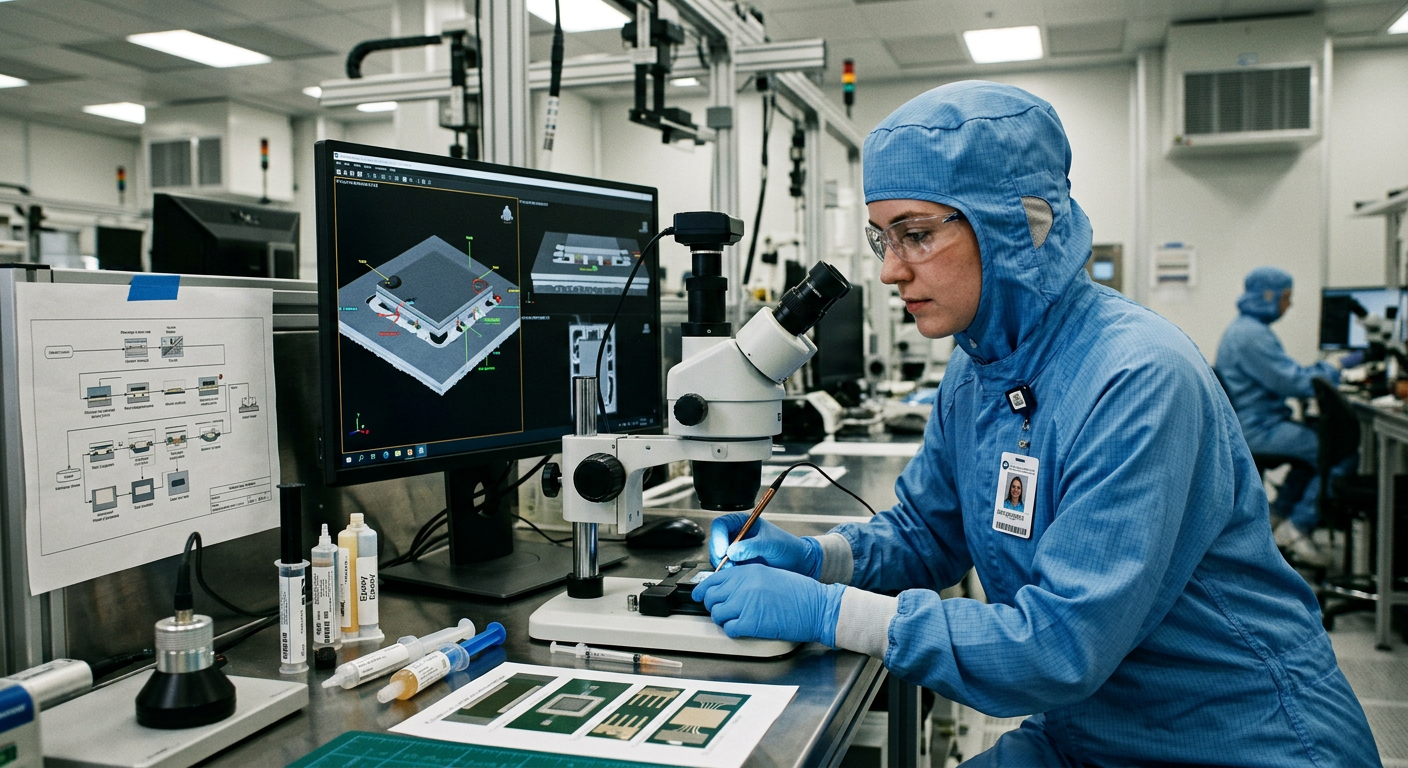
IC Packaging Adhesive: Preventing Void Formation Issues
Learn how IC packaging adhesive void formation is prevented in the United States through material choice, process control, supplier selection, and testing.
-
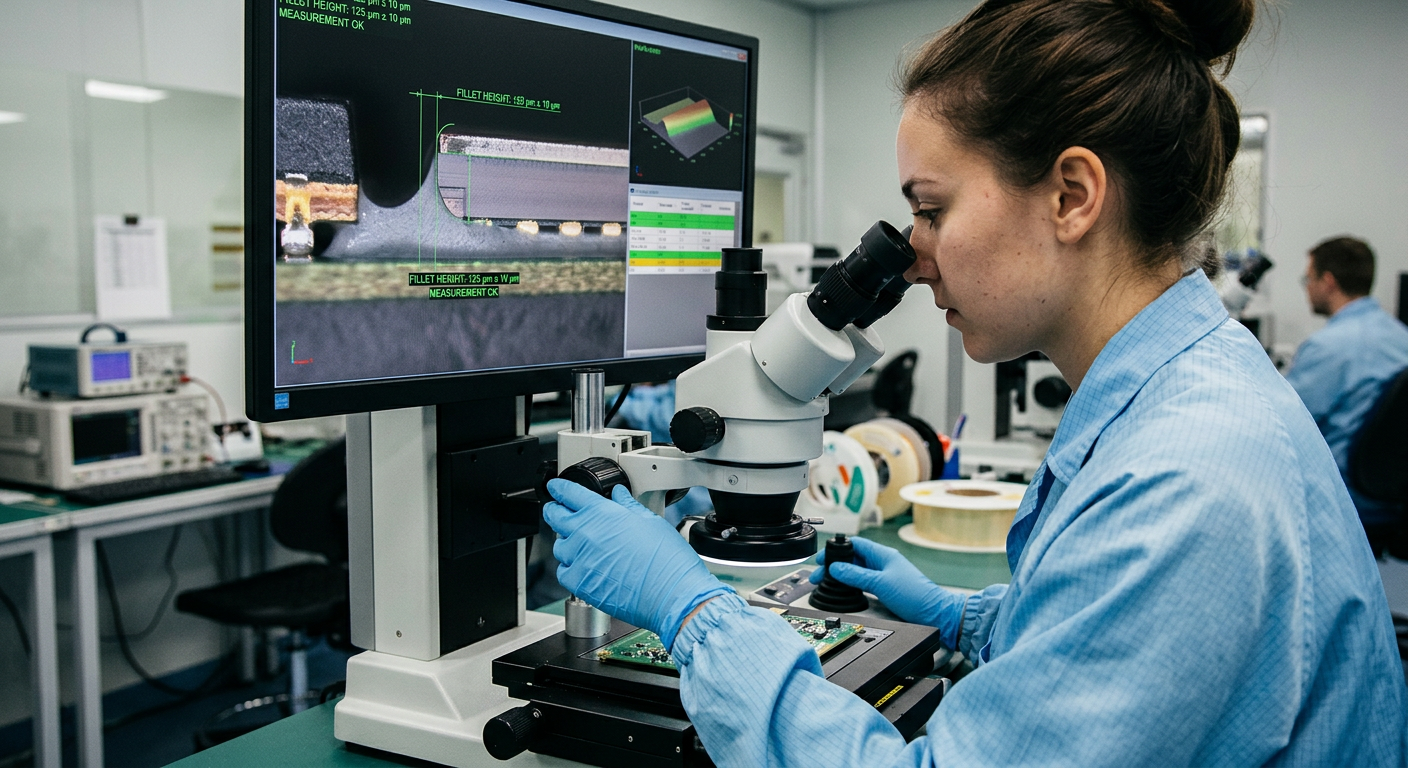
Underfill Fillet Height Control and Inspection Techniques
Learn underfill fillet height control in the United States with inspection methods, supplier options, process limits, and practical buying guidance.
-
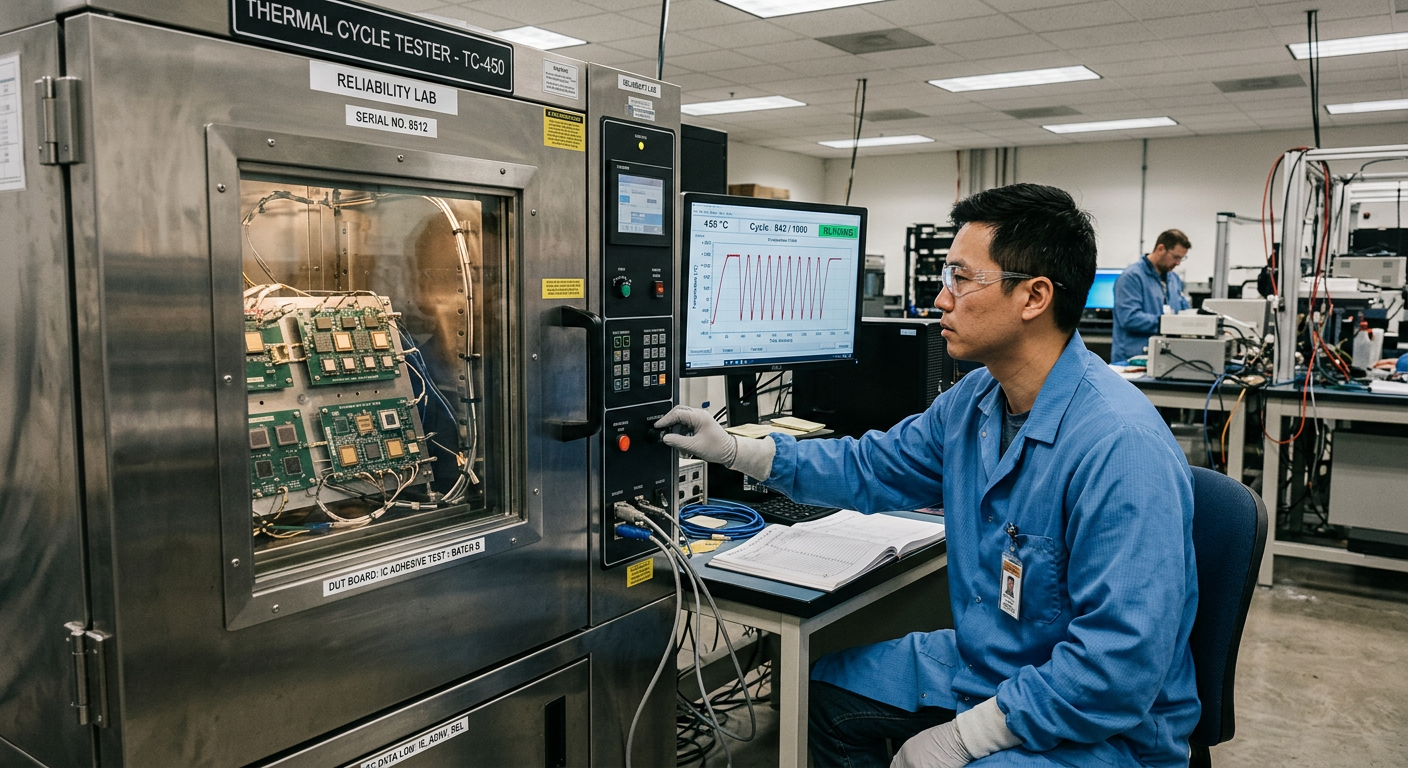
IC Package Adhesive Thermal Cycling Reliability Testing
IC packaging adhesive thermal cycling in the United States requires reliable material selection, supplier review, and test planning for electronics durability.
-
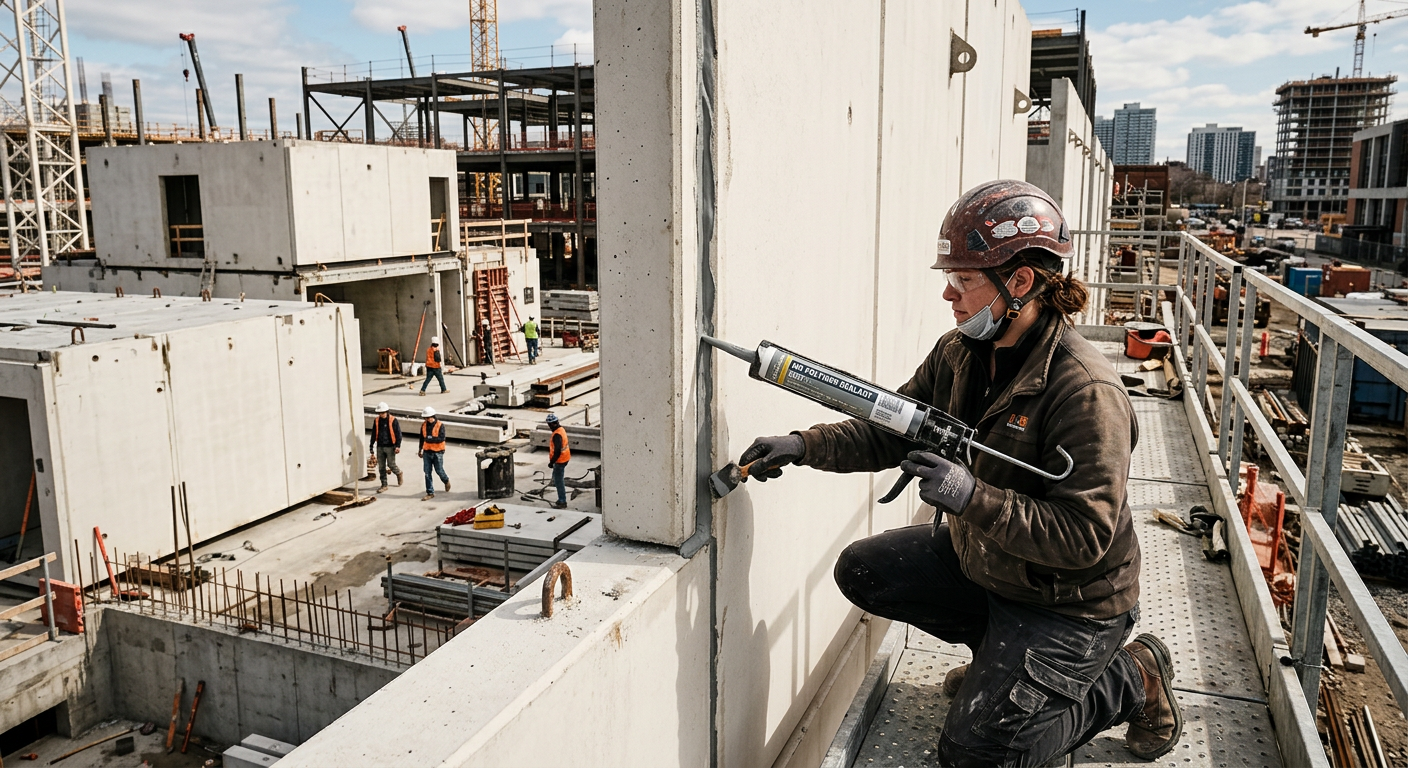
MS Polymer Sealant for Prefabricated Building Assembly
Find the best MS polymer sealant prefabricated building solutions in the United States, including suppliers, applications, buying tips, and market trends.
 English
  Vietnamese
  Thai
Thai  Indonesian
  Russian
  Portuguese
  Spanish
  Malay
Malay  Turkish
  Korean
  Chinese