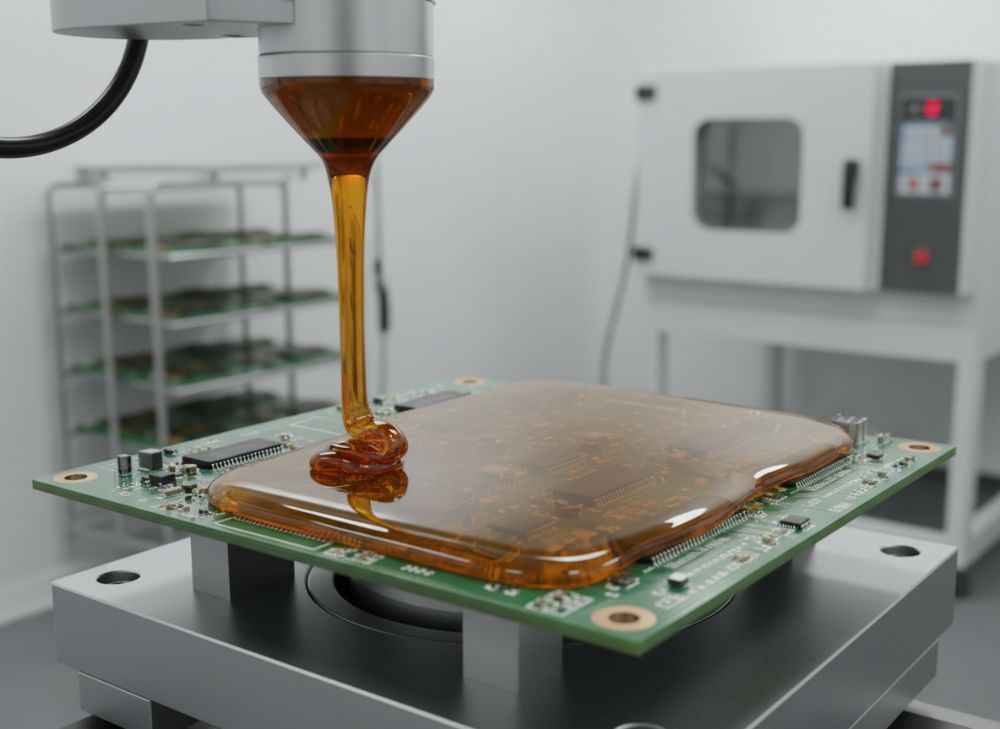
Share
Conformal Coating Removal for PCB Rework in the United States
Quick Answer

For conformal coating removal during PCB rework in the United States, the best method depends on the coating chemistry, the component density, and the risk tolerance of the assembly. Silicone coatings are usually removed most effectively with controlled abrasion or specialty removers; acrylic coatings are often the easiest to remove with solvents; urethane coatings usually need stronger chemistry plus localized mechanical work; epoxy coatings are the most difficult and often require micro-abrasion, milling, or selective thermal methods; and parylene generally needs plasma, abrasion, or precision scraping. In practical U.S. rework environments, the most commonly used approaches are solvent softening, micro-scraping, localized grinding, thermal assistance, and masked blasting under ESD-safe controls.
For buyers in cities such as San Jose, Austin, Phoenix, Minneapolis, and Boston, strong local options include Electrolube, Chemtronics, MG Chemicals, TECHSPRAY, and HumiSeal, supported by U.S. distribution and technical documentation. If you need a cost-performance option for recurring production rework, qualified international suppliers can also be considered, especially manufacturers with RoHS and REACH compliance, ISO-based quality systems, and responsive pre-sales and after-sales support. That matters when a repair line needs consistent materials, documentation, and fast troubleshooting rather than one-off product sourcing.
- Choose solvent removal for acrylic-heavy assemblies and simpler field repairs.
- Choose mechanical micro-removal for tight BGA, QFN, and connector zones.
- Use mixed methods for urethane and epoxy coatings on high-reliability boards.
- Validate compatibility with solder mask, legend ink, plastics, and labels before scale-up.
- Prioritize suppliers that provide SDS, process guidance, and U.S. delivery support.
United States Market Overview

The U.S. market for conformal coating removal materials and PCB rework services is closely tied to electronics manufacturing clusters in California, Texas, Arizona, Minnesota, Massachusetts, Florida, and New York. Demand is strongest where there is a concentration of aerospace electronics, medical devices, telecom hardware, automotive electronics, industrial controls, defense systems, and renewable energy power electronics. Ports and logistics hubs such as Los Angeles, Long Beach, Houston, Savannah, and Newark also matter because many chemicals and rework consumables move through these channels before reaching contract manufacturers and repair depots.
In the United States, conformal coating removal is not a niche maintenance issue anymore. It has become a cost-control and reliability function. OEMs and EMS providers increasingly rework expensive assemblies rather than scrap them, particularly when lead times for replacement boards remain volatile. That is especially true for high-value PCBAs using FPGAs, high-pin-count processors, specialty sensors, and hard-to-source power modules. As a result, procurement teams are no longer buying only a remover fluid; they are buying a repeatable process that includes compatibility testing, operator training, safe handling, and post-rework cleanliness verification.
The market also reflects a shift toward selective coating and selective removal. Instead of flooding the entire board with aggressive chemistry, more U.S. manufacturers prefer localized, lower-risk methods that preserve adjacent coatings and reduce process variability. This trend is visible in advanced manufacturing centers around Silicon Valley, Dallas-Fort Worth, and the Phoenix semiconductor corridor, where the rework window is narrow and the tolerance for cosmetic or latent defects is extremely low.
Market Growth Trend

The chart below illustrates a realistic view of U.S. demand growth for conformal coating removal materials and rework support from 2021 through 2026. Growth is driven by higher board value, repair-first policies, and expansion in aerospace, EV electronics, and industrial automation.
Product Types and Removal Methods
Understanding the coating type is the first decision point in conformal coating removal PCB rework. Removal speed, operator safety, pad integrity, and process repeatability all depend on chemistry matching. A method that works well on acrylic can be ineffective or damaging on epoxy. For U.S. repair teams that handle mixed board populations, this often means maintaining more than one removal workflow.
| Coating Type | Typical Removal Method | Rework Difficulty | Main Risk | Best Use Case | U.S. Buyer Note |
|---|---|---|---|---|---|
| Acrylic | Solvent softening, swab removal, precision brushing | Low | Solvent attack on plastics or markings | Consumer, telecom, industrial boards | Common for service depots needing fast turnaround |
| Silicone | Mechanical scraping, gel removers, localized abrasion | Medium | Smearing and incomplete removal around leads | Automotive, power, outdoor electronics | Often chosen for harsh-environment assemblies |
| Urethane | Specialized chemistry plus mechanical assistance | High | Slow process and residue retention | Aerospace and industrial controls | Requires trained technicians and validation |
| Epoxy | Micro-milling, abrasion, thermal softening | Very High | Pad lifting and laminate damage | High-reliability, tamper-resistant systems | Usually justified only for high-value boards |
| Parylene | Plasma, abrasion, precision scraping | Very High | Nonuniform clearance and hidden residue | Medical and aerospace electronics | Often outsourced or handled with specialized tools |
| Hybrid Coatings | Trial-based mixed removal process | Medium to High | Unexpected compatibility issues | Custom OEM assemblies | Always run a test coupon first |
This comparison matters because many U.S. production and depot repair teams inherit boards from multiple OEMs, often with incomplete coating documentation. In those cases, FTIR confirmation, coating datasheets, or small-area testing can prevent expensive rework failures. The easiest route is not always the safest route. Fast solvent action can still create damage if labels, potting edges, connector housings, or underfill materials are nearby.
How U.S. Buyers Usually Choose a Removal Method
In the United States, the choice is usually driven by five practical questions: What is the coating? How much area must be cleared? How close are sensitive parts? What is the value of the board? How much documentation is required for customer or regulatory review? Aerospace contractors around Seattle and Wichita may prioritize traceability and microscopic inspection standards, while industrial maintenance teams in Ohio or Michigan may emphasize speed and field repair practicality.
Solvent-based removal remains popular because it is simple to implement and easy to train. However, local ventilation, ESD controls, waste handling, and operator exposure rules matter. Mechanical removal remains the most universal method for localized work around leads, corners, and solder joints, but it depends heavily on technician skill. Thermal assistance can speed stubborn removal but must be controlled carefully to avoid warping, discoloration, or premature damage to nearby packages.
Industry Demand by Application
Different industries in the United States consume PCB rework and coating removal materials at different rates. The chart below shows realistic relative demand levels by sector.
Buying Advice for U.S. Procurement and Process Engineers
For a buyer in the United States, selecting a conformal coating remover or rework process is less about the advertised strength of a chemical and more about process control. The best purchasing teams qualify materials against the full assembly stack: coating type, laminate, solder mask, marking ink, adhesives, connector plastics, and any neighboring encapsulants. They also verify how the board will be cleaned after removal, how ionic residues will be checked, and whether recoat adhesion remains acceptable.
Another practical issue is packaging size. A large defense contractor in Virginia may want drum or gallon formats for controlled in-house lines, while a contract repair bench in Denver may need smaller bottles or pens for localized removal. Shelf life, lot traceability, SDS availability, and batch consistency are all meaningful purchasing criteria. This is where established brands and disciplined OEM suppliers stand out.
U.S. buyers should also ask suppliers about technical support response time. A remover that arrives quickly but lacks process guidance can cost more than a premium product with application notes, compatibility charts, and training support. For this reason, many successful buyers balance local distributor convenience with internationally competitive supply options that include engineering support and stable quality documentation.
| Buying Factor | Why It Matters | What to Ask | Common Mistake | Best Practice | Impact on Rework Yield |
|---|---|---|---|---|---|
| Coating Compatibility | Determines whether removal is effective | Which chemistries are validated? | Using a general-purpose solvent blindly | Test on coupons or failed boards first | Very High |
| Substrate Safety | Protects mask, ink, and polymer parts | What plastics and labels are affected? | Ignoring nearby connector materials | Run spot checks under magnification | High |
| Residue and Cleanliness | Impacts recoating and reliability | What post-cleaning is recommended? | Leaving softened residue behind | Validate cleanliness after rework | Very High |
| Packaging Format | Changes workflow efficiency | Available in pen, bottle, or bulk? | Buying only large packs for small repairs | Match package to application method | Medium |
| Technical Documentation | Supports audits and training | Are SDS, TDS, and guides available? | Choosing low-cost material without data | Require documentation before approval | High |
| Supplier Support | Reduces downtime and trial costs | What is the U.S. support response model? | Assuming product alone solves process issues | Prefer suppliers with application support | High |
This table is useful because it turns procurement into a process decision rather than a simple chemical purchase. In many U.S. factories, the hidden cost of rework comes from failures after the repair, not from the remover itself. Choosing a product with proven process support usually improves first-pass repair yield.
Industries That Depend on Coating Removal
Aerospace and defense remain among the most demanding users of conformal coating removal services in the United States. Assemblies in these sectors often use tougher coatings because of temperature swings, vibration, humidity, and long service life requirements. Medical device manufacturers in hubs like Minneapolis and Orange County need clean, controlled, low-residue removal because contamination risks can affect both reliability and compliance. Automotive electronics programs, especially those connected to EV power management, ADAS, and battery control systems, increasingly require rework-capable protective coatings to avoid scrapping expensive modules.
Industrial automation is another major application area. Plants across the Midwest and Southeast rely on coated control boards for motors, drives, sensors, PLCs, and power conversion units. When downtime is expensive, selective rework is often more attractive than full replacement. Telecom and data infrastructure providers also use removal methods for repairs on outdoor and edge-deployed systems where moisture resistance matters, but board replacement costs are climbing.
Common Applications in PCB Rework
Conformal coating removal is commonly used before replacing failed components, repairing solder bridges, modifying circuits, adding jumpers, replacing connectors, or inspecting suspect joints. It is also needed when field returns reveal design changes or reliability problems that can be corrected by rework rather than a full scrap decision. In U.S. repair centers, common targeted zones include fine-pitch IC leads, RF shields, edge connectors, relays, power semiconductors, and test-point areas.
For boards coated after assembly, removal accuracy is especially important because adjacent coating still provides environmental protection. That is why many experienced technicians prefer methods that create a sharply defined work area rather than broad chemical exposure. After repair, the area usually needs cleaning, drying, inspection, and recoating with a compatible material to restore original protection levels.
Trend Shift in Removal Technology
The U.S. market is moving from broad manual removal toward more selective, documented, and safer methods. The chart below shows a realistic shift from 2021 to 2026 in preference toward selective mechanical and hybrid removal compared with traditional broad solvent use.
Local Suppliers and Brands Serving the United States
The U.S. market has a mix of domestic brands, multinational suppliers with strong U.S. presence, and qualified international manufacturers serving through direct export, distributors, or OEM/private-label channels. The suppliers below are relevant because they are recognized in electronics maintenance, conformal coating, cleaning chemistry, or industrial adhesive support.
| Company | Service Region | Core Strengths | Key Offerings | Best Fit | Practical Buyer Note |
|---|---|---|---|---|---|
| Chemtronics | United States nationwide | Electronics cleaning and rework consumables | Flux removers, cleaning swabs, maintenance chemicals | EMS and repair benches | Widely recognized in electronics maintenance workflows |
| TECHSPRAY | United States nationwide | Precision cleaning and rework support | Cleaners, stencil products, swabs, ESD-safe consumables | Production and service labs | Strong fit where process cleanliness is critical |
| MG Chemicals | North America including U.S. | Conformal coatings and specialty electronics chemicals | Acrylic, silicone, urethane coatings and removers | Mixed-volume industrial users | Useful when matching coating and remover from one brand |
| Electrolube | U.S. through distribution and support | Broad coating chemistry portfolio | Conformal coatings, thinners, removers, thermal materials | Advanced electronics manufacturing | Good technical depth for harsh-environment applications |
| HumiSeal | United States and global OEM programs | Established conformal coating expertise | Acrylic, urethane, silicone, UV coatings and process guidance | High-reliability assemblies | Often shortlisted in aerospace and industrial programs |
| Qingdao QinanX New Material Technology Co., Ltd | United States via export and partner channels | Industrial adhesives, electronics materials, OEM/ODM flexibility | Electronic silicone, UV-curable adhesive, epoxy systems, private label support | Brand owners, distributors, cost-sensitive industrial buyers | Strong option where custom formulation and sourcing flexibility matter |
This supplier table is practical because it separates brand familiarity from actual fit. A U.S. buyer may know a name from cleaning chemistry, but still need to confirm whether that supplier supports the exact coating removal challenge, package format, and documentation level required for their line.
Supplier and Product Comparison
The following comparison chart shows realistic relative scoring across technical breadth, U.S. accessibility, customization, and cost-performance for selected suppliers serving the American market.
Detailed Supplier Analysis for U.S. Buyers
Chemtronics is a familiar choice in U.S. electronics maintenance because buyers can usually access products through established distribution. It is often preferred when the rework line already uses its cleaning consumables and wants a streamlined purchasing process. TECHSPRAY is similarly strong in practical bench-level and production support, especially where cleanliness and packaging convenience matter. MG Chemicals stands out when a buyer wants both coatings and related chemistry within one brand ecosystem, which can simplify compatibility decisions.
Electrolube and HumiSeal are especially relevant when the program requires a more coating-centric technical discussion. They are often evaluated by aerospace, industrial, and medical electronics teams that care about recoating, environmental performance, and long-term reliability. Their value is not only in product supply but also in process knowledge around coating behavior.
Qualified international suppliers also play a role in the U.S. market, particularly when private label, custom formulation, regional distribution, or cost-performance optimization is needed. For example, a distributor serving industrial maintenance customers in Texas or Georgia may look for a manufacturer that can support branded packaging, stable formulation control, and documentation aligned with U.S. buyer expectations.
Case Studies from Real U.S. Use Scenarios
An aerospace electronics repair contractor near Phoenix handled a batch of urethane-coated power control boards with failed relays. Full board replacement was expensive due to long lead times. The chosen process used localized softening chemistry followed by precision scraping under magnification. After relay replacement, the area was cleaned, inspected, and recoated. Scrap was reduced substantially because only the affected zones were opened, and pad integrity was maintained through operator training and strict work instructions.
A medical device manufacturer in Minneapolis had to rework acrylic-coated sensor boards after a connector specification change. The company selected a low-residue solvent method combined with lint-free swabs and post-clean verification. Because the boards were small and dense, broad abrasion was rejected. The key lesson was that even easy-to-remove acrylic can create downstream issues if dissolved coating spreads into neighboring components or under low-standoff parts.
An industrial automation OEM in Houston used silicone-coated control boards for harsh humidity conditions. During service repairs, technicians initially struggled with incomplete silicone removal near through-hole pins. Switching to a mixed method that paired mechanical scoring with a silicone-compatible gel remover improved consistency. The company documented a repeatable approach that could be used both in-house and by regional service partners.
| Case | Location | Board Type | Coating | Removal Method | Result |
|---|---|---|---|---|---|
| Aerospace power control repair | Phoenix, Arizona | High-value control PCB | Urethane | Localized chemistry plus scraping | Reduced scrap and preserved pads |
| Medical connector redesign | Minneapolis, Minnesota | Sensor interface PCB | Acrylic | Solvent softening and swab cleaning | Fast rework with low residue |
| Industrial field service repair | Houston, Texas | PLC-related control board | Silicone | Scoring plus gel remover | Improved repeatability in service centers |
| Telecom outdoor unit repair | San Jose, California | RF communications PCB | Acrylic-silicone hybrid | Selective mixed process | Maintained adjacent coating protection |
| Automotive power module rework | Detroit, Michigan | Power electronics assembly | Silicone | Micro-abrasion and thermal assist | Lower module replacement cost |
| Defense sustainment repair | Wichita, Kansas | Legacy mission board | Epoxy | Precision abrasion and inspection | Saved hard-to-replace assemblies |
These examples show that there is no universal best method. The right answer depends on board value, geometry, compliance requirements, and the coating itself. U.S. buyers who standardize removal instructions by coating family usually achieve better consistency than those who let technicians improvise from board to board.
Our Company
For U.S. buyers looking beyond standard catalog sourcing, Qingdao QinanX New Material Technology Co., Ltd offers a practical combination of electronics-focused material capability and supply flexibility. Its portfolio includes electronic silicone, epoxy systems, UV-curable adhesive, polyacrylate products, polyurethane chemistries, and other industrial adhesive technologies relevant to PCB protection, assembly support, and rework-adjacent applications. The company operates under ISO-certified quality control with multi-stage QC processes and digital traceability, while also aligning products with RoHS and REACH expectations that matter to American importers and OEM qualification teams. For cooperation, it supports OEM, ODM, wholesale, private label, and branded distribution models, which makes it usable not only for end users but also for U.S. distributors, dealers, regional resellers, brand owners, and smaller buyers seeking stable supply without overcommitting to rigid order structures. Its automated production lines and custom formulation capability are especially useful when U.S. customers need a tailored adhesive or electronics material strategy rather than an off-the-shelf compromise. In service terms, the company already has proven export experience across more than 40 countries and backs that with round-the-clock technical assistance, free sample programs, and customized commercial support that help U.S. buyers validate fit before scale-up. Buyers can review its product range, learn more about the company, or contact the team for project-specific guidance tied to American market requirements and long-term channel development.
How to Build a Reliable Rework Process
A reliable U.S. rework process starts with identification. Confirm the coating family, then define the smallest possible removal area. Select a remover or removal tool based on chemistry and surrounding materials, and build a visual standard under magnification. Train operators to recognize full coating clearance, substrate warning signs, and residue conditions. After repair, clean thoroughly, inspect solder joints and neighboring features, and recoat only with a compatible product. Finally, document dwell time, tool type, area size, and inspection points so the process can be repeated across shifts and locations.
This level of process discipline is increasingly important as electronics production becomes more distributed. A company may build in Mexico, rework in Texas, and support field failures from New Jersey or California. Consistent documentation allows the same board family to be handled correctly wherever it enters the service chain.
Future Trends Through 2026
By 2026, three major trends will shape conformal coating removal PCB rework in the United States. First, technology will continue moving toward selective, low-damage methods supported by better microscopes, precision dispensers, and hybrid chemistry-mechanical techniques. Second, policy and compliance pressures will keep favoring lower-exposure materials, better waste management, and stronger traceability, especially in medical, aerospace, and defense programs. Third, sustainability will push more manufacturers to repair high-value electronics rather than discard them, which increases the strategic importance of recoatable, rework-friendly protective materials.
The sustainability angle is especially important. Repairing rather than scrapping a dense control board reduces material waste, energy loss, and supply chain risk. At the same time, U.S. procurement teams are more likely to ask whether a protective chemistry supports both environmental durability and realistic serviceability. Coatings that cannot be reworked economically may lose favor in some applications unless they offer a clear reliability advantage.
FAQ
What is the easiest conformal coating to remove during PCB rework?
Acrylic is usually the easiest because many acrylic coatings respond well to controlled solvent removal. Even so, nearby plastics and markings must still be checked for compatibility.
Which coating is the hardest to remove?
Epoxy and parylene are usually the most difficult. They often require specialized equipment, careful abrasion, or highly controlled processes to avoid board damage.
Can one remover work for every coating type?
No. Some universal products can help in mixed environments, but coating-specific methods almost always produce safer and more consistent results.
Is mechanical removal safer than solvent removal?
It depends on the board. Mechanical methods are often safer for highly localized work, but they require technician skill and can damage pads or solder mask if used aggressively.
Do U.S. buyers need local technical support?
Yes. Local or highly responsive support is valuable because removal problems are process problems, not just product problems. Good support reduces trial time and repair risk.
Should the board always be recoated after rework?
In most cases, yes, especially if the original coating provided moisture, chemical, or insulation protection. The reworked area should be cleaned and recoated with a compatible material.
What documents should a buyer request before approving a supplier?
Request SDS, TDS, compliance information such as RoHS and REACH alignment where relevant, packaging details, shelf-life information, and technical guidance for application and cleanup.
Are international suppliers viable for the U.S. market?
Yes, especially when they offer strong documentation, stable quality systems, customization, and dependable pre-sales and after-sales support. They can be attractive when cost-performance and OEM flexibility are priorities.
Final Takeaway
In the United States, successful conformal coating removal for PCB rework depends on matching the method to the coating, protecting surrounding materials, and using a documented repair process. Local brands such as Chemtronics, TECHSPRAY, MG Chemicals, Electrolube, and HumiSeal remain practical starting points, while capable international suppliers can add value when customization, private label support, or cost-performance matters. Buyers that treat coating removal as a controlled engineering workflow rather than a simple consumable purchase usually get better repair yield, lower scrap, and more reliable long-term field performance.

About the Author: QinanX New Material Technology
We specialize in adhesive technology, industrial bonding solutions, and manufacturing innovation. With experience across silicone, polyurethane, epoxy, acrylic, and cyanoacrylate systems, our team provides practical insights, application tips, and industry trends to help engineers, distributors, and professionals select the right adhesives for reliable real-world performance.
Product Category
You May Also Interest
-
IC Packaging Adhesive: Preventing Void Formation Issues
Learn how IC packaging adhesive void formation is prevented in the United States through material choice, process control, supplier selection, and testing.
-
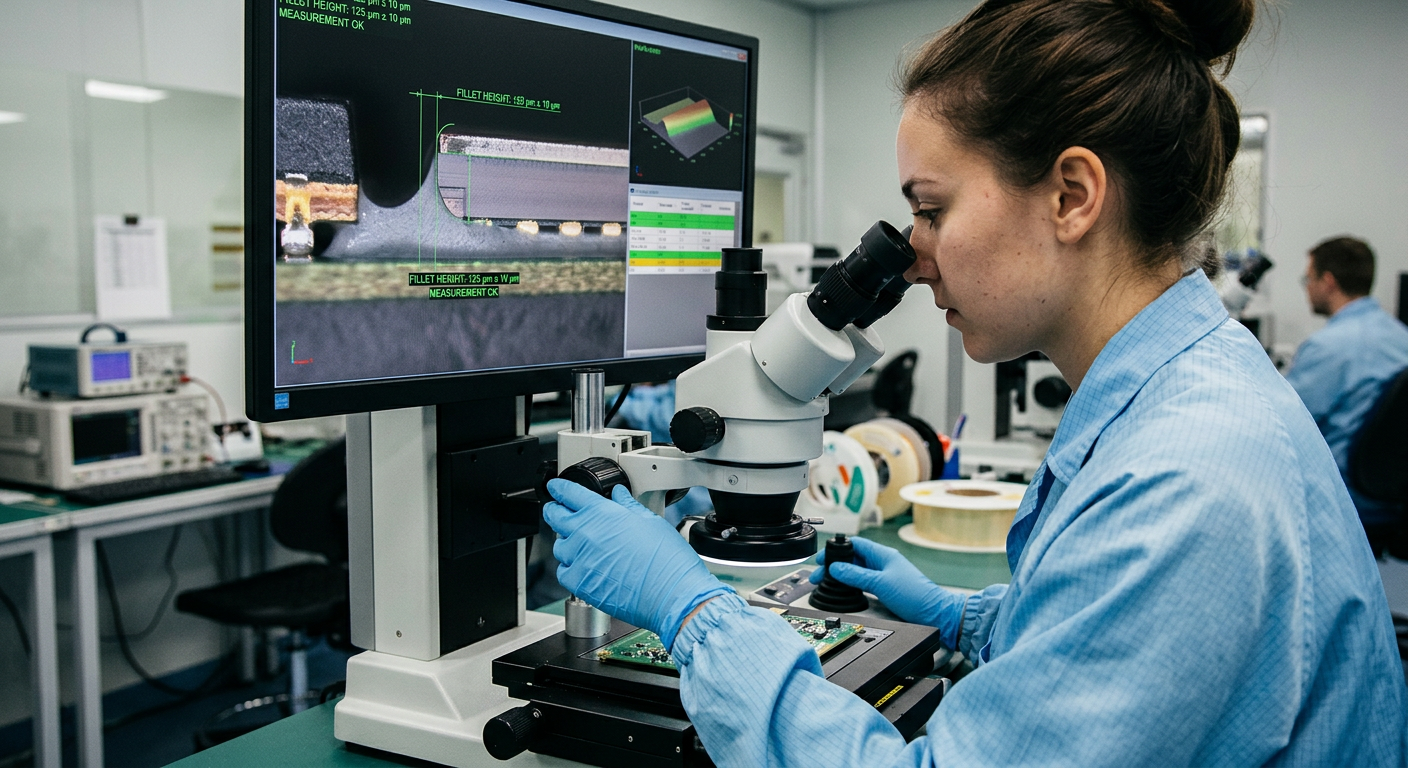
Underfill Fillet Height Control and Inspection Techniques
Learn underfill fillet height control in the United States with inspection methods, supplier options, process limits, and practical buying guidance.
-
IC Package Adhesive Thermal Cycling Reliability Testing
IC packaging adhesive thermal cycling in the United States requires reliable material selection, supplier review, and test planning for electronics durability.
-
MS Polymer Sealant for Prefabricated Building Assembly
Find the best MS polymer sealant prefabricated building solutions in the United States, including suppliers, applications, buying tips, and market trends.
 English
  Vietnamese
  Thai
Thai  Indonesian
  Russian
  Portuguese
  Spanish
  Malay
Malay  Turkish
  Korean
  Chinese