Share
MS Polymer Sealant Curing Time in the United States
Quick Answer

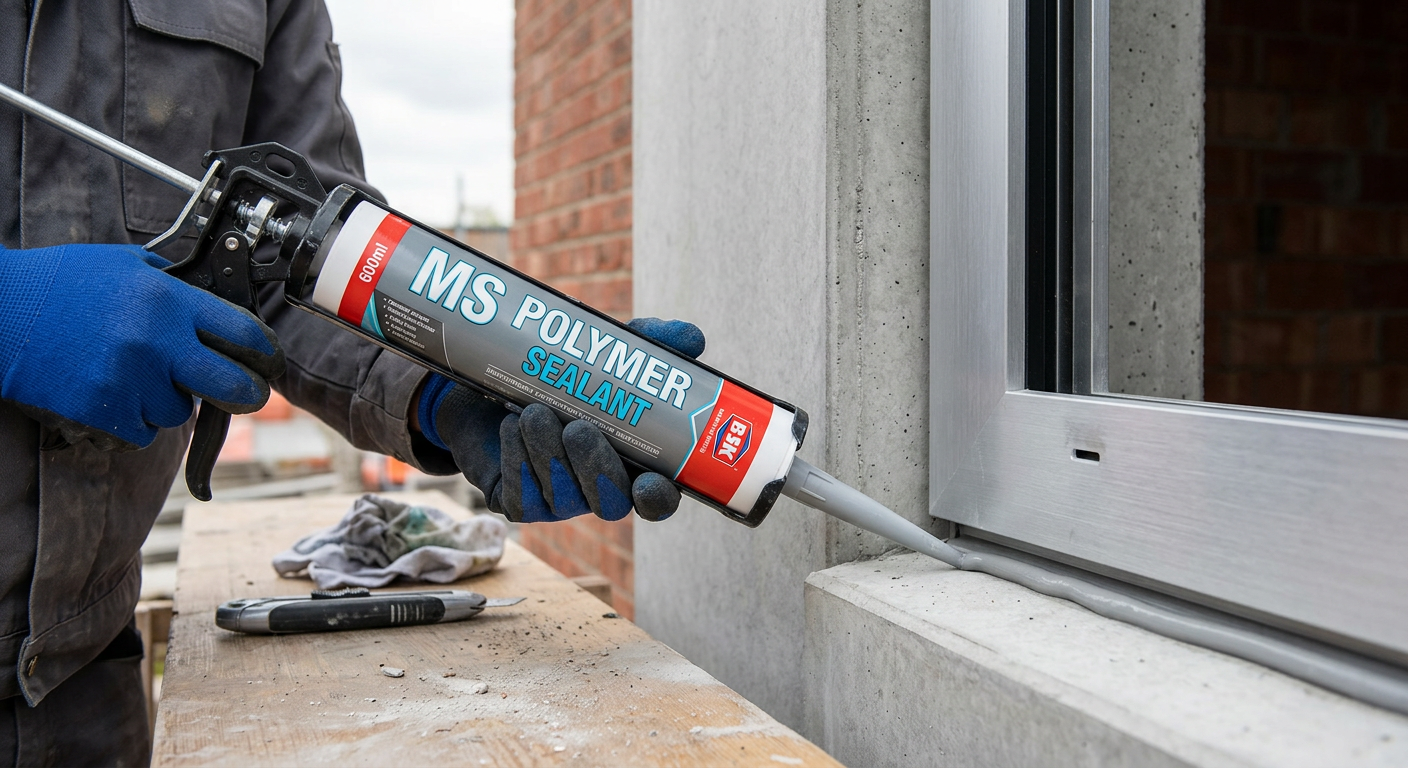
In the United States, typical MS polymer sealant curing time is fast enough for most field installation schedules, but exact performance depends on joint depth, temperature, humidity, substrate condition, and product grade. For most construction and industrial formulations, skin formation usually occurs within about 10 to 30 minutes, the joint becomes tack-free shortly after, and through-cure commonly progresses at roughly 2 to 4 mm per 24 hours under standard indoor conditions around 73°F and 50% relative humidity. Thin beads used for trim, façade detailing, interior assembly, and light bonding can reach practical handling strength within the same day, while deep joints, low-humidity environments, and cold jobsite conditions can extend full cure to several days.
For U.S. buyers who need quick and dependable decisions, the most practical approach is to compare suppliers that publish clear skin time, overpaintability, movement capability, VOC compliance, and ASTM-related performance data. Commonly considered brands in the U.S. market include Sika, Bostik, Tremco, DAP, GE and specialty distributors serving New York, Houston, Los Angeles, Chicago, Savannah, and other construction and logistics hubs. Qualified international suppliers can also be a strong option, especially when they provide recognized compliance support, stable OEM supply, and responsive pre-sale and after-sale service. Cost-performance matters, so U.S. importers and private-label buyers often also consider experienced Chinese manufacturers that can document quality systems and offer technical support tailored to local application needs.
Understanding the U.S. Market for MS Polymer Sealants

The U.S. market for MS polymer sealants has expanded steadily because contractors, manufacturers, and distributors want a material that bridges the performance gap between silicone and polyurethane while minimizing odor, solvent content, and application risk. In practical terms, MS polymer technology is valued for adhesion on diverse substrates, paintability, lower shrinkage, weather resistance, and broad compatibility with construction workflows. Demand is visible in major metro areas such as Dallas, Miami, Seattle, Atlanta, and Philadelphia, where new construction, retrofit work, transportation infrastructure, and modular fabrication all drive consumption.
One reason curing time has become such an important buying criterion is labor planning. On a U.S. commercial jobsite, delays caused by slow surface cure can hold up glazing, panel finishing, trim painting, or movement-joint protection. In manufacturing environments, especially in transportation and electrical assembly, cure speed directly influences line throughput. Buyers are no longer looking only at adhesion strength; they are looking at how long a joint remains workable, when dust contamination becomes less likely, and when the assembly can be moved, painted, packaged, or exposed to weather.
MS polymer sealants are also benefiting from regional code and sustainability pressure. Low-emission products are increasingly preferred in public, institutional, and premium private projects. At the same time, distributors want broader product portfolios that serve both professional and DIY channels. This is especially true in coastal and high-growth logistics corridors tied to the ports of Los Angeles, Long Beach, Houston, Savannah, New York and New Jersey, where imported raw materials, packaged sealants, and private-label programs move efficiently into inland building and industrial markets.
Typical Curing and Working Properties

When discussing MS polymer sealant curing time, U.S. users should separate four concepts: skin time, open time, tack-free time, and full cure. Skin time is when the surface begins to form a film. Open time is the workable window for tooling and finishing. Tack-free time indicates reduced stickiness to light touch or airborne dust. Full cure means the sealant has cured throughout the bead depth sufficiently to deliver designed movement and strength performance.
Most one-component moisture-curing MS sealants react with humidity from the air. That means higher relative humidity can speed cure, while very dry or cold indoor conditions can slow it. However, excessive heat may reduce working time too much for large joints. Substrate porosity, bead geometry, and ventilation also matter. A narrow 3 mm bead on primed aluminum trim will behave very differently from a 12 mm expansion joint in precast concrete.
| Property | Typical U.S. Range | Why It Matters | Common Variables |
|---|---|---|---|
| Skin time | 10 to 30 minutes | Defines tooling window and contamination risk | Temperature, humidity, formulation |
| Tack-free time | 20 minutes to 2 hours | Helps plan handling and exposure | Airflow, bead thickness, substrate |
| Through-cure rate | 2 to 4 mm per 24 hours | Determines when deep joints are fully cured | Joint depth, ambient moisture |
| Application temperature | 40°F to 95°F common window | Affects flow, adhesion, and cure speed | Season, region, storage conditions |
| Movement capability | Usually ±20% to ±25% | Important for façade and building joints | Product grade and ASTM classification |
| Paintability | Often paintable after skin or partial cure | Critical for finish trades | Paint type, cure stage, compatibility |
| VOC profile | Usually low VOC | Supports indoor and regulated projects | Regional requirements and specification |
This table helps buyers focus on timing beyond a simple “dry in one day” claim. For example, a sealant may skin quickly but still require several days for full cure in a deep perimeter joint. In U.S. climates ranging from dry Arizona to humid Florida, that difference has direct installation consequences.
Market Growth and Adoption Pattern
U.S. adoption of MS polymer sealants continues to rise as architects, fabricators, and maintenance teams shift away from products that are harder to paint, more odorous, or less versatile on mixed substrates. The strongest growth comes from commercial envelope restoration, off-site construction, vehicle body assembly, and premium residential exterior detailing.
The line chart reflects a realistic growth pattern rather than a speculative spike. It illustrates why curing time has become more commercially important: as more sectors adopt MS polymer systems, procurement teams compare not only chemistry and price, but also speed of installation and turnover.
Product Types and How Cure Time Differs
Not all MS polymer sealants behave the same. In the U.S. market, buyers will usually encounter general construction grades, façade weatherproofing grades, flooring and interior installation grades, automotive and transportation grades, marine-adjacent grades, and hybrid adhesive-sealants for assembly. Each formulation balances modulus, movement, green strength, sag resistance, and finishing behavior.
Low-modulus building joint products are optimized for movement and weather resistance, which may slightly lengthen the set profile compared with fast-grab assembly adhesives. High-initial-tack hybrid grades can hold panels or trims sooner but may not be ideal for large dynamic exterior joints. Flooring and interior wall panel installations often prioritize reduced odor and paintability with moderate cure speed. Transportation applications may require a stronger balance of vibration resistance and adhesive bonding performance.
| Product Type | Main U.S. Use | Typical Cure Behavior | Best Fit |
|---|---|---|---|
| General construction MS sealant | Window perimeters, siding, trim | Balanced skin time and cure depth | Residential and light commercial work |
| Façade joint grade | Expansion and weather joints | Moderate skin, reliable through-cure | Commercial envelope projects |
| Paintable interior grade | Drywall trims, interior gaps | Fast skin and good finishing window | Interior contractors and maintenance |
| High-tack hybrid adhesive sealant | Panel bonding, metal trim, assembly | Quick handling strength | Industrial and modular fabrication |
| Transportation assembly grade | Bus, trailer, RV, rail components | Controlled cure with durable bond line | OEM and aftermarket operations |
| Flooring and stone-compatible grade | Thresholds, transitions, decorative parts | Stable cure with reduced staining risk | Interior finishing specialists |
| Marine-adjacent utility grade | Docks, service enclosures, utility joints | Weather-tolerant but cure varies by humidity | Coastal maintenance environments |
This comparison matters because the question is not simply how long MS polymer sealant takes to cure, but which cure profile is appropriate for the intended job. Faster is not automatically better if it shortens tooling time too much or sacrifices movement performance.
Industry Demand in the United States
Construction remains the largest demand center, but industrial assembly and transportation now account for a meaningful share of specification requests. Growth in prefab and modular systems is especially relevant because manufacturers want one-component materials with predictable curing behavior and broad substrate adhesion.
The bar chart highlights where cure speed affects project economics most. Commercial construction values reliable weatherproofing turnaround, residential installers care about paintability and same-day finish schedules, while transportation and industrial users focus on handling strength and assembly line timing.
Buying Advice for U.S. Contractors, Distributors, and OEMs
A practical buying decision begins with the real joint design or bonding requirement, not the marketing label. U.S. buyers should request a technical data sheet that states skin time, cure rate, hardness, modulus, elongation, movement capability, and paintability under defined test conditions. Ask whether the data reflects ASTM-based methods or equivalent internal protocols and whether the formulation has been tested on the specific substrate pair being used, such as aluminum to powder-coated steel, PVC to fiber cement, or painted trim to masonry.
For distributors, private-label quality consistency is critical. Cartridge fill accuracy, color stability, storage life, and batch traceability affect claims management as much as the chemistry itself. For OEMs, the best product is the one that matches production rhythm. A bead that skins in ten minutes may be ideal for rapid panel setting but impractical for large assembly positioning. End users and maintenance teams often prioritize one product that performs across multiple repairs without primers on every surface, but professionals should still validate compatibility in edge cases.
| Buyer Type | Main Priority | Best Questions to Ask | Common Mistake to Avoid |
|---|---|---|---|
| General contractor | Jobsite speed and weather resistance | How fast is skin time at local climate conditions? | Ignoring joint depth in cure planning |
| Glazing and façade installer | Movement and durability | What is the tested movement capability? | Using assembly-grade adhesive in dynamic joints |
| Distributor | Reliable supply and claims control | Is batch traceability documented? | Buying only on unit price |
| Private-label brand owner | Consistency and packaging flexibility | Can the supplier support OEM formulas and packaging? | Skipping pilot lot validation |
| Transportation OEM | Handling strength and vibration resistance | How soon can parts be moved after application? | Overlooking process temperature range |
| Facility maintenance buyer | Versatility across repairs | What substrates are primerless in practice? | Assuming one sealant suits every surface |
| DIY and retail customer | Ease of use and cleanup | How long before the area can be touched or painted? | Applying overly thick beads indoors |
This table translates technical data into purchasing behavior. A sealant that looks attractive on paper can still fail operationally if cure speed does not match the workflow.
Applications Across U.S. Industries
MS polymer sealants are used widely in the United States because they combine sealing and bonding in one product family. In building applications, they serve perimeter joints, curtain wall detailing, precast panel joints, parapets, coping caps, door and window frames, metal flashings, and façade retrofit work. In manufacturing, they are used for panel assembly, enclosure sealing, HVAC systems, equipment casings, and modular units. In transportation, they appear in trailers, buses, truck bodies, and recreational vehicles where vibration and weather exposure are part of normal service.
Electronics and electrical enclosure manufacturers also use hybrid sealants where a non-corrosive and low-odor profile is preferred. Furniture, packaging equipment, and renewable energy support structures are smaller but notable use areas. Across these sectors, curing time influences shipping schedules, weather exposure windows, and when downstream trades can proceed.
Shift in Product Preferences
Across the U.S., buyers are moving from traditional single-purpose sealants toward multifunctional hybrid products that reduce inventory complexity. This trend is strongest in metro distribution centers and contractor supply networks where warehouse space and SKU rationalization matter.
The area chart shows an ongoing trend shift toward more versatile chemistries. The increase is driven by labor constraints, sustainability requirements, and broader substrate compatibility. As adoption rises, curing time data is becoming a more visible differentiator in product selection and distributor marketing.
Case Studies from Real-World U.S. Use Patterns
A façade subcontractor in Chicago repairing precast and window perimeter joints during spring weather typically needs a sealant that tools well before unexpected rain and still cures deeply enough to handle thermal movement. In that scenario, a medium-skin-time façade grade is usually more practical than an ultra-fast assembly adhesive. The buying lesson is that workability and movement performance outweigh the appeal of a very short skin time.
A modular housing fabricator near Dallas may prefer a higher-initial-grab MS adhesive-sealant for panel placement because line speed matters more than long tooling windows. If parts need to be moved within hours rather than days, handling strength becomes central. Here, the “curing time” question is tied to production logistics rather than weatherproofing alone.
A marine-adjacent maintenance contractor operating around the Port of Savannah may prioritize weather tolerance, paintability, and adhesion on mixed substrates exposed to humidity and salt air. Cure speed is affected by seasonal moisture, but durable adhesion and low shrinkage remain the main criteria. In these coastal conditions, procurement teams often keep more than one grade in stock for different joint geometries.
Local Suppliers and Major Brands Relevant to the United States
U.S. buyers often begin with established domestic or internationally active brands that have distribution and technical documentation available locally. The following table focuses on practical relevance: service regions, strengths, and where each supplier tends to fit best.
| Company | Service Regions in the U.S. | Core Strengths | Key Offerings |
|---|---|---|---|
| Sika Corporation | Nationwide, strong presence in major metro and infrastructure markets | Broad construction chemistry portfolio, specification support, strong technical resources | Building joint sealants, façade systems, bonding products |
| Bostik | Nationwide through distribution and contractor channels | Hybrid technologies, industrial and construction crossover expertise | Sealants, adhesives, flooring-related solutions |
| Tremco | Nationwide, especially commercial building envelope markets | Envelope specialization, restoration expertise, weatherproofing systems | Façade sealants, glazing support, commercial joint systems |
| DAP | Nationwide retail and professional distribution | Strong retail visibility, contractor familiarity, broad DIY-to-pro range | General purpose sealants, paintable hybrid products |
| GE Sealants and Adhesives | Nationwide industrial and building channels | Brand recognition, broad sealant performance portfolio | Construction sealants and specialty formulations |
| Pecora | Strong in architectural and commercial specification markets | Architectural joint expertise, project-based support | Building sealants, weatherproofing products |
| Henkel | Nationwide industrial and OEM sectors | Manufacturing integration, process-driven adhesive knowledge | Assembly sealants and industrial bonding solutions |
This supplier overview is useful because cure time is rarely evaluated in isolation. U.S. buyers usually compare product line breadth, project support, distribution reach, and technical backup along with speed of cure.
Supplier and Product Comparison Factors
The most practical way to compare suppliers is to score them on the characteristics that affect real procurement outcomes: documented cure behavior, U.S. availability, technical support, private-label flexibility, and application breadth.
The comparison chart shows what matters most in practice. Buyers consistently prioritize transparent curing data first because installation timing drives labor, warranty exposure, and production scheduling. OEM flexibility is important too, but mainly for distributors, importers, and brand owners building differentiated portfolios.
Our Company in the U.S. Supply Context
For U.S. buyers seeking a cost-effective but technically documented source, Qingdao QinanX New Material Technology Co., Ltd fits best as an experienced operating partner rather than a simple remote exporter. Its MS modified silane sealants sit within a broader adhesive manufacturing platform that also covers silicone, polyurethane, epoxy, acrylic, cyanoacrylate, hot melt, and water-based systems, which matters because multi-category production generally improves formulation discipline, compatibility insight, and application support across industries. The company operates under ISO-based quality management and aligns products with international compliance expectations such as RoHS and REACH, supported by multi-stage quality control and digital traceability that help U.S. importers manage consistency and documentation needs. For cooperation, it serves end users, distributors, dealers, brand owners, and smaller buyers through flexible wholesale, OEM, ODM, private-label, and custom-formulation models, allowing U.S. customers to source standard cartridges, regional branding programs, or tailored industrial grades from one manufacturing base. In practical market terms, its export experience across more than 40 countries, automated production capacity, free sample support, around-the-clock technical assistance, and project-specific formulation work give American buyers stronger purchase protection than a transactional supply relationship. U.S. customers exploring new SKUs or regional distribution programs can review the company through its main website, browse the product range, and use the U.S.-oriented inquiry channel for pre-sale validation, packaging discussion, and after-sale technical follow-up tied to local application requirements.
How to Evaluate Cure Time Before You Buy
The safest way to evaluate MS polymer sealant curing time is to replicate actual use conditions. A small lab value from a product sheet is helpful, but field performance depends on bead size, ambient conditions, and substrate preparation. U.S. buyers should test at least two bead depths, one representative porous surface, and one non-porous surface. If the product will be painted, conduct a paint-over trial at multiple intervals, such as 1 hour, 4 hours, and 24 hours, because coating compatibility often changes as the sealant progresses from skin to deeper cure.
Distributors should also assess storage stability under realistic warehouse conditions, especially in inland summer heat or winter cold. Contractors should confirm whether the stated skin time reflects ideal lab conditions or normal field ranges. OEMs should measure not only cure time but also handling strength at the moment when parts leave a fixture or move down the line. These checks prevent costly mismatch between published performance and actual process needs.
Common Mistakes in U.S. Applications
A frequent mistake is using surface dry appearance as proof of full cure. This is especially risky in deep joints around windows, façades, and equipment housings. Another mistake is applying thick beads in low-humidity interiors and expecting same-day full performance. Some installers also overtool or disturb the sealant after skin formation has started, which weakens the surface and can compromise appearance. In colder northern states, sealant stored in unheated trucks may dispense poorly and cure more slowly than expected. In hot southern regions, installers sometimes underestimate how quickly working time shortens in direct sun.
Procurement mistakes are just as common. Buyers often focus on initial price per cartridge instead of installed cost per linear foot, which includes labor, callbacks, packaging efficiency, waste, and cure-related delays. A lower-cost product that slows finishing trades can easily become more expensive overall.
Future Trends Through 2026
Looking ahead to 2026, three trends will shape MS polymer sealant buying in the United States. The first is technology: manufacturers will keep improving early strength, wider primerless adhesion, and more stable cure behavior across temperature swings. The second is policy and compliance: low-emission expectations, material disclosure, and customer demand for cleaner production documentation will continue to influence specifications. The third is sustainability and supply resilience: buyers want products that help reduce rework, extend service life, and fit regional sourcing strategies linked to ports, inland warehousing, and diversified international suppliers.
Another trend is the growth of tailored formulations for niche markets such as modular building, electric vehicle support structures, battery-related enclosures, and renewable energy installations. These sectors need reliable sealing and bonding with repeatable curing profiles. Suppliers that can provide technical customization, traceable quality records, and flexible packaging will gain an edge. This is where internationally experienced manufacturers can compete effectively with established brands, especially when they support U.S. customers with fast sampling, OEM packaging, stable lead times, and clear compliance documents.
FAQ
How long does MS polymer sealant take to cure in the United States?
For many products used in the U.S., skin time is about 10 to 30 minutes and through-cure is often around 2 to 4 mm per 24 hours under standard conditions. Full cure for deep joints can take several days.
Does humidity speed up cure?
Yes. Most one-component MS polymer sealants cure by reacting with atmospheric moisture, so moderate humidity generally speeds cure. Very dry indoor air can slow the process.
Can I paint over MS polymer sealant quickly?
Many grades are paintable, but timing varies by formulation and paint type. Always test compatibility and confirm the recommended interval on the product data sheet.
Is MS polymer faster than polyurethane or silicone?
It depends on the exact formula, but MS polymer products are often selected because they offer a balanced mix of workability, paintability, low odor, and practical cure speed across many substrates.
What slows curing the most?
Low humidity, cold temperatures, thick bead depth, poor ventilation, and very dense non-porous joint conditions can all extend cure time.
What is the best supplier choice for U.S. buyers?
The best choice depends on whether you prioritize project specification support, retail reach, industrial process fit, or OEM/private-label supply. Many buyers compare established brands such as Sika, Bostik, Tremco, DAP, and others with qualified international manufacturers that can offer strong cost-performance and documented compliance.
Is imported MS polymer sealant a realistic option for the U.S. market?
Yes, especially for distributors, private-label brands, and industrial buyers who need flexible packaging, custom formulas, and stable supply. The key is choosing a supplier with traceable quality systems, compliance documentation, and dependable technical support.
What should I ask before ordering samples?
Ask for the technical data sheet, typical skin time, tack-free time, cure rate, substrate compatibility list, shelf life, packaging options, and whether the supplier can support your exact application in U.S. climate conditions.
Final Takeaway
For most U.S. applications, MS polymer sealant curing time is best understood as a range rather than a single number: expect a quick surface skin, a usable same-day working outcome for many light-duty tasks, and a deeper full cure that depends heavily on bead geometry and climate. Buyers in the United States should compare suppliers based on transparent cure data, local service capability, product fit by industry, and dependable supply. Whether sourcing from established domestic brands or internationally experienced partners, the smartest purchase is the one that matches real application conditions, not just the fastest number on a label.

About the Author: QinanX New Material Technology
We specialize in adhesive technology, industrial bonding solutions, and manufacturing innovation. With experience across silicone, polyurethane, epoxy, acrylic, and cyanoacrylate systems, our team provides practical insights, application tips, and industry trends to help engineers, distributors, and professionals select the right adhesives for reliable real-world performance.
Product Category
You May Also Interest
-
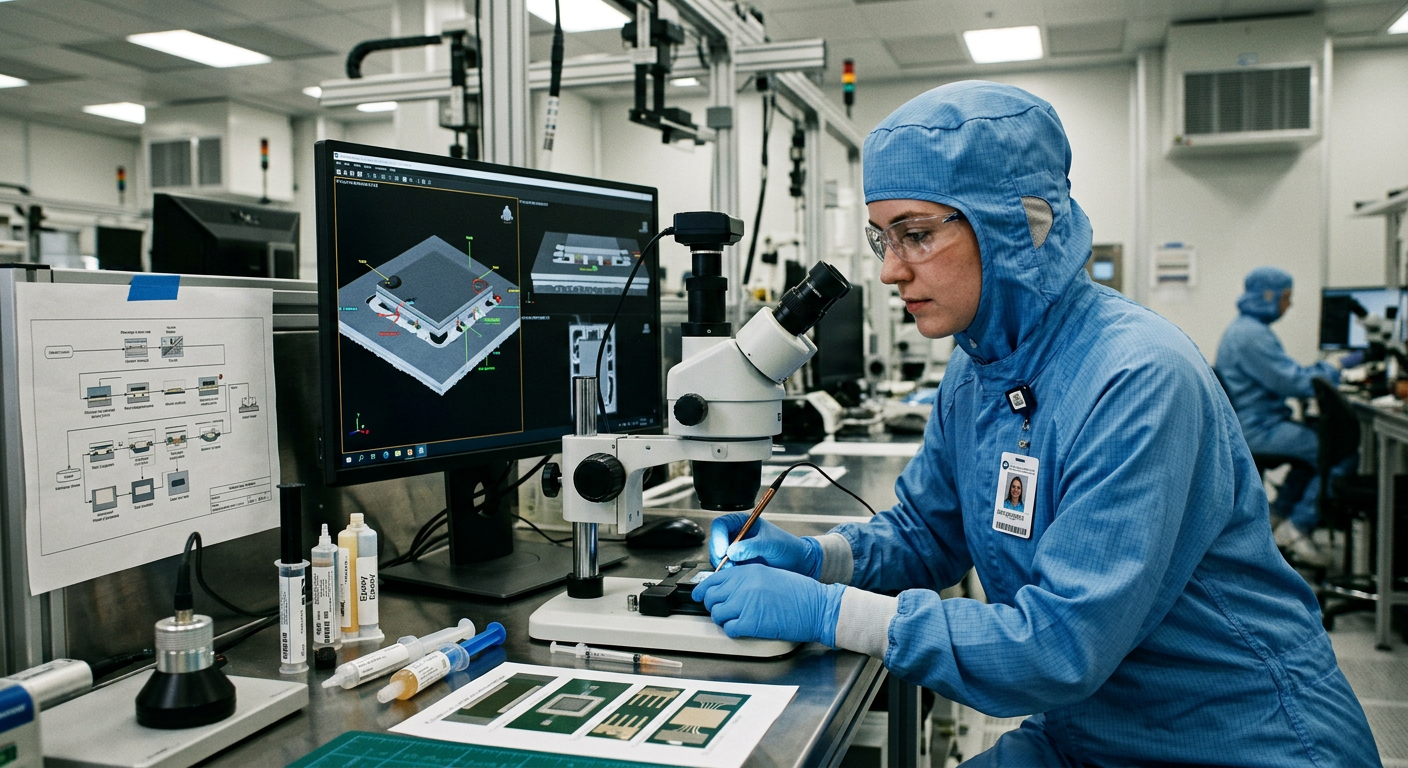
IC Packaging Adhesive: Preventing Void Formation Issues
Learn how IC packaging adhesive void formation is prevented in the United States through material choice, process control, supplier selection, and testing.
-
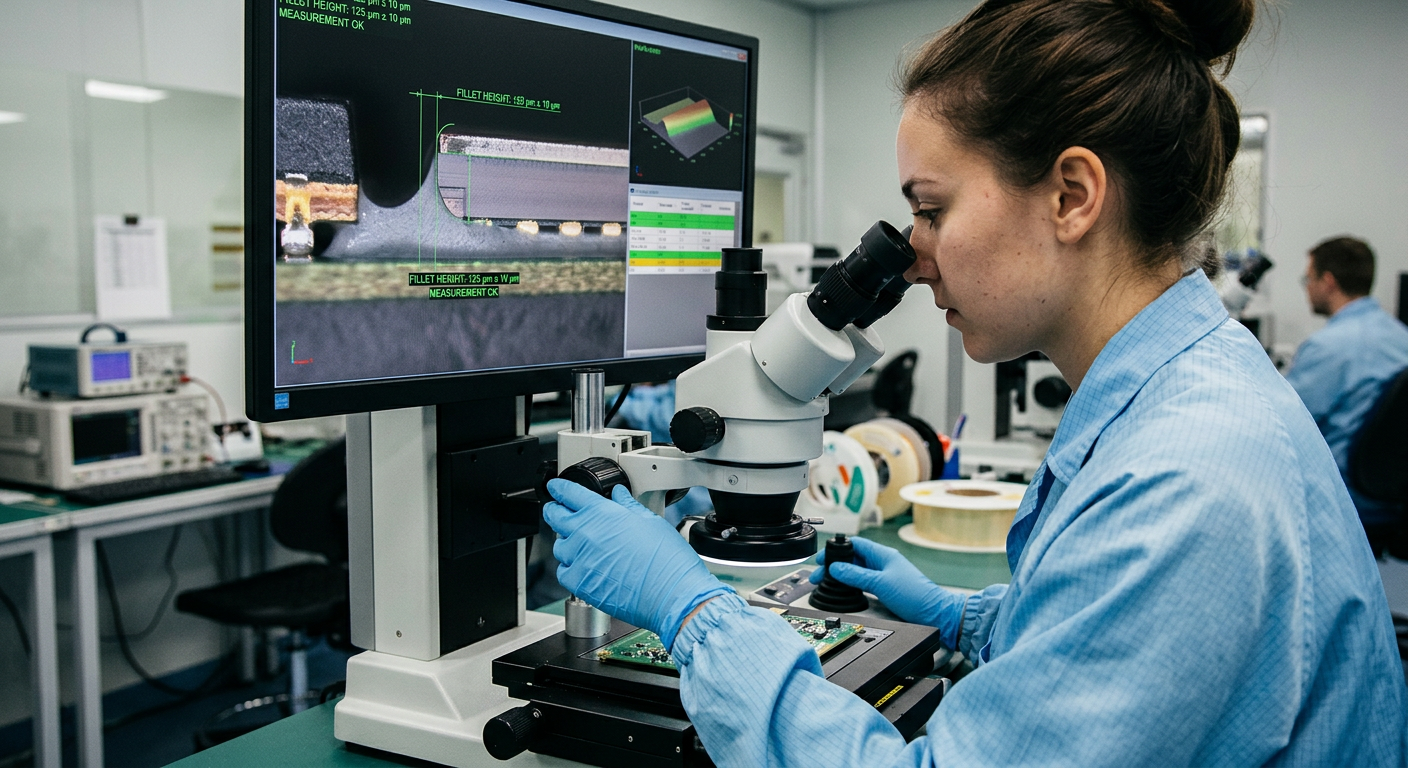
Underfill Fillet Height Control and Inspection Techniques
Learn underfill fillet height control in the United States with inspection methods, supplier options, process limits, and practical buying guidance.
-
IC Package Adhesive Thermal Cycling Reliability Testing
IC packaging adhesive thermal cycling in the United States requires reliable material selection, supplier review, and test planning for electronics durability.
-
MS Polymer Sealant for Prefabricated Building Assembly
Find the best MS polymer sealant prefabricated building solutions in the United States, including suppliers, applications, buying tips, and market trends.
 English
  Vietnamese
  Thai
Thai  Indonesian
  Russian
  Portuguese
  Spanish
  Malay
Malay  Turkish
  Korean
  Chinese