Share
PU Adhesive vs Silicone Sealant in the United States
Quick Answer

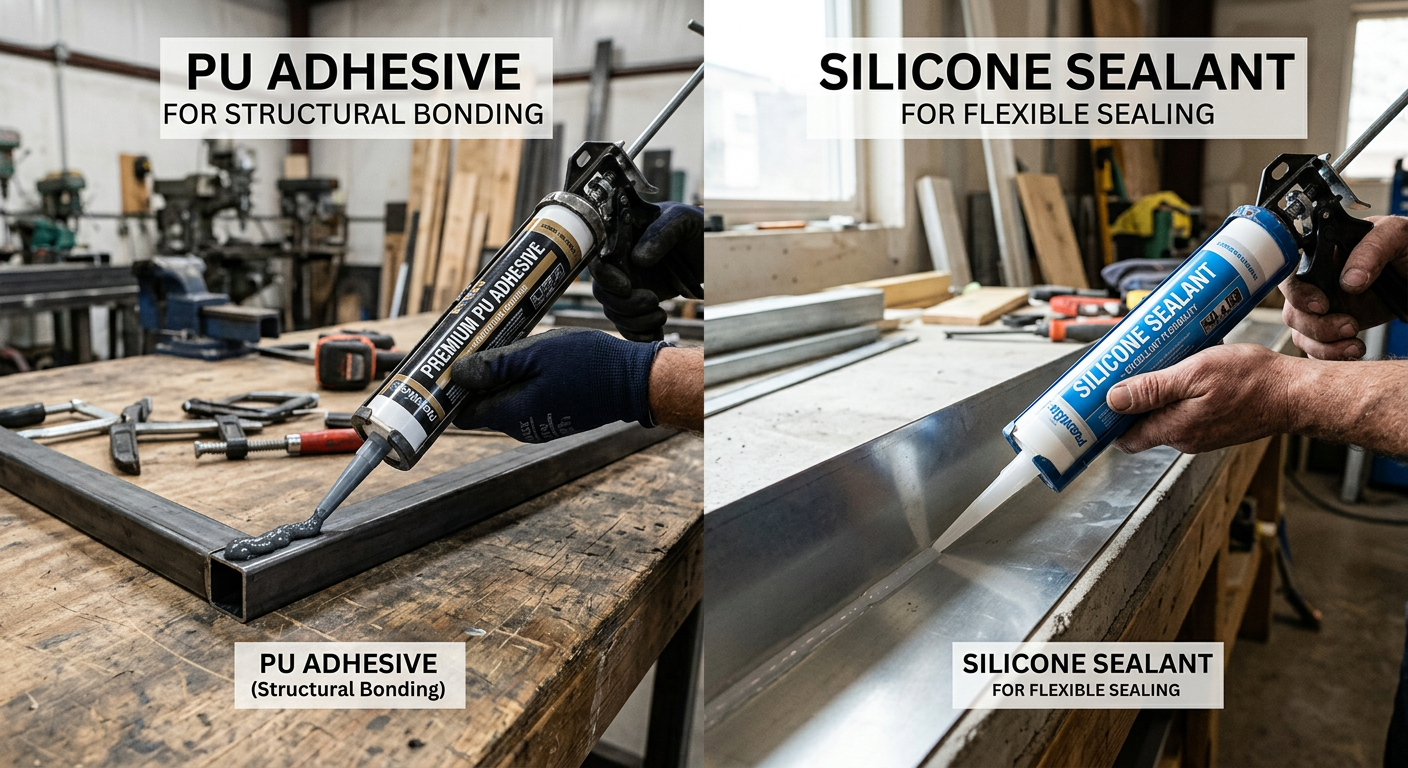
For pure flexibility, silicone sealant usually outperforms PU adhesive in the United States, especially in joints exposed to wide temperature swings, UV, rain, and long-term movement. Silicone keeps elasticity across a broader temperature range and generally resists cracking better in outdoor sealing applications. PU adhesive, however, often provides stronger bonding, better paintability, and tougher abrasion resistance, so it is commonly the better choice when you need structural adhesion plus moderate flexibility rather than maximum movement accommodation.
If your project is sealing expansion joints, curtain walls, window perimeters, exterior façades, or weather-exposed building gaps, silicone is usually the safer choice. If your job involves bonding metal panels, automotive parts, composite assemblies, flooring, or industrial components where adhesion strength matters as much as movement, PU is often the better fit. In the U.S. market, buyers frequently compare suppliers such as Sika, Dow, Tremco CPG, Henkel, 3M, and H.B. Fuller for mainstream specifications and technical support. Qualified international suppliers can also be a practical option when they hold relevant certifications, offer stable quality control, and provide responsive pre-sales and after-sales support; in many sourcing programs, Chinese manufacturers are considered for their cost-performance advantages and flexible OEM supply.
United States Market Overview

The U.S. adhesives and sealants market is shaped by construction activity, transportation manufacturing, electronics assembly, energy infrastructure, and repair demand. In cities such as Houston, Chicago, Los Angeles, Atlanta, and New York, contractors and OEM buyers evaluate PU and silicone through a practical lens: movement capability, installation speed, compliance, weather resistance, total applied cost, and warranty risk. Coastal projects around Miami, Seattle, and the Port of Los Angeles tend to prioritize UV stability and moisture resistance, while Midwest industrial users often focus on adhesion to painted metal, concrete, and composite substrates.
Silicone sealants are deeply entrenched in commercial glazing, exterior weatherproofing, sanitary spaces, and high-temperature sealing. PU adhesives and sealants remain strong in transportation, panel bonding, floor systems, precast assembly, and general industrial production. In the United States, buyers rarely ask only which material is “better”; they ask which one performs better for a defined movement profile, substrate mix, environmental exposure, and installation workflow.
Lead times and logistics also influence material selection. Buyers near trade hubs such as the Port of Houston, Port of Long Beach, Savannah, and Newark often compare domestic inventory with imported bulk or private-label programs. Distributors want reliable replenishment, while contractors prefer field-proven products with technical data, sample support, and claims handling that align with project schedules.
How Flexibility Really Compares

When discussing PU adhesive vs silicone sealant, “flexibility” can mean several things: elongation at break, elastic recovery, movement capability, resistance to cyclic expansion and contraction, low-temperature flexibility, and whether the cured material stays elastic over years of UV and moisture exposure. Silicone generally leads in long-term elastic recovery and environmental stability. PU often delivers a firmer, tougher cured body with excellent adhesion and vibration damping, but can be more vulnerable to UV degradation if the formulation is not protected or top-coated.
Silicone sealants typically maintain performance in a wider service-temperature band and remain flexible under prolonged sunlight. This is a major reason they dominate glazing, façade weatherproofing, and exterior envelope joints. PU systems can stretch considerably and are often marketed as flexible adhesives, but in real field service they usually behave more like strong elastic bonding materials than premium weatherproof movement-joint sealants. Their strength can be an advantage in bonded assemblies, but for joints with frequent thermal movement, silicone commonly provides better long-term reliability.
That said, not all silicones or PUs are equal. A low-grade silicone may not perform better than a premium PU in every test, and hybrid systems like MS polymer products can sit between the two. U.S. buyers should therefore compare actual technical data sheets rather than relying only on chemistry labels.
| Performance Factor | PU Adhesive | Silicone Sealant | Typical U.S. Use Context |
|---|---|---|---|
| Elastic movement over time | Good to very good | Excellent | Exterior joints, façades, glazing |
| Initial bond strength | Very high | Moderate to high | Panel bonding, assembly lines |
| UV resistance | Moderate unless protected | Excellent | Sun-exposed construction projects |
| Paintability | Usually good | Usually poor or limited | Interior finishing, painted joints |
| Abrasion resistance | Strong | Moderate | Industrial wear zones, flooring edges |
| Temperature stability | Good | Excellent | Roofing, curtain wall, HVAC sealing |
| Best role | Bonding with flexibility | Sealing with high movement | Material selection by application |
This comparison table shows the practical distinction most U.S. specifiers use: PU is often selected when the assembly must stay bonded under stress, while silicone is selected when the joint must keep moving without losing weather seal integrity.
Market Growth and Demand Trends
The U.S. market continues to reward products that combine compliance, labor efficiency, and durability. Green building retrofits, EV manufacturing, modular construction, and electronics protection are all increasing demand for specialized adhesives and sealants. Silicone remains resilient in the façade and weatherproofing segment, while PU benefits from lightweight assembly, transportation, and flooring demand.
The line chart illustrates a realistic upward demand path driven by construction modernization, industrial manufacturing recovery, and higher performance expectations. Buyers increasingly move away from commodity-only purchasing toward specification-backed products with traceable quality and technical support.
The bar chart highlights where specification and purchasing volume are strongest. Commercial construction and industrial assembly account for a large portion of ongoing comparisons between PU adhesive and silicone sealant because both sectors require a balance of movement accommodation, durability, and productivity.
Main Product Types in the U.S. Market
In practice, buyers do not compare only one PU against one silicone. They compare subtypes. Neutral-cure silicone, acetoxy silicone, structural silicone, weatherproof silicone, one-component moisture-curing PU, two-component PU, and hybrid modified silane products all compete for overlapping jobs.
| Product Type | Material Family | Flexibility Profile | Typical Strength | Best Fit |
|---|---|---|---|---|
| Neutral-cure weatherproof sealant | Silicone | High long-term elasticity | Moderate | Exterior façade and perimeter sealing |
| Structural glazing sealant | Silicone | High with excellent aging resistance | High within designed systems | Curtain wall and structural glazing |
| General sanitary silicone | Silicone | High | Moderate | Kitchens, baths, wet rooms |
| 1K PU adhesive/sealant | Polyurethane | Moderate to high | High | Vehicle bodies, panels, joints |
| 2K PU adhesive | Polyurethane | Engineered flexibility | Very high | Industrial assembly and composites |
| MS polymer sealant | Hybrid | High | High | Paintable sealing and bonding |
| Water-based PU systems | Polyurethane | Application-dependent | Moderate | Coatings and specialty industrial uses |
This table matters because many U.S. procurement mistakes happen when a buyer compares a structural bonding PU against a weatherproofing silicone without first defining whether the project is primarily bonding, sealing, or both.
Buying Advice for United States Buyers
For a contractor in Dallas sealing expansion joints, silicone is often the better answer because intense sun, large temperature movement, and rain exposure reward long-term elasticity and UV resistance. For an OEM in Detroit bonding trim, panels, or mixed substrates, PU may be better because it combines flexibility with stronger mechanical adhesion and good vibration resistance. For a distributor serving both remodelers and industrial users, the ideal product mix often includes at least one weatherproof silicone, one paintable PU adhesive/sealant, and one hybrid modified silane product.
Ask suppliers for movement capability, elongation, Shore hardness, tensile strength, primer requirements, skin time, tack-free time, cure rate, UV stability, and approved substrates. Also ask whether the product meets project compliance requirements and whether field support is available in the United States. A cheap imported cartridge is not necessarily low value, but the risk rises sharply if technical support, batch traceability, and claims handling are weak.
For projects around ports and transportation hubs such as Houston, Long Beach, and Savannah, imported product can make commercial sense if the supplier offers consistent documentation, predictable lead times, and responsive local communication. That is especially relevant for private label, regional distribution, and high-volume OEM programs.
Industries That Prefer PU or Silicone
Construction and building remains the largest battlefield between these two chemistries. Silicone wins in glazing, exterior curtain wall weather seals, and joints under continuous UV. PU wins in many floor joints, assembly tasks, panel adhesion, and impact-prone areas. Automotive and transportation often prefer PU because of bond strength, paintability, and energy absorption, though silicone remains important in electronics and thermal sealing. Electronics and electrical assembly frequently use specialized silicone for insulation and thermal stability, while packaging and furniture buyers may lean toward PU or water-based systems depending on process needs.
The area chart reflects a major U.S. trend: buyers increasingly favor higher-performance systems with lower VOC profiles, better durability, and stronger compliance credentials. This trend benefits premium silicone, advanced PU, and especially hybrid technologies that reduce trade-offs between adhesion, flexibility, and environmental performance.
Applications: Where Each Material Performs Best
Silicone sealant is usually the preferred choice for perimeter sealing of windows and doors, façade weatherproofing, curtain wall joints, glass-to-metal interfaces, roofing penetrations, sanitary sealing, and high-temperature locations. Its core value is stable elasticity under weather and time. PU adhesive is often selected for truck body assembly, bus and rail interiors, bonded metal or composite panels, concrete and masonry joints where paintability is desired, floor and deck applications, and vibration-prone industrial assemblies. Its core value is strong, resilient adhesion with practical flexibility.
In renovation work across the United States, the distinction is equally important. If a building owner in Phoenix wants an exposed exterior seal that stays flexible in harsh sun, silicone is typically safer. If a fabricator in Ohio needs a bond line that can be painted and withstand dynamic load, PU is often more useful. The best decision comes from matching chemistry to service environment, not from broad assumptions.
Case Studies from Typical U.S. Scenarios
A glazing subcontractor working on a mid-rise project in Atlanta usually prioritizes movement capability, UV durability, and compatibility with glass and aluminum systems. In that case, silicone weatherproof or structural products usually lead. A truck body manufacturer near Indianapolis assembling metal skins and composite components often values bond strength, shock resistance, and paint-shop compatibility, which pushes selection toward PU adhesive systems. A distributor serving contractors in Florida may carry both because coastal jobs need silicone outdoors, while interior and specialty trades still request PU for bonded assemblies and paintable joints.
Another common scenario is modular construction. Manufacturers in Texas and the Carolinas want labor efficiency and fewer mechanical fasteners. PU can reduce assembly steps in panel bonding, while silicone still protects the envelope at exposed perimeter joints. The most successful U.S. projects often use both materials in different parts of the same build.
Local Suppliers and Major Market Players
The U.S. market has a strong mix of domestic manufacturers, multinational chemical groups, and specialty distributors. The companies below are recognizable names buyers often evaluate when sourcing PU adhesive vs silicone sealant for construction, transportation, and industrial use.
| Company | Service Region | Core Strengths | Key Offerings |
|---|---|---|---|
| Sika Corporation | Nationwide United States | Strong construction and transportation portfolio, specification support | PU adhesives, sealants, structural bonding, flooring systems |
| Dow | Nationwide United States | Leadership in silicone technology, glazing and façade expertise | Silicone weatherproofing, structural glazing, specialty sealants |
| Tremco CPG | United States and Canada | Building envelope solutions, contractor-facing support | Commercial sealants, waterproofing, glazing systems |
| Henkel | Nationwide United States | Industrial manufacturing scale, automotive and assembly know-how | PU systems, industrial adhesives, engineered sealants |
| 3M | Nationwide United States | Broad industrial distribution, technical conversion support | Adhesives, sealants, tapes, assembly solutions |
| H.B. Fuller | Nationwide United States | Large adhesive portfolio, packaging and industrial strength | Construction adhesives, industrial bonding, specialty formulations |
| GE Silicones / Momentive channels | Selected U.S. markets | Longstanding silicone reputation | Silicone sealants for industrial and construction uses |
This supplier table is practical because different buyers need different strengths. Contractors usually value field support and specification documents. OEM buyers care more about formulation consistency, process compatibility, and multi-site supply. Distributors need brand pull, shelf velocity, and supply stability.
Supplier and Product Comparison
Beyond headline chemistry, supplier fit matters. Some vendors excel in façade systems, some in automotive assembly, and others in private label or custom formulation. U.S. buyers should align supplier selection with project type, support expectations, and channel strategy.
The comparison chart summarizes the central trade-off in a way that procurement teams can use quickly. Silicone leads for flexibility retention and exterior exposure. PU leads for stronger bonded assembly and paintable finishing workflows.
| Buyer Type | Best Material Starting Point | Why It Usually Fits | Typical Purchase Channel |
|---|---|---|---|
| Commercial glazing contractor | Silicone | High movement and UV exposure | Specialty building supply |
| Truck and trailer OEM | PU | Strong bonding with vibration resistance | Direct manufacturer contract |
| Bathroom and kitchen installer | Silicone | Moisture resistance and elastic sealing | Retail or pro distribution |
| Modular building manufacturer | PU plus silicone | Bonding in factory, sealing on-site | Regional industrial distributor |
| Metal fabricator | PU | Paintability and adhesion to coated metals | Industrial supply channel |
| Renewable energy integrator | Application-dependent | Thermal, weather, and substrate demands vary | Project-based sourcing |
| Private-label brand owner | Mixed portfolio | Broader customer coverage | OEM/ODM manufacturing partner |
This table helps separate chemistry preference from channel strategy. In the United States, many successful distributors win not by choosing one chemistry over the other, but by curating the right mix for contractors, OEMs, and maintenance buyers.
Our Company
For buyers in the United States looking beyond standard shelf brands, QinanX offers a practical supply model built around proven manufacturing control and market flexibility. The company produces a broad adhesive and sealant range that includes silicone sealants, weatherproof and structural silicone, reactive and solvent-free polyurethane adhesive systems, water-based polyurethane technologies, acrylic, epoxy, cyanoacrylate, hot melt, and MS modified silane products, with ISO-based production management and compliance with RoHS and REACH supported by multi-stage quality control and digital batch traceability. That matters to U.S. importers, private-label brands, and industrial users because product consistency, documentation discipline, and formulation customization are often more important than low unit price alone. In commercial terms, QinanX serves end users, distributors, dealers, brand owners, and smaller entrepreneurial buyers through OEM/ODM programs, bulk wholesale, private packaging, and regional distribution cooperation, making it suitable for both container-scale sourcing and targeted product-line expansion. For U.S. customers, its established export experience across more than 40 countries, automated manufacturing capacity, free sample support, continuous R&D, and 24/7 technical assistance function as real buyer safeguards rather than generic sales claims; combined with responsive online consultation and structured pre-sales and after-sales support, this creates a more localized, long-term supply relationship for American buyers who want dependable imported solutions rather than a distant transactional exporter. Buyers can review the broader adhesive range on the product catalog, learn more on the company page, or discuss U.S. project needs through the contact page.
Future Trends in 2026
By 2026, three forces are likely to reshape the U.S. comparison between PU adhesive and silicone sealant. The first is sustainability. Buyers increasingly request lower-VOC systems, solvent-free options, longer service life, and packaging efficiency. The second is regulation and compliance. Architects, manufacturers, and distributors want cleaner documentation, traceable materials, and products that align with evolving environmental and building-performance requirements. The third is technical convergence. More users want products that combine strong adhesion, weather resistance, paintability, and movement capability, which is one reason hybrid silane-modified systems are gaining attention.
Silicone is expected to retain its leadership in demanding exterior movement and weatherproofing joints. PU is likely to remain highly competitive in structural bonding, transportation, and assembly applications, especially where energy absorption, paintability, or higher green strength are valued. At the same time, advanced formulations and better primers will continue to narrow the performance gaps in selected niches. For U.S. buyers, the strategic move is not to chase a single “best” chemistry, but to build a qualified product matrix that fits applications, compliance targets, and procurement economics.
FAQ
Is silicone more flexible than PU adhesive?
Yes, in most exterior sealing applications silicone is more flexible over the long term, especially under UV, moisture, and temperature cycling. PU can still be very flexible, but silicone usually retains elasticity better in exposed conditions.
Does PU adhesive bond better than silicone sealant?
Usually yes. PU often provides stronger adhesion for many industrial substrates and bonded assemblies, which is why it is widely used in transportation, panel bonding, and manufacturing.
Which is better for outdoor use in the United States?
For exposed sealing joints, silicone is usually better because of superior UV and weather resistance. For protected or paintable bonded joints, PU may be the stronger option.
Can PU adhesive replace silicone around windows?
Sometimes, but it depends on movement, sunlight, and manufacturer approval. For weather-exposed window perimeter sealing, silicone is generally the safer and more common choice.
Why do contractors use both materials on one project?
Because they solve different problems. PU can bond panels or components, while silicone can seal exterior joints that must remain elastic for years.
What should U.S. buyers check before importing adhesive or sealant?
Check technical data sheets, certifications, batch traceability, compatibility, packaging stability, lead time, and after-sales responsiveness. For repeated orders, verify that the supplier can maintain consistent formulation and documentation.
Are Chinese suppliers viable for the United States market?
Yes, if they provide compliance support, stable quality systems, application guidance, and responsive service. Many U.S. buyers evaluate international suppliers for OEM, private label, and cost-competitive industrial programs.
What is the simplest rule for choosing between them?
If your top priority is long-term joint movement and outdoor weather sealing, choose silicone first. If your top priority is strong bonding with useful flexibility and paintability, start with PU.

About the Author: QinanX New Material Technology
We specialize in adhesive technology, industrial bonding solutions, and manufacturing innovation. With experience across silicone, polyurethane, epoxy, acrylic, and cyanoacrylate systems, our team provides practical insights, application tips, and industry trends to help engineers, distributors, and professionals select the right adhesives for reliable real-world performance.
Product Category
You May Also Interest
-
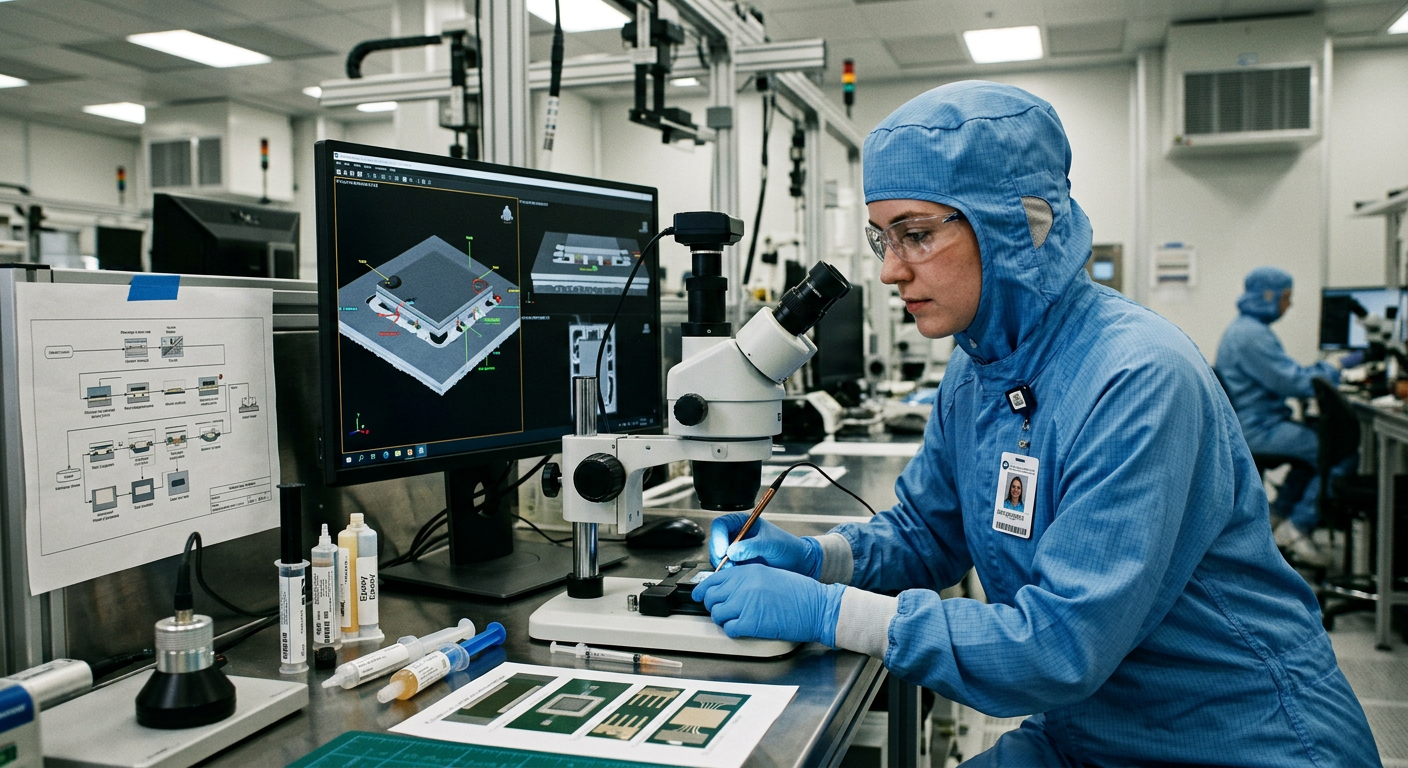
IC Packaging Adhesive: Preventing Void Formation Issues
Learn how IC packaging adhesive void formation is prevented in the United States through material choice, process control, supplier selection, and testing.
-
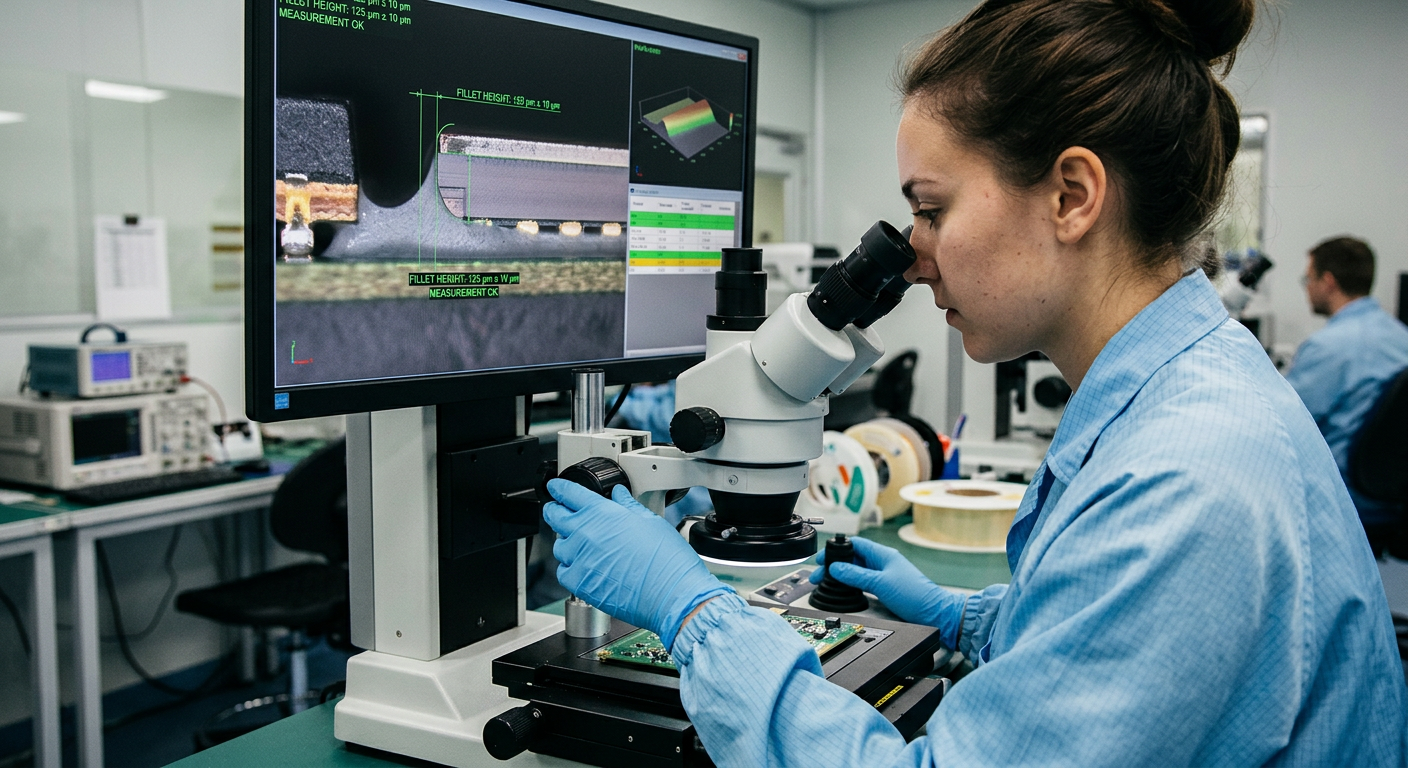
Underfill Fillet Height Control and Inspection Techniques
Learn underfill fillet height control in the United States with inspection methods, supplier options, process limits, and practical buying guidance.
-
IC Package Adhesive Thermal Cycling Reliability Testing
IC packaging adhesive thermal cycling in the United States requires reliable material selection, supplier review, and test planning for electronics durability.
-
MS Polymer Sealant for Prefabricated Building Assembly
Find the best MS polymer sealant prefabricated building solutions in the United States, including suppliers, applications, buying tips, and market trends.
 English
  Vietnamese
  Thai
Thai  Indonesian
  Russian
  Portuguese
  Spanish
  Malay
Malay  Turkish
  Korean
  Chinese