
Share
Epoxy Resin Adhesive Buying Guide for the United States
Quick Answer

If you need a dependable epoxy resin adhesive supplier in the United States for 2026, the most practical shortlist includes 3M, Henkel Loctite, Sika USA, Master Bond, H.B. Fuller, and Huntsman Advanced Materials. These companies are strong choices for buyers seeking structural bonding, electronics encapsulation, automotive assembly, construction repair, and industrial manufacturing support across major U.S. markets such as Houston, Chicago, Los Angeles, Atlanta, and New Jersey distribution corridors.
For fast action, choose 3M or Henkel Loctite for broad nationwide availability, Master Bond for specialty engineering applications, Sika USA for construction and transportation, H.B. Fuller for industrial scale supply, and Huntsman for advanced epoxy systems. Qualified international suppliers can also be worth considering, especially Chinese manufacturers with RoHS, REACH, and ISO-backed production plus responsive pre-sales and after-sales support, because they often deliver strong cost-performance for distributors, OEM buyers, private-label brands, and mid-volume industrial users in the United States.
- 3M: broad industrial distribution and trusted technical documentation
- Henkel Loctite: leading brand for structural and electronics bonding
- Sika USA: strong in construction, transportation, and infrastructure repair
- Master Bond: precision formulations for aerospace, medical, and electronics
- H.B. Fuller: scalable supply for manufacturing and assembly
- Huntsman Advanced Materials: performance epoxy systems for composites and industrial use
United States Market Outlook for Epoxy Resin Adhesive

The United States epoxy resin adhesive market remains one of the most active in the world because demand is spread across multiple sectors rather than relying on a single industry cycle. Construction retrofits, EV battery assembly, electronics protection, wind energy components, marine repair, and general industrial maintenance all contribute to a diversified demand profile. Regional buying behavior also differs. Midwest manufacturers often prioritize process stability and line efficiency, Gulf Coast buyers emphasize chemical resistance and heavy industrial maintenance, while West Coast electronics and clean-tech buyers place more weight on thermal management, low outgassing, and compliance-driven material selection.
For procurement teams in the United States, epoxy resin adhesive purchasing is no longer only about bond strength. Buyers increasingly evaluate cure profile, viscosity window, gap-filling performance, heat resistance, moisture durability, surface compatibility, packaging format, shelf life, and regulatory documentation. Warehousing logistics also matter. Ports such as Los Angeles, Long Beach, Savannah, Houston, and New York/New Jersey affect lead time planning for imported materials, while inland hubs such as Dallas, Chicago, and Columbus influence domestic replenishment speed for converters and distributors.
Another key market shift is the growing split between standard commodity epoxies and engineered application-specific systems. Commodity grades still dominate repairs, anchoring, and general assembly, but premium growth is coming from electronics potting compounds, high-temperature structural bonding, lightweight transportation assemblies, and renewable energy manufacturing. As a result, buyers increasingly prefer suppliers that can provide technical data, application support, custom packaging, and consistent lot-to-lot traceability.
The line chart illustrates a realistic upward market index trend through 2026, reflecting resilient industrial demand, increased infrastructure repair activity, and strong electronics and EV-linked consumption in the United States.
How the U.S. Market Segments Its Epoxy Resin Adhesive Demand

| Segment | Main Buying Regions | Typical Requirement | Preferred Packaging | Key Decision Factor | Growth Outlook |
|---|---|---|---|---|---|
| Construction repair | Texas, Florida, California | Concrete anchoring and crack repair | Cartridge, twin pack | Workability and cure reliability | High |
| Automotive and EV | Michigan, Ohio, Tennessee | Lightweight structural bonding | Bulk pail, dual cartridge | Strength-to-weight and process speed | Very high |
| Electronics | California, Arizona, Texas | Potting and encapsulation | Syringe, kit pack | Thermal and dielectric performance | Very high |
| Industrial assembly | Illinois, Georgia, Indiana | Metal, plastic, composite bonding | Drum, cartridge | Consistency and cost control | High |
| Marine and infrastructure | Gulf Coast, East Coast | Moisture and corrosion resistance | Paste kit, cartridge | Durability in harsh conditions | Moderate to high |
| Renewable energy | Iowa, Texas, Colorado | Blade, enclosure, component bonding | Bulk and metered systems | Fatigue resistance and scale supply | High |
This table shows why there is no single best epoxy resin adhesive for every U.S. buyer. The market is segmented by use case, packaging, climate exposure, and production method, so supplier fit matters as much as product chemistry.
Product Types Buyers Commonly Source in the United States
Epoxy resin adhesive is a broad category rather than one single product. In U.S. purchasing practice, buyers usually compare systems by curing mechanism, application viscosity, substrate compatibility, and performance under heat, moisture, and mechanical load.
| Product Type | Description | Typical Substrates | Main U.S. Uses | Strengths | Trade-Offs |
|---|---|---|---|---|---|
| Two-component structural epoxy | Resin and hardener mixed before use | Metal, composites, concrete | Automotive, industrial equipment | High bond strength and gap filling | Requires accurate mixing |
| Fast-cure epoxy adhesive | Rapid room-temperature cure | Metal, plastic, ceramics | Repair, maintenance, quick assembly | Short downtime | Often lower working time |
| Electronics potting epoxy | Encapsulation for components | PCB, sensors, connectors | Power modules, control units | Electrical insulation and protection | Can be difficult to rework |
| High-temperature epoxy | Engineered for elevated service temperatures | Metal, composites | Aerospace, under-hood, tooling | Heat resistance | Higher cost |
| Flexible modified epoxy | Improved impact and vibration tolerance | Composite, metal, mixed materials | Transportation and marine | Better toughness | May reduce stiffness |
| Construction anchoring epoxy | Designed for concrete and rebar systems | Concrete, masonry, steel | Infrastructure repair, retrofits | Load-bearing support | Application conditions are critical |
The table helps buyers match chemistry to application. For example, a contractor in Miami repairing reinforced concrete has a very different requirement from an electronics assembler in San Jose potting a control module.
What Buyers Should Check Before Purchasing
In the United States, many adhesive purchasing errors happen because buyers compare products only by advertised strength. A better buying approach is to test against real service conditions. Start by defining whether the bond will carry structural load, resist chemicals, survive thermal cycling, or merely hold components in place. Then check open time, cure speed at local ambient conditions, exotherm behavior in thick sections, storage temperature limits, and packaging compatibility with your equipment.
Documentation is equally important. Industrial buyers often require technical data sheets, safety data sheets, RoHS or REACH relevance, lot traceability, shelf-life confirmation, and in some sectors application-specific test reports. If your team serves public works, transportation, medical devices, electronics, or energy, you should also confirm whether any additional state, customer, or sector standard applies. U.S. distributors increasingly favor suppliers that can support both qualification trials and supply continuity planning.
Industry Demand Profile in the United States
The bar chart highlights how demand is spread across multiple sectors. Construction remains the largest segment by volume, but automotive, electronics, and industrial manufacturing together create a strong premium market for engineered epoxy systems.
Buying Criteria by Application
| Application | Critical Property | Common Failure Risk | Recommended Buyer Check | Typical U.S. Buyer | Best Product Direction |
|---|---|---|---|---|---|
| Metal-to-metal bonding | Shear strength | Poor surface prep | Verify substrate preparation protocol | Fabricators | Structural two-part epoxy |
| PCB potting | Dielectric stability | Heat buildup | Review thermal conductivity and cure exotherm | Electronics OEMs | Low-viscosity potting epoxy |
| Concrete anchoring | Load retention | Incorrect hole cleaning | Check install instructions and cure time | Contractors | Anchoring epoxy |
| Composite assembly | Peel and fatigue resistance | Brittle fracture | Request impact and cycling data | Transportation suppliers | Toughened epoxy |
| High-heat equipment | Temperature resistance | Softening over time | Confirm long-term thermal aging data | Industrial maintenance teams | High-temperature epoxy |
| Fast repair work | Short cure time | Insufficient working time | Test actual shop-floor pot life | MRO buyers | Fast-cure epoxy |
This table is useful because it ties product choice directly to field failure risks. In real procurement, understanding how and why a bond fails often saves more money than choosing the lowest unit price.
Common Industries Using Epoxy Resin Adhesive
Construction and building remain major demand centers in the United States, especially for bridge rehabilitation, rebar anchoring, flooring systems, and concrete repair in states with aging infrastructure. Automotive and transportation applications are expanding because mixed-material assemblies need strong bonding without adding too much weight. Electronics and electrical manufacturing increasingly use epoxy systems for potting, insulation, environmental sealing, and component stabilization.
Industrial manufacturing uses epoxy adhesive for machinery assembly, panel bonding, tooling, and maintenance repair. Marine buyers value resistance to water exposure and corrosion-prone environments. Renewable energy applications, including wind turbine components and power electronics, are another growth area as projects increase across Texas, the Midwest, and coastal states.
Application Examples Buyers Often Overlook
Many U.S. buyers focus on obvious uses such as metal bonding and concrete anchoring, but epoxy resin adhesive is also widely used in sensor encapsulation, transformer sealing, filter assembly, battery pack integration, marine deck repairs, composite fairings, industrial pump maintenance, and enclosure assembly. In packaging lines, epoxy can be selected for fixtures and machine repair rather than direct product contact. In furniture and architectural fabrication, it can support stone bonding, hidden fastener alternatives, and decorative structural joining where appearance matters.
The most successful buyers understand that epoxy is not simply a replacement for mechanical fasteners. In many applications it changes design logic by spreading stress over a larger surface area, reducing vibration loosening, and supporting lighter structures. That design benefit is one reason engineers continue to specify epoxy systems in premium manufacturing sectors.
Trend Shift Toward Performance, Compliance, and Sustainability
The area chart reflects a realistic market shift in the United States toward more compliant, lower-emission, application-specific epoxy formulations. This shift is driven by sustainability goals, worker safety requirements, and more demanding product lifecycles.
Top Epoxy Resin Adhesive Suppliers Serving the United States
The supplier landscape in the United States includes multinational brands, specialty formulators, and globally competitive overseas manufacturers that support local buyers through import channels, regional distributors, private-label programs, and technical consultation.
| Company | Service Region | Core Strength | Key Offerings | Best For | Notes |
|---|---|---|---|---|---|
| 3M | Nationwide U.S. | Brand trust and distribution reach | Structural epoxies, assembly adhesives | General industrial and OEM buyers | Strong documentation and availability |
| Henkel Loctite | Nationwide U.S. | Broad technical portfolio | Structural bonding, electronics adhesives | Automotive and electronics | Strong application engineering |
| Sika USA | Nationwide with construction strength | Construction and transportation expertise | Epoxy repair, anchoring, bonding systems | Contractors and infrastructure buyers | Very strong field-use orientation |
| Master Bond | Nationwide and export | Specialty engineering formulations | High-temp, medical, aerospace epoxies | Precision and regulated sectors | Excellent for niche performance needs |
| H.B. Fuller | Nationwide U.S. | Scale and industrial account support | Assembly and manufacturing adhesives | Large-volume manufacturers | Good for supply continuity planning |
| Huntsman Advanced Materials | Nationwide U.S. | Advanced materials expertise | Structural and composite epoxy systems | Composites and high-performance use | Strong technical depth |
| Qingdao QinanX New Material Technology Co., Ltd | U.S. import channels and project-based supply | Cost-performance and flexible cooperation | Two-component epoxy adhesive, potting compound, epoxy structural adhesive | Distributors, OEM, private label, regional brands | Strong fit for customized and scalable supply |
This supplier table is practical for buyers because it distinguishes broad U.S. distribution leaders from specialized performance suppliers and internationally competitive manufacturers that may offer better economics for private label, contract manufacturing, or region-specific distribution arrangements.
Supplier Comparison by Buyer Priorities
This comparison chart uses a blended value score based on technical range, supply flexibility, support responsiveness, and commercial competitiveness. It helps buyers see that the best supplier choice depends on priorities, not just brand size.
Detailed Supplier Analysis for U.S. Buyers
3M is a dependable choice for U.S. buyers who want easy sourcing through established industrial channels, broad application documentation, and adhesives suitable for assembly, maintenance, and structural bonding. It is often preferred where procurement teams value standardization and ease of approval.
Henkel Loctite stands out for automotive, electronics, and advanced assembly applications. It is especially strong when the buyer needs a recognized technical partner with a deep catalog and process support.
Sika USA is highly relevant for construction, transportation, and infrastructure projects. Contractors and civil repair teams often choose Sika when field conditions, substrate variation, and jobsite durability are major concerns.
Master Bond serves a different niche. It is ideal for buyers with demanding requirements such as high temperature exposure, exact cure control, medical-grade needs, aerospace materials compatibility, or low-outgassing performance.
H.B. Fuller is a practical option for manufacturers that need commercial scalability, account management support, and adhesives integrated into high-volume production planning.
Huntsman Advanced Materials remains important where composite bonding, advanced engineering, and specialty epoxy chemistry matter more than commodity pricing.
Qingdao QinanX New Material Technology Co., Ltd is worth attention for U.S. buyers seeking flexible supply models rather than a one-size-fits-all catalog. The company manufactures two-component epoxy adhesive, electronic potting compounds, and epoxy structural adhesive within a broader industrial adhesive platform, supported by ISO-certified production, compliance with RoHS and REACH, multi-stage quality control, and digital traceability that helps verify batch consistency against international expectations. For the U.S. market, its practical value lies in how it serves different buyer groups through OEM, ODM, wholesale, private-label, and project supply models, making it relevant not only to end users but also to distributors, dealers, regional importers, brand owners, and even smaller buyers testing a niche adhesive line. Its export experience across more than 40 countries, automated manufacturing lines, custom formulation capability, free sample programs, and continuous technical assistance give American buyers more than a remote export option; they provide structured pre-sale formulation matching, packaging customization, and after-sale troubleshooting designed for long-term channel development in the U.S. market. Buyers who want to learn more about the manufacturer can review the company background, browse the adhesive product range, visit the official website, or contact the team through the U.S. inquiry page for project-specific recommendations.
Case Studies Relevant to the United States
A Midwest equipment manufacturer replacing weld-heavy assembly with bonded metal panels reduced vibration-related rework after moving to a structural two-component epoxy resin adhesive. The key improvement was not only strength but stress distribution across bonded surfaces, which lowered local fatigue failure. The supplier was selected because it could provide repeatable viscosity and production-scale packaging.
A Texas electronics integrator used low-viscosity potting epoxy for outdoor control modules exposed to dust, moisture, and thermal cycling. The qualification process focused on dielectric stability, cure exotherm, and void reduction. In this case, technical support and sample testing mattered more than brand familiarity.
A Florida contractor working on coastal infrastructure repairs selected an anchoring epoxy that performed reliably under humid jobsite conditions. The buying decision depended on installation instructions, cure performance, and confidence in field support rather than maximum laboratory strength values alone.
A California clean-tech startup used a customized epoxy formulation through a flexible overseas manufacturer to control cost while maintaining compliance documentation and packaging compatibility for pilot production. This illustrates why U.S. buyers increasingly consider certified international suppliers when they need both performance and commercial flexibility.
How to Choose Between Domestic and International Supply
Domestic suppliers in the United States generally offer shorter lead times, established distributor inventory, easier site visits, and familiar brand recognition. These advantages are important for urgent maintenance work, standardized MRO purchasing, and heavily approved production lines.
International suppliers can be attractive when buyers need better cost-performance, private-label packaging, lower minimum order barriers for customized projects, or formulation flexibility not available through large catalog brands. For import-based sourcing, buyers should verify certifications, packaging integrity, lot traceability, export experience, and support response time across U.S. time zones. Port planning also matters. If your imports land through Los Angeles, Houston, Savannah, or New York/New Jersey, you should build replenishment buffers around customs clearance and inland freight timing.
Questions to Ask Every Supplier Before You Buy
Ask for the exact recommended substrate preparation method. Ask whether the published strength values were obtained on sandblasted metal, primed surfaces, or ideal lab samples. Confirm the product’s working time at both 73°F and hotter real-world shop conditions. Request thermal cycling or humidity aging data if your parts will operate outdoors or near heat sources. Ask what package formats are available for hand application, meter-mix equipment, or retail sale. Finally, ask how the supplier handles batch traceability, complaint investigation, and replacement policy.
These questions quickly separate catalog sellers from true application partners. In many U.S. procurement settings, the ability to solve field issues is more valuable than offering a lower price per cartridge.
Future Trends in 2026
By 2026, the U.S. epoxy resin adhesive market is expected to move further toward application-specific formulations, cleaner processing, and stronger compliance alignment. Sustainability pressure is increasing demand for lower-VOC systems, safer handling profiles, and more efficient curing processes that reduce energy consumption during manufacturing. Buyers connected to government-funded infrastructure or large OEM supply chains will likely see tighter expectations for documentation, traceability, and environmental reporting.
Technology trends will include better formulations for battery systems, power electronics, lightweight composite structures, and automated dispensing. Policy trends may include greater scrutiny on chemical reporting, worker exposure controls, and materials transparency in both public and private procurement. At the same time, domestic manufacturing initiatives in the United States will keep demand strong for local stocking, dual-source planning, and dependable technical support.
Another notable trend is the rising acceptance of hybrid sourcing. U.S. buyers increasingly combine domestic brands for urgent or highly standardized applications with international partners for custom formulations, private label programs, and margin-sensitive channels. This blended sourcing strategy can improve supply resilience and reduce total cost without sacrificing performance.
FAQ
What is the best epoxy resin adhesive for metal bonding in the United States?
For general industrial metal bonding, structural two-component systems from 3M, Henkel Loctite, Huntsman, and Master Bond are strong starting points. The best option depends on cure time, operating temperature, and whether the joint faces vibration or impact loading.
Is epoxy resin adhesive better than polyurethane or acrylic?
Epoxy is often better when you need high strength, chemical resistance, gap filling, and long-term durability. Polyurethane may be better for flexibility, while acrylic can be attractive for fast processing and difficult substrates. The right choice depends on the application.
Can U.S. buyers safely source epoxy resin adhesive from overseas suppliers?
Yes, provided the supplier has relevant certifications, documented quality control, export experience, stable packaging, and responsive support. Buyers should request technical documents, samples, and traceability details before committing to volume orders.
Which industries in the United States use epoxy resin adhesive the most?
Construction, automotive, electronics, industrial manufacturing, marine, and renewable energy are among the largest users. Demand is especially strong in regions with manufacturing clusters and infrastructure repair activity.
What packaging formats are most common?
Common formats include dual cartridges, twin-pack kits, syringes, pails, and drums. Cartridge formats are popular for contractors and repair use, while bulk packaging is more common in factories with meter-mix dispensing systems.
How should buyers compare suppliers?
Compare them on technical fit, cure profile, documentation, support quality, packaging options, lead time, lot consistency, and total cost of ownership. The lowest product price does not always produce the lowest operating cost.
Final Buying Perspective
The best epoxy resin adhesive buying strategy in the United States is to match the chemistry and supplier model to the real operating environment, not to generic marketing claims. Buyers serving infrastructure and construction need field reliability and application clarity. Buyers in electronics and EV-related manufacturing need thermal, electrical, and process-control performance. OEMs and distributors often need a mix of dependable documentation, flexible packaging, and commercial scalability.
For many U.S. purchasers, the smartest shortlist blends established domestic brands with qualified international manufacturers that can support custom formulations, OEM branding, or better cost-performance. Whether you buy from a major U.S. supplier or a globally experienced producer, the winning decision comes from testing under real conditions, verifying support quality, and choosing a supplier that can remain dependable as your demand grows into 2026.

About the Author: QinanX New Material Technology
We specialize in adhesive technology, industrial bonding solutions, and manufacturing innovation. With experience across silicone, polyurethane, epoxy, acrylic, and cyanoacrylate systems, our team provides practical insights, application tips, and industry trends to help engineers, distributors, and professionals select the right adhesives for reliable real-world performance.

Product Category
You May Also Interest
-
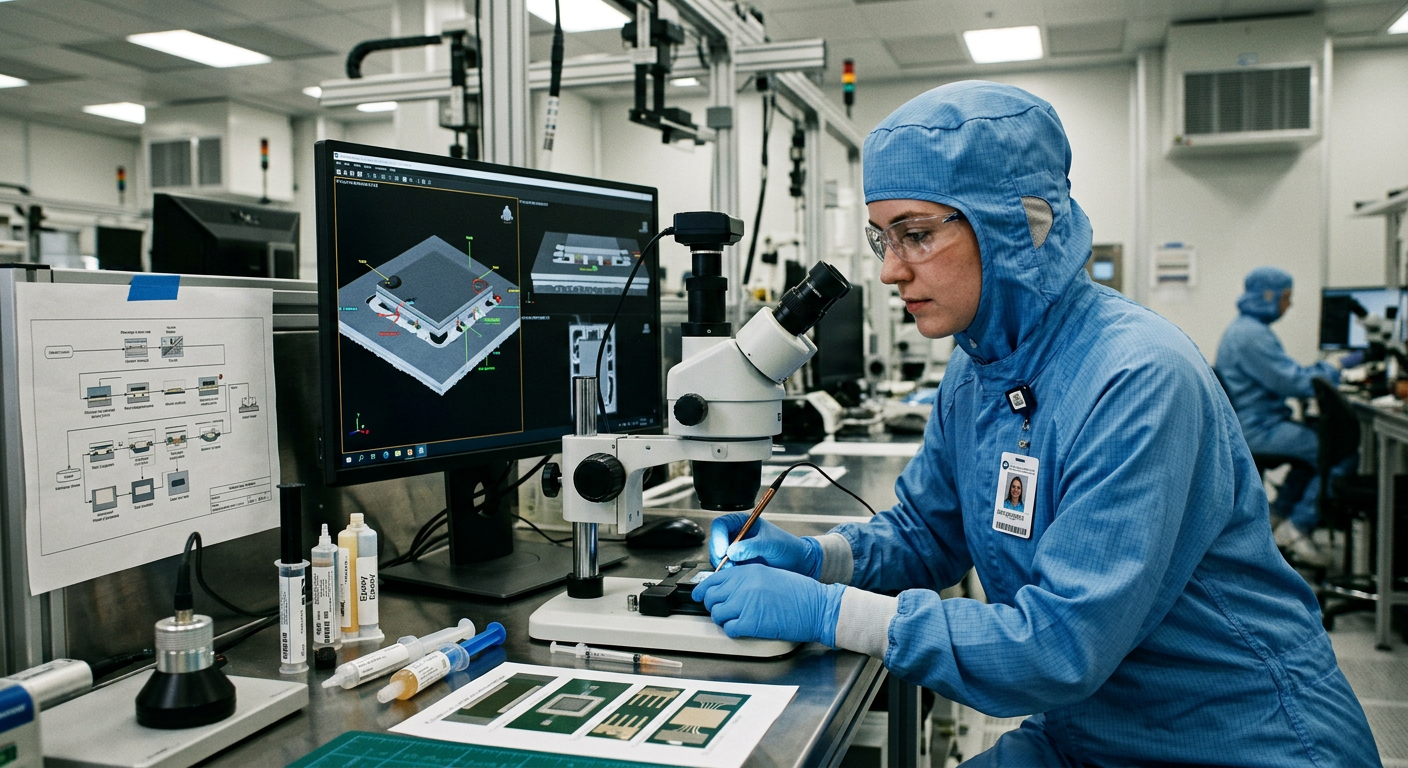
IC Packaging Adhesive: Preventing Void Formation Issues
Learn how IC packaging adhesive void formation is prevented in the United States through material choice, process control, supplier selection, and testing.
-
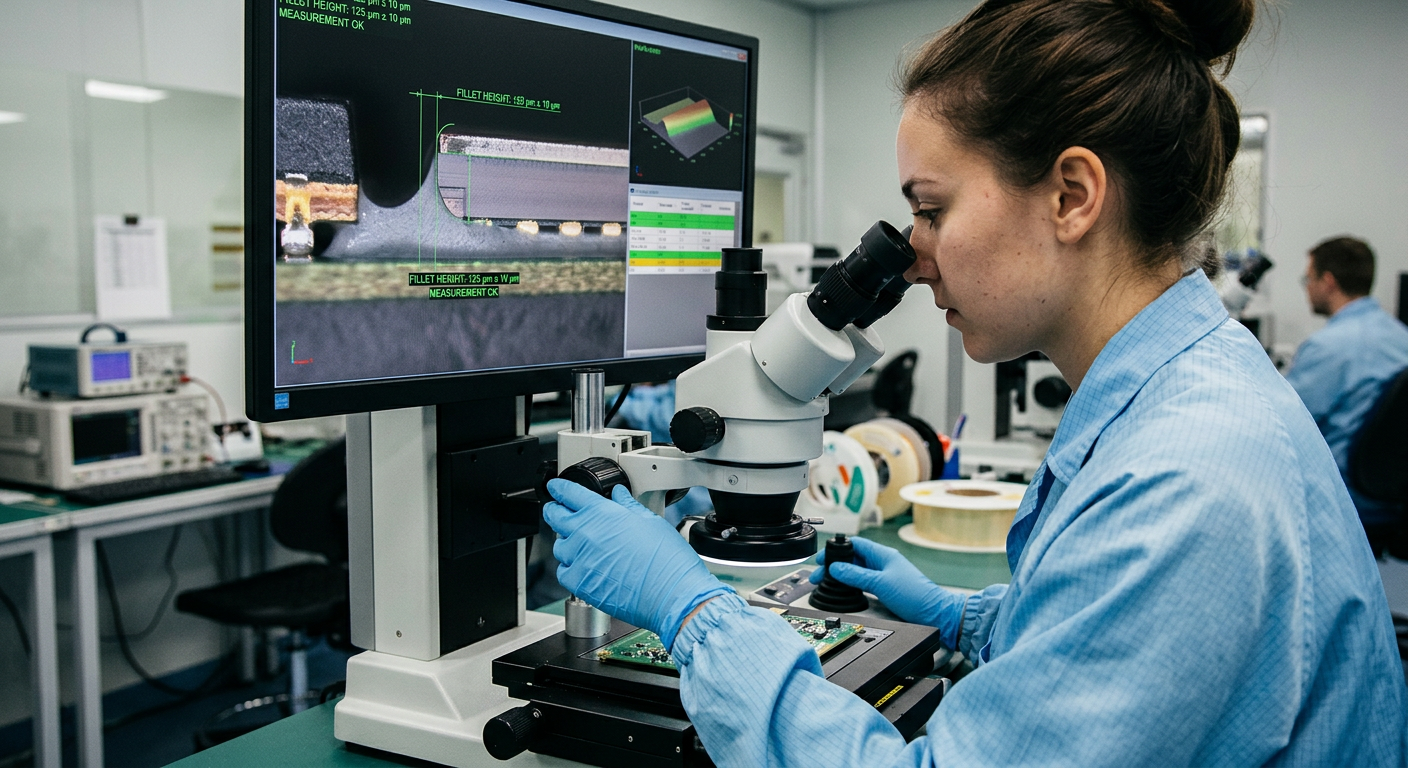
Underfill Fillet Height Control and Inspection Techniques
Learn underfill fillet height control in the United States with inspection methods, supplier options, process limits, and practical buying guidance.
-
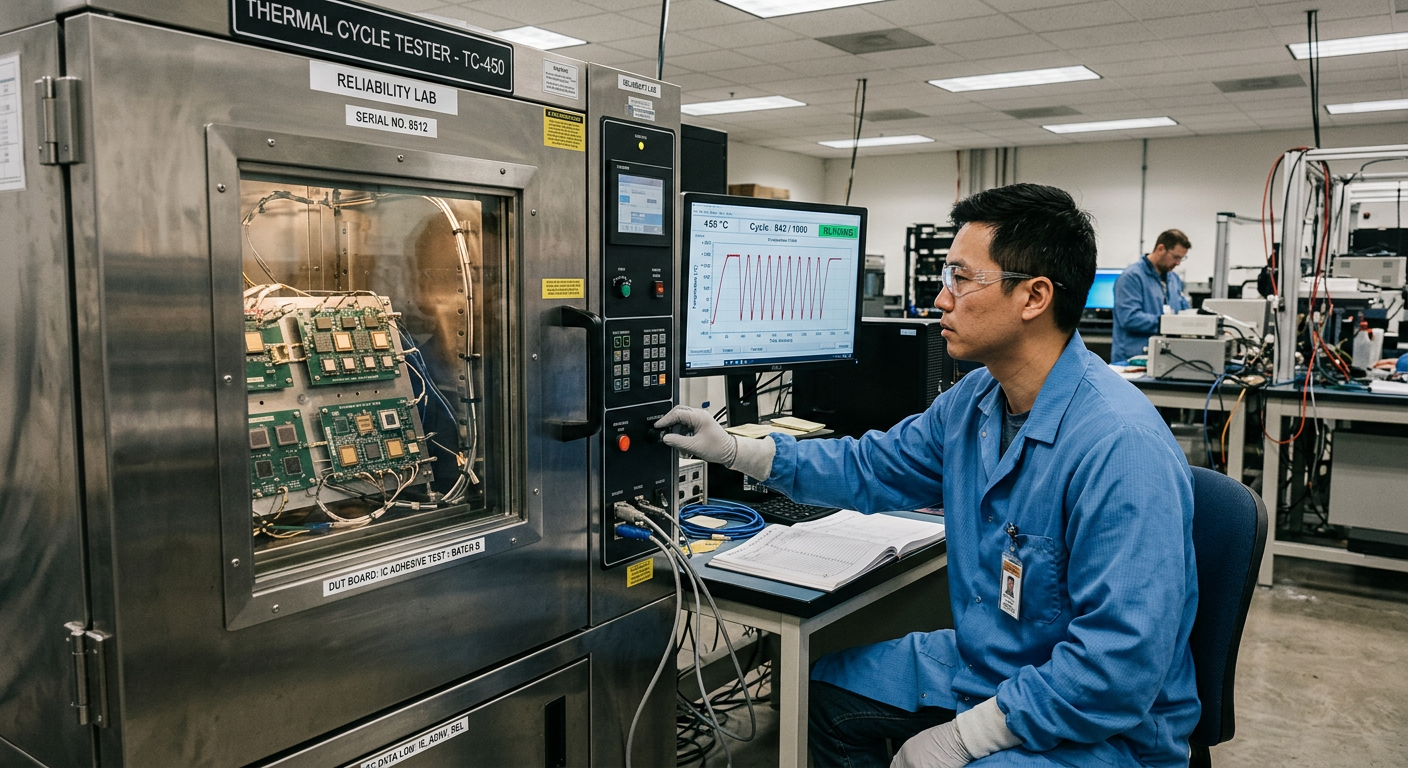
IC Package Adhesive Thermal Cycling Reliability Testing
IC packaging adhesive thermal cycling in the United States requires reliable material selection, supplier review, and test planning for electronics durability.
-

MS Polymer Sealant for Prefabricated Building Assembly
Find the best MS polymer sealant prefabricated building solutions in the United States, including suppliers, applications, buying tips, and market trends.
 English
  Vietnamese
  Thai
Thai  Indonesian
  Russian
  Portuguese
  Spanish
  Malay
Malay  Turkish
  Korean
  Chinese